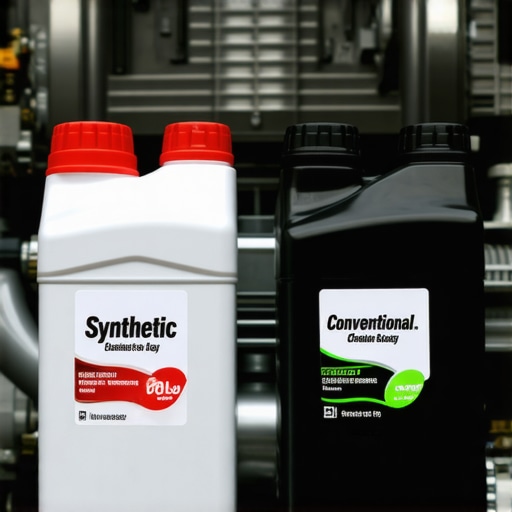
Ever had that sinking feeling during a routine oil change, wondering if you’re really making the best choice for your engine? I remember the first time I stood in front of the auto parts aisle, overwhelmed by the endless bottles of motor oil—some claiming to be synthetic, others insisting conventional is enough. I mistakenly thought more expensive meant better, and I just grabbed whatever was on sale. But as my engine started to show signs of wear faster than expected, I realized I was missing something critical.
Why This Choice Matters More Than You Think
Choosing between synthetic and conventional oil isn’t just about dollars and cents; it’s about the long-term health of your vehicle. Your engine relies on motor oil to keep moving parts lubricated, cool, and clean. An incorrect choice can lead to increased wear, reduced fuel efficiency, and, worst of all, costly repairs. I learned the hard way that understanding the differences can save you hundreds—or even thousands—down the line.
Is Synthetic Oil Just a Marketing Gimmick?
I’ll admit, I was skeptical at first. With premium prices, some of my friends questioned whether synthetic oil was worth the hype. Early on, I made a common mistake—assuming all oils are created equal—and I paid the price when my engine started to struggle during extreme temperatures. Studies show that synthetic oils can provide better breakdown resistance and protect engines more effectively in harsh conditions (source), but not everyone needs to shell out for the latest fancy formula.
Start with a Clear Diagnosis
Before diving into any repair, identify what’s wrong. For example, if your brake pedal feels soft, check the brake fluid level and condition. I once noticed my steering wheel shaking during acceleration; diagnosing that led me to a worn-out suspension component. Use basic tools like a flashlight, jack, and a wrench to inspect visible parts. Remember, a proper diagnosis prevents unnecessary parts replacement and saves money. For complex issues, consult a professional or [schedule an expert auto repair appointment](https://collisionfixer.com/contact-us).
Gather the Right Tools and Parts
Equip your garage with essential tools—socket sets, screwdrivers, brake bleeder kit, and safety gear. For parts, always opt for quality replacements that match your vehicle’s specifications. During my latest repair, I used a hydraulic jack and proper wheel chocks to lift and stabilize my car safely. High-quality filters, fluids, and OEM parts can extend your car’s lifespan and improve performance. Check your owner’s manual or consult [auto repair experts](https://collisionfixer.com/top-signs-your-car-needs-expert-auto-repair-now) for guidance.
Follow a Step-by-Step Repair Plan
Remove and Inspect Components Correctly
Begin by safely lifting your vehicle and removing the necessary parts. To change brake pads, for instance, I first detached the wheel, then used a brake caliper tool to compress the piston before replacing pads. Keep track of all bolts and hardware. Use a magnetic tray if needed. This organized approach prevents missed steps and ensures everything fits back perfectly.
Perform Maintenance with Precision
Replace fluids, filters, or worn parts systematically. During an oil change, I drained the old oil, replaced the filter, and filled with synthetic oil recommended for my engine. Always double-check torque specifications—over-tightening can damage components, while under-tightening risks leaks. Use a torque wrench to apply correct pressure, and remember to dispose of used fluids responsibly—consider recycling at local facilities.
Test and Confirm Your Repairs
After reassembling, start your vehicle and observe. For brake work, gently press the pedal to build up pressure, then test in a safe area. During my last transmission fluid flush, I tested drive modes, ensuring smooth shifting. Listen for abnormal sounds or vibrations, which indicate further issues. For precise diagnosis, a test drive on different terrains helps confirm successful repairs.
Maintain Consistency with Regular Tune-Ups
Consistent maintenance extends your car’s life. Schedule regular inspections for fluid levels, tire pressure, and brake wear. For instance, I set reminders to check my coolant and oil every 3,000 miles. Spotting issues early prevents costly breakdowns and keeps your vehicle running smoothly. For tailored advice, explore [maximizing your car’s lifespan with routine tune-ups](https://collisionfixer.com/maximize-your-cars-lifespan-with-regular-tune-ups).
Many vehicle owners operate under misconceptions about tune-ups and auto repairs, believing they understand the essentials. However, even seasoned DIY enthusiasts often overlook critical nuances that can affect their vehicle’s longevity and safety. One common myth is that regular oil changes alone suffice to keep an engine in prime condition; in reality, neglecting transmission fluid and differential services can lead to costly damages. Advanced experts emphasize the importance of tailored maintenance schedules based on driving habits and vehicle age, referencing studies like those from the Society of Automotive Engineers, which show that personalized service extends vehicle lifespan significantly.
Another trap to avoid is the assumption that all auto repair shops perform equally; choosing a shop solely based on price without checking their certifications or reviews can backfire, leading to subpar work or even vehicle damage. For instance, attempting to perform complex transmission overhauls without proper training or equipment risks internal damage that may not be immediately apparent, as detailed in this comprehensive guide on transmission overhaul benefits.
For advanced vehicle diagnostics, understanding the limitations of basic scan tools is crucial. Some issues—like subtle internal transmission damage or early signs of differential wear—require specialized diagnostics to prevent escalation. Confusing a common symptom like a slipping transmission with minor fluid issues can mask serious internal problems. Consulting an expert who uses sophisticated diagnostic tools ensures precise repairs, saving money and avoiding downtime.
Most get blindsided by the misconception that synthetic oils are only necessary for high-performance or high-mileage engines. In fact, these oils provide better thermal stability and reduce engine wear even in standard vehicles, a fact supported by recent industry research. Yet, many skip using them due to misconceptions about cost, which in the long term, can lead to increased engine deposits and reduced efficiency.
At the end of the day, understanding these nuanced truths about auto maintenance—like the importance of targeted diagnostics, the right choice of lubricants, and selecting qualified repair partners—can prevent expensive repairs and optimize your vehicle’s life. Want to protect your investment? Regularly review your vehicle’s health and don’t hesitate to consult experts. For more tips on extending your car’s lifespan, check out maximizing your car’s longevity with regular tune-ups.
Have you ever fallen into this trap? Let me know in the comments.
Invest in Reliable Equipment for Ongoing Maintenance
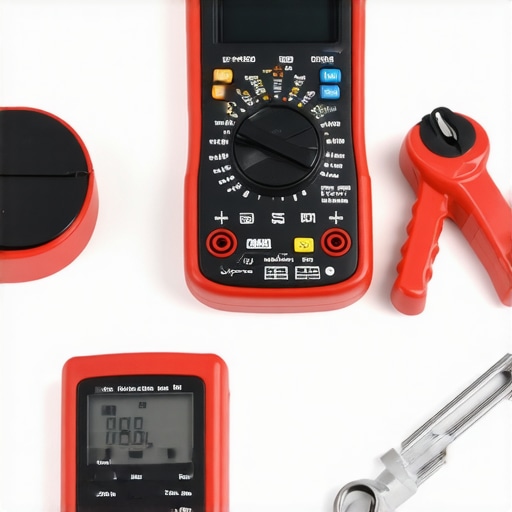
Maintaining your vehicle’s performance over the long term hinges on having the right tools at your disposal. I personally swear by a digital inspection camera. It allows me to peer into hard-to-reach engine crevices or behind dashboards without dismantling entire panels, saving me hours and preventing unnecessary repairs.
For fluid checks and top-ups, a high-quality siphon pump ensures I can transfer oils or coolants cleanly and efficiently. Using a good set of torque wrenches—like the Tekton 1/2 inch drive, which I’ve used for years—helps prevent over-tightening or under-tightening critical components, which can lead to leaks or mechanical failures.
Leverage Software for Diagnostics and Performance Tracking
Modern cars come equipped with OBD-II ports that transmit real-time data. I rely on a Bluetooth-enabled OBD-II scanner paired with the Torque Pro app to monitor engine performance, identify trouble codes early, and even reset warning lights. This proactive approach often reveals issues before they evolve into costly repairs, aligning with the recommendations at maximizing your car’s lifespan.
Additionally, investing in a service like Car Vertical can provide vehicle history reports, helping you make informed decisions about repairs and resale. The trend suggests that integrating diagnostics with predictive maintenance will become standard practice, enabling car owners to schedule services precisely when needed rather than on arbitrary intervals.
Implement Routine Checks That Extend Vehicle Life
Beyond tools, I emphasize sensory inspections, especially for fluid quality and wear indicators. For example, I check the color and smell of transmission fluid periodically; a dark, burnt smell can be a sign to log a full transmission overhaul (see how overhauls save you money). Regularly inspecting your battery terminals for corrosion, and cleaning them with a wire brush, can prevent sudden startups issues. These small actions, done consistently, greatly reduce unexpected breakdowns.
Planned maintenance and the right tools do more than just keep your vehicle running—they optimize performance, expand lifespan, and save money. As tech advances, predictive analytics and remote diagnostics will feature more prominently, making auto maintenance easier and more precise. For now, try integrating a comprehensive diagnostic app into your routine; it’s an easy step that yields immediate benefits.
How can I maintain consistent vehicle performance over time?
Stick to a scheduled maintenance routine, use quality tools for repairs, and leverage diagnostic software to catch issues early. Remember, keeping your vehicle in top shape is a proactive process—don’t wait for breakdowns to act. If you’re interested in deepening your diagnostic skills, consider exploring advanced systems like OEM-specific scan tools or attending a local auto repair workshop. Regular check-ups, when combined with these tools, ensure your car remains reliable mile after mile. For tips on scheduling your maintenance effectively, visit maximizing your vehicle’s lifespan.
What I Wish I Knew Before Ditching Cheap Oil
Switching to synthetic oil was a game-changer for my engine’s longevity. I realized that investing in quality lubricants isn’t just about smooth running, but about preventing costly repairs down the line. Skimping on oil quality can lead to increased engine deposits and early wear—a lesson I learned the hard way.
Why Ignoring Small Signs Can Cost You Big
Early symptoms like slight vibrations or flickering dashboard lights are often dismissed. However, I found that addressing these promptly saved me from major overhauls. Regular diagnostics, even for minor issues, can reveal underlying problems before they escalate, saving your wallet and time.
Sharing Secrets: The Power of Proper Diagnostics
Using advanced scan tools and understanding diagnostic codes transformed my approach to auto repair. It’s tempting to trust quick fixes, but knowing what the data indicates helps target repairs accurately. Remember, a well-informed mechanic—whether professional or DIY—can make all the difference in maintaining your vehicle’s health.
Resources That Elevated My Maintenance Routine
- OBD-II Bluetooth Scanners: These affordable devices paired with apps like Torque Pro turned my phone into a professional diagnostic tool—saving trips to the shop.
- OEM Service Manuals: Trustworthy, detailed, and specific to your vehicle, these manuals prevented guesswork during repairs.
- Quality Replacement Parts: Using OEM filters and fluids ensured compatibility and durability, which aftermarket parts sometimes lack.
- Online Communities: Forums and expert blogs provided invaluable tips and troubleshooting advice tailored to my car model and issues.
Your Drive to Smarter Maintenance
Taking control of your auto care isn’t just practical—it’s empowering. I encourage you to learn the basics of diagnostics, invest in reliable tools, and stay curious about your vehicle’s inner workings. Each small step builds confidence and extends your car’s life. Looking for more guidance? Explore tips on maximizing your vehicle’s lifespan through regular tune-ups and keep your car performing at its best.