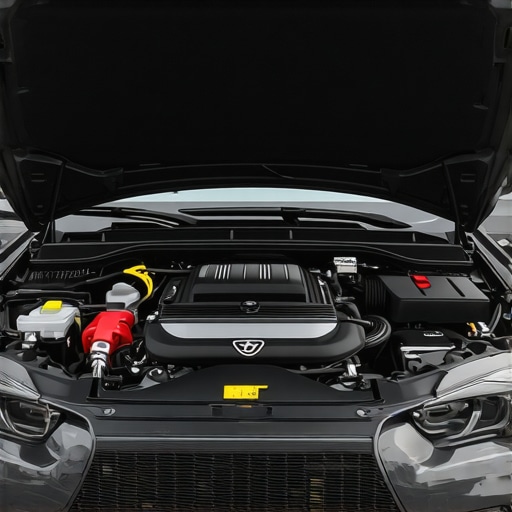
Ever been sitting at a red light, feeling your engine suddenly jerk or surge forward? That unsettling twitch while you’re just idling can be downright nerve-wracking. I remember the first time it happened to me—thought my car was about to lunge into the intersection! It caught me off guard and made me question if I was about to face a costly repair.
The Surprising Realization About Surging Engines
This common issue isn’t just a quirk or a sign of a failing motor; often, it’s a symptom of something more manageable than it seems at first. For years, I believed that engine surging was inevitable as cars age, but I discovered that a simple intake cleaning or dirty idle air control valve could be the root cause. It’s a fix that beats shelling out hundreds for a new part or worse—an entire transmission overhaul. In fact, according to [Collision Fixer](https://collisionfixer.com/how-the-10-ground-strap-that-fixes-weird-radio-interference), many persistent engine troubles can be fixed with a proper cleaning and a little patience.
Question Header: Is Your Fix Just a Band-Aid or the Real Deal?
One mistake I made early on was rushing to replace parts without diagnosing the true source of the surge. I wasted time and money on superficial fixes, believing every story I heard online. The truth is, a thorough inspection can reveal hidden causes—like vacuum leaks or sensor issues—that straightforwardly relate to why your engine might jump when you’re at a stop. Keep reading, and we’ll get into practical, tested methods to put an end to this annoying problem once and for all.
Have you experienced your engine surging unexpectedly? If yes, you’re not alone—and there are straightforward steps to fix it. Let’s dive into the details that will help you regain smooth, steady idling and stop the worry of sudden jerks at stoplights. We’ll also explore how minor maintenance, like [regular tune-ups](https://collisionfixer.com/maximize-your-cars-lifespan-with-regular-tune-ups), can prevent this behavior in the future. Ready? Let’s get started.
.
Identify the Root Cause of Engine Surging
Begin by conducting a thorough inspection to locate potential causes like vacuum leaks, dirty sensors, or clogged air filters. I once opened my hood and noticed a cracked vacuum hose, which I replaced following a quick visual check. This simple step can prevent unnecessary part replacements and save you money.
Check for Vacuum Leaks
Vacuum leaks are a common culprits behind engine surges. To detect them, start your engine and listen for hissing sounds or spray a soapy water solution around cylinders and vacuum hoses. Bubbles indicate leaks that need sealing. Replacing cracked hoses or tightening loose connections often restores smooth idle.
Inspect and Clean Idle Air Control Valve
The idle air control (IAC) valve manages the engine’s idle speed. If clogged, it causes erratic idling. Remove the IAC valve (usually accessible near the throttle body), and clean it with carburetor cleaner. I once soaked mine overnight, which improved my engine’s idle stability significantly. For detailed steps, check out this guide.
Test and Replace Faulty Sensors
Sensors like the Mass Air Flow (MAF) or Throttle Position Sensor (TPS) influence fuel and air mixture. Use an OBD-II scanner to check for error codes indicating sensor faults. If a sensor tests out of spec, replacing it usually solves the surging problem. I replaced my MAF sensor after a diagnostic revealed it was failing, and my engine ran smoothly afterward.
Replace or Clean the Air Filter
An excessively dirty air filter restricts airflow, causing irregular engine behavior. Remove the filter and inspect it—if clogged or dirty, replace it with a high-quality filter. This simple maintenance right after a routine tune-up can drastically improve performance, as highlighted in regular tune-ups.
Perform Engine and Transmission Maintenance
Dirty or low transmission fluid can indirectly cause surging issues. Regular checks and service, like flushing fluid, ensure optimal operation. When I noticed my transmission felt sluggish during surges, a fluid change improved overall driveability, illustrating how proper maintenance prevents more extensive repairs later.
Tune Up Your Engine
Replacing spark plugs, wires, and filters is crucial. Worn spark plugs can misfire, leading to surges. Follow the manufacturer’s recommended intervals, and consider professional help for precise adjustments. You can find useful tips here.
Inspect Transmission Components
Overheating or worn transmission parts often cause jerks and surges. Check for leaks, worn belts, or dirty fluid. If needed, schedule a transmission service, or read how a transmission overhaul can extend your vehicle’s lifespan.
Test Drive and Fine-Tune
After completing these steps, take your car for a test drive. Pay attention to any irregular engine behavior or surges. An uneven idle indicates further issues, such as faulty sensors or intake leaks. Repeat inspections if necessary, until your engine maintains a steady, smooth idle.
Regular maintenance, including routine car services, minimizes surging and prolongs engine life. Staying proactive ensures you avoid expensive repairs and keeps your vehicle running reliably, especially during demanding driving conditions.
When it comes to auto repair, many car owners operate under misconceptions that can lead to costly mistakes. A common myth is that replacing parts at the first sign of trouble will always fix the issue. However, professionals know that diagnosing the true root cause is essential—sometimes what seems like a worn-out component is just a symptom of a deeper problem. For example, a misfiring spark plug might actually stem from a faulty sensor or clogged fuel injector, not the plug itself. Rushing into part replacement without proper diagnostics can waste time and money, and even cause additional damage.
Another widespread misunderstanding is the belief that all auto services are equally necessary or equally beneficial. Many assume that routine maintenance, like tune-ups, can be skipped or delayed indefinitely. Yet, seasoned mechanics emphasize that regular tune-ups and inspections—such as checking the transmission fluid or inspecting the serpentine belt—prevent minor issues from escalating into major repairs. Adhering to a proactive maintenance schedule, as outlined in expert guides like those from Collision Fixer, ensures longevity and safety.
Moreover, there’s a misconception about the significance of using generic or low-quality parts during repairs. Some think that aftermarket parts are just as good as OEM components and more cost-effective. While some aftermarket options are acceptable, especially for non-critical components, experts caution against compromising quality on vital parts, such as sensors or transmission components, which directly impact vehicle performance. Investing in high-quality parts can save you money in the long run by avoiding repeat repairs.
Now, let’s address a common trap that catches even experienced car owners: neglecting minor symptoms. Small leaks, odd noises, or slight vibrations might seem insignificant but can be early indicators of severe issues. For instance, overlooking a minor transmission fluid leak could lead to overheating and costly overhaul. Staying vigilant and consulting with trusted professionals, like those at Collision Fixer, can help catch problems before they become emergencies.
Have you ever fallen into this trap? Let me know in the comments. Recognizing these nuances and avoiding the common myths can transform your approach to car care, saving you time, money, and frustration. Remember, the key is consistent maintenance and informed decisions—your vehicle’s health depends on it.
Investing in the Right Equipment for Auto Care
When it comes to maintaining your vehicle efficiently, having a set of high-quality, specialized tools is non-negotiable. I personally rely on a durable digital multimeter to diagnose electrical issues, ensuring I can identify faulty sensors or wiring problems quickly. A trusted model like the Fluke 117 allows me to test voltage and continuity with pinpoint accuracy, saving time and preventing unnecessary part replacements.
Similarly, a OBD-II scanner is invaluable for reading diagnostic trouble codes and understanding what’s happening under your hood. I opt for the BlueDriver Bluetooth scanner because it pairs effortlessly with my smartphone, providing detailed reports that help me determine whether an issue is minor or warrants professional attention. Regularly checking error codes with it complements routine tune-ups and keeps my vehicle running smoothly.
For more hands-on maintenance, I swear by a quality torque wrench. Proper tightening of components like cylinder head bolts or suspension parts prevents future leaks or failures. I use a calibrated digital torque wrench, ensuring every bolt is tightened to manufacturer specifications—avoiding both over-tightening and under-tightening.
Tools That Save Money and Frustration
Keeping your toolbox stocked with reliable, purpose-built tools reduces dependency on costly mechanic visits. For example, a vacuum pump helps me perform fluid changes or detect leaks, which is crucial, especially during transmission flushes or power steering service. I recommend the Mityvac MV8500 because it offers precise pressure control and a variety of adapters. Using these tools, as explained in transmission maintenance guides, can extend your vehicle’s lifespan significantly.
Additionally, a work light with adjustable brightness is essential for inspecting hard-to-see spots in your engine bay. I prefer LED models like the GearLight LED Headlamp because they provide bright, focused illumination without draining your battery. Visual inspections, such as checking for worn serpentine belts or cracked hoses, become much easier with good lighting.
Future Trends in Auto Maintenance Tools
As vehicle electronics become more sophisticated, I predict a rise in wireless diagnostic devices that can interface seamlessly with your smartphone or tablet, delivering real-time data and advanced troubleshooting capabilities. Augmented reality (AR) apps are also emerging, guiding DIY enthusiasts through complex repairs step-by-step. Staying updated with these innovations ensures you’re prepared to keep your car running reliably for years to come.
How do I maintain tools over time?
To ensure your equipment remains dependable, practice regular calibration and cleaning. For example, after each use, wipe down your torque wrench and store it in a protective case to prevent corrosion. Use compressed air or a soft brush to remove dust from your diagnostic tools, maintaining their accuracy. Keep your digital multimeter’s test leads and probes clean and replace any worn connectors. Investing in quality storage solutions, like tool chests with foam inserts, keeps everything organized and ready for your next project.
Want to get the most out of your maintenance routine? Try testing your vehicle’s sensors with an advanced OBD-II scanner, like the BlueDriver, and see how accurate your diagnoses can become. Regular upkeep of your tools and equipment ensures they serve you well for countless repairs ahead. For more expert advice or assistance, don’t hesitate to reach out.
What I Wish I Knew About Fixing My Car Faster
One of the hardest lessons I learned was the importance of patience and thorough diagnostics before jumping to conclusions or parts replacements. Rushing often led me to overlook simpler fixes like clogged filters or loose hoses, which are surprisingly common and easy to address. Embracing a methodical approach saved me both time and money, reinforcing the value of understanding my vehicle’s basics instead of relying solely on guesswork.
Tools That Changed My Approach to Auto Troubleshooting
Having a dependable OBD-II scanner like the BlueDriver transformed how I identify issues early on. It’s like having a mechanic in your pocket—saving you from unnecessary repairs and helping you make informed decisions. Pairing it with a quality digital multimeter and torque wrench empowered me to handle minor repairs safely and confidently, reducing my reliance on costly professional services for simple problems. These tools are invaluable for anyone serious about maintaining their vehicle effectively.
Harnessing the Power of Regular Maintenance
I realized that establishing a routine schedule—such as regular fluid checks and filter replacements—not only prevents surprises but also extends the life of critical components like your transmission and engine. Simple steps, like cleaning or replacing a dirty idle air control valve or air filter, made immediate improvements in performance and saved me from more extensive repairs down the line. Staying proactive with maintenance truly pays off.
Why DIY Could Be Your Best Investment
Empowering yourself with knowledge and proper tools can turn minor repairs into manageable tasks. Watching tutorial videos and consulting reputable guides fosters confidence, and I found that tackling small fixes—like tightening a loose belt or sealing a vacuum leak—boosted my skills and trust in my vehicle’s reliability. The satisfaction of solving problems yourself also fuels a proactive attitude toward car care, preventing issues from snowballing into costly emergencies.
Insights That Accelerated My Repair Wisdom
- Diagnosing problems carefully prevents unnecessary expenses. Skipping diagnostics often leads to replacing parts that are still functional.
- Routine checks and simple maintenance, like inspecting transmission fluid or replacing worn spark plugs, drastically improve vehicle longevity.
- Investing in quality tools and learning to use them shifts your role from a helpless bystander to an effective caretaker of your car.
- Understanding your vehicle’s manual and common issues saves countless trips to the mechanic and builds confidence in DIY repairs.
My Roadmap for Better Car Care
Start with educating yourself on the basics: know your vehicle’s common issues and routine maintenance points. Equip yourself with trusted tools such as a reliable OBD-II scanner and a quality torque wrench. Regularly inspect key components like hoses, filters, and fluid levels—small habits that prevent big headaches. And finally, embrace the mindset of continuous learning; the more you understand, the more empowered you’ll be to keep your car running smoothly for years to come.
Have you experienced a breakthrough in managing your auto repairs? Or maybe a fix you tackled that saved you big money? Share your stories below—your lessons could help others in the community!
,