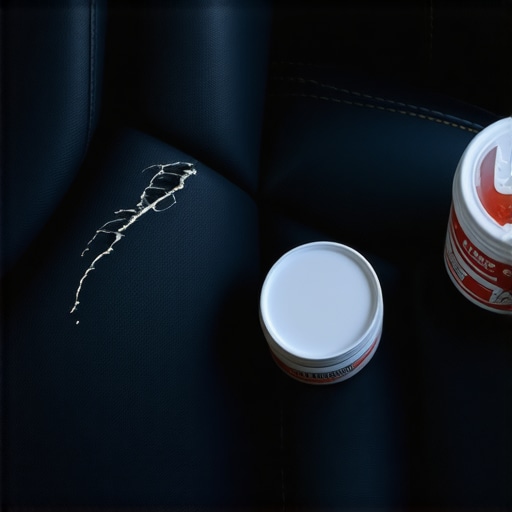
I remember the moment vividly—my favorite leather driver’s seat, looking perfectly pristine just days ago, now sported a ragged tear. It wasn’t from some dramatic accident, but a simple slip of a pocket knife in my jeans that changed everything. That little rip bothered me more than it should have. Suddenly, my sleek car interior felt less luxurious, more neglected. Sound familiar? If you’ve ever stared at a tear in your leather seat and thought, “Can I fix this myself without spending a fortune?” then you’re in the right place.
Why a Tiny Tear Can Turn into a Big Problem—and What You’ll Save by Fixing It Yourself
Leather seats are a classic touch of elegance, but they’re also delicate. What starts as a small scratch can quickly turn into a wider rip if left unattended. That’s especially true if your pet’s claws or rough jeans are involved. Plus, a tear can allow dirt and moisture to seep in, accelerating damage. The good news? Fixing a tear doesn’t require buying expensive supplies or hiring a pro. I’ve been DIY-ing my car repairs for years, and let me tell you—patching this kind of damage can be surprisingly straightforward and affordable.
Is DIY Leather Repair Really Worth It, or Just a Waste of Time?
This was my biggest skepticism initially. I worried I might make things worse or waste time. I remember rushing to a local auto shop, only to discover that leather repair jobs cost hundreds. I made my first attempt at patching a tear early on, and sure enough, I botched it. That mistake taught me that knowledge and proper tools matter. Today, I’ll share what I’ve learned so you won’t have to stumble through trial and error like I did. With just about $20 worth of supplies and some patience, you can give your seat a fresh look and extend its lifespan. Curious? Let’s dive into the simple steps that turned my tattered seat into something I’m proud of again.
Prepare Your Materials and Workspace
Gather quality leather repair kits, which typically include patches, adhesive, and colorant. Clear a flat, well-lit area free of dust. I once turned my garage into a makeshift workshop, laying down an old blanket to protect the car’s interior from accidental spills. Having all tools at hand prevents interruptions and keeps the process smooth.
Clean and Assess the Damage
Use a gentle leather cleaner and a soft cloth to remove dirt and oils from the torn area. Once clean, inspect the tear to determine if it’s a straight rip or a fraying edge. During my first repair, I used a toothpick to gently lift loose fibers, which helped me choose the right patch size and adhesive consistency.
Apply the Leather Patch Correctly
Cut and Fit the Patch
Cut the patch slightly larger than the tear, ensuring smooth edges to avoid tearing further. During my experience, I made the mistake of using a patch that was too small, which resulted in peeling edges. Always size up for a clean, secure fit.
Adhere the Patch Properly
Apply a thin layer of leather adhesive to the patch and the underside of the tear. Use a spatula or a flat edge to spread it evenly, avoiding air bubbles. I remember pressing the patch firmly and placing a heavy object on top for an hour, which improved adhesion.
Color and Seal the Repair
Match the repair color with your seat using the included dye or a custom blend. Apply in thin, even layers, allowing each to dry completely. During my last fix, I used a small brush for precision, preventing color bleed onto unaffected areas.
Final Touches and Protection
Once the patch is secure and colors match, apply a leather conditioner to restore suppleness and add a protective layer. This seals the repair, preventing future cracks or tears. I often layer the conditioner for a glossy finish, which helps my seat look almost new again.
Remember, practice makes perfect. Rushing the process can lead to uneven results or residual sticking issues. With patience and careful execution, you can save money and significantly extend the lifespan of your leather interior.
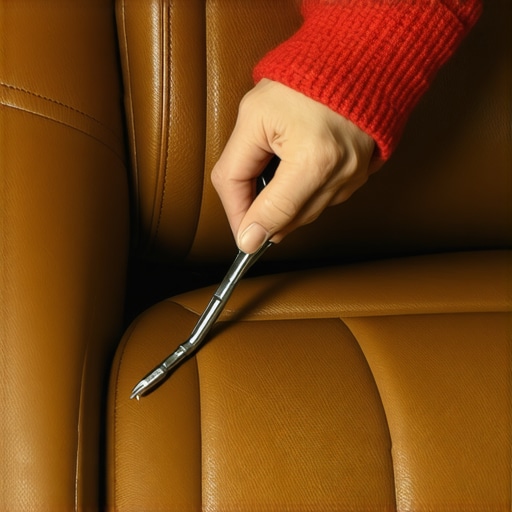
Many car owners operate under misconceptions about how transmissions, collision repairs, and general auto maintenance work. A common myth is that transmission fluid lasts forever, leading owners to neglect essential services. In reality, according to automotive experts, even lifetime fluids need periodic replacement to prevent costly damage, as detailed in our article on lifetime transmission fluids.
Another trap is believing that all auto repairs are straightforward and that DIY fixes can replace professional diagnostics. While basic repairs might be manageable, complex issues like internal transmission damage or subtle alignment problems often require specialized tools and knowledge. Mistakes here can cause further damage, emphasizing the importance of consulting experts. For instance, misdiagnosing a transmission slipping issue can lead to unnecessary part replacements, which you can learn about in how to diagnose internal transmission damage.
What Do Even Experienced DIYers Overlook Most?
One nuanced mistake is neglecting the importance of proper fluid compatibility and cleanliness. Using the wrong type of fluid or contaminating it during a top-up can cause severe transmission damage or accelerate wear. Experts advise always referencing the vehicle’s manual or consulting a specialist before fluid changes. Studies from the Car Care Council highlight how improper maintenance contributes to early transmission failure.
Furthermore, many overlook the significance of regular inspections for subtle signs like uneven tire wear or small fluid leaks, which can be early indicators of transmission or suspension issues. Catching these issues early saves you money and extends your vehicle’s lifespan. For comprehensive tips, see how tune-ups prolong your car’s life.
Beware of the common misconception that auto repair is always costly and unpredictable. While some repairs can indeed be expensive, strategic maintenance and understanding your vehicle’s needs can prevent surprises. Routine service, like ensuring your summer-ready car service, helps avoid breakdowns during critical times.
In summary, the nuances of transmission and auto repairs involve more than just swapping parts. Proper maintenance, correct procedures, and timely diagnostics play vital roles in keeping your vehicle reliable. Have you ever fallen into this trap? Let me know in the comments, and remember: trusting the right experts is often the best money-saving strategy.
 Maintaining your vehicle over time requires more than just occasional visits to the shop; it involves applying the right tools and methods to ensure longevity and reliable performance. As auto technology advances, so do the tools needed for effective maintenance. I personally rely on a set of precision diagnostic software and high-quality hand tools tailored for specific systems like transmissions and suspension components. For instance, using a dedicated scan tool such as the Autel Maxisys Elite allows me to quickly troubleshoot code failures and reset systems after repairs, saving me hours and reducing guesswork. When it comes to fluid analysis, a portable refractometer helps me determine transmission fluid quality on the spot, which is critical given the subtle signs of internal wear that can lead to costly repairs if neglected.
Beyond tools, adopting a systematic approach, like scheduled tune-ups in line with manufacturer recommendations, profoundly impacts long-term results. Regularly updating diagnostic software ensures compatibility with new vehicle models and issues fixed in recent updates. For example, updating your transmission control module (TCM) software can prevent slamming shifts and improve responsiveness, as detailed in https://collisionfixer.com/how-transmission-overhauls-save-you-money-in-the-long-run.
Looking ahead, trends point toward automation and AI-guided diagnostics becoming standard in auto maintenance. Automated systems will preemptively flag potential failures before they cause breakdowns, making proactive maintenance more accessible to everyday car owners.
So, how do I maintain transmission efficiency over time? One highly effective method is utilizing a transmission fuel additive designed for your vehicle’s specific needs—this can reduce metal-on-metal wear and extend service intervals. Always ensure you use a product compatible with your transmission fluid type to avoid unintended damage.
By integrating advanced diagnostic tools and structured maintenance routines, you not only keep your vehicle running smoothly but also prevent costly surprises. Why not try updating your diagnostic software or checking your transmission fluid with a refractometer this month? It’s a small step that can significantly enhance your car’s longevity and performance. For tailored advice or to explore tools suited for your vehicle, consider reaching out via our contact page.
The Hardest Lesson I Learned About Transmission and Auto Maintenance
One of my most valuable insights was realizing that patience and attention to detail surpass haste and shortcuts. I once tried to speed up a repair, only to realize that rushing compromising quality ends up costing more time and money down the line. This taught me that proper preparation and careful execution are essential, especially when working on delicate components like leather seats or intricate transmission systems.
My Favorite Tools for Transmission and Car Care
I depend heavily on diagnostic tools such as the Autel Maxisys Elite, which allows me to troubleshoot and reset vehicle systems efficiently. Additionally, a portable refractometer has been invaluable for checking transmission fluid quality on the spot, preventing costly damage. These tools have transformed my approach from guesswork to precision, reinforcing the importance of having high-quality equipment for DIY repairs and maintenance.
Embrace Every Step — Your Car Will Thank You
Taking the time to learn and perform these repairs fosters a deeper connection with your vehicle. It’s not just about saving money but also about understanding how your car functions and proactively preventing issues. Whether fixing a leather tear or checking your transmission fluid, every little effort extends your vehicle’s lifespan and enhances its performance. Remember, the journey toward mastering auto maintenance is ongoing, and each step adds to your confidence and expertise.