I’ll never forget the moment I felt that strange jolt while accelerating on a busy highway, followed by a sudden slip that made my stomach drop. It was both terrifying and infuriating—knowing something was wrong, but not having a clear idea of what was happening inside my car’s transmission. Like many DIY enthusiasts, I was overwhelmed by the prospect of costly repairs or a full tear-down just to find out if my transmission was beyond saving. That lightbulb moment led me down a path of discovering how to check for internal damage without tearing apart the entire gearbox.
Why Checking Your Transmission’s Inner Workings Matters More Than You Think
Most car owners don’t realize that early signs of internal transmission issues often show up as rough shifting, slipping, or odd noises—symptoms that can sometimes be diagnosed without costly disassembly. Failing to catch these issues early can lead to more severe damage, costly repairs, or even complete transmission failure. An internal inspection or at least some non-invasive testing can save you money and prevent roadside breakdowns. Plus, staying ahead of problems aligns perfectly with maintaining your vehicle’s overall health and longevity. It’s no secret that properly functioning transmissions can extend your car’s lifespan, especially if you stay proactive with regular tune-ups, as discussed here.
Is it Really Possible to Diagnose Without a Tear-Down?
This was the biggest skeptic in me questioning everything. I mistakenly believed that internal damage could only be assessed by a full disassembly—until I learned about the practical methods that professionals use to diagnose trouble early. But I want to be clear: not every problem is detectable without some level of inspection. There are clear signs and tests you can perform to get a good idea of your transmission’s health, which I’ll guide you through. Knowing your vehicle’s signals can be the difference between a small fix and a costly overhaul. If you’ve ever wondered how to troubleshoot your transmission without diving into the gears yourself, stick around. I’ll share some real-world tips that can help you spot issues before they become disasters, and most importantly, save you money. Want to stay safe on the road and keep your transmission in top shape? Keep reading, and I’ll show you how I did it — with a few simple tricks and tests that I wish I had known from the start.
Perform a Road Test to Detect Warning Signs
Start by taking your car for a controlled drive on a quiet road or parking lot. Shift through all gears, including reverse. Pay close attention to how smoothly each gear engages—any slipping, hesitation, or loud clunking indicates potential internal issues. For example, I once drove mine onto an empty lot and noticed it struggled to shift into overdrive, which prompted further inspection. Document any irregularities as they can guide your next steps.
Listen for Unusual Noises During Shifts
Listen carefully for whining, grinding, or banging sounds when shifting gears or accelerating. These noises often point to worn clutch plates or damaged planetary gears. To isolate the problem, perform a series of gentle accelerations and decelerations while observing if the sounds become more pronounced at specific speeds or under certain loads. An early warning like this can save significant repair costs if addressed promptly.
Use a Transmission Fluid Test for Internal Clues
Checking the transmission fluid’s condition offers valuable clues about internal health. With the engine warmed up, pull out the dipstick and inspect the fluid. Healthy fluid is typically bright red and smells sweet. Dark, cloudy, or burnt-smelling fluid suggests overheating or internal wear. Sometimes, particles or metal shavings in the fluid indicate internal components are deteriorating. I replaced my fluid and added a friction modifier, which improved shift quality—a simple step that bought me extra miles.
Perform a Gear Slip Test
Park the vehicle on a level surface, keep the engine running, and shift through all gears with your foot on the brake. For automatic transmissions, observe whether the gear changes are jerky or delayed. For manuals, try shifting while stationary; resistance or difficulty can be signs of internal damage. During my own test, I noticed a slight delay when shifting into drive, prompting me to check further. This simple test can help you catch issues early before they escalate.
Check for Transmission Fluid Leaks
Visually inspect the area around the transmission pan, seals, and lines for signs of fluid leakage. A sudden drop in fluid levels can cause internal components to fail prematurely. On one occasion, I found a small leak near the transmission pan gasket, which could have led to severe damage if ignored. Replacing a gasket or tightening fittings is often a quick, affordable fix that prevents costly repairs down the line.
Assess the Transmission’s Behavior During Cold Starts
Start your vehicle after it has cooled overnight and observe its initial engagement. If the transmission hesitates or stalls momentarily before shifting into gear, this could indicate fluid is too thick or internal clutch packs are experiencing trouble. I experienced this firsthand when my car took a few extra seconds to shift from park to drive in cold weather, which was a red flag that I checked further.
Make Use of Diagnostic Tools or Sensors
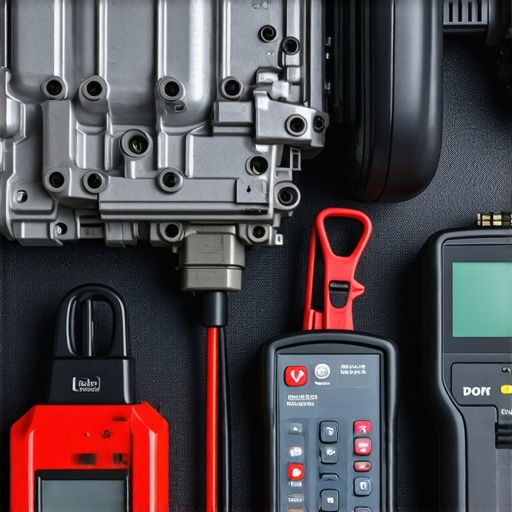
If you have access, connect an OBD-II scanner to read any stored transmission trouble codes. Many modern vehicles log internal issues as specific codes, such as P0730 for gearbox inaccuracies. For example, I used a basic scanner to identify a code indicating solenoid problems, guiding me toward targeted repairs instead of costly guesswork. Regularly checking these codes can help spot developing issues early.
What Is the Next Step After Detecting Internal Issues?
If your tests indicate potential internal damage, consulting a professional for a detailed evaluation might be necessary. However, these steps can help you decide whether a full teardown is imminent or if a simpler repair is feasible. Remember, early detection and maintenance—including regular tune-ups—can extend your transmission’s life and save you significant money, as explained here.
 When it comes to vehicle maintenance, many car owners believe they grasp the essentials, but some common misconceptions can lead to costly mistakes. One widespread myth is that DIY auto repairs always save money; however, without proper knowledge, you risk causing more damage and incurring higher costs in the long run. For example, attempting to fix a transmission problem without understanding the nuances can lead to internal damage that complicates repairs. It’s not just about saving a few dollars—it’s about understanding the complexities involved in proper diagnostics and repairs.
Another prevalent misunderstanding is that quality auto repair can be identified solely by price. Cheaper services might seem attractive, but they often cut corners or use subpar parts, leading to unreliable repairs or even safety hazards. Conversely, premium services like CollisionFixer emphasize thorough diagnostics and genuine parts, ensuring longevity and safety. Familiarize yourself with their approach by reviewing their [privacy policy](https://collisionfixer.com/privacy-policy), which highlights their commitment to transparency.
A common trap many fall into is neglecting regular tune-ups, believing they are unnecessary if the car runs fine. Yet, routine maintenance like scheduled tune-ups can prevent internal issues in transmissions and other critical components. Regular inspections can catch problems early, saving you from expensive overhauls later. For comprehensive tips, visit [maximize your car’s lifespan with regular tune-ups](https://collisionfixer.com/maximize-your-cars-lifespan-with-regular-tune-ups).
Advanced car diagnostics have evolved significantly, allowing mechanics to detect internal damages without full disassembly. However, some believe that only invasive inspections can reveal the true state of their transmission. This isn’t entirely true. Modern diagnostic tools, such as OBD-II scanners, can identify issues like solenoid malfunctions or sensor errors, often before symptoms become severe. For instance, understanding how transmission overhauls save money over frequent repairs can be enlightening—learn more [here](https://collisionfixer.com/how-transmission-overhauls-save-you-money-in-the-long-run).
Beware of the oops factor: neglecting early signs of transmission issues or ignoring unusual noises can lead to catastrophic failure. A minor slipping or delayed gear engagement can be fixed with proper diagnostics, but if ignored, it might necessitate a costly rebuild. Always pay attention to your vehicle’s signals and consult professionals promptly.
Now, for the advanced enthusiasts and seasoned DIYers, a crucial question arises: How can you differentiate between initial internal wear and imminent catastrophic failure? The key lies in understanding the nuanced behavior of your transmission—such as subtle changes in shift quality, fluid condition, and sensor readings. Recognizing these signs early can be the difference between a simple repair and a complete overhaul. For more in-depth insights, visit CollisionFixer’s expert guides.
Remember, trusting superficial assessments or assumptions can be dangerous. Vehicle health is intricate, and effective auto repair demands knowledge, experience, and sometimes, expert intervention. Don’t fall into the trap of oversimplification. Instead, stay informed, vigilant, and proactive with regular check-ups.
Have you ever fallen into this trap? Let me know in the comments.
Invest in Quality Diagnostic Tools
To truly keep your car running smoothly over the years, I recommend investing in a reliable OBD-II scanner like the BlueDriver or a similar professional-grade device. These tools provide precise diagnostic trouble codes and real-time data directly from your vehicle’s sensors, allowing you to catch issues early. Personally, I use the BlueDriver app connected to my smartphone because it offers comprehensive insights without the steep learning curve of more advanced scanners. Regularly monitoring your vehicle’s health using such tools can save you from costly repairs and unexpected breakdowns.
Regularly Check and Maintain Transmission Fluid
Maintaining the right transmission fluid level and condition is crucial for longevity. Use a high-quality transmission fluid that matches your vehicle manufacturer’s specifications; for instance, synthetic fluids like Dexron VI are often a good choice due to their improved heat resistance. I prefer checking my transmission fluid monthly—simply with a clean cloth, I wipe the dipstick and inspect the color and smell. If the fluid appears dark or burnt, I flush and replace it, which can significantly improve shift smoothness and prolong component life. This proactive approach prevents internal damage and keeps your transmission performing optimally.
How do I maintain transmission health over time?
Stick to a scheduled fluid change every 30,000 to 60,000 miles, as recommended by your car’s manual. Additionally, inspecting for leaks around the transmission seals and lines can prevent fluid loss, which leads to internal wear. Using a high-quality additive or friction modifier during fluid changes, like those recommended by transmission specialists, can further reduce internal friction and enhance performance. Consistent maintenance combined with attentive driving habits ensures longevity and reliable operation, making every drive safer and smoother.
Tools for Effective Tune-Ups and Repairs
Having the right hand tools makes all the difference. I rely on a digital torque wrench to tighten bolts accurately, especially during oil and filter changes, ensuring I don’t over-tighten or under-tighten. A quality multimeter helps me diagnose electrical issues in sensors or wiring harnesses, preventing future failures. For more complex tasks like replacing a transmission cooler or performing fluid flushes, I use a vacuum pump and a fluid transfer kit. These tools streamline the process, reduce mess, and give me confidence that the job is done right.
Stay Ahead with Preventative Maintenance
Proactive car care isn’t just about fixing problems; it’s about preventing them. Regularly scheduling tune-ups, brake inspections, and fluid checks keeps your vehicle in top condition. I follow a routine checklist that includes inspecting belts, hoses, and filters; I also keep track of service dates and mileage to stay organized. This approach minimizes unexpected breakdowns and maximizes the lifespan of components like the transmission and engine.
Looking Ahead: The Future of Auto Maintenance
Advancements in automotive technology, including predictive diagnostics and AI-driven maintenance reminders, promise to revolutionize how we care for our vehicles. As connected car systems become more common, I foresee a future where remote diagnostics can alert you to impending failures before symptoms even appear. Embracing these innovations today ensures you’re prepared for a safer, more efficient driving experience.
To start implementing these strategies, try using a high-quality diagnostic scanner during your next oil change—it’s a game-changer for catching issues early and ensuring your car’s long-term performance.

Image prompt: Close-up of a garage technician using a professional-grade OBD-II scanner connected to a car, highlighting diagnostic data display on a tablet or smartphone, with tools and engine in background. Alt text: Technician diagnosing vehicle with OBD-II scanner for early fault detection. Title: Precision Diagnostics for Long-Term Car Health.
,
The Hidden Wisdom Gained From My Transmission Journey
One of the most valuable lessons I learned was that not every internal transmission fault requires a full tear-down. Sometimes, the smallest clues—like fluid color or a slight delay—can reveal much more than you might expect. It was a lightbulb moment for me to realize that early detection through simple tests is both possible and impactful. Additionally, I discovered that trusting professional diagnostics, paired with a little DIY knowledge, can significantly extend the lifespan of your vehicle’s transmission. Finally, I understood that education is my best tool; knowing what signs to watch for saved me from costly repairs and gave me peace of mind on the road.
Tools and Resources That Made All the Difference
Having relied on reliable diagnostic tools like an OBD-II scanner, I can personally recommend investing in a quality device such as the BlueDriver. These tools provide real-time insights that help catch problems early and avoid major repairs. Additionally, reading expert advise and maintenance tips from trusted sources like CollisionFixer has been invaluable. Their guides on fluid maintenance and troubleshooting are comprehensive and practical. Don’t overlook the importance of regular tune-ups, which you can learn more about here. Combining the right tools with trusted knowledge transformed my approach to auto care and saved me money.
Seize the Moment to Protect Your Ride
Understanding your transmission’s needs and respecting early warning signs empowers you to safeguard your vehicle’s future. Each drive is an opportunity to learn more about your car and to implement simple preventive measures. Whether it’s checking fluid levels, listening for strange noises, or performing basic tests, taking proactive steps keeps your transmission running smoothly longer. Now that I’ve experienced the peace of mind that comes with early detection, I encourage you to start paying closer attention to your vehicle’s signals. Your car—and your wallet—will thank you for it.
What’s the first thing you’ll check on your vehicle after reading this? Share your plans or experiences below—I’d love to hear from you!