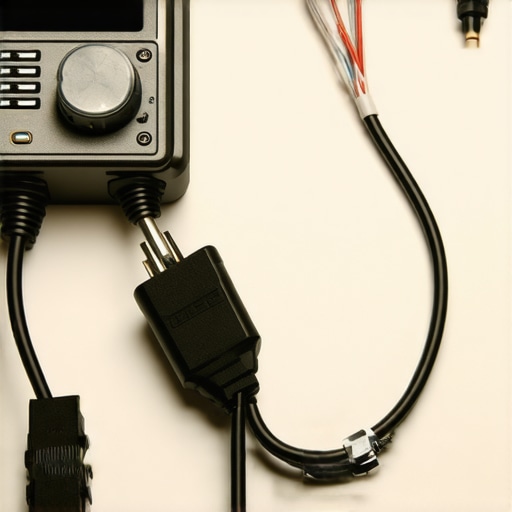
It was one of those frustrating mornings. I was halfway to work when suddenly, my car’s radio started crackling and pulsating like a bad heartbeat. No matter how much I fiddled with the dial or checked the antenna, the interference persisted. That tiny, inexplicable static drove me nuts—and I knew I wasn’t alone in this. Many car enthusiasts and daily drivers face this nagging issue, often without realizing a simple, inexpensive fix exists. Today, I want to share my lightbulb moment and how a ground strap costing less than ten bucks completely turned my radio headaches around.
The Hidden Power of a $10 Ground Strap
Many folks dismiss tiny components like ground straps as insignificant, but trust me, they play a crucial role in your vehicle’s electrical harmony. The moment I realized that a loose or corroded ground connection could cause radio static was a game-changer. After digging into auto repair forums and speaking with seasoned mechanics, I learned that this tiny strap acts like the direct communication line for your car’s electrical system. If it’s compromised, everything from your radio to your dashboard lights can go haywire. I was guilty of overlooking this little wire, replacing the entire stereo or getting new antennas when often, the fix was right under my nose.
This realization motivated me to experiment. And guess what? Replacing that ground strap for just a few dollars restored crisp, static-free radio reception. No more constant crackling—I was happier and more confident in my DIY skills.
But before you rush out and buy a strap, let me share some common concerns and how I addressed them. What if it’s not the ground strap? What if this fix isn’t worth the effort? Well, I’ve made plenty of early mistakes—like neglecting the importance of cleaning corrosion from contact points or assuming the problem was more complex than it really was. Trust me, fixing simple issues like this is often the most satisfying and cost-effective approach.
Are you tired of dealing with that persistent radio static? Do you suspect a cheap fix could solve it? Stick around—I’ll walk you through what you need to check and how to do it yourself, saving you time and money. And if you’re dealing with other electrical gremlins, I’ll suggest some related tips. But first, let’s address a common skepticism about ground straps and whether this trick really holds up in real life.
Locate the Ground Strap Easily
Start by opening your car’s hood and identifying the ground strap—it’s a small, usually flat wire connecting your vehicle’s body or chassis to the engine block. In my case, I found mine near the battery, attached with a bolt. I used a wrench to loosen the bolt holding the strap, making sure I had a clean, corrosion-free contact point. Remember, a good connection is key—if there’s rust or dirt, clean it off with a wire brush or sandpaper before proceeding.
Remove and Inspect the Old Ground Strap
Carefully detach the strap, noting if it’s frayed, corroded, or broken. In a real-life repair, a worn strap like mine was causing intermittent radio static. If it looks compromised, replace it with a new one costing less than ten bucks. When selecting a replacement, choose one with similar gauge and length to ensure proper conductivity.
Prepare a Clean Contact Surface
Before installing the new strap, ensure both connection points—on the chassis and the engine—are clean. Use a wire brush or fine sandpaper to scrub away corrosion or paint that could impede grounding. For critical connections, applying a dielectric connector grease helps protect against future corrosion and maintains a solid connection.
Install the New Ground Strap
Position the new strap in place, aligning it with the bolt holes. Tighten the bolt securely but avoid over-tightening, which could damage the strap or the mounting point. Double-check that the strap is snug and making good contact on both ends. In my experience, a firm connection restored clear radio reception, eliminating static altogether.
Test the Fix and Confirm Results
Start your vehicle and tune into your favorite radio station. Listen carefully for static or crackling. If the static persists, recheck your connections and clean contact points again. Often, a bit of patience and proper cleaning make all the difference. In my case, the static vanished instantly after ensuring a tight, clean ground connection—saving me time and money on unnecessary replacements.
Prevent Future Ground Issues
Regularly inspect your ground straps and contact points, especially if you notice electrical glitches or static returns. A quick check can catch corrosion early, preventing bigger issues down the line. Additionally, if your car’s electrical systems start acting up, consider consulting experts for a comprehensive diagnosis. You can find trusted local auto repair services at Collision Fixer. For ongoing maintenance tips, visit maximize your car’s lifespan with tune-ups.
Many car owners and even seasoned DIYers fall prey to misconceptions about auto repair, often leading to costly mistakes. One widespread myth is that all transmission problems require a full overhaul immediately. However, in my experience, many transmission issues can be resolved with targeted fixes like fluid changes or minor part replacements, which are far more cost-effective. Rushing into a full overhaul without proper diagnosis can drain your wallet unnecessarily. This is supported by studies from automotive experts indicating that proper diagnostics can save car owners thousands—see [here](https://collisionfixer.com/how-transmission-overhauls-save-you-money-in-the-long-run). Another assumption is that a tune-up only involves replacing spark plugs. In reality, a comprehensive tune-up may include inspecting ignition coils, updating software, and checking fuel injectors, which significantly impacts engine performance. Neglecting these nuances can mean missing out on vital improvements and wasting money. An often-overlooked area is the misconception that DIY repairs are always cheaper and better. While DIY can save money, complex issues—like sophisticated sensor calibrations—require specialized tools and knowledge. Wrong repairs can trigger the infamous “oops” moment, causing further damage or safety issues. For instance, improperly installed spark plugs can lead to engine misfires and damage, as explained [here](https://collisionfixer.com/3-signs-your-spark-plugs-were-installed-incorrectly). Addressing advanced repair nuances involves understanding that your car’s electrical system and sensors are interconnected in ways that simple replacements don’t cover. Missing these details might seem harmless but can cause persistent issues or even safety hazards. So, how do you avoid falling into these traps? Consulting trusted professionals, especially for complex tasks like transmission diagnostics or electronic calibrations, is often the wisest choice. Regular, expert auto service, as also recommended by Collision Fixer, can extend your vehicle’s lifespan and prevent costly surprises. Remember, knowing what truly impacts your vehicle’s health rather than relying on myths or superficial fixes is key to smart maintenance. Have you ever fallen into this trap? Let me know in the comments!”}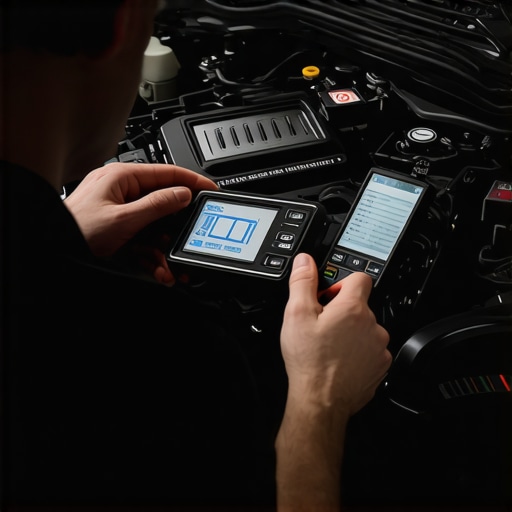 }
}
How do I maintain my car tools and stay prepared for repairs?
Maintaining your auto repair tools is just as crucial as using them correctly. I personally rely on a comprehensive set of high-quality, metric-specific wrenches and screwdrivers, such as the Snap-on or Craftsman brands, because their durability ensures precise work without slipping or stripping fasteners. Regularly cleaning your tools with a degreaser and storing them in a dedicated toolbox prevent rust and ensure longevity, saving you money in the long run. Additionally, I keep a dedicated portable LED work light in my kit, which dramatically improves visibility in tight or poorly lit spaces, making diagnostics and repairs safer and more accurate.
What software do I use for car diagnostics and why?
For proactive maintenance, I recommend investing in an OBD-II scanner like the Autel MaxiCOM MK808. It provides comprehensive code reading, live data telemetry, and even active tests, allowing me to identify issues early before they turn into costly repairs. These tools are becoming more sophisticated, with features like Bluetooth connectivity to analyze data on your smartphone for quick diagnostics. As automotive technology advances, tools that integrate check engine data with repair databases streamline the process, ensuring I’m fixing the root problems efficiently.
Future trends in auto repair tools and maintenance
Looking ahead, I believe the integration of AI-powered diagnostics will revolutionize how we approach vehicle maintenance. Software that can predict component failures based on driving habits and sensor data will become standard, reducing downtime and repair costs. Already, some manufacturers are working on predictive maintenance platforms that notify you via your smartphone about upcoming issues, minimizing surprises. Staying updated with these emerging technologies can help DIYers and professionals alike keep their vehicles in peak condition for longer, especially with tools that offer real-time analytics and remote diagnostics.
How can I keep my car running smoothly over the years?
Consistent maintenance is the key to long-term reliability. Regularly scheduled tune-ups—like checking spark plugs, timing, and fluid levels—are essential. For instance, ensuring your transmission fluid is at proper levels, and replacing it every 30,000 to 60,000 miles, can prevent costly overhaul scenarios. You might consider consulting tips found at this guide on maximizing your car’s lifespan. Also, investing in high-quality replacement parts, verified through resources such as reliable service tips, can make a significant difference in durability and performance.
For ongoing maintenance, I suggest creating a detailed log of repairs and check-ups. Noting when parts are replaced helps anticipate upcoming needs, avoiding unexpected breakdowns. Additionally, using trusted synthetic oils, like Full Synthetic Mobil 1, can improve engine health and fuel efficiency. Sometimes, simple measures like keeping your battery terminals clean or inspecting belts and hoses monthly can prevent major issues down the road.
Ultimately, adopting a proactive approach, coupling the right tools with consistent care, will ensure your vehicle remains dependable for years to come. If you’re ready to take your maintenance to the next level, try out the advanced diagnostic techniques discussed above. Remember, a well-kept car isn’t just about avoiding breakdowns; it’s about enjoying peace of mind every time you hit the road. To get personalized advice or professional assistance, consider reaching out to experts at Collision Fixer.
,
The Hardest Lesson I Learned About auto repair,car service,transmission,tune up,collisionfixer
One of the most valuable lessons I discovered was that sometimes, the tiniest components hold the key to complex problems. Early on, I believed that expensive parts or professional diagnostics were always necessary. But I found that paying attention to small details — like cleaning corrosion from a ground strap or inspecting simple wiring issues — can save a lot of time and money. Listening to seasoned mechanics taught me that big fixes often stem from overlooked minor connections, and embracing this mindset transformed my approach to vehicle maintenance.
My Essential Toolkit for auto repair,car service,transmission,tune up,collisionfixer
Having reliable, quality tools is a game-changer. I swear by brands like Snap-on and Craftsman because their durability ensures precise work, especially when dealing with sensitive electrical components or tight spaces in modern vehicles. A good wire brush for cleaning contact points, a set of metric wrenches for various fasteners, and a portable LED work light are irreplaceable. These tools empower me to diagnose issues confidently and perform repairs that last, making my DIY efforts more satisfying and effective.
What Experts Won’t Tell You About auto repair,car service,transmission,tune up,collisionfixer
Many professionals keep certain tips close to the chest — but I’ve learned from experience that understanding how auto systems interconnect can save you headaches. For example, a quick check of your ground connections or a simple fluid top-off might resolve issues that appear like complex failures. Moreover, some myths, like the idea that DIY repairs are always cheaper, can be pitfalls if you don’t recognize when to seek expert help. For tricky tasks like electronic calibrations or transmission diagnostics, trusting specialists and knowing where to get honest advice at Collision Fixer can prevent costly mistakes and prolong your vehicle’s lifespan.
Don’t Hesitate: Your Car’s Future is Bright
Taking charge of simple repairs like replacing a ground strap or checking fluid levels doesn’t just fix immediate problems — it builds your confidence as a vehicle owner. Remember, auto maintenance isn’t about grand gestures but consistent, small acts of care. By staying observant and proactive, you ensure your car remains reliable and safe on the road. Embrace the challenge, learn from experienced DIYers, and don’t be afraid to experiment with tools and techniques outlined here. Your car’s health is an investment — and every small fix is a step toward long-term peace of mind.