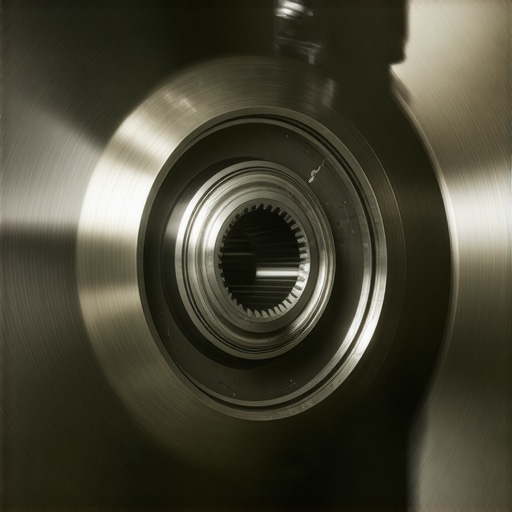
Have you ever experienced that strange humming or grinding noise creeping in when you’re cruising down the highway, only to brush it off as road noise or something trivial? I remember the day I first noticed it—my car felt a bit off, but without any obvious warning signs, I hesitated to call it a problem. That lightbulb moment hit me hard: I was ignoring a silent warning that could spell big trouble if left unchecked.
The Silent Clues Your Wheel Bearing is Giving You
It’s easy to dismiss unusual sounds or vibrations, but understanding the subtle signs of a failing wheel bearing can save you hefty repair bills and keep you safe on the road. Many drivers miss the most critical indicators because they’re distracted or unaware. Today, I’ll help you recognize these signs early—so you won’t be caught off guard like I was.
Is It Really Worth Worrying About?
One common mistake I made early on was assuming that minor noises were just normal wear and tear. I didn’t realize that neglected wheel bearings could lead to wheel detachment or brake failure—very dangerous scenarios. According to industry experts, neglecting wheel bearing issues can result in costly accidents or repairs if not addressed promptly (source). That’s why paying attention to your car’s signals is crucial. We’ll delve into how to identify these signs and what steps to take next, so stay tuned.
Start with a test drive to feel for vibrations
Imagine steering a shopping cart with a loose wheel—the wobbling sensation makes you cautious. Similarly, during a test drive, pay close attention to any wobbling, pulsations, or strange noises. I once took my car for a quick spin after noticing a slight humming, and as soon as I hit 40 mph, the steering felt a bit off, signaling a possible wheel bearing problem. This immediate feedback helps you identify if further inspection is necessary.
Conduct a visual inspection for damage and wear
Pop the hood and examine the wheel assembly closely. Look for uneven tire wear,-excessive play in the wheel hub, or any lubricant leaks around the hub area. Remember, just like a worn-out shoelace weakens the entire shoe, a damaged wheel bearing impacts your entire suspension system. This step prevents you from overlooking obvious issues that might require professional repair.
Perform the ‘Jack Test’ for bearing looseness
Secure your vehicle on a flat surface, jack up the wheel in question, and grasp it at the 12 and 6 o’clock positions. Wiggle the wheel side to side, applying firm pressure. Any noticeable play indicates a worn bearing. I once jacked up my front wheel, felt a slight looseness, and then visited a mechanic. The repair was straightforward, saving me from a costly breakdown later on, and reinforces how simple tests can preempt disaster.
Listen for noise during a spin test
Spin the wheel by hand or gently roll it while the car is lifted. Pay attention to grinding, clicking, or humming sounds. These noises resemble a bicycle chain squeaking after a long ride, indicating internal damage. In my case, hearing a consistent grinding sound prompted an immediate visit to the repair shop, where a new wheel bearing was installed for less than what a roadside breakdown would cost.
Schedule professional diagnosis when in doubt
If any of these signs appear, don’t delay contacting expert auto repair specialists. They have the precise tools and experience to diagnose issues accurately. Think of it as consulting a doctor rather than self-medicating—an investment that maintains your safety and prolongs your vehicle’s lifespan. To ensure your car remains reliable, consider regular maintenance and checks, like tune-ups, which you can explore at this link. Proper maintenance now prevents costly repairs down the road, especially with critical components like wheel bearings.
Many car owners operate under a series of misconceptions that can lead to costly mistakes and overlooked issues. One common myth is that all auto repairs are equal in importance; however, some issues, like neglected transmission maintenance, silently undermine your vehicle’s longevity and safety. For instance, many believe that regular oil changes suffice for transmission health, but advanced problems require specific overhauls to prevent catastrophic failure (see how transmission overhauls save money).
Why do people overlook subtle signs of transmission trouble?
It’s a trap to dismiss minor slipping or delayed engagement as normal. In reality, these are early indicators of serious internal damage that, if caught early, can be repaired affordably. Relying solely on the “if it ain’t broke, don’t fix it” mentality can backfire dramatically—leading to complete gear failure. Recognizing this nuance is crucial for proactive maintenance. Additionally, many underestimate the impact of uneven tire wear caused by suspension issues, which can accelerate transmission wear. Regular inspections can help catch these issues before they cascade into expensive repairs.
Another widespread misconception concerns the importance of routine tune-ups. Some drivers view tune-ups as outdated or unnecessary, but modern vehicles benefit significantly from scheduled maintenance that includes diagnostics and system recalibration. These proactive steps help prevent unexpected breakdowns and extend vehicle lifespan (discover how tune-ups can prolong your car’s life).
One of the more insidious mistakes is ignoring the significance of tiny warning signs—like faint grinding noises or subtle vibrations—and waiting until a warning light illuminates. Often, these symptoms are early signals of critical components failing, which can be remedied easily if diagnosed in time. For example, a small vibration during acceleration may indicate differential or axle issues that, if ignored, could lead to complete drivetrain failure. The key lies in understanding that these nuances often distinguish a minor fix from a major overhaul.
Furthermore, relying solely on DIY repairs without understanding the underlying complexity, especially with systems like the transmission, can be dangerous. While minor coolant flushes or oil changes are manageable, complex components demand professional diagnosis and repair. Services like expert auto repair are equipped with the right tools and expertise to prevent misdiagnosis, which could worsen the problem (know when to seek expert help).
Finally, many overlook the importance of comprehensive vehicle assessment that includes both visual inspections and diagnostic scans. Modern cars are packed with sensors that monitor system health constantly. Ignoring these signals, or dismissing them as false alarms, risks missing early failure points. Regular diagnostics can reveal issues like early transmission sensor failures or coolant leaks, which can be resolved before they escalate.
So, the lesson is clear: account for the subtle nuances in your vehicle’s behavior and don’t fall for the myths that undervalue preventative maintenance. Recognizing these signs and acting accordingly can save you thousands. Have you ever fallen into this trap? Let me know in the comments. Remember, staying informed and proactive is your best defense against costly auto repairs.
Keeping Your Car in Top Shape: Tools You Can Trust
Maintaining a vehicle’s performance over the long term requires more than just the right know-how; it demands the use of precise, high-quality tools that enable effective diagnostics and repairs. Personally, I swear by a few essential pieces of equipment that have saved me time, money, and headaches. These tools give me the confidence to handle everything from routine tune-ups to complex transmission overhauls.
Invest in a Digital Torque Wrench
This isn’t just for mechanics—it’s crucial for anyone serious about auto maintenance. Unlike manual torque wrenches, digital variants provide accurate readings, ensuring fasteners are tightened to manufacturer specifications, which is vital for components like wheel bearings or transmission assemblies. I use a GearWrench Electronic Torque Wrench because its precision prevents over-tightening that can damage parts or under-tightening that risks failure. Consistent torque application prolongs component lifespan and maintains safety.
Use an OBD-II Scanner for Immediate Diagnostics
Modern vehicles rely heavily on electronic systems. My go-to device is the BlueDriver Bluetooth Professional OBD2 Scan Tool, which I connect to my smartphone. It quickly identifies trouble codes and provides detailed explanations, allowing me to decide whether an issue requires professional attention or simple fixes. Regular diagnostics can catch early signs of transmission problems, saving you from costly repairs later (see how transmission overhauls save money).
Prepare with a Quality Multimeter
A solid multimeter helps verify the electrical health of your vehicle. I prefer a digital model with auto-ranging capabilities because it simplifies testing circuits or sensors, such as those controlling the steering angle or transmission solenoids. Regular electrical checks ensure components like sensors and wiring harnesses stay in good condition, preventing breakdowns and ensuring optimal performance.
Employ a Good Jack and Stands for Safety
Never underestimate the importance of safety when working under your car. I recommend using a hydraulic lift if possible; otherwise, a sturdy jack paired with reliable jack stands is essential. Proper support prevents accidents and allows you to perform inspections or repairs, such as replacing wheel bearings or inspecting transmission leaks, with confidence.
Future of Auto Maintenance Tools
In the coming years, I anticipate a surge in AI-driven diagnostics and wireless sensor monitoring. These advancements will make routine maintenance even more straightforward, catching issues before symptoms become noticeable. Staying ahead requires investing in evolving technology; for now, a combination of digital tools and traditional mechanical skills remains your best approach.
How do I maintain my tools over time to ensure accuracy?
Regular calibration is key—especially for precision instruments like torque wrenches and multimeters. Follow manufacturer guidelines for calibration intervals, and when in doubt, have your tools professionally serviced. Keeping your tools clean and stored in protective cases prevents damage and preserves their accuracy, ensuring that your repairs are safe and effective. Remember, a well-maintained toolbox is an investment in your vehicle’s longevity—making minor repairs now can save thousands later.
If you’re serious about safeguarding your car’s transmission or tackling complex repairs, consider upgrading to high-end diagnostic software and precision tools. Skilled DIYers often find that these investments are justified by the peace of mind and quality repairs they provide. For more detailed advice on maintaining and upgrading your repair arsenal, reach out through our contact page.
The Hardest Lesson I Learned About collisionfixer,car service,auto repair,transmission,tune up
- One mistake I made early in my DIY journey was ignoring subtle signs like a slight vibration during acceleration, thinking it was just uneven tire wear. It turned out to be an internal transmission issue that could have been caught early with proper diagnostics, saving me hundreds.
- Another lesson was underestimating the importance of routine tune-ups. Regular checks, like those discussed here, are invaluable for catching emerging problems before they escalate into costly repairs, especially with critical components like wheel bearings and transmissions.
- I also learned that investing in quality diagnostic tools, such as an OBD-II scanner, empowers me to assess my vehicle’s health accurately. It’s helped me avoid unnecessary trips to the mechanic and acted as a first line of defense against unexpected breakdowns.
My Secret Weapons for Car Care That Actually Work
- Digital Torque Wrench: Precise tightening of wheel bolts prevents premature bearing failure. I trust a reliable digital torque wrench to get it right every time.
- OBD-II Diagnostic Scanner: Quick trouble code readings give me peace of mind. The BlueDriver Bluetooth Scan Tool is my go-to, and it saves me from costly misdiagnoses.
- Multimeter: Ensuring electrical systems are functioning correctly has saved me from weird engine behaviors. A sturdy, auto-ranging model is worth every penny.
- Quality Jack and Stands: Safety underpins all repairs. Proper support has prevented accidents and made my DIY repairs more confident and efficient.
Take Charge Before Things Spiral Out of Control
Every journey towards mastering collisionfixer, car service, and auto repair begins with a single step—being proactive. Regular inspections, trusted tools, and a keen ear for lurking issues can keep your vehicle running smoothly and safely. Remember, a small investment in knowledge and equipment today can prevent a financial and safety crisis tomorrow. Your car’s health is in your hands; don’t wait for warning lights to light the way. What early signs have you overlooked or caught early? Share your experiences below and let’s learn from each other.