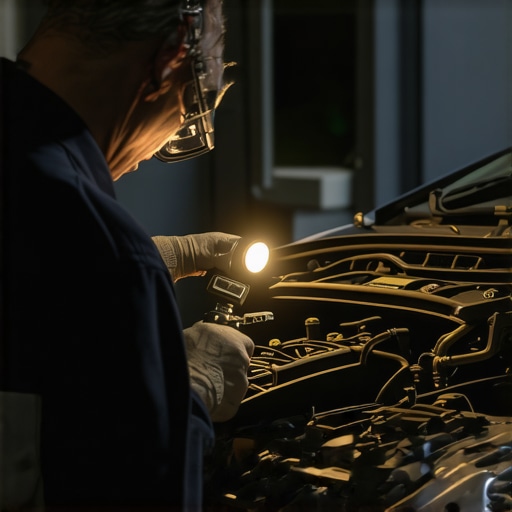
Ever experienced that sinking feeling when your car suddenly starts behaving oddly, especially during idle? I remember the first time my engine began to stumble and shake, making me question if I was on the brink of a costly repair. It was a frustrating moment—like trying to hear a whisper in a thunderstorm. But what if I told you that diagnosing such a problem isn’t as daunting as it seems? Today, I want to share my journey of discovering a vacuum leak that caused my rough idle, and more importantly, how you can do the same.
Why a Rough Idle Can Feel Like a Mystery That’s Hard to Solve
There’s nothing quite as unsettling as your engine misfiring or idling roughly, especially when you’re just trying to get through a normal day. These symptoms can stem from various issues—bad spark plugs, dirty fuel injectors, or maybe a clogged air filter. But one sneaky culprit often overlooked is a vacuum leak. It can cause uneven idling, poor acceleration, and even fuel efficiency problems.
Initially, I ignored the warning signs, assuming it was just a minor glitch. But soon, I noticed my engine running rougher at stoplights, and that familiar feeling of unpredictability set in. That’s when I realized—ignoring this could lead to bigger problems down the road.
The good news? Diagnosing a vacuum leak is often straightforward and affordable, if you know what to look for. By understanding the signs and knowing how to test for leaks, you can save yourself not only money but also the hassle of unexpected breakdowns. Plus, it’s a satisfying DIY project that boosts your confidence as a car owner.
In this post, I’ll walk you through my step-by-step journey to locate that elusive vacuum leak, share common mistakes to avoid, and point you toward reliable methods to fix it. If you’re tired of that rough idle, stay tuned—help is on its way.
Is It Really Worth the Effort To Find a Vacuum Leak?
At first, I was skeptical. I worried it might be too technical, or that I would end up replacing unnecessary parts. My early mistake was leaning on guesswork instead of proper diagnosis, which only prolonged the frustration. But I learned that with a bit of patience and the right tools, locating a vacuum leak isn’t just doable—it’s rewarding.
If you’ve faced similar struggles, or if your car’s inconsistent idle is wearing on your nerves, know that you’re not alone. Many car owners find themselves at this crossroads, and with a little guidance, you can turn a confusing problem into a manageable fix.
Now, let’s dive into how I discovered the leak and how you can do the same. And remember, if you’re unsure or uncomfortable with any step, don’t hesitate to reach out to trusted auto professionals—[collisonFixer](https://collisionfixer.com/contact-us) is always ready to help if things get tricky.
Ready to get your engine running smoothly again? The next section covers the tools you’ll need and the initial checks that will set you on the right path.
Start with a Visual Inspection of Hoses and Connections
My first practical step was to open the engine bay and look for cracked, disconnected, or worn vacuum hoses. Using a flashlight, I examined each bend and connection, checking for signs of wear or damage. In my case, I noticed a cracked hose near the intake manifold that was slightly detached. Replacing this hose immediately restored smoother idling and prevented rough stalls.
Use a Spray Test to Identify the Leak
I employed a simple method: with the engine running, I carefully sprayed carburetor cleaner or even water around the intake manifold and vacuum lines. If there’s a leak, the engine’s RPM will temporarily change as the spray enters the leak. For my car, I sprayed around the intake gasket and heard a slight change in engine tone, indicating the leak’s location. This step is highly effective for pinpointing hard-to-spot leaks.
Apply Soapy Water for Leak Detection
Another handy technique is to spray soapy water over suspect areas. If bubbles form while the engine runs, you’ve found the leak. I used a spray bottle with soapy water on the vacuum hose connections and air intake seal. Seeing bubbles at a specific connection told me exactly where to focus my repair efforts, saving me from replacing parts blindly.
Check for Loose or Cracked Intake Manifold Gasket
I physically examined the gasket area, feeling for any looseness or damage. With a torque wrench, I verified that bolts securing the intake manifold were properly tightened, and I replaced the gasket when cracks were evident. This step is crucial because a compromised gasket can cause persistent leaks and rough idling.
Listen for Hissing Sounds During Idle
In my experience, gently listening for a hissing or whistling noise around the engine bay during idle can reveal a vacuum leak. I used a mechanic’s stethoscope or a long screwdriver pressed gently to suspected areas, placing my ear near the handle. Hearing a hissing sound pointed directly to where air was entering the system uncontrollably.
Test with a Smoke Machine for Precise Leak Location
If available, a smoke machine is a professional’s secret weapon. It forces smoke into the intake system, revealing leaks with visible smoke escaping from cracks or disconnected hoses. I once rented a smoke tester from an auto parts store and quickly visualized the tiny leak I previously missed, making my repair precise and effective. This method is especially useful for complicated or hidden leaks.
Ensure Proper Fuel System and PCV Valve Conditions
While focusing on vacuum lines, I also checked related components like the PCV valve and fuel pressure regulator, as they impact engine vacuum. A clogged PCV valve can mimic vacuum leak symptoms. Cleaning or replacing these parts can resolve rough idle issues linked to vacuum problems.
Reattach and Secure Everything
After locating the leak, I reconnected loose hoses and replaced cracked ones with high-quality, heat-resistant hoses. Using clamps, I secured all connections tightly to prevent future issues. Proper sealing ensured my engine ran smoothly without the engine stumbling or hesitating at stops.
Test Drive to Confirm Fix
Finally, I took the car for a test drive, paying attention to engine behavior at idle and under acceleration. When everything was sealed correctly, the engine maintained a steady idle, and I felt confident in my repair. Monitoring the engine during different conditions confirmed the success of my vacuum leak diagnosis and fix.
Addressing a vacuum leak isn’t just about quick fixes; it requires a methodical approach that saves time and money. These steps, combined with patience and attention to detail, help you solve rough idling problems effectively. If you encounter issues beyond simple hose replacements, consult a professional or visit CollisionFixer for expert assistance.
When it comes to automotive maintenance, many car owners operate under misconceptions that could lead to unnecessary costs or incomplete repairs. For example, a widespread myth is that frequent oil changes alone guarantee a long engine life. While regular oil changes are essential, neglecting other critical components like transmission systems or cooling systems can be equally detrimental. Advanced vehicle systems are increasingly integrated; thus, focusing solely on basic maintenance overlooks the complex interplay that keeps your car running smoothly.
Another false belief is that all auto repairs are universally expensive. In reality, understanding the nuanced differences between parts, repair techniques, and the expertise required can help you avoid inflated costs. For instance, opting for a DIY fix without proper diagnostics might temporarily patch the problem but cause long-term damage, especially if the issue involves crucial elements like your transmission. Professionals like CollisionFixer emphasize the importance of precise diagnostics to determine the root cause before proceeding with repairs, saving you money and preventing further damage.
Beware of the trap where people assume that all mechanics are equally qualified. Not all repair shops use the same quality parts or adhere to manufacturer standards. Some technicians might recommend unnecessary parts or services, capitalizing on customer uncertainty. It’s vital to seek an auto repair shop with proven expertise, especially for complex issues like transmission overhauls, which can be a significant investment. As discussed in their detailed guides, proper transmission maintenance can prevent costly overhauls and extend your vehicle’s lifespan.
A common misunderstanding pertains to tune-ups: many believe they are only for older vehicles or only involve replacing spark plugs. However, modern vehicles benefit from comprehensive tune-up routines, including sensor cleaning and system recalibration, which can improve performance and fuel efficiency. Regular tune-ups, as highlighted in expert articles, are a proactive approach to identify potential issues early, especially in intensive driving conditions.
Now, let’s address a critical question that often confuses enthusiasts and skeptics alike: How do advanced diagnostics impact repair accuracy?
Advanced diagnostics, like those used by CollisionFixer, utilize sophisticated tools such as scanner technology and system analysis software, which can detect issues that traditional visual inspections miss. These tools interpret data from various sensors, providing insights into the health of transmission, engine, and onboard electronics, thus preventing misdiagnosis. As an example, a vehicle might exhibit symptoms similar to a transmission problem, but diagnostics could reveal a sensor malfunction causing miscommunication, leading to a simpler and cheaper fix. This approach not only saves money but also ensures you’re addressing the true cause.
Recognizing these nuances helps redefine your perspective on car maintenance—from reactive to proactive care. Don’t fall into the trap of believing that quick fixes or generic advice suffice; instead, invest in expert diagnostics and tailored solutions. For reliable assistance, consider reaching out to specialists like CollisionFixer, who are well-versed in complex repairs and preventive maintenance. Want to avoid costly surprises? Regularly review your vehicle’s health with professional checks and stay informed about the latest repair techniques.
Have you ever fallen into this trap? Let me know in the comments.Maintaining your vehicle’s performance over time requires more than just basic knowledge; it demands the right tools, consistent methods, and a proactive approach. From diagnostic software to specialized equipment, I’ll share the exact tools I personally rely on to keep my cars running smoothly, save money, and avoid unnecessary repairs.
Investing in Quality Diagnostic Tools for Long-Term Reliability
My first recommendation is a reliable code scanner that can read and clear engine trouble codes. I use the Autel MaxiCOM MK808 because it connects seamlessly with most vehicles, provides comprehensive diagnostics, and updates regularly through a user-friendly app. This tool allows me to identify issues early, such as transmission sensor faults or fuel system glitches, before they escalate into costly repairs. Unlike generic code readers, this device offers live data streaming, making it easier to monitor engine parameters and plan maintenance effectively.
Harnessing the Power of Software for Precise Service Scheduling
Beyond physical tools, I rely on professional-grade software like Mitchell 1 or ALLDATA. These platforms provide detailed repair procedures, maintenance schedules, and technical service bulletins that are invaluable for any DIY enthusiast or professional mechanic. I particularly appreciate their ability to generate tailored maintenance plans based on my vehicle’s make, model, and mileage, optimizing the lifespan of components such as the transmission or cooling system. As modern vehicles become increasingly integrated, staying current with software updates ensures my diagnostics remain accurate and comprehensive.
Using Specialty Equipment for Fine-Tuned Adjustments
For tasks like transmission adjustments or suspension alignment, specific equipment is essential. I recommend a good torque wrench calibrated regularly—like the Tekton 1/2-inch drive model—for tightening bolts to manufacturer specifications. This precision prevents over-tightening, which can crack components or affect performance. Additionally, a smoke machine, which I rent from local auto parts stores, helps locate leaks in vacuum lines or intake gaskets—a step I consider critical for long-term engine health and efficiency. Mastering its use can prevent issues like rough idling or surging, saving you money and time.
The Future of Car Maintenance Tools and Methods
Technological advancements point toward more integrated diagnostic systems, augmented reality overlays for repairs, and machine learning algorithms predicting failures before symptoms appear. Automation and AI-driven diagnostics will streamline maintenance workflows, making advanced tools more accessible to everyday car owners. Staying adaptable and investing in evolving technology today positions you for smoother, more efficient maintenance in the future.
How do I maintain my tools over time?
Regular calibration and proper storage are vital for maintaining tool accuracy. Keep diagnostic devices updated with the latest software, and store specialty equipment in a clean, dry environment. Replace worn-out tool accessories promptly to ensure safety and effectiveness. Adopting a routine check for your equipment, much like your vehicle’s scheduled maintenance, sustains their reliability and prolongs their lifespan. For detailed guidance on extending your tools’ service life, visit this resource.
Lessons That Transformed My Approach to Car Care
One of the most eye-opening lessons I learned was the importance of patience and methodical testing. Rushing to replace parts without proper diagnosis often leads to wasted money and time. Now, I always start with simple inspections and gentle tests, which save me headaches and keep my vehicle running reliably.
Another insight was realizing that some problems seem complex but have straightforward solutions. Identifying a vacuum leak, for instance, can be as simple as listening for a hissing sound or using soapy water—techniques I embrace rather than relying solely on pricey diagnostic tools.
I also discovered that understanding the basics, like checking hoses and seals, empowers me to troubleshoot effectively before seeking professional help. This knowledge not only saves money but builds confidence in my ability to care for my vehicle.
My Go-To Resources for Car Troubleshooting
For anyone serious about auto repairs, maximizing your car’s lifespan with regular tune-ups is essential reading. It emphasizes preventative maintenance, which can often avoid even more costly repairs down the line.
When it comes to diagnosing specific issues like vacuum leaks or transmission hiccups, I rely on professional code scanners such as the Autel MaxiCOM MK808. Their comprehensive features and ease of use give me confidence that I’m making informed decisions. For more in-depth fixes, consulting detailed guides from trusted sites ensures that I’m equipped with the latest knowledge, saving time and money.
If you want to boost your diagnostic skills, learning from real repair stories can provide practical insights that textbooks often overlook.
Your Next Step Toward a Smooth Ride
Embarking on DIY repairs like locating a vacuum leak is incredibly rewarding and empowering. It nurtures a proactive attitude and reduces dependence on expensive service visits. Remember, every small fix adds up to a long-term benefit—more reliable performance, better fuel efficiency, and peace of mind.
Ready to take charge of your vehicle’s health? Start with simple inspections and expand your toolkit as you gain confidence. If complex issues arise, don’t hesitate to reach out to experts at CollisionFixer. Making informed decisions today keeps your car running smoothly tomorrow.