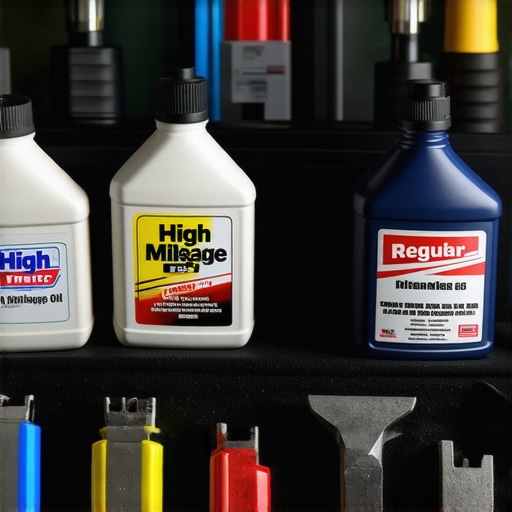
Ever found yourself standing in the auto parts aisle, flicking between bottles of conventional oil and those bold, high-mileage options? I remember that moment vividly. I was battling a sluggish engine and the nagging idea that maybe my car needed something special. After a quick search, I dove into the world of high-mileage oils, only to realize I was about to spend more money without truly knowing if it was necessary. That lightbulb moment made me question: Is high-mileage oil genuinely worth the extra bucks? And more importantly, how can I tell if my car actually needs it?
The Real Deal About High-Mileage Oil and Your Car
Here’s what I’ve learned through trial, error, and a bit of research. High-mileage oils are specially formulated with conditioners and sealants designed to rejuvenate aging engine components. They claim to reduce leaks, minimize oil consumption, and extend engine life. But do they live up to all that hype? More importantly, are they worth the extra money every time your odometer hits a certain number? These questions matter because, let’s face it, we’re all trying to get the most bang for our buck while keeping our vehicles reliable and safe.
Is High-Mileage Oil Actually Worth the Hype?
In my early days of car ownership, I made a mistake I now see many others make. I automatically reached for the high-mileage variant at every oil change, assuming it was always better for my aging car. Turns out, that’s not always the case. Sometimes, conventional oil works just fine, especially if your engine is relatively new or in good condition. Overpaying for high-mileage oil when it isn’t needed is a common mistake I made—one that can cost you extra without tangible benefits. To make informed choices, it’s crucial to understand your vehicle’s specific needs. Want to learn more about signs your car needs expert attention? Check out this list of telltale signs.
Start with a Clear Inspection Routine
Before jumping into repairs or maintenance, perform a systematic visual check of your vehicle. Look for leaks, worn belts, cracked hoses, or rust spots. During my first DIY oil change, I learned that thoroughly inspecting the engine bay saved me from future issues. Use a flashlight to spot hidden problems and familiarize yourself with normal engine components to spot anomalies quickly.
Gather Essential Tools and Supplies
Equip yourself with basic tools: socket set, screwdrivers, pliers, and a jack. Also, have quality replacement parts and fluids ready, like oil, coolant, and filters. This preparation ensures smooth progress and prevents unnecessary trips to the store. When I changed my coolant, having the right funnel and gloves made the task cleaner and safer.
Follow Step-by-Step Repair Guides
Leverage detailed tutorials and videos specific to your vehicle model. For example, if your brakes squeal, consult guides that show how to replace brake pads or adjust rotors. I once replaced my serpentine belt following an online guide, which helped me understand the belt routing and tensioning process, preventing slippage or damage.
Practice Proper Safety Measures
Always secure your vehicle on level ground, use wheel chocks, and wear safety glasses and gloves. Disconnect the battery when working on electrical parts to prevent shorts. During my first battery replacement, careful handling and safety checks avoided accidental shocks or short circuits.
Perform Routine Maintenance Tasks
Regularly change oil and filters, rotate tires, and check fluid levels to keep your vehicle running smoothly. A consistent schedule, like every 5,000 miles for oil changes, prolongs engine life. I set reminders on my phone to stay disciplined, noticing improved performance and fewer breakdowns over time.
Diagnose Common Issues with Basic Tools
Invest in an OBD-II scanner to read error codes accurately. For instance, if your engine warning light appears, scanning the codes guides your repairs. I once diagnosed a misfire myself after reading a P0300 code, then replaced spark plugs without costly mechanic visits.
Address Problems Promptly
Ignoring small issues can lead to bigger, costly repairs. If you notice unusual vibrations or noises, tackle them early. For example, fixing a leaking power steering hose prevented fluid loss and steering failures. Quick action keeps your costs low and vehicle reliable.
Know When to Seek Professional Help
While DIY fixes are empowering, some tasks—like transmission overhaul—are complex. Use guides and criteria, like difficulty level or safety risks, to decide when to consult a professional. If diagnostics point to transmission issues, reading about the benefits of transmission overhauls can help you understand reparative limits.
Many car owners believe they understand everything about professional auto repair, but there’s a lot of misdirection that can lead even seasoned drivers astray. A common misconception is that all repair shops are equal, but in reality, the quality of service varies widely, influencing both safety and long-term costs. For instance, some think that cheaper repairs are always better value, yet cutting corners often results in subpar work that could cause further issues, especially if the shop uses low-quality parts or improper techniques. According to a study by the Automotive Service Association, consistent quality over price is crucial for vehicle longevity and safety.
Why do so many people overlook the importance of proper transmission overhauls?
Transmission systems are complex, and many drivers underestimate the nuance involved in proper servicing. A quick fluid change, for example, might seem sufficient, but neglecting a full overhaul when needed can lead to catastrophic damage, such as those detailed in this comprehensive guide. Common mistakes include delaying overhaul until symptoms become severe—what many consider a ‘quick fix’ often turns into costly repairs if ignored. Advanced diagnostics and understanding the signs of impending transmission failure are critical for maintaining vehicle health.
Another hidden trap is assuming tune-ups are simply about replacing spark plugs. Modern engines require a nuanced approach, considering sensors and computer diagnostics to optimize performance. Skipping detailed tune-up procedures can lead to inefficient fuel use and increased emissions. For example, cleaning intake manifolds, as discussed here, can restore lost horsepower often attributed to neglecting such maintenance.
Is routine car service truly necessary for modern vehicles?
Some believe that regular service intervals are outdated, especially with the advent of longer-lasting synthetic oils and advanced materials. However, neglecting routine maintenance can mask underlying issues like worn clutches or failing sensors, which, if left unaddressed, cause more damage. Regular inspections and services, as emphasized here, serve as proactive measures to prevent costly repairs down the line. Remember, vehicles are intricate machines; ignoring their needs leads to premature breakdowns and safety risks.
So, what about the myth that professional repairs are always guaranteed? Not necessarily. The quality of work adopts a spectrum, and as a cautious car owner, verifying certifications, reviews, and warranties can save money and stress. Don’t just settle for the first quote—doing your homework ensures you get the best value and safety for your investment. Have you ever fallen into this trap? Let me know in the comments.
Tools That Keep Your Car Running Smoothly for Years
Maintaining your vehicle’s health over the long haul requires more than just basic intuition; it hinges on having the right equipment and understanding how to use it effectively. I’ve found that investing in quality tools not only streamlines repairs but also saves money by preventing trips to the mechanic for minor issues. For example, a reliable diagnostic scanner has become indispensable in my toolkit, allowing me to read engine codes quickly and understand what’s happening under the hood without guesswork. This proactive approach means fewer breakdowns and a longer vehicle lifespan.
Why a Good OBD-II Scanner Matters for DIY Diagnostics
Unlike generic code readers, a professional-grade OBD-II scanner provides real-time data and detailed fault codes, guiding you toward precise repairs. I personally prefer models that connect via Bluetooth to my smartphone, enabling me to monitor under-the-hood metrics while working. Regularly updating the scanner’s firmware ensures compatibility with the latest vehicle systems, which is crucial as newer models integrate more advanced electronics. Practicing regular diagnostics with this tool helps catch issues early—before they escalate into costly repairs—making it an essential part of my day-to-day maintenance.
Powerful Equipment That Makes Transmission Maintenance Easier
Transmission overhauls are complex, but having the right tools demystifies the process. A quality transmission fluid exchange kit paired with a digital torque wrench ensures proper installation without damaging delicate components. I also recommend a transmission cooler pressure tester for verifying that modifications don’t cause overheating, safeguarding your investment. According to technical guidelines from industry experts, precise torque application during assembly considerably extends transmission life, so investing in these tools is a long-term cost-saving move.
Keeping Your Tools in Top Shape Is Crucial
Tools are only as good as their maintenance. Regularly cleaning and lubricating your wrenches and screwdrivers ensures accuracy and longevity. Storing them in a dedicated toolbox prevents rust and damage, making repairs or diagnostics faster when the need arises. I personally use a magnetized tray to keep small fasteners organized during repairs, reducing the risk of losing critical components. Additionally, conducting periodic calibration checks on digital tools maintains their precision—especially vital when performing critical tasks like setting camshaft timing or calibrating sensors.
Future Trends in Automotive Repair Equipment
Emerging technologies promise even smarter tools—think augmented reality glasses for step-by-step guides or machine learning-powered diagnostic systems that predict failures before symptoms appear. These advancements will further empower DIY enthusiasts and professional mechanics alike, making maintenance safer, more precise, and more accessible. In fact, according to industry forecasts, the integration of AI and IoT devices into automotive repair tools will lead to a new era of predictive maintenance, significantly reducing downtime and repair costs.
How do I maintain my tools to ensure long-term reliability?
Practicing regular care—cleaning, lubricating, and storing your tools properly—can dramatically extend their lifespan. Remember to check calibration settings on digital diagnostic equipment yearly, following guidelines outlined in CollisionFixer’s privacy policy. This habit ensures accurate diagnostics over years of use. I encourage you to try calibrating your scanner today using the manufacturer’s calibration procedures, as this small step can prevent inaccurate readings that might lead to unnecessary repairs. Keeping your tools in excellent condition is an investment in your vehicle’s future health, saving you money and extending its service life.
What I Wish I Knew About Auto Repair Before the First Fix
One of my biggest lessons was realizing that not every repair or upgrade needs to be a costly overhaul. For example, I once assumed that a transmission flush was always necessary every 30,000 miles, but after research and experience, I learned that understanding your vehicle’s specific needs can save hundreds. Also, I underestimated the importance of routine inspections; catching minor leaks or worn belts early prevents bigger problems down the line. Trust me, diving into DIY diagnostics with a good scanner has empowered me, but it also taught me to know when to call in a pro—especially for complex transmission overhauls that demand expertise and precision.
Tools and Resources That Changed How I Maintain My Car
My go-to tools include a reliable OBD-II scanner, which you can find at https://collisionfixer.com/20-tool-every-diyer-needs-for-diagnosing-engine-codes. It swiftly points out issues before they escalate. I also trust industry-standard guides like https://collisionfixer.com/maximize-your-cars-lifespan-with-regular-tune-ups for maintaining optimal performance. For hands-on transmission maintenance, a quality fluid exchange kit from https://collisionfixer.com/how-transmission-overhauls-save-you-money-in-the-long-run has made a tremendous difference. Keeping my tools in top shape with regular cleaning and calibration, like suggested in https://collisionfixer.com/privacy-policy, ensures precise work every time. These resources and practices have made my auto care routine more confident and cost-effective.
Take the Wheel—Your Car Deserves a Sincere Effort
So, whether you’re tackling your first oil change or contemplating a complex transmission overhaul, remember that knowledge, the right tools, and cautious steps turn maintenance from a daunting chore into an empowering journey. Your car is more than just a machine; it’s a trusted companion that deserves your attentive care. Don’t shy away from learning, experimenting, and seeking professional help when needed—your vehicle’s longevity depends on it. Ready to make smarter auto repair decisions and enjoy the confidence that comes with it? Your journey toward a more reliable ride starts today.