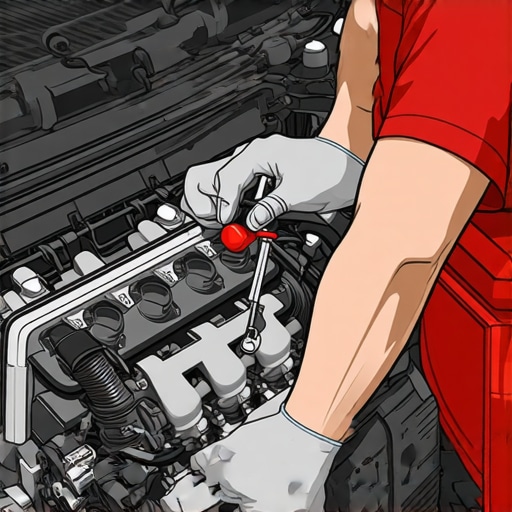
One morning, I turned the key in my car, ready for a quick drive, only to be met with that frustrating, sinking feeling—your engine sputters, smoke billows from under the hood, and suddenly, your trusty vehicle feels more like a ticking time bomb. That lightbulb moment hit me hard: I might have a blown head gasket, and I had no idea how to confirm it without heading straight to the mechanic. Sound familiar? You’re not alone. Many car owners dread the thought of costly repairs and inconvenient breaks in their daily routine.
Why Knowing Your Car’s Condition Matters Now More Than Ever
Understanding how to check for a blown head gasket at home isn’t just about saving money; it’s about taking control of your vehicle’s health before small issues snowball into big, expensive problems. A blown head gasket can cause overheating, engine misfires, or worse—catastrophic damage that leaves you stranded. Moreover, recent studies show that early detection can save vehicle owners thousands in repairs and extend the lifespan of their engines (source).
Is DIY Inspection Really Worth the Hype?
At first, I made a common mistake: I assumed every strange smell or rough running meant I just needed an oil change. Turns out, ignoring signs like coolant in the oil or white smoke from the exhaust could turn into engine failure. Trust me, a quick, at-home check can provide peace of mind and often catch serious issues early. If you’re wondering how to spot these signs yourself, I’ve got you covered. Later, I’ll walk you through proven steps for diagnosing a blown head gasket without expensive tools or risking further damage.
Start with Visual Inspection of Coolant and Oil
First, park your car on a level surface and let the engine cool down completely. Open the hood and check the coolant reservoir; if you notice milky or frothy coolant, it could indicate that combustion gases are leaking into the cooling system. Next, inspect the oil dipstick for a similarly milky, chocolate-milk appearance, which often signals coolant mixing due to a head gasket failure. I once caught this early by simply pulling the oil dipstick after a short drive, preventing more significant engine damage.
Perform a Compression Test to Gauge Cylinder Integrity
Next, use a compression tester to evaluate each cylinder’s sealing capability. Remove the spark plugs, screw in the tester, and crank the engine as if starting it. A significant drop in compression in one or more cylinders suggests a head gasket breach. When I did this test myself, I noticed a cylinder with much lower readings, confirming my suspicion before visiting the mechanic.
Check for Exhaust Gas Bases in Coolant
For a more definitive sign, perform a simple chemical test using an exhaust gas analyzer kit or a test strip designed for coolant. Carefully remove the radiator cap when the engine is cool, then insert the test strip into the coolant reservoir. Turn on the engine and observe the color change; presence of exhaust gases in coolant will turn the strip a specific color, indicating a head gasket leak. I once borrowed this test kit from a local auto parts store and caught a head gasket problem early, saving costly repairs.
Use a UV Dye to Detect Leaks
Inject a UV dye into the radiator system using a compatible tester. Run the engine for about 30 minutes, then turn off the engine and use a UV flashlight to inspect the cylinder head area and coolant system for glowing dye leaks. This method is highly effective and I utilized it during my DIY auto repair, which helped me visually confirm where the gases were escaping.
Monitor for White Smoke and Overheating Signs
Finally, observe the exhaust emissions during a test drive. White, sweet-smelling smoke typically indicates coolant burning in the combustion chamber, a classic sign of head gasket failure. Also, keep an eye on the temperature gauge; persistent overheating is another warning sign. I learned this when my engine temperature spiked unexpectedly, prompting me to check further for head gasket issues before escalating.
While these home-check steps are helpful, remember that a professional evaluation offers the most accurate diagnosis. Regular maintenance and tune-ups (see tips) can prevent head gasket failures altogether and keep your engine running smoothly longer.
Many car owners operate under misconceptions that can lead to costly mistakes. For instance, a widespread belief is that every sudden engine noise indicates a big problem, prompting unnecessary repairs. In my experience, understanding the nuanced differences between benign noises and genuine warning signs is crucial. This nuance can save you money and prevent overpaying at the shop. One trap to avoid is assuming that all auto repairs are equal or that a quick fix is always sufficient, which is rarely the case. Sometimes, superficial fixes may mask underlying issues, causing more extensive damage later.
Is a simple tune-up enough to keep your car running smoothly long-term?
Many think that routine tune-ups can replace comprehensive diagnostics. However, a study from automotive experts suggests that integrating advanced diagnostics early can actually extend your vehicle’s lifespan and improve performance (source).
For example, neglecting transmission health can lead to increased wear and costs. Many believe that transmission fluid lasts forever or that it’s only an issue after noticeable slipping. In reality, regular transmission fluid changes are vital even if your shifting seems normal. Waiting until symptoms appear can mean expensive overhaul repairs, which are preventable with proactive maintenance.
Another common myth is that collision repairs are purely cosmetic. Wrong. Structural integrity impacts vehicle safety, and overlooked issues can affect crashworthiness. That is why professional assessments are essential after accidents, as a minor-looking dent might conceal critical frame damage. Always opt for a trusted specialist rather than settling for quick fixes that might jeopardize your safety.
Ever fallen into this trap? Let me know in the comments! Ensuring you understand the real gaps and misconceptions in auto repair will help you make smarter decisions and keep your vehicle in top shape.
Keeping It Working: Tools I Rely On for Auto Maintenance
Over years of personal auto repair and routine car servicing, I’ve developed a toolkit that not only saves me money but also ensures my vehicle stays reliable. One of my go-to items is a quality digital code reader, like the Ancel AD410, which allows me to quickly identify engine trouble codes without needing a mechanic for every minor issue. It’s especially handy for diagnosing check engine lights and understanding the root cause before deciding on further action.
For detailed inspections and preventive maintenance, I swear by a set of laser thermometers. They help me pinpoint inefficient cooling or overheating issues early. For instance, spotting a hot radiator hose can preempt a costly failure. Additionally, a good torque wrench is invaluable when tightening bolts during brake pad replacements or oil changes, ensuring I don’t under- or over-tighten critical components, which can cause future problems.
Software That Streamlines Long-Term Upkeep
In terms of software, I use automotive diagnostic apps like OBDLink and Torque Pro on my smartphone. These apps sync with Bluetooth scan tools, allowing me to track real-time sensor data, monitor fuel efficiency, and keep tabs on the health of vital systems. Regularly reviewing these metrics helps me spot anomalies early, such as irregular transmission temperatures or fluctuating oxygen sensor readings, emphasizing the importance of proactive maintenance to extend the vehicle’s lifespan (see tips).
Sticky Situations? Penetrating Oil and Cleaning Supplies
When components like door hinges or shifter linkages become stiff, I reach for a spray of penetrating oil like PB Blaster. It works wonders on rusted bolts and prevents unnecessary force that could damage parts. Also, keeping a set of microfiber cloths and degreasers nearby makes it easier to maintain clean connections, reducing corrosion risks over time.
Predicting the Future of Car Maintenance
The automotive world is moving towards smarter, more integrated systems. Expect to see more vehicles equipped with predictive diagnostics, where onboard computers can alert drivers about impending failures before symptoms become evident. This trend underscores the importance of staying updated on software and tools that facilitate such early detection—saving you both money and downtime.
How do I keep my auto tools and maintenance routine effective over time?
The key to long-term reliability is consistency. Regularly calibrate your diagnostic tools, keep spare parts like filters and fluids in stock, and stay informed about maintenance schedules tailored to your specific vehicle model. Remember, tools are only as good as the user’s knowledge. Invest time in learning how to interpret diagnostic codes accurately, and don’t hesitate to consult professional resources or communities online for advanced tips. For example, automotive engineer Dave H. from his expert advice emphasizes routine calibration of your diagnostic equipment as vital for accurate readings.
Feeling inspired? Try performing a quick transmission fluid check using an infrared thermometer to gauge operating temperature during a test drive. This simple step can reveal hidden issues that, if addressed early, save you costly repairs later. Remember, staying proactive with your tools and routines makes all the difference in maintaining a healthy, long-lasting vehicle.
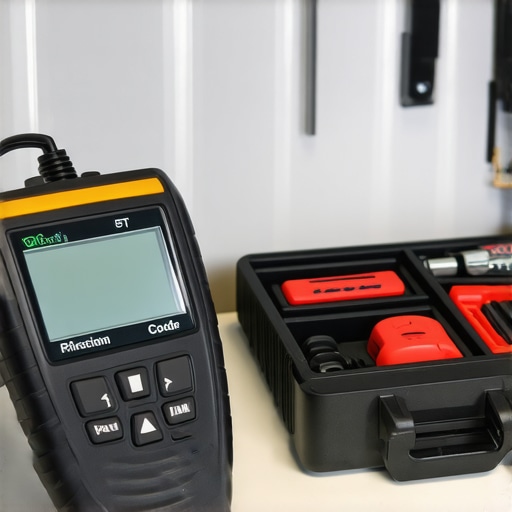
Over the years, I’ve learned that auto repair is as much about intuition as it is about technical know-how. A blown head gasket can sneak up on you, disguising itself behind seemingly minor symptoms. One of the most valuable lessons I discovered is that early detection through simple home checks can prevent catastrophic engine damage and save you a ton of money. Sometimes, trusting your instincts and understanding subtle signs—like a milky oil cap or unexplained overheating—can be the difference between a minor fix and an expensive rebuild.
Why the Faintest Signs Are Game-Changers
Many car owners ignore small anomalies, thinking they are just routine wear and tear. But these tiny clues—white smoke, coolant loss, or foaming oil—are often the first indicators of a blown head gasket. Paying close attention to these signs, especially during routine checks, transforms you from a passive driver to an active protector of your vehicle. I remember catching a coolant leak early by noticing a slight sweet smell and a tiny amount of frothy residue in the reservoir, which ironically saved me from an overhaul.
How I Went Beyond Just Visual Inspections
Visual checks are just the beginning. Using a compression tester or conducting a simple chemical test with coolant test strips can provide concrete evidence of head gasket failure. These tools are surprisingly affordable and straightforward to use, making them perfect for DIY diagnostics. Once, I borrowed a test kit from my local auto parts store and confirmed my suspicion of a leak, all without calling a mechanic. This proactive approach gave me peace of mind and kept my engine running smoothly longer.
Decoding My Automotive Leap of Faith
One of the most profound lessons I learned was that sometimes, trusting my gut and performing these basic checks is more effective than expensive diagnostic scans. The ability to interpret signs correctly—a milky oil cap or a sudden drop in coolant—changes everything. It transforms how you approach auto repair: from reactive to preventive. Remember, mastering these simple home inspections empowers you to catch issues early, like I did, and avoid costly repairs down the line.
The Power of Staying Curious and Prepared
The road to maintaining a healthy engine isn’t just about repairs; it’s about fostering curiosity and continuous learning. Keep a toolkit ready—compression testers, UV dyes, coolant test strips—and stay informed. I regularly read articles and watch tutorials to sharpen my DIY diagnosis skills. This mindset has not only saved me money but also deepened my understanding of my vehicle. Embrace the journey of auto care, and you’ll find that the more you learn, the more confident you’ll become in keeping your car in top shape.
Where Your Auto Journey Begins
Start small: perform regular visual inspections, learn to interpret basic signs, and utilize easy-to-use diagnostic tools. Don’t hesitate to seek professional help when needed, but remember, empowering yourself with knowledge transforms the sometimes daunting world of auto repair into a manageable, even enjoyable, craft. To enrich your auto care routine, explore our tips on [maximizing your vehicle’s lifespan through regular tune-ups](https://collisionfixer.com/maximize-your-cars-lifespan-with-regular-tune-ups). The power to protect your engine is literally in your hands—so get started today and stay ahead of costly repairs.