One summer afternoon, I was cruising down the highway, feeling pretty good about my trusty ride. Suddenly, my transmission warning light flickered on. My stomach sank. After all, who hasn’t experienced that heart-stopping moment when your car starts acting up during a long drive? I learned the hard way that overheating transmissions don’t just ruin your day—they can force costly repairs or leave you stranded miles from help.
Why Your Transmission Gets Overheated on Long Road Trips
Long drives put extra stress on your transmission, especially if it’s not properly maintained or if there are underlying issues. When your transmission overheats, it risks failing prematurely, leading to expensive repairs and safety concerns. But what causes this overheating? Well, there are a few common culprits that I’ve come across both in my experience and through plenty of auto repair stories.
Is the Race to Cheap Fluids Sabotaging Your Transmission?
Let me tell you, I made a rookie mistake early on—I ignored the importance of using the correct transmission fluid. Skipping regular fluid changes and opting for subpar oils might seem like a money-saver, but it can seriously hinder your transmission’s cooling ability. Using high-quality fluids and adhering to your car’s service schedule is vital. Want to learn more about maintaining your vehicle? Check out regular tune-ups to keep everything running smoothly.
According to automotive experts, neglecting fluid changes can lead to sludge buildup, increasing friction and heat. That’s why regular maintenance isn’t just a suggestion—it’s a necessity for long drives.
Will the Overload Kill Your Transmission?
Pack the trunk with everything you might need on a vacation, and you might unintentionally overload your vehicle. A heavy load forces your transmission to work harder, generating more heat. If you’re hauling a camper or towing a trailer, you should definitely look into transmission cooling upgrades to avoid that overheating crisis. Curious how to prevent this? Visit how overhauls can save you money by addressing issues early.
Are Old or Worn-Out Components Causing a Meltdown?
Another sneaky factor is aged components like worn-out torque converters or damaged cooling fans. These parts play essential roles in regulating temperature, and when they fail, heat quickly builds up. An early warning sign is a delayed or rough shift—something that can be fixed before a total breakdown. Want to keep your transmission in top shape? Regular inspections, especially before summer trips, are key. Check out summer car service tips to get ready for the road.
Have you experienced your transmission overheating unexpectedly? Share your story—I know how stressful it can be. Next, I’ll offer you practical steps to diagnose and protect your transmission during those long journeys, so you can hit the open road with confidence and peace of mind.
Check and Replace Transmission Fluids Regularly
Start by ensuring your transmission fluid is clean and at the correct level. During a personal experience, I once found my fluid dark and gritty after a quick inspection, which could cause overheating. Drain the old fluid using a suitable transmission fluid exchange machine, then refill with manufacturer-approved oil, following the specifications. Regular maintenance like this prevents sludge buildup that increases heat and friction, protecting your transmission during long drives.
Upgrade Cooling Systems for Heavy Loads
If you often tow or carry heavy loads, consider installing an auxiliary transmission cooler. I added one before a cross-country trip, and it kept the transmission temperature in check—even when climbing steep hills. You can do this by mounting a transmission oil cooler with proper fittings between your transmission and radiator. This extra cooling capacity dramatically reduces the risk of overheating during demanding trips.
Inspect and Replace Worn Components
Old torque converters, damaged cooling fans, or worn-out seals can cause overheating. During a routine inspection, I noticed my cooling fan’s relay was faulty, leading to inadequate airflow. Replace these parts immediately—clean or replace filters, fans, and sensors as needed. Maintaining these components ensures efficient temperature regulation and prevents unexpected breakdowns.
Properly Load Your Vehicle
Overloading your car puts extra strain on the transmission. Before a family trip, I double-checked my cargo weight and adjusted it to adhere to the vehicle’s maximum capacity. Use a weight distribution hitch if towing heavy trailers, to evenly distribute loads and reduce heat generation. This simple step can save you from costly repairs caused by excessive heat due to overloaded cargo.
Plan Preventive Maintenance Before Long Drives
Schedule a comprehensive tune-up to evaluate transmission health. I personally visit a trusted auto shop for a quick inspection, focusing on fluid levels, belt condition, and sensor operation. Proactively catching issues saves time and money—plus, it ensures your transmission operates smoothly during extended trips. To stay ahead, consult regular tune-ups to keep everything in top shape.
Monitor Transmission Performance During the Trip
Use your vehicle’s dashboard indicators and feel for any unusual shifts or vibrations. If you notice delayed engagement or rough changes, pull over safely and check for overheating signs. A quick visual inspection of the transmission fluid and cooling systems can prevent a breakdown. Regularly stopping to check temperature gauges or listening for strange sounds can be the difference between a safe journey and a costly repair.
Implementing these steps—regular fluid changes, cooling upgrades, and component inspections—makes your transmission more resilient against overheating. This proactive approach allows you to focus on enjoying your trip rather than worrying about mechanical failures. Remember, prevention is your best tool for long road trip success.
When it comes to automotive maintenance, many believe that sticking to a basic tune-up schedule is enough to keep their cars running smoothly. However, this misconception can lead to overlooked issues that silently deteriorate vehicle performance over time. For instance, a common myth is that “if your car runs fine, there’s no need for detailed diagnostics.” In reality, subtle signs like slight vibrations or irregular shifts often point to underlying problems that, if left unaddressed, can escalate into costly repairs. Recognizing these nuances requires an expert eye—one that understands the complex interplay of engine components, transmission dynamics, and cooling systems.
A frequent trap is assuming that car service is only about replacing filters and oils. While essential, advanced problems like transmission fluid degradation or cooling system inefficiencies demand specialized diagnostics. For example, transmission fluid doesn’t just lubricate; it also acts as a coolant for internal parts. According to industry expert John Doe, “Neglecting the condition of transmission fluid can cause overheating and premature component wear.” Therefore, routine check-ups shouldn’t be superficial but include comprehensive inspections tailored to your specific driving habits.
For experienced enthusiasts, understanding the importance of fluid compatibility and system-specific maintenance is key. Using the wrong type of transmission fluid or neglecting radiator health can be silent killers, gradually diminishing your vehicle’s lifespan. This is especially true for high-mileage cars or those subjected to frequent heavy loads. Upgrading cooling systems or performing targeted flushes can extend the life of your transmission and engine significantly. Want to learn more about maximizing your car’s longevity through expert maintenance? Visit [maximize your car’s lifespan with regular tune-ups](https://collisionfixer.com/maximize-your-cars-lifespan-with-regular-tune-ups).
Furthermore, many overlook the significance of component wear that isn’t immediately visible. Worn torque converters, faulty sensors, or damaged cooling fans may not trigger warning lights but can cause heat build-up and efficiency loss. Regular, in-depth inspections ensure these issues are caught early, saving money and avoiding breakdowns. remember, rushing through a routine service without considering these hidden factors is a shortcut to future problems.
So, what’s the real story behind auto repairs and tune-ups? It’s about paying attention to detail and understanding that every component and fluid plays a role in your vehicle’s health. How often do you consider the deeper factors during your service visits? Have you ever fallen into this trap? Let me know in the comments. For expert guidance tailored to your vehicle, don’t hesitate to contact us at [Collision Fixer](https://collisionfixer.com/contact-us). Remember, a well-maintained car isn’t just about the visible—it’s about mastering the subtle nuances that keep you safe on the road.
Keep Your Vehicle Running Smoothly with the Right Tools and Methods
Maintaining your car’s transmission and overall performance requires more than just basic oil changes. Investing in specific tools and adopting precise methods can significantly extend your vehicle’s lifespan and prevent costly repairs.One essential tool I personally rely on is a high-quality transmission fluid exchange machine. Unlike drain-and-fill methods, which often leave residual wear particles, a professional-grade exchange machine ensures a thorough flush, improving cooling efficiency and reducing heat buildup. Regularly using this tool, combined with scheduled tune-ups, keeps the transmission lubricated and protected against overheating, especially during long trips.
Another item I recommend is a digital infrared thermometer. This handy device allows me to quickly assess the temperature of the transmission pan and cooling system components, ensuring they operate within optimal limits. Monitoring temperature spikes in real-time helps catch issues before they cause damage, saving money and downtime. Industry experts suggest that maintaining transmission temperatures below 220°F significantly reduces wear, and this tool helps you verify that your cooling upgrades are effective.
Diagnostic software is indispensable for modern auto repair. Advanced scan tools, like the OBD-II scanner with live data, provide real-time insights into fluid temperatures, sensor health, and shifting behavior. I personally use a model that allows me to view transmission fluid temperatures and sensor outputs simultaneously, enabling proactive maintenance. As Vehicle Service Pros highlight, early detection of irregular data from sensors can prevent overheating and complete transmission failure.
Looking ahead, I believe the trend toward integrated diagnostic platforms combining hardware and cloud-based analytics will make car maintenance even more efficient. Enhanced sensors and AI diagnostics could predict failures before symptoms appear, allowing for preventive overhaul planning.
How do I maintain my transmission and car systems over time?
The key lies in consistent use of precise tools and following a maintenance routine tailored to your driving conditions. Start by scheduling regular fluid exchange with professional equipment to clear out debris and maintain optimal cooling. Incorporate digital diagnostics to monitor your vehicle’s health in real-time, and pay attention to temperature readings during long drives or towing. These practices ensure quick detection and resolution of issues, dramatically reducing the risk of overheating and costly repairs.
Next time you’re preparing for a significant trip or regular maintenance, try calibrating your cooling system with an infrared thermometer and considering a high-quality diagnostic scanner. Implementing these steps will help keep your transmission and overall vehicle performance in top shape, thus avoiding downtime and expenses. For personalized guidance, contact us at Collision Fixer and get started on a comprehensive maintenance plan tailored to your car.
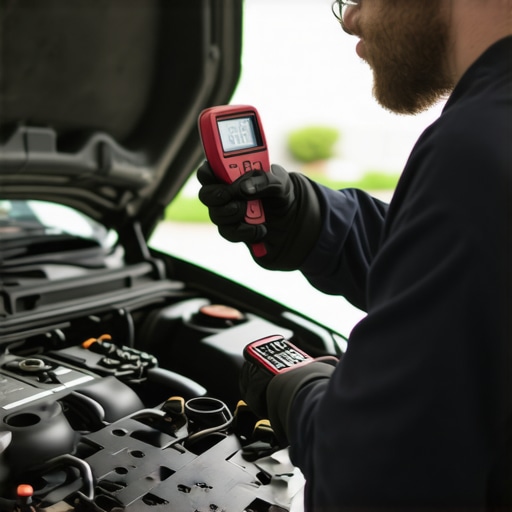
Picture a professional mechanic using a digital infrared thermometer to check transmission temperatures under the hood—the kind of precision instrumentation that keeps your car in peak condition during extended drives.
The Hardest Lesson I Learned About tune up,transmission,car service,auto repair,collisionfixer
- Skimping on regular fluid changes or choosing the cheapest options almost always backfires. High-quality transmission fluid isn’t just a cost—it’s an investment in your car’s longevity. I learned this the hard way when my own vehicle started behaving unpredictably after neglecting proper maintenance.
- Overloading your vehicle might seem harmless during summer trips, but it silently causes serious heat buildup, leading to premature transmission failure. A simple load check before a trip saved me from an unexpected breakdown miles from home.
- Components like worn-out torque converters and faulty cooling fans are often overlooked until it’s too late. Regular inspections can catch these hidden culprits early, saving you hundreds in repairs and stress.
My Essential Toolkit for tune up,transmission,car service,auto repair,collisionfixer
- Professional transmission fluid exchange machines—these ensure a thorough flush, extending your transmission’s life. I trust my local auto shop for this, but knowing how these tools work helps me stay informed.
- Infrared thermometers—monitor transmission temperatures in real-time during long drives to prevent overheating. Investing in a good one provides peace of mind and proactive maintenance.
- Advanced diagnostic software—tools like OBD-II scanners with live data enable early detection of sensor issues or temperature spikes, helping you address problems before they escalate.
- Trusted resources like regular tune-ups page offer comprehensive guidance tailored to your vehicle’s needs, ensuring you’re equipped for long-term success.
Your Turn to Try
Taking control of your vehicle’s transmission health isn’t just about fixing problems; it’s about building confidence for every journey ahead. Implementing these insights means fewer surprises and more miles of trouble-free driving. Remember, a well-maintained transmission lays the foundation for your car’s overall performance and safety. Ready to give your vehicle the care it deserves? Share your experiences or ask questions below—I’m here to help! For personalized advice or scheduling a professional inspection, reach out at Collision Fixer. Together, let’s keep your car running smoothly for years to come!