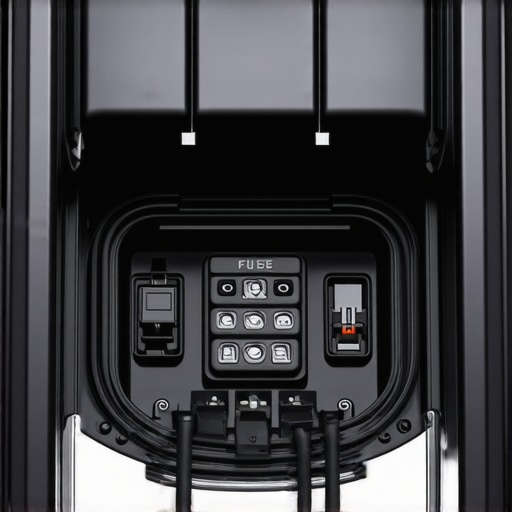
It was one of those mornings where everything that could go wrong, did. I was already running late, fumbling with my keys, when suddenly, my car’s central locking refused to work. No beeps, no clicks—just silence. After a quick panic, I realized something crucial: I had no idea what was happening inside that sleek dashboard of mine, hiding secrets I didn’t even suspect. That lightbulb moment made me dig deeper. Turns out, there’s a tiny, often-overlooked fuse that controls your central locking system—hidden yet vital.
Discover the Hidden Fuse Behind Your Central Locking Woes
Many car owners aren’t aware of the small fuses that manage essential systems like central locking. When your remote, keyless entry, or electronic locks suddenly stop responding, it’s often as simple as a blown fuse. But here’s the catch: this fuse is secluded, tucked behind panels or within complicated fuse boxes, making it hard to find without knowing exactly what to look for. My own mistake early on was replacing other seemingly related parts before checking the fuse—costly and unnecessary. This experience cemented the importance of understanding this humble component. If you’re facing similar issues, knowing about this fuse can be a game changer.
Is Ignoring the Fuse Actually Worth The Hassle?
I used to believe that electrical problems required complex diagnoses or expensive repairs. That mistake got me stranded more than once. But I’ve learned that a blown fuse is not always a sign of catastrophic failure; often, it’s a simple safeguard triggered by a minor glitch or power surge. The key is to identify and replace the fuse promptly—saving you time, money, and frustration. For detailed guidance, you can explore how transmission overhauls might impact your overall vehicle health, or learn how regular tune-ups extend your car’s lifespan. Remember, small issues like a blown fuse are often clues, not the problem itself.
Have you ever experienced your car’s central locking suddenly giving up on you without warning? If so, you’re not alone. Understanding and addressing this tiny fuse could be the solution that keeps your day on track and your wallet happy. Up next, I’ll walk you through how to locate and replace this elusive fuse—no magic required. Stay tuned!
Access the Fuse Box Correctly
Start by opening your vehicle’s manual to find the fuse box location, usually under the dashboard or in the engine compartment. Use a flashlight if needed to clearly see the panel and identify the fuse box cover. Carefully remove the cover with a screwdriver or press clips. This step is crucial; forcing panels can cause damage.
Identify the Right Fuse for Central Locking
Look for the fuse diagram on the inside of the fuse box cover or in the manual. Locate the fuse labeled ‘central locking,’ ‘door lock,’ or ‘electrical.’ Micro-styling fuses are tiny, often 3-5mm in size, and color-coded. Verify fuse numbers against the diagram to avoid replacing the wrong component. When I did this myself, I realized I had been troubleshooting the wrong fuse for weeks!
Use the Proper Tools and Precautions
Gather a fuse puller or a pair of needle-nose pliers. Ensure the vehicle is turned off, and keys are removed to prevent electrical shorts. Wear gloves if possible; old fuses can sometimes crack or cause tiny sparks. This simple step prevents damage and ensures your safety.
Remove and Inspect the Fuse
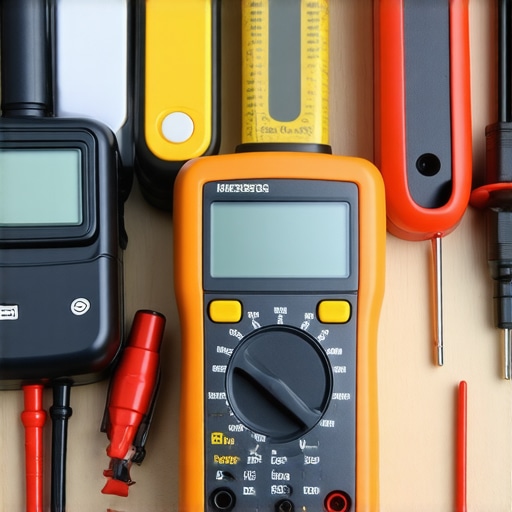
Carefully extract the fuse using your tools. Examine it against the diagram or comparison chart; a blown fuse usually shows a broken metal strip or discoloration. If the fuse appears intact, test it with a multimeter for continuity—just like testing a resistor. I learned this the hard way when a fuse looked fine but was actually faulty, leading me to unnecessary part replacements.
Replace and Confirm
Insert a new fuse of the exact amperage rating—look for the stamped value, e.g., 10A or 15A. Avoid using higher-rated fuses to prevent electrical damage. After replacement, reassemble the fuse cover securely. Turn on the ignition and test the central locking system to confirm proper function. That’s how I restored my system, avoiding costly dealer repairs, saving both time and money.
Check for Underlying Issues
If the new fuse blows immediately, there’s likely an underlying electrical fault—like a short circuit or damaged wiring. In such cases, it’s wise to review other electronics or consult a professional. Remember, replacing a fuse is a temporary fix unless the root problem is addressed.
Many drivers believe that simply following the basic maintenance schedule ensures their vehicle’s longevity. However, this oversimplification overlooks the nuanced realities of advanced auto care. For example, common wisdom suggests that sticking to an aggressive oil change interval is always best, but recent expert analysis indicates that over-maintaining can be as detrimental as neglecting, by introducing unnecessary drain on engine parts and fluids. As highlighted in a study by the Society of Automotive Engineers, excessively frequent oil changes may lead to increased waste and even affect engine seals over time.
Another misconception revolves around transmission care. Many think that transmission fluid changes are optional or only necessary if symptoms appear. In reality, proactive transmission overhaul plans, as discussed here, can prevent costly failures and extend your car’s lifespan significantly. Running on old or contaminated oil can cause slippage and damage that might not be immediately evident. Don’t fall into the trap of ignoring subtle signs, like delayed shifts or gnashing noises, which can be early warnings of deeper issues.
Why do so many misjudge the importance of regular tune-ups? It’s often assumed that a tune-up only affects performance temporarily, but maintaining optimal ignition timing, spark plugs, and fuel filters can actually prevent small problems from escalating into expensive repairs. Regular tune-ups are more than just a ceremony—they’re a diagnostic tool, revealing hidden issues before they cause breakdowns.
*
One error I frequently see even seasoned enthusiasts make involves neglecting the specifics of auto repair components. For instance, using generic or aftermarket parts without verifying compatibility can lead to premature failures or safety hazards. This is especially true in critical parts like brake calipers or transmission parts, where quality differences matter immensely. Ensuring that replacements meet OEM standards is crucial; otherwise, you’re risking not only your safety but also expensive rework. You can learn more about essential maintenance practices to maximize your car’s lifespan through detailed guides here.
*
Advanced drivers ask, ‘How do I identify hidden issues that standard inspections might miss?’ A good example is the transmission cooler leak, which gradually leads to overheating if unnoticed. Instead of waiting for overt symptoms, employing diagnostic techniques such as pressure testing or sensor analysis can reveal the underlying malfunction early on. Preventative diagnostics, combined with thorough service schedules, can save thousands in repairs—something every car owner should consider. For additional tips, check out our comprehensive guide on essential preventive steps for safe summer drives.
*
In sum, understanding the nuanced truths of auto repair saves you not only money but also enhances your safety. Avoiding the common myth that basic maintenance is enough, and instead adopting a more detailed, informed approach, will serve you well. Have you ever fallen into this trap? Let me know in the comments. For personalized advice or to schedule a check-up, feel free to contact us through our contact page.
Investing in the Right Tools Makes All the Difference
If you’re serious about keeping your vehicle in top shape, having a set of quality tools isn’t optional—it’s essential. Personally, I rely on a few key pieces of equipment that have proven invaluable over years of auto repair and maintenance. These tools save me time, money, and frustration, ensuring that I can handle most common issues without immediately heading to the shop.
Why a Good OBD-II Scanner Is Your Best Friend
The first tool I recommend is a reliable OBD-II scanner. This device plugs into your car’s diagnostic port and provides real-time data on engine performance, emissions, and sensor status. I personally use the BlueDriver scanner; it offers comprehensive diagnostics and easy-to-understand reports. With an OBD-II scanner, I can identify issues like transmission slippage or check engine light triggers early, saving you from costly repairs down the line.
Heavy-Duty Multimeter for Accurate Electrical Diagnosis
Electrical problems can be tricky, but a quality multimeter simplifies troubleshooting. I always keep a digital multimeter from Fluke in my toolkit—not just for checking battery voltage but also for testing sensors, fuses, and wiring continuity. A multimeter helps me determine whether a fuse has blown or if there’s a short circuit—skipping unnecessary replacements and honing in on the root cause quickly.
Specialized Tools for Transmission and Suspension Work
When it comes to transmission overhaul or suspension repairs, specialized tools come into play. For example, a brake bleeding kit streamlines a task that used to take hours. I also invest in a professional-grade bolt extractor set for stubborn fasteners—these save me from damaging the components or stripping bolts during repairs. Such targeted tools make complex procedures manageable even for DIY enthusiasts.
Why Software and Diagnostic Apps Are Transforming Auto Maintenance
Beyond physical tools, I recommend using diagnostic apps compatible with your smartphone or tablet. These apps tap into your vehicle’s onboard systems via Bluetooth, offering guidance and data analysis. For instance, Auto Repair Buddy helps track maintenance schedules and logs fault codes remotely. Embracing software not only keeps your vehicle’s health monitored but also prepares you for upcoming service needs—like scheduled transmission overhauls or tune-ups.
The Future: Smarter Tools for Smarter Cars
Trendwise, I see a move toward integrated diagnostic devices that automatically alert you to issues via your smartphone, even before warning lights turn on. As vehicles become more sophisticated, so will our maintenance tools, emphasizing preventative care over reactive fixes. Staying ahead with the latest tech will be crucial for any dedicated driver or auto enthusiast.
How do I maintain my equipment for lasting effectiveness?
Keeping your tools calibrated, clean, and stored properly ensures their accuracy and longevity. Regularly update software applications linked to diagnostic devices, and replace batteries in electronic tools before they fail. For example, a well-maintained multimeter will give you precise readings for years to come. Check manufacturers’ recommendations regularly, and treat your tools with care—this way, you maximize your investment and always stay prepared for automotive surprises. Want to boost your DIY skills? Try calibrating your multimeter following this expert guideline for optimal accuracy.
 Over the years, my journey with auto repair has taught me that some of the most valuable lessons come from unexpected places. One of the hardest-earned insights is that genuine car care requires more than just following checklists—it’s about understanding the subtle cues your vehicle offers and knowing when to act. For instance, I used to dismiss small warning signs, thinking they’d resolve themselves, only to find out later that ignoring them led to costly repairs. The real benefit lies in embracing a proactive mindset, addressing issues like a blown fuse or uneven tire wear before they escalate into emergencies. Remember, investing time in learning your car’s intricacies can save you money and safety in the long run, as outlined in our guide on how transmission overhauls can be a wise long-term decision. Trust me, appreciating the finer details turns routine maintenance into a form of auto craftsmanship, elevating your vehicle’s lifespan and performance.