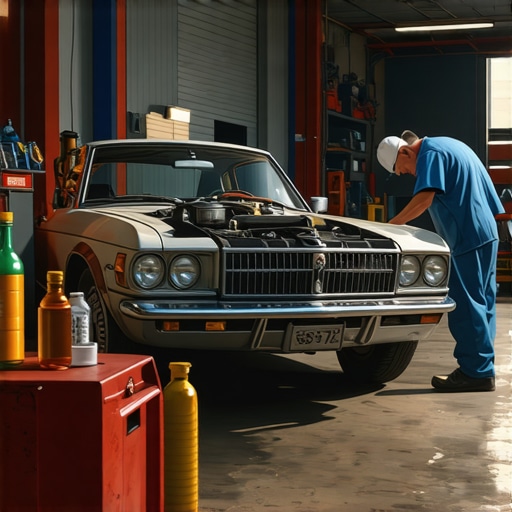
I still remember the moment vividly—my old high-mileage car sputtering and lurching like it was gasping its last breath. The engine sounded rough, and I could sense something was seriously off. As a car enthusiast and someone who cares about keeping their ride reliable, I was faced with a dilemma: should I trust those shiny bottles of engine flushes advertised everywhere, or was I just throwing money down the drain?
That lightbulb moment led me down a rabbit hole of research, personal trial, and error. And let me tell you—assumptions about engine flushes and older cars can be misleading. Today, I want to share my experience and shed light on what really works (and what doesn’t) for aging high-mileage engines.
Why Your Old Car Might Be Asking for Help (But Not From Every Bottle!)
As cars age, their engines accumulate sludge, deposits, and varnish—things that can hinder performance and fuel efficiency. Many believe that a simple engine flush can turn back the clock, restoring lost power and smoothness. But here’s the kicker: not all flushes are created equal, and some can actually do more harm than good. Did you know that engine oil, the often-overlooked fluid, plays a crucial role in cleaning and protecting your engine? Neglecting it might be part of the problem.
Early on, I made the mistake of blindly trusting those automotive ads with promises of instant miracles. I learned the hard way that a misapplied engine flush can loosen harmful debris, causing it to clog passages or damage seals. Trust me, I’ve been there. That’s why understanding the real truth about engine flushes—especially for older high-mileage cars—is essential. We’ll explore the facts, debunk myths, and figure out what safeguards you can take.
So, if you’ve ever felt your engine hesitate or stumble, like mine did, you’re probably wondering: is a flush necessary? Is it risky? Or should I skip it altogether? Let’s find out, starting with the biggest questions and concerns my fellow car owners face.
Select the Right Engine Flush Product
Start by choosing a reputable engine flush designed specifically for high-mileage engines. Avoid generic products; look for those with proven formulations that can safely clean sludge without damaging seals. My experience shows that using a well-reviewed product, like the ones recommended by automotive experts, ensures better results, reducing the risk of clogging and leaks.
Prepare Your Vehicle Properly
Park your car on a level surface and let the engine cool for at least 30 minutes. Then, disconnect the negative battery terminal to prevent any electrical mishaps. Drain the existing engine oil into a suitable container. This step is crucial to remove old oil, dirt, and debris that could hinder the flush process. I once neglected this and ended up making a mess, but thorough preparation saved me time later.
Add the Engine Flush and Run the Engine
Pour the recommended amount of engine flush into the oil filler cap, then restart the engine and let it idle for 10-15 minutes. This allows the chemical cleaner to circulate and loosen sludge. Keep an eye on temperature gauges to prevent overheating. During this process, I noticed a slight increase in engine noise, which is normal—it’s the flush working. Just avoid revving the engine aggressively to prevent dislodging debris too quickly.
Drain Old Oil and Flush System
Turn off the engine and carefully drain the engine flush along with contaminated oil. Replace the oil drain plug securely. If your engine has stubborn sludge, consider using a [deep cleaning](https://collisionfixer.com/the-secret-to-removing-deep-scratches-without-a-buffer) additive prior to refilling. Then, refill with high-quality engine oil suited for high-mileage vehicles. This step is critical because using inferior oil can negate the benefits of the flush and accelerate wear.
Perform a Final Oil Change and Inspection
After running the engine for a few minutes, turn it off and wait for it to stabilize. Recheck the oil level and top off if necessary. Start the engine and listen for any unusual sounds or vibrations. I also recommend inspecting for leaks or loose fittings, which can be common after a flush. For example, if you notice [your engine shaking at stoplights](https://collisionfixer.com/why-your-engine-shakes-at-stoplights-and-the-15-fix), a thorough inspection can identify underlying issues.
Additional Tips for Success
Always consult your vehicle’s owner manual for manufacturer recommendations on engine flushes. Avoid aggressive cleaning if your engine shows signs of severe wear, such as cracked seals or worn piston rings. Instead, focus on regular oil changes and preventative maintenance. Remember, a clean engine runs more efficiently, and regular checkups might prevent the need for drastic measures later. For specific concerns, consider [testing your transmission](https://collisionfixer.com/how-to-test-a-used-car-transmission-in-5-minutes) or checking electrical connections to ensure comprehensive care.
Many car owners believe that sticking to simple routine maintenance guarantees a trouble-free vehicle, but that’s only part of the story. One common myth is that all transmission issues stem from low fluid levels, yet in reality, many problems are caused by internal wear or contamination that requires professional diagnosis rather than just topping off the fluid. Overlooking these nuances can lead to premature component failure.
Are DIY Fixes Causing More Harm Than Good for Your Car?
While some repairs seem straightforward, attempting complex repairs without proper knowledge can be dangerous. For example, reassembling brake components or repairing suspension parts without correct tools can result in safety hazards or further damage. Remember, even experienced DIYers risk making critical mistakes that compromise their vehicle’s safety and longevity. According to automotive experts, improper repairs often lead to more expensive problems down the line—so when in doubt, consult a professional. Have you ever fallen into this trap? Let me know in the comments. Proper diagnostics and targeted repairs are crucial. For instance, a persistent shaking at stoplights might seem minor but could be linked to uneven engine mounts or failing motor mounts, which require specific attention and expertise. Learn more about diagnosing engine shake issues here. Another misconception involves routine oil changes, where some believe that more frequent oil additions can compensate for oil leaks or consumption. However, this habit masks underlying issues like worn piston rings or faulty valve seals. Ignoring these can escalate costs and damage your engine. Instead, regular inspections can find the root causes early. Additionally, many underestimate the importance of electrical systems. A failing ground wire, for example, may cause elusive problems like intermittent lights or vehicle stalling, which might seem minor but point to bigger electrical issues. Properly identifying and fixing such issues not only saves money but also prevents breakdowns. Curious about catching these hidden issues early? Regular system checks and understanding your vehicle’s signals are your best tools. These misconceptions often stem from a lack of detailed knowledge or assumptions based on limited experience. By digging deeper into how your car actually works, you can avoid costly mistakes and keep your vehicle in top shape.
Keep It Running with the Right Tools and Techniques
Ensuring your vehicle remains dependable over the years requires more than just routine oil changes. Investing in quality diagnostic tools and maintenance equipment can save you time and money, and help you catch potential issues early. I personally recommend equipping yourself with a reliable OBD-II scanner like the BlueDriver, which provides comprehensive vehicle diagnostics, including real-time sensor data and fault code explanations. It bridges the gap between DIY maintenance and professional insight, making it invaluable for monitoring your engine’s health and spotting problems before they escalate.
Another must-have is amultimeter with automotive-specific settings. This tool helps diagnose electrical issues such as faulty ground wires, which can cause unpredictable behavior like lighting problems or erratic engine performance. For example, if you suspect a wiring fault, you cantest grounding circuits directly to confirm integrity, reducing unnecessary guesswork. For guidance on this, check out how to spot a bad ground wire.
Routine Maintenance: Staying Ahead of Failures
Regular inspections and fluid checks form the backbone of long-term car care. Consider investing in a set ofshop-quality creepers and LED work lights to facilitate under-car inspections without strain or inconvenience. When replacing components like spark plugs or belts, usingprecision torque wrenches ensures proper tightening, preventing future leaks or component damage. I once overlooked torque specifications on a timing belt, leading to a premature failure that cost me hundreds. Don’t let that be you.
Upgrading your cooling system with ahigh-quality siphon pump allows you to flush your radiator and replace coolant efficiently. Regular cooling system maintenance not only extends the life of your radiator and water pump but also prevents overheating issues that could cause severe engine damage. For detailed procedures, visit this step-by-step guide.
Long-Term Benefits of Proper Tools and Maintenance
Consistent care with the right equipment preserves engine performance, improves gas mileage, and reduces repair costs. As vehicles become more sophisticated, leveraging advanced diagnostic software—such as OBDLink MX+—will be essential for staying ahead of electronic systems failures. Looking forward, the integration of AI-powered diagnostic systems promises even smarter, faster troubleshooting, making vehicle maintenance increasingly accessible to DIY enthusiasts. I predict that in the next decade, tools that combine machine learning with real-time data will become standard, transforming how we maintain our cars.
To capitalize on this trend, I encourage you to try a comprehensive code reader like the test-a-used-car-transmission-in-5-minutes method with your current scanner. This proactive approach can expose hidden issues early, saving you from costly repairs later.
How do I maintain my car’s electrical system over time?
Regularly inspect and clean grounding points and connectors, ensuring no corrosion or loose wires. Read how to spot a failing ground wire for detailed tips. Using a multimeter to verify circuit integrity and applying dielectric grease can prolong connector life and prevent intermittent faults. With the increasing complexity of modern vehicles, staying vigilant about electrical health is more crucial than ever. Invest in a good multimeter, familiarize yourself with your vehicle’s wiring diagrams, and schedule periodic inspections to keep everything running smoothly.
Hidden Lessons from My Mechanical Journey
One of the most valuable lessons I learned is to avoid relying solely on quick fixes or marketing hype. I realized that understanding your vehicle’s specific needs and limitations is crucial, especially for high-mileage engines. Simple practices like consistent oil changes and regular inspections often outperform expensive additives or products.
Another insight was the importance of patience and precision. Rushing through engine flushes or DIY repairs without proper tools or knowledge can cause more harm than good. Taking the time to research, gather quality tools, and proceed methodically has saved me from costly repairs and headaches.
Lastly, I discovered that sometimes the best step is knowing when to consult professionals. Certain issues—like complex electrical faults or internal engine wear—are better diagnosed and fixed by experienced technicians. Recognizing your limits ensures your car’s longevity stays on track.
Tools and Resources that Changed My Approach
My go-to diagnostic tool is the OBDLink MX+. Its comprehensive readings help me catch issues early, preventing small problems from escalating. Trust me, having a reliable scanner makes all the difference in maintaining a high-mileage engine. For electrical concerns, a good multimeter with automotive settings is indispensable. It allows me to verify wiring integrity and grounding issues, like the ones I learned to spot here.
When it comes to manuals, I always refer to the vehicle-specific repair guides from trusted sources. They give me clear procedures and torque specifications, which I double-check with my torque wrench to prevent damage. For deep cleaning tasks, like coolant or fuel system flushes, I rely on professional-grade siphon pumps and cleaning additives, ensuring thorough maintenance without mess or guesswork. These tools and resources empower me to keep my car running smoothly for years to come.
Fuel Your Drive with Confidence and Care
You possess the power to extend your vehicle’s life through informed decisions and regular maintenance. Embrace a proactive mindset, invest in quality tools, and never hesitate to seek expert advice when needed. By doing so, you transform your car from a mere machine into a trusted companion on the road. Remember, every step you take now pays dividends in future reliability and peace of mind.
What’s been your most surprising discovery about caring for a high-mileage engine? Share your story below and let’s learn from each other’s experiences.