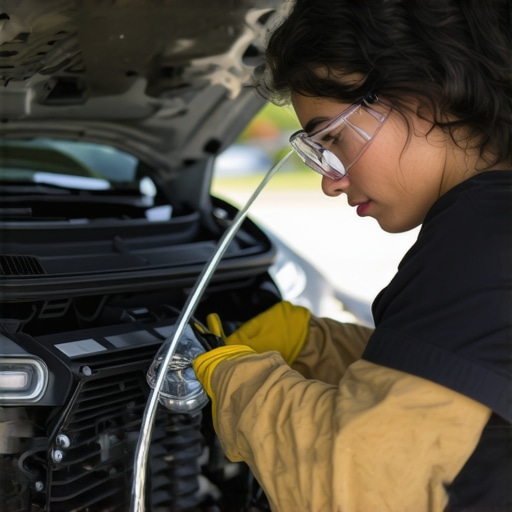
It was a hot summer afternoon, and I was stuck in traffic when suddenly I noticed that overwhelming smell of antifreeze seeping into the cabin. My heart sank. I knew my cooling system was overdue for a flush, but the idea of draining, spilling, and messing with hazardous fluids made me hesitate. After all, I’d watched a few online tutorials that seemed more complicated than they needed to be, and I wasn’t eager to turn a simple maintenance task into a major cleanup or costly repair.
**
Why You Should Consider Doing Your Own Cooling System Flush
**
While trusting a mechanic is convenient, learning how to flush your own cooling system can save you time, money, and headaches—especially if you’re comfortable getting a little hands-on with your vehicle. Regularly replacing your coolant and flushing the system ensures optimal engine temperature, prevents rust buildup, and extends the life of your radiator. Plus, it’s a satisfying project that demystifies how your car keeps its cool.
**
Is a DIY Cooling System Flush Actually Worth the Hype?
**
Many folks wonder if tackling this job themselves is just a waste of time or if it’s genuinely beneficial. The truth is, with the right tools and guidance, a DIY flush can be straightforward. A mistake I nearly made early on was neglecting to properly dispose of old antifreeze, which can be toxic and environmentally damaging. That’s a mistake I learned the hard way—reminded me of how important it is to follow safety precautions and local disposal laws. I recommend reading more about environmental impacts [here](https://collisionfixer.com/the-reason-your-key-gets-stuck-in-the-ignition) to understand why proper disposal matters.
Now, if you’ve ever faced the dilemma of whether to DIY or call in a pro, you’re not alone. Many car owners find themselves frustrated by the mess or skeptical about whether they can handle the job correctly. But with some simple steps, you can keep your engine happy and your driveway clean. Let’s explore how you can confidently perform a cooling system flush that keeps your car running smoothly without the usual chaos.
Prepare Your Workspace and Gather Tools
Start by parking your car on a flat surface, engaging the parking brake, and allowing the engine to cool completely. Gather essential tools: a drain pan, screwdriver, pliers, coolant flush kit, safety goggles, gloves, and replacement coolant. Think of this step like preparing ingredients before cooking—you want everything at hand to avoid interruptions during the process.
Drain the Old Coolant
Locate the radiator drain plug — usually at the bottom of the radiator — and place your drain pan beneath it. Slowly unscrew the plug using pliers, letting the old coolant spill into the pan. During my first attempt, I forgot to wear gloves, and the hot, toxic liquid stained my hands; now, I always wear safety gear to protect myself. Be cautious: old coolant can be environmentally harmful, so dispose of it responsibly at a recycling center or authorized disposal facility.
Flush the System with Water
Once drained, close the drain plug. Fill the radiator with distilled water using a funnel, then start the engine and let it run for about 10 minutes with the heater on high. Turn off the engine and let it cool again. If you encounter any persistent rust or debris, consider using a radiator flush product — follow the manufacturer’s instructions carefully. This step is like rinsing a paintbrush: it cleans out the residual grime, preparing your cooling system for the new coolant.
Add Fresh Coolant
After draining the water, close the drain plug tightly and fill the radiator with a 50/50 mixture of coolant and distilled water. Use a funnel to avoid spills. Start the engine again, let it idle and rev gently, then check for leaks and top off if necessary. Change the radiator cap securely; think of it as sealing a jar—you want to keep everything airtight. Remember, the coolant isn’t just for keeping things cool; it also lubricates the water pump and inhibits corrosion.
Bleed Air from the System
Air pockets can cause overheating, so it’s crucial to remove trapped air. With the engine running and the heater set to maximum, open the bleed valve if your vehicle has one, or simply squeeze the radiator hoses gently to dislodge air bubbles. Keep an eye on the temperature gauge to avoid overheating. For some cars, this step is like burping a baby—to release the trapped gas and ensure smooth operation. It reminded me of how a small air bubble in a bicycle tire can cause a wobble; releasing it stabilizes performance.
Final Checks and Cleanup
Inspect around the radiator, hoses, and drain plug for leaks. Recheck the coolant level once the engine reaches operating temperature and add more if necessary. Clean up your workspace by disposing of used coolant responsibly. Remember, a well-maintained cooling system not only prevents engine damage but also saves money down the road, much like regular tune-ups increase your vehicle’s lifespan.
Many car owners operate under the assumption that basic knowledge is enough when it comes to collisionfixer, transmission, tune-ups, and general auto repair, but there are often overlooked nuances that can make or break the effectiveness of your vehicle maintenance. For instance, a widespread myth suggests that all transmission flushes are the same, but in reality, many professionals underestimate the importance of choosing the right procedure for your specific transmission type. This oversight can lead to inadequate lubrication or even damage, as detailed in expert analyses like those found at https://collisionfixer.com/the-difference-between-a-transmission-flush-and-a-drain.
Another misconception revolves around tune-ups; many think that once a car starts running smoothly, no further tuning is necessary. However, advanced diagnostics reveal that subtle issues, such as a failing sensor or a minor vacuum leak, often go unnoticed yet significantly impact performance. Addressing these requires a nuanced understanding beyond basic replacement procedures.
Applying generic solutions without understanding the vehicle’s unique systems can backfire. For example, using a universal transmission fluid or swapping parts blindly may cause more harm than good. Recognizing that each vehicle may need tailored care is essential. This is why having a trusted mechanic who understands the intricacies—like the hidden causes of calibration issues or sensor misreads—can save you money and prevent the need for early repairs.
Want to dig even deeper? Many car enthusiasts overlook the importance of detailed inspection of internal components during routine services. The tiny, often overlooked parts such as the control modules or specialized valves can be the silent culprits behind persistent problems, as discussed at https://collisionfixer.com/3-signs-your-mechanic-didnt-actually-change-your-oil-filter.
Additionally, a common trap is assuming that all repair shops follow the same standards. Some may rely on shortcuts or outdated practices, which might temporarily appear successful but lead to long-term damage. An example of this is neglecting the importance of proper system bleeding after repairs, which can introduce air pockets leading to inconsistent shifting or overheating.
In essence, understanding these hidden nuances equips you with the knowledge to make smarter decisions. It encourages asking the right questions and seeking personalized solutions instead of generic fixes. Remember, a well-informed vehicle owner can significantly extend the lifespan and performance of their car.
Have you ever fallen into this trap? Let me know in the comments. Staying aware of these subtleties ensures your car gets the care it deserves, ultimately saving you time and money.
Investing in Reliable Equipment for Long-Term Success
Maintaining your vehicle effectively requires not just knowledge but also the right tools. I personally rely on a high-quality digital multimeter, such as the Fluke 115, because it provides precise voltage readings essential for diagnosing electrical issues accurately. For fluids, a professional-grade pump like the Mityvac vacuum pump helps me change fluids without mess or spills, ensuring safety and cleanliness. Additionally, a magnetic inspection mirror allows me to see hard-to-reach areas, making inspections thorough and efficient.
Software and Diagnostics That Keep You Ahead
Modern auto repair increasingly depends on diagnostic software. I favor OBD2 scanners like the BlueDriver for their comprehensive diagnostics and user-friendly interface. This device helps me quickly identify the root causes of engine lights or sensor faults, saving hours during troubleshooting. Coupled with apps like AutoEnginuity, I can access manufacturer-specific codes and data, which is invaluable for complex repairs. Embracing these tools helps me stay ahead of potential issues and reduce turnaround times.
Routine Maintenance: The Foundation of Reliability
Regular checks are vital for keeping your car running smoothly. I recommend creating a maintenance schedule that includes inspecting belts, hoses, and fluid levels at least every 3,000 miles. For example, inspecting the serpentine belt with a simple soap check—as detailed at this guide—can prevent unexpected failures. Also, using a detail-oriented approach to inspect and replace components before they fail—like the side mirror fix detailed at this step—extends vehicle lifespan significantly.
Scaling Up Maintenance to Fit Your Needs
As your vehicle ages or if you run a repair business, scaling your toolbox is essential. Investing in a modular creeper seat can make inspections more comfortable and efficient, especially in tight engine bays. Implementing a system for tracking maintenance logs—either digitally or on paper—helps ensure nothing slips through the cracks, and you maintain a record for potential resale value. Remember, established routines backed by proper tools keep your vehicle reliable and safe over the long haul.
How do I maintain car systems over time?
To keep your vehicle in top shape, it’s crucial to regularly check critical components like the transmission fluid, which can be overhauled following guidelines at this resource. Always use the appropriate diagnostic tools to identify emerging problems early, preventing costly repairs later. For example, inspecting your ignition system proactively—especially if your key gets stuck in the ignition, as discussed here—can save you from being stranded. Remember, staying diligent with maintenance tools and procedures now yields long-term savings and peace of mind. Don’t hesitate to try advanced tips like using a battery load tester for dead batteries—it’s a game-changer for quick diagnostics and avoiding unexpected breakdowns.
What I Wish I Knew Before My First DIY Cooling Flush
Starting out, I underestimated how crucial proper disposal is—it’s not just about draining and refilling but respecting the environment. Turning a simple task into a learning moment, I realized that patience and attention to detail make all the difference. Failures teach humility; every spill or misstep sharpened my approach and confidence in auto repair.
Small Tools, Big Confidence: My Go-To Gear for Auto Success
Investing in quality tools like a reliable coolant pump and a digital multimeter transformed my repair sessions from frustrating to satisfying. These essentials saved me time and prevented mistakes, proving that smart equipment pairs perfectly with knowledge in building automotive independence. Trusted sources, like professional-grade tools I found at a local auto parts store, became my partners in maintaining my vehicle.
Embrace the Unexpected on Your Repair Path
Dealing with stubborn rust or tricky air pockets taught me patience and to accept surprises as part of the journey. Each challenge deepened my understanding and made me a better self-repair enthusiast. Real progress comes from perseverance, and every fix boosts self-reliance—reminding me that I have the power to keep my car running smoothly.
Turn Challenges into Learning Milestones
A misdiagnosed leak or a stubborn air bubble may seem discouraging, but these moments are invaluable for growth. Documenting what worked and what didn’t, I built a personalized maintenance archive—an evolving guide that keeps my skills sharp. Empowered by this knowledge, I’m no longer just a car owner; I’m a confident participant in my vehicle’s health.
Stay Curious, Keep Improving
Every repair or upgrade uncovers new tips, tricks, and insights. Engaging with online communities and trusted resources keeps my skills fresh and broadens my understanding. Remember, each step you take towards mastering your car maintenance adds up—a journey worth every bit of effort.
My Path Forward is Paved with Knowledge and Action
The more I learn about collisionfixer, transmission, tune-ups, and auto repair, the more empowered I feel. Whether tackling a simple flush or a complex diagnostic, trust in your growing expertise will steer you clear of costly mistakes and make your vehicle run better for years to come. Embrace the learning curve and enjoy the ride.