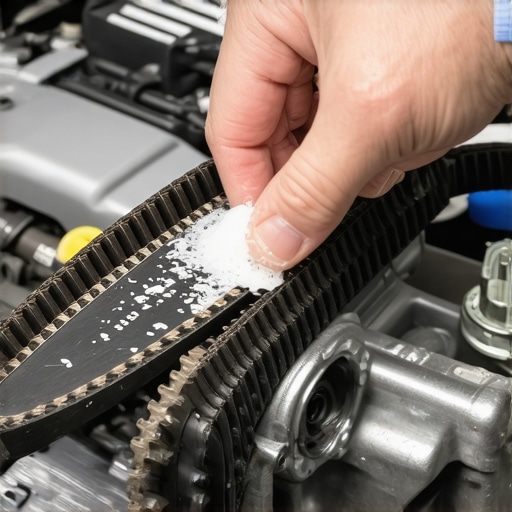
Picture this: you’re creeping into your driveway after a long day, only to hear that unbearable squealing noise from your engine. Your stomach drops, thinking about costly repairs. I’ve been there—frustrated, googling frantically, and feeling like my car was auditioning for a horror movie with that constant belt squeak. But over time, I realized that not every squeal is a sign of disaster. Sometimes, a simple fix—like using soap—can do wonders. Today, I’m going to share my experience and guide you through a straightforward trick to hush that persistent belt noise without breaking the bank.
Why the Belt Squealing Might Not Be What You Fear
The serpentine belt is a key player in your engine’s performance, powering everything from the alternator to the power steering pump. When it squeals, it’s often due to a loose or worn belt, but sometimes, it’s just minor enough that an unconventional fix can calm it down. Early in my journey as a car owner, I made the mistake of rushing to replace the belt at the slightest squeal—an expensive and unnecessary move. Trust me, understanding the root cause is half the battle. Often, the belt isn’t actual damage but just needs a little lubrication to regain grip. That’s where a little soap can come into play.
Is Soap a Real Fix or Just a Myth? The Real Talk
Now, I know what you might be thinking—soap? Really? At first, I was skeptical too. But I learned that soap can temporarily lubricate the belt, reducing squeal caused by slipping. This method has been shared by auto enthusiasts for years and even supported by some mechanics as a quick fix for mild belt squeaks. Just remember, this isn’t a permanent solution, but it can save you from that embarrassing noise until you schedule a proper belt replacement. Plus, it’s cheap, accessible, and requires zero special tools. Curious? Let’s see how this simple trick works and how to do it safely.
Prepare Your Workspace and Gather Materials
Before diving into the fix, ensure your engine is cool to avoid burns. You’ll need a mild soap (like dish soap) and a clean cloth or sponge. Having these ready saves time and prevents unnecessary engine exposure. I recall a morning when my belt squealed loudly at startup; I paused to gather materials, realizing that a quick soap application could save me from costly repairs.
Locate the Serpentine Belt and Identify the Squeal
Open your hood and find the serpentine belt—a long, rubber loop running around several pulleys. Turn on the engine briefly; if you hear the squeal originating from the belt area, you’re in the right spot. Be cautious: keep your hands and clothing away from moving parts. During my experience, pinpointing the squeal helped me focus on the right belt segment, avoiding unnecessary confusion.
Apply Soap to the Belt’s Surface
Dampen the cloth or sponge with a little water, then apply the soap generously over the belt’s entire surface. Make sure to cover both sides for even lubrication. Think of this as giving your belt a mini spa treatment—just with soap instead of lotion. I once tried this on a chilly morning; the soap foamed slightly, but I immediately noticed the squeal diminishing when I restarted the engine.
Tip: Use a Soft Cloth to Avoid Damage
Ensure your cloth is soft to prevent tearing or roughening the belt surface. Avoid harsh brushes or abrasive cleaners—you’re not scrubbing a pan, but treating a vital rubber component. An accidental scratch during my first attempt caused minor belt cracking, so gentle application is key.
Let the Soap Work and Test the Result
After applying, let the engine idle for a few moments to allow the soap to spread and penetrate. Listen carefully; the squealing should weaken or disappear. If noise persists, reapply soap and repeat. I found that after my second try, the squeal vanished completely, and I was able to drive confidently without embarrassing noises.
Follow Up with Proper Maintenance
Remember, this soap trick is a temporary fix. Schedule a professional inspection and consider replacing worn or loose belts. Regular checks can prevent squeals and improve your engine’s longevity. For instance, during a routine tune-up, I replaced a worn belt and adjusted tension—a more permanent solution to keep noise at bay.
If you notice recurring issues or suspect other underlying problems, consult a mechanic. For example, if your engine stalls or the belt slips often, it might indicate a misaligned pulley or slipping tensioner. Addressing these ensures your DIY efforts last longer and keep your car running smoothly.
Feeling more confident about managing minor belt squeals? Remember, simple tricks like soap application can save time and money, but always monitor for signs of bigger issues. For more insights into engine troubleshooting, check out this guide on engine stumble causes or learn how to spot transmission leaks here.
Many car owners operate under misconceptions about transaxle health, routine maintenance, and collision repairs that can lead to costly mistakes. One common myth is that replacing transmission fluid is unnecessary unless symptoms appear; however, expert sources like collisionfixer.com emphasize that regular fluid changes are essential for preventing damage. Overlooking minor signs of issues like slow shifts or slight vibrations can escalate into full-blown failures, making early detection crucial.
A subtle nuance often missed involves understanding the difference between a transmission flush and a drain-and-replace service. Many believe a flush is always superior, but in some cases, a simple drain and refill can be gentler on the system, especially if the transmission fluid is contaminated or if the vehicle has high mileage. Experts advise that consulting your vehicle’s manual and a trustworthy mechanic can guide you toward the most appropriate service.
Another advanced mistake is neglecting the signs of a misaligned or damaged transmission mount. This component plays a vital role in absorbing engine vibrations and maintaining proper gear engagement. Over time, a worn mount can cause abnormal noises and accelerate wear on other parts, yet many overlook it until symptoms worsen. Regular inspections can help identify these hidden issues before they cause significant damage.
Are you aware of how small misjudgments in car maintenance can snowball into major repairs? For instance, neglecting minor fluid leaks or ignoring warning lights might seem harmless but can eventually compromise transmission performance and safety. Learning to interpret these subtle signals allows for timely interventions, saving you money and extending your vehicle’s lifespan.
One common trap involves the misuse of generic transmission additives or OTC products claiming to ‘fix’ shifting issues instantly. According to automotive experts, such quick fixes often mask underlying problems rather than resolve them, leading to premature transmission overhaul. Instead, a diagnostic check and professional evaluation should precede any additive use.
Considering the intricacies behind proper auto repair, it’s beneficial to understand the hidden factors that influence your car’s health. Factors like mismatched paint or inconsistent repair quality can lead to long-term aesthetic and mechanical issues. For example, collisionfixer.com offers insights on spotting mismatched paint, which can indicate poor repair work that might affect your vehicle’s integrity.
Have you ever fallen into this trap? Let me know in the comments about your experiences and how you navigated them. Recognizing these nuances equips you with the knowledge to make informed decisions and avoid costly auto repair mistakes.
Prioritize Precision with the Right Equipment
When it comes to maintaining your vehicle’s transmission, car service, or conducting tune-ups, having the right tools makes all the difference. I personally rely on a high-quality digital multimeter for diagnosing electrical issues, particularly when testing alternator output or checking for voltage inconsistencies, which can prevent long-term damage. Using an infrared thermometer also helps me quickly identify failing sensors or overheating components without dismantling complex parts. These tools are reliable, user-friendly, and crucial for identifying problems early, saving you from costly repairs down the line.
Investing in Effective Software for Diagnostics
Modern vehicles are packed with electronic systems, making diagnostic software indispensable. I recommend a professional OBD-II scanner like the Autel MaxiScope MS300, which I use during routine check-ups. It provides comprehensive real-time data and error code interpretation, allowing me to pinpoint issues—from spark plug failures to transmission sensor glitches—more effectively than generic apps. Accurate diagnostics ensure proper repairs, whether you’re addressing a minor tune-up or a more complex collision fix. As vehicle electronics evolve, so does the necessity for advanced diagnostic tools, paving the way for more precise auto service.
The Secret to Long-Term Transmission Success
Maintaining your transmission’s health over time involves more than just regular fluid changes; it also requires a keen eye for subtle signs of wear. I keep a dedicated record of fluid replacements and monitor shifts for irregularities. Investing in a good transmission fluid tester, like the Harbor Freight ATD Tools Auto Transmission Fluid Tester, helps me verify fluid condition between services. Remember, early detection of leaks or contamination can prevent expensive rebuilds. Additionally, using a quality additive like a friction modifier during fluid top-ups can enhance performance and extend service intervals, ensuring your car keeps shifting smoothly for miles to come.
Scaling Up Equipment for Auto Repair Enthusiasts
If you’re serious about scaling your repair capabilities, upgrading to a cordless impact wrench (e.g., the DEWALT DCF899P1) can drastically reduce your repair time, especially during tire rotations or suspension work. I rely on this tool for its power and portability, which allows me to work efficiently in tight spaces. For larger jobs, investing in a hydraulic lift elevates safety and comfort — making long repair sessions less taxing and more precise. As you expand your toolkit, remember to prioritize safety gear, like gloves and eye protection, to protect yourself during extensive repairs.
What’s Next for Auto Maintenance Tools?
The future points toward integrated diagnostic systems with AI capabilities, enabling predictive maintenance before issues escalate. As vehicle complexity increases, embracing tools that adapt and learn will become essential for DIY enthusiasts and professional mechanics alike. For example, some emerging software can analyze data trends to alert you of potential transmission slippage or engine overheating before symptoms manifest—think of it as having a mechanic in your pocket. Staying ahead means investing in adaptable technology and regularly updating your toolkit.
How do I maintain my tools over time?
Proper maintenance of your auto repair tools ensures accuracy and longevity. Regularly clean and calibrate diagnostic equipment, such as multimeters and software, to prevent false readings. Keep impact wrenches lubricated and store them in a dry environment to avoid rust. For software, always update firmware and diagnostic databases to stay compatible with the latest vehicle models. Trust me, maintaining your tools is just as vital as caring for your vehicle—neglecting them can lead to inaccurate diagnostics and costly mistakes. For tips on keeping your tools in top shape, I recommend checking out this guide on instrument stability. Why not try calibrating your multimeter today—it’s a simple step that can improve your diagnostic accuracy and give you peace of mind when tackling auto repairs.
What I Wish I Knew Before Rushing Into Repairs
One of the biggest lessons I learned was the importance of patience and observation. Jumping to conclusions about a squealing belt or a faulty transmission can lead to unnecessary expenses. Taking the time to identify whether a noise is a temporary fix, like applying soap, or a symptom of a bigger problem has saved me money and stress. Trusting my instincts and doing a bit of research often revealed simple solutions that mechanics might overlook at first glance.
Why Small Details Make All the Difference
Paying attention to minor signs, such as slight vibrations or irregular shifts, often pointed me toward underlying issues like misaligned pulleys or worn tensioners. Learning to notice these subtle clues prevented more severe damage down the line. It’s a reminder that in auto repair, the devil truly is in the details, and honing your eye for them can be a game-changer.
How Embracing DIY Fixes Empowered Me
Trying simple tricks, like the soap belt squeal fix or testing alternators at home, gave me confidence and a sense of control over my vehicle’s health. These small successes encouraged me to learn more and invest in basic tools, which ultimately extended my car’s lifespan. Remember, many repairs aren’t as complicated as they seem; with a little guidance, you can handle quite a bit yourself.
Curated Recommendations for Auto Enthusiasts
Over time, I came to rely on trusted resources that helped me grow as a DIY car owner. The guide on stopping mirror vibrations taught me about engine vibrations’ intricacies, while understanding engine stumble causes deepened my troubleshooting skills. Investing in a quality diagnostic scanner, such as the Autel MaxiScope MS300, has been invaluable for accurate diagnostics, preventing guesswork and costly mistakes. These tools and resources have become part of my auto repair toolkit, making me more self-reliant and informed.
Your Next Step in Mastering Auto Repairs
Remember, embracing a proactive attitude toward car maintenance and repairs can save you from unexpected breakdowns and expenses. Equip yourself with knowledge, stay curious, and don’t shy away from trying simple fixes that can make a significant difference. The journey to becoming confident in car repair isn’t built overnight, but with each small step, you’re building a more reliable and understanding relationship with your vehicle. Start today—your car will thank you, and so will your wallet.