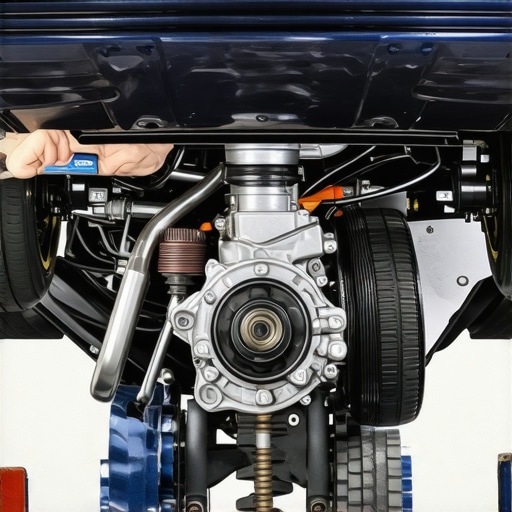
I remember the day like it was yesterday. I was creeping out of my driveway, turning the steering wheel, and suddenly, that unbearable whining sound filled the cabin. It was loud enough to make me wince every time I turned. That moment made me realize—something wasn’t right, and it was time to get to the bottom of that irritating noise. If your power steering pump is whining, you’re not alone. Many drivers face this issue and wonder if it’s a sign of a bigger problem or just a minor hiccup.
Decoding the Whine: Why Your Power Steering Pump Sounds Like That
Power steering systems are designed to make steering effortless, especially at low speeds. But when the pump starts to whine, it’s often a sign that something’s not working as it should. Typically, this noise indicates low hydraulic fluid, a worn-out pump, or a leak somewhere in the system. When fluid levels drop or the pump becomes worn, it struggles to generate the necessary pressure, resulting in that high-pitched squeal every time you turn the wheel.
From personal experience, I learned that ignoring this sound only leads to more serious issues. The pump can overheat or fail completely, leaving you stranded or facing costly repairs. Early detection and addressing the root cause can save you time and money in the long run.
Did you know that a whining power steering pump can sometimes be caused by contaminated or degraded fluid? According to automotive experts, replacing or flushing the fluid can often quiet the system and prolong the pump’s life. For a deeper dive into related system noises, check out [why your car sounds like a jet plane when driving](https://collisionfixer.com/why-your-car-sounds-like-a-jet-plane-when-driving).
Before rushing to replace parts, I made the mistake of assuming that the pump was beyond saving. Instead, I learned to diagnose the issue properly—checking fluid levels, inspecting for leaks, and listening carefully for other symptoms. Recognizing these early signs means you can tackle the problem before it turns into a full-blown failure.
So, if that persistent whining sound is starting to bother you—or worse, affecting your steering—it’s worth taking a moment to investigate. In the next sections, I’ll walk you through simple steps to identify whether your pump just needs some attention or if it’s time for a replacement. Trust me, a little troubleshooting can go a long way toward keeping your car running smoothly and your driving stress-free.
Check the Power Steering Fluid Level
Start by locating the power steering reservoir, usually a small tank near the engine bay. Remove the cap and inspect the fluid level—the fluid should be within the recommended range marked on the dipstick or reservoir. I once had a frustrating experience when I ignored this step, assuming the pump was faulty. After topping off the fluid with manufacturer-approved fluid, the whining stopped instantly, saving me a costly pump replacement. Remember, low fluid levels cause the pump to scream under strain, much like a person gasping for air.
Inspect for Leaks and Seal Damage
Examine the steering rack, hoses, and pump connections for signs of fluid leaks or cracked seals. Use a clean cloth to wipe around these areas; any wet spots or crusty residue indicates a leak. I learned this the hard way when I ignored a small leak and watched it worsen, eventually leading to steering difficulty. Replacing damaged seals or tightening loose fittings often halts the leak and silences the pump.
Listen and Test the System
Turn the steering wheel from lock to lock slowly while the engine is running. Pay attention to the noise; a whining sound that appears only during turning indicates hydraulic issues. For an extra diagnostic step, with the engine running, turn off electrical accessories that could mask the noise. Sometimes, a contaminated or degraded fluid causes aeration and noise—flushing and replacing the fluid can resolve this, much like changing oil in a clogged engine. Check out more about system noises to understand other abnormal sounds.
Check the Power Steering Pump Belt
Inspect the belt driving the pump for looseness, cracks, or glazing. A worn belt slips under load, creating squeals and whining. I once replaced a loose belt that had become glossy from wear, which immediately eliminated the noise. Tighten or replace the belt as needed, ensuring it has proper tension—think of it as tightening your shoelaces before a run for optimal support.
Perform a System Pressure Test
If the above steps don’t resolve the issue, a pressure test using a hydraulic system gauge can pinpoint if the pump is producing enough pressure. This test is often performed at a repair shop, but understanding the principle helps you gauge if your system is underperforming. A failing pump often cannot generate proper pressure, leading to whining and steering issues. Regularly testing pressure prevents unexpected failures much like a routine checkup keeps your health in check.
Consider Fluid Replacement or System Flush
If fluid contamination is suspected, drain the old fluid and replace it with fresh, manufacturer-recommended hydraulic fluid. Flushing the system removes debris and aeration, significantly reducing noise. I once tackled this myself by draining the reservoir, refilling, and cycling the steering from lock to lock several times—within seconds, the wild whining was replaced by a smooth hum. Maintaining clean fluid extends pump life and ensures optimal performance.
Examine the Steering Rack and Hoses
Persistent noise despite the above steps may be from internal steering components or damaged hoses. Look for hardened or cracked hoses that restrict fluid flow. Replacing worn hoses or damaged lines restores pressure stability and quiets the system. In some cases, replacing defective parts is akin to repairing a broken link in a chain—restoring strength and smooth operation.
When to Seek Professional Help
If all these steps fail, it’s time to visit a mechanic. They might perform a comprehensive hydraulic system diagnosis or suggest pump replacement. Sometimes, internal bearing failure or excessive wear necessitates professional intervention—much like visiting a specialist when injuries can’t be patched at home. Recognizing when you’re out of depth saves time and prevents further damage.
Many car owners operate under common beliefs about maintenance and repairs, but behind the scenes, there’s often more than meets the eye. For instance, a widespread myth is that sticking to a strict routine oil change schedule guarantees flawless engine performance. While regular oil changes are vital, recent studies indicate that a comprehensive approach—including inspecting seals, belts, and transmission fluid—is equally crucial for longevity. Overlooking these can lead to unexpected breakdowns despite diligent oil maintenance.
Moreover, many believe that choosing the cheapest repair shop ensures savings, but this can sometimes backfire. A lower upfront cost might come with subpar service or incorrect repairs, leading to higher expenses later. That’s why vetting a repair provider based on reviews, certifications, and transparent procedures is a smarter move.
Have you ever fallen into this trap? Let me know in the comments.
Why do some transmissions fail prematurely despite regular care?
It’s a question many advanced vehicle owners ask. In fact, neglecting or misinterpreting transmission signs—such as subtle slipping or delayed engagement—can accelerate wear beyond what routine fluid changes address. Modern transmissions have complex internal components sensitive to contaminants, which can cause them to fail faster if not properly managed. Experts emphasize that understanding these nuanced signs and performing system flushes at appropriate intervals can prevent costly repairs. For detailed insights, check out [the 12 ground wire that triggers a transmission limp mode](https://collisionfixer.com/the-12-ground-wire-that-triggers-a-transmission-limp-mode).
Another often overlooked factor is the condition of the transmission control module (TCM). Corrosion, software glitches, or faulty sensors can miscommunicate commands, leading to improper shifting and potential damage. Regular diagnostic checks can identify these issues early, saving you from a complete transmission rebuild.
Remember, true auto repair mastery involves more than just replacing parts; it requires reading between the lines and understanding subtle system cues. By grasping these nuances, you avoid the common pitfalls that even seasoned technicians might miss. For instance, many drivers don’t realize that a persistent whine in the drivetrain can be traced back to a failing wheel bearing, which often precedes more severe issues. You can learn how to spot such failures early through dedicated diagnostics.Maintaining your vehicle’s performance requires more than just basic knowledge—it’s about having the right tools and understanding the best practices. I personally swear by a few specialized pieces of equipment and software that make diagnosing and repairing issues more precise and less time-consuming. For example, an OBD2 scanner like the BlueDriver Bluetooth Professional Diagnostic Tool has been invaluable in my toolkit. Unlike generic scan tools, it connects to my smartphone and offers comprehensive diagnostics, including emission readiness, ABS, and transmission codes. This allows me to pinpoint problems quickly, often before they escalate into costly repairs, such as replacing a faulty transmission or fixing a leak that causes engine misfires. Additionally, a high-quality mechanic’s creeper, like the Draper Expert Mechanics Creeper, makes under-vehicle inspections more comfortable and thorough. Pair this with a good LED flashlight—like the Fenix PD35—which illuminates tight spots and helps spot issues like gasket leaks or cracks in hoses. For fluid management, I always keep a set of syringes and a flexible funnel to perform system flushes or top-offs with precision. Regularly flushing hydraulic fluids or replacing transmission fluid at intervals recommended in your vehicle’s manual can significantly extend component lifespans. As the trend shifts toward smarter maintenance, automotive diagnostic software is becoming more sophisticated. Cloud-based platforms now offer diagnostic data logging and remote vehicle health monitoring, allowing you to track performance over time. This foresight helps prevent failures like wheel bearing seize-up or alternator burnout, saving you from sudden breakdowns. Looking ahead, I believe vehicle maintenance tools will become increasingly integrated with AI, providing predictive diagnostics that alert owners to potential issues before symptoms even appear. This proactive approach minimizes downtime and reduces repair costs. For now, I recommend starting with a reliable OBD2 scanner and learning how to interpret its data—you might be surprised by what you discover. Interested in a quick recommended tip? Try performing a system pressure test using a hydraulic gauge to verify your power steering pump’s performance. This step can identify issues early, saving money and frustration down the road. For more insights on diagnosing complex issues, check out this guide on how to test a used car transmission in just five minutes.
The Hidden Lessons I Wish I Learned Sooner About Power Steering Maintenance
- One of the biggest lightbulb moments was realizing that regular fluid checks and timely system flushes could save me hundreds of dollars and prevent annoying whining noises in the first place. Ignoring these signs often leads to costly pump replacements that could’ve been avoided with proactive care.
- I used to believe that a whining power steering pump was always a sign of an inevitable failure. Turns out, simple fixes like tightening belts or topping off fluid levels can often resolve the issue without any part replacements. Knowing when to DIY versus when to seek professional help has been a game-changer.
- Another lesson was understanding that system leaks aren’t always obvious, making routine inspections crucial. Cracks or crusty residue around hoses and seals often sneak in unnoticed, but catching leaks early can prevent complete system failure and save time and stress.
My arsenal of tools and resources for keeping your power steering whisper-quiet
- Investing in a quality OBD2 scanner like BlueDriver has empowered me to diagnose issues early, often spotting potential problems before they cause audible whining or steering issues. It’s a small investment that pays for itself in peace of mind.
- Regularly consulting authoritative sources such as Collision Fixer’s guides provides clarity on complex problems like fluid contamination or belt wear. Their comprehensive resources have helped me tackle both minor maintenance and bigger repairs confidently.
- Having a handy hydraulic pressure gauge allows me to verify pump performance on the spot—a crucial step if you want to understand whether the pump itself is failing or if the issue stems elsewhere in the system. The ability to perform this simple test at home makes a real difference.
- And of course, keeping a set of quality replacement parts—belts, hoses, and hydraulic fluid—ready means I can act swiftly when inspections reveal worn components. This preparedness saves time and keeps my vehicle running smoothly.
Your turn to make the fix happen
Dealing with a whining power steering pump can seem daunting at first, but with the right knowledge and tools, you’re well-equipped to troubleshoot and resolve most issues yourself. Remember, early action can prevent costly repairs and keep you safely steering through everyday drives. Are you ready to give your car the attentive care it deserves and say goodbye to that irritating whine? Share your experiences or questions below—let’s keep the conversation rolling!