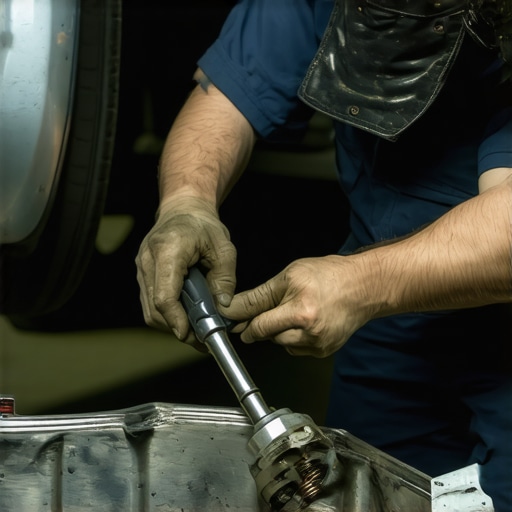
Ever had that sinking feeling when you realize your oil drain plug won’t budge, no matter how much muscle you throw into it? I remember the first time I faced this nightmare—standing under my car, soaked in oil, torque wrenches slipping, and frustration mounting. It’s a moment that’s equal parts embarrassing and infuriating. But let me tell you, that lightbulb moment when I discovered the secret to removing a stripped oil drain plug changed everything for me—and it can do the same for you.
Why a Stripped Oil Drain Plug Feels Like a Dead End
The oil drain plug is one of those tiny parts that hold your engine’s health in check. When it’s stripped, it can turn a simple oil change into a full-blown nightmare. I learned this the hard way early on—mistakenly using the wrong tools or applying too much force only made the situation worse, stripping the hex head even further. It’s a mistake I won’t repeat after experiencing the hassle of extraction work and the potential for costly repairs. Did you know that ignoring a stripped drain plug or trying to force it out can lead to metal shavings contaminating your engine oil—causing even more damage? (Source: Collision Fixer)
But here’s the good news: there are proven methods to get that stubborn, stripped plug out without damaging your oil pan. And today, I’ll walk you through the techniques I wish I knew back then—techniques that saved me from an expensive repair bill and countless headaches. Whether you’re a seasoned DIY enthusiast or just trying to get your car back on the road, these tips will steer you clear of disaster and get that plug out fast.
Is It Really Worth the Hype to Fix a Stripped Drain Plug Yourself?
At first, I hesitated. I feared I’d mess up the threads or make the situation worse. Let me tell you, rushing into it without proper tools or guidance is a rookie mistake. I learned that patience, the right approach, and a clear plan are key. My early attempts involved improvising with pliers and luck, which only worsened the problem. Trust me, a small mistake here can lead to big trouble—and that’s why I recommend following a structured approach instead of winging it. Ready to reclaim control and prevent costly repairs? Let’s dive into the most effective methods I’ve found for removing a stripped oil drain plug and keeping your engine healthy.
Secure Your Workspace and Gather Tools
Start by parking your car on a flat surface, engaging the parking brake, and allowing the engine to cool completely to prevent burns. Gather essential tools: a set of rounded or damaged hex sockets, locking pliers, a screwdriver or chisel, and JB Weld or similar epoxy adhesive. Wearing safety glasses and gloves is recommended for safety. I once tried to fix my drain plug without proper safety gear, leading to a small cut; now I always prioritize safety first.
Assess the Damage and Choose Your Approach
Examine the drain plug’s condition. If the hex head is rounded or stripped, it needs a different approach. For severely rounded plugs, using locking pliers or a strap wrench can provide better grip compared to standard sockets. I remember attempting to turn the plug with pliers, which worked when the grip held, but was messy and time-consuming. Having the right technique prevents further damage to the oil pan.
Apply Locking Pliers and Twist Carefully
Clamp the locking pliers onto the flats of the drain plug’s head firmly. Maintain a steady, controlled motion—turn slowly to avoid slipping or damaging the pan. If the grip slips, reposition and tighten the pliers. In a late-night garage session, I struggled for over half an hour with limited success until I realized a firm grip was essential. This method often gives enough leverage to unscrew stubborn or rounded plugs.
Use Penetrating Oil for Stubborn Cases
Spray a liberal amount of penetrating oil, like WD-40, around the plug’s edges and let it sit for 10-15 minutes. This softens corrosion and helps loosen the plug. I once improvised by applying brake cleaner as a solvent, which was a mistake—it evaporates quickly and isn’t designed for that purpose. Proper penetrating oil is worth the investment, especially on rusty or stuck plugs.
Chisel or Screwdriver Technique
If the plug remains stubborn, carefully insert a flathead screwdriver or chisel into the side of the plug and tap gently with a hammer to create a break in the seal. Then, twist using the screwdriver handle or chisel. Think of it like splitting a block of ice—they use subtle force to fracture and loosen. I once used a flathead screwdriver to carefully twist out a stubborn plug, causing minimal damage due to patience and controlled force.
Use Epoxy as a Last Resort
If the plug is too damaged to grip, clean any debris, then mix JB Weld and apply it onto the remaining part of the plug’s head. Let it cure as per instructions, then use a socket or wrench to turn it out. Picture it as setting a makeshift bolt around the damaged head. This method requires patience but is effective, even when other tools fail. I employed this trick after multiple unsuccessful attempts, and it saved me from drilling out the plug and risking damage to the oil pan.
Prevent Future Stripping with Proper Technique
Always use the right size socket and plenty of lubricant during future oil changes. Applying steady torque rather than forcing can save pain and money down the road. Regular maintenance and inspection help identify corrosion early. If you’re ever unsure, consulting a professional or visiting a trusted auto service provider can spare you costly repairs, like those detailed in top signs your car needs expert repair. Remember, patience and proper tools make all the difference in executing these steps successfully.
Many car owners operate under misconceptions about transmission repair and general auto maintenance that can lead to costly mistakes. Contrary to popular belief, not every transmission problem warrants a full overhaul; sometimes, a simple fluid change or minor adjustment can extend its lifespan significantly. A common myth is that all auto repairs are generated equally, but understanding the nuances can help you save money and avoid unnecessary replacements. For instance, did you know that timely tune-ups can prevent major transmission failures? Moreover, many believe that all car service centers perform equally—yet, some shops may push costly rebuilds without proper diagnostics, which can be a costly mistake.
Let’s examine a less obvious but critical aspect: the importance of distinguishing between symptoms indicating genuine issues and those caused by minor, easily fixable problems. For example, a slipping transmission might be mistaken for a simple sensor fault rather than a sign of worn clutch plates or contaminated fluid. Recognizing the fine details can mean the difference between a quick fix and a comprehensive overhaul.
**Are there signs that only a seasoned mechanic would catch?** Absolutely. For example, subtle hesitation during acceleration or inconsistent torque converter behavior often signals internal transmission issues that are easily misdiagnosed as software glitches or low fluid levels. According to expert sources, proper diagnostic techniques are essential for accurate repairs, saving you from unnecessary expenses.
One critical mistake I see often involves ignoring early warning signs. For example, neglecting a slight grinding noise during shifts can escalate into complete transmission failure if left unaddressed. This ‘oops’ factor underlines why regular professional inspections are invaluable, especially since transmission issues can be insidious.
Now, for the advanced gearheads, consider the impact of transmission fluid degradation. Beyond color change, experts recommend testing the fluid’s viscosity and contamination levels regularly. These subtle measurements can reveal impending issues before symptoms appear, making proactive maintenance crucial.
Understanding these nuances requires a keen eye and knowledge that surpasses basic car care. Remember, not every repair is a straightforward fix, and sometimes, the most cost-effective approach involves precise diagnostics and informed decisions. Have you ever fallen into this trap? Let me know in the comments.
Equip Yourself with the Right Tools for Auto Maintenance
Maintaining your vehicle’s transmission and overall auto systems requires more than just basic knowledge—having the right tools ensures precision and safety. One tool I swear by is a digital torque wrench, which allows me to apply exact torque levels when tightening bolts, preventing over-tightening that can cause damage. For example, during fluid replacements, precise torque settings are crucial to avoid leaks or component failure. I’ve also found that a professional-grade scan tool, like the Autel MaxiCOM or BlueDriver, is invaluable for diagnosing complex transmission issues early, saving money and avoiding unnecessary repairs. These tools give me detailed insights into error codes, transmission fluid temperatures, and sensor readings, which are essential for accurate diagnostics.
For stubborn old bolts or corroded components, a high-quality impact wrench with adjustable settings helps loosen parts without causing damage. Additionally, a set of high-grade, heat-resistant gloves and safety glasses are non-negotiable; they protect you during messy or risky procedures, especially when working under the car or with chemical products.
Adopt Proven Maintenance Methods for Long-Term Results
Consistency is key for transmission longevity and overall vehicle health. Regularly scheduling tune-ups—like those outlined in maximizing your car’s lifespan with regular tune-ups—helps catch issues early before they escalate. Change transmission fluid at manufacturer-recommended intervals, employing quality lubricants such as synthetic ATF, which resist breakdown longer. I prefer using a pressure pump system for fluid exchange, ensuring complete replacement and thorough flushing, which significantly enhances transmission performance.
In the future, I predict advances in diagnostic software will further empower DIY enthusiasts to perform complex maintenance tasks, reducing the need for costly mechanic visits. As technology evolves, so will our ability to monitor vehicle health proactively, making long-term automotive care more accessible and affordable.
How do I keep my transmission running smoothly over time?
The secret lies in regular inspections and early interventions. Checking fluid levels and quality monthly, listening for unusual noises, and staying alert to shifting irregularities are simple steps with big payoffs. Additionally, using diagnostic tools like the ones mentioned earlier helps spot sensor faults or fluid contamination before symptoms worsen. If you notice a slip during acceleration or if your gear shifts feel rough, don’t delay—consult a professional or refer to trusted resources like Collision Fixer for expert guidance. Incorporating these practices into your routine means fewer surprises and a more reliable ride. Remember, keeping your transmission healthy isn’t just about fixing problems when they occur but about cultivating a proactive maintenance mindset that extends your vehicle’s lifespan and performance.
Lessons from the Trenches of Auto Repair
One of the most surprising lessons I learned is that patience and proper technique trump brute force every time. Trying to wrench out a stubborn, stripped drain plug with makeshift tools often led me to more damage and frustration. The lightbulb moment was realizing that specialized tools and a calm approach could save the day—and my oil pan. It taught me to view every repair challenge not as a battle to win but as a puzzle to solve, which applies to so many aspects of auto maintenance.
Another insight was how critical consistent maintenance habits are. Regularly applying lubricant, inspecting for corrosion, and avoiding rushed repairs can extend your vehicle’s lifespan and make tricky jobs easier. It’s like building a relationship with your car—trust and understanding lead to smoother ownership.
I also discovered that knowing when to call in the pros can be a game-changer. While DIY saves money, some situations demand expert diagnostics. Recognizing signs of internal transmission issues early, like subtle hesitation, can prevent costly rebuilds. Resources like Collision Fixer provide invaluable tips that help me decide when to tackle repairs myself and when to seek professional help.
My Toolbox for Auto Success
I trust a set of high-quality tools that make difficult jobs manageable. A digital torque wrench ensures I don’t overtighten, which could cause damage, while a professional-grade scan tool like BlueDriver keeps me informed of complex transmission codes. For stubborn bolts, an impact wrench with adjustable settings is indispensable. My safety gear, including gloves and glasses, is non-negotiable—protecting me during chemical handling or under-vehicle work. These tools have proven their worth time and again, making reliable maintenance not just a goal but a reality.
Take Charge, Keep Moving Forward
Your vehicle is more than just transportation; it’s an investment in your mobility and independence. Embracing proper techniques, investing in the right tools, and staying proactive can transform even the most daunting repair into a manageable task. Remember, each successful fix boosts your confidence and extends your car’s healthy lifespan. So, dive in with patience and curiosity—your auto journey is just beginning.
What’s the most challenging repair you’ve faced, and how did you overcome it? Share your story below—I’d love to hear your experiences!
,