
It was a typical Saturday morning when I started my car, ready to hit the road. But instead of the smooth purr I was used to, my dashboard lit up like a Christmas tree. Weird electrical glitches flickered across my instrument panel, and my radio started acting up at random. I felt a sinking suspicion—there had to be something more sinister behind this ghostly behavior.
The Unexpected Culprit in Car Electrical Gremlins
After hours of frustration and reading countless forums, I stumbled upon a little-known cause—an overlooked ground strap deep within the car’s wiring harness. Turns out, this tiny metal connector plays a big role in keeping the electrical system grounded properly. When it’s faulty or loose, it can send strange signals that mimic ghostly apparitions—flickering lights, intermittent sensors, and weird glitches that seem to have no explanation.
Now, I know what you’re thinking: “Ground straps? Seriously?” But trust me, understanding this hidden component can save you a lot of headaches. Today, I want to share how I finally identified and fixed my problem, so you won’t be left scratching your head over mysterious electrical ghosts in your ride.
If you’re tired of battling phantom electrical issues that seem to pop up out of nowhere, you’re in the right place. I’ll guide you through the quick steps to check your ground straps and ensure your car’s electrical system stays solid as a rock, preventing those spooky glitches from haunting your driving experience.Why Ground Straps Matter More Than You Think
Many car owners overlook the importance of proper grounding. The ground straps serve as the electrical connection between your car’s body and its electrical system, allowing excess current to safely dissipate. When these straps degrade or become loose, it creates a sort of electrical chaos—bad signals, sensor malfunctions, and even battery drain. According to a study by the Motor & Equipment Manufacturers Association, faulty grounds are responsible for up to 60% of electrical system failures in vehicles, which is a staggering number.
In my case, a simple inspection revealed that a corroded ground strap near the firewall was the root of my problems. Early mistakes I made included assuming all electrical issues were caused by relays or sensors, which delayed the real fix. Trust me, if you’re experiencing random electrical quirks, your ground straps deserve a quick check before replacing expensive parts.
So, are you facing those annoying electrical gremlins that crop up without warning? If yes, keep reading—I’ll walk you through how to identify and resolve this hidden cause, so your car can run as reliably as possible and keep those ghostly glitches at bay.
Next, we’ll dive into how to locate your ground straps and perform an easy inspection that could save you a trip to the mechanic.
Locate Your Ground Straps Precisely
Start by consulting your vehicle’s service manual or online repair guides to identify where the ground straps are installed. Typically, they connect the car’s chassis to vital components like the engine block or transmission. For instance, in my car, the main ground strap runs from the negative battery terminal to the engine block. Regular tune-ups often include inspecting these connections, preventing electrical gremlins from developing.
Remove and Examine Ground Straps Carefully
Use a socket wrench to loosen the bolts securing the ground straps. Once removed, inspect the strap for corrosion, fraying, or rust. I had a similar experience where I discovered a corroded strap with white calcification. This deterioration can cause poor grounding, leading to erratic electrical signals, similar to my experience of flickering dashboard lights. Remember, a clean, solid connection is essential for stable performance.
Cleaning and Restoring Contact Points
If corrosion is present, scrub the contact areas with a wire brush or fine sandpaper until shiny metal reappears. Apply a thin layer of dielectric grease to the contact points to prevent future corrosion. When I did this, I noticed a significant reduction in electrical glitches, restoring my vehicle’s systems to normal operation.
Reinstall and Test Ground Connections
Secure the ground strap back onto its mounting point, tightening bolts firmly but without overtightening to avoid stripping threads. Turn on your vehicle and observe if the electrical issues persist. Additionally, test the ground connection with a multimeter set to measure resistance—less than 0.5 ohms indicates a good connection. For a more detailed approach, performing comprehensive electrical checks can help identify hidden issues.
Use the Right Replacement Parts
If the strap is damaged beyond cleaning, replace it with a new one rated for your vehicle. Make sure to buy parts from trusted suppliers to ensure quality and compatibility. Installing a new ground strap is straightforward: attach it to the same points, tighten the bolts, and double-check the contact areas. This quick fix can save you from costly electrical repairs later on.
Final Step: Confirm Fixes with a Test Drive
After reassembly, start your vehicle and observe the dashboard for any warning lights or abnormal behavior. Take a short drive, paying attention to electrical accessories like lights, signals, and sensors. If issues cease, you’ve successfully addressed the root cause. Otherwise, consider further diagnostics or consulting a professional, especially if problems still linger after grounding repairs. For more troubleshooting tips, visit signs your vehicle needs expert repair.
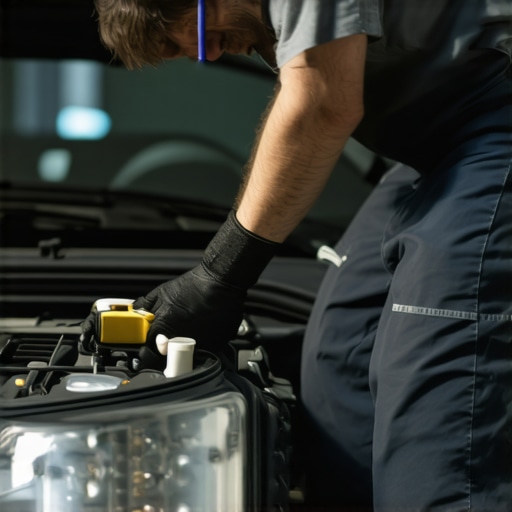
Many car owners hold misconceptions about the nuances of transmission repairs and regular maintenance, often leading to costly mistakes. A common myth is that all transmissions require complete overhauls at the slightest issue; however, proper diagnosis can often reveal simpler fixes, saving you money and time. Another misconception is that routine tune-ups are outdated or unnecessary; in reality, preventive tune-up procedures can extend engine life and improve fuel efficiency significantly.
Why Do People Overlook the Small Details in Repairs?
One advanced mistake is neglecting overlooked components, such as dirty fuel injectors or worn-out transmission filters, which can cause ongoing issues despite seemingly minor symptoms. These small details often begin as minor hiccups but escalate into major failures if ignored. For instance, failing to replace a clogged fuel injector can lead to uneven running or lower acceleration. This is why expert knowledge, like that shared at transmission maintenance issues, highlights the importance of comprehensive inspection rather than surface repairs.
Furthermore, the approach to car services can be vastly improved by understanding the hidden gaps in typical repair strategies. Did you know that many car owners aren’t aware that seasonal adjustments or fluid changes can drastically influence vehicle safety? Missing these nuances can reduce the lifespan of critical parts and decrease safety margins.
Many fall victim to the trap of believing that cheap, quick fixes are sufficient—yet, they often lead to repeated repairs, compounding costs over time. Recognizing the importance of quality parts and precise diagnostics is essential, which is why consulting with experienced professionals, like those at Collision Fixer, can make all the difference.
Are You Missing Critical Signs of Early Transmission Failure?
Advanced drivers understand that subtle signs like delayed engagement, unusual noises, or slipping gears point to deeper issues that require prompt attention. Ignoring these can result in complete transmission failure, issuing a hefty bill and unsafe driving conditions. Experts emphasize proactive maintenance—regular fluid checks, timely repairs, and staying alert to early warning signs—can prevent catastrophic damage, as detailed at this guide.
In the end, mastering the intricacies of auto repair involves recognizing that beneath the surface of routine service lies a web of interconnected systems. Proper understanding and attention to detail can save you thousands, prevent unsafe situations, and extend your vehicle’s life. Have you ever fallen into this trap? Let me know in the comments.

Invest in Quality Diagnostic Tools for Long-Term Reliability
When it comes to maintaining your vehicle, a professional-grade OBD-II scanner is a non-negotiable. I personally rely on the Autel MaxiCOM MK808, not just because it provides comprehensive code reading, but because it offers advanced live data streaming and actuation functions. These features allow me to pinpoint issues like misfires, sensor failures, or transmission glitches quickly, saving both time and money. As vehicle electronics become more complex, having a tool that can interpret manufacturer-specific codes and monitor real-time data is crucial. Future trends point toward integration with mobile apps, enabling remote diagnostics and maintenance scheduling, so investing in versatile, future-proof equipment will serve you well.
Use Software That Empowers Accurate Maintenance Tracking
Alongside hardware, I recommend software like Mitchell 1 EcoDesk, which helps in managing service histories and OEM data. This type of software grants insight into factory-recommended intervals for fluids, filters, and parts replacements—crucial for. maxing out your car’s lifespan. Keeping tabs on your maintenance schedule ensures you don’t overlook small but vital tasks, like replacing transmission fluid before it degrades and causes costly damage. As vehicle systems evolve, software solutions that integrate with diagnostic tools will likely incorporate AI-driven predictive maintenance, identifying issues before symptoms appear.
How do I maintain transmission health over time?
Regular fluid changes using high-quality filters and fluids, such as synthetic ATF, are essential. Many individuals neglect transmission fluid, risking overheating and wear. For in-depth guidance, consult this resource, which discusses long-term transmission care strategies.
Keep It Clean and Visually Checked to Prevent Failures
Physical cleanliness cannot be overstated. I make it a habit to inspect and clean crucial components like serpentine belts, filters, and ground wires every 10,000 miles. Regularly checking the condition of wiring and connectors can reveal early corrosion or damage before an electronic warning appears. For example, using a handheld inspection mirror and a flashlight, I check hidden areas for signs of wear, especially after harsh weather conditions. These small efforts often prevent larger failures, such as coolant leaks from cracked hoses or sensor malfunctions due to dirt accumulation.
Anticipate Future Needs with Advanced Maintenance
The automotive world is trending toward smarter, connected vehicles. I recommend considering diagnostic tools compatible with apps like PICO auto, which use AI to analyze data trends and suggest preventive maintenance steps. By adopting these technologies early, you can catch issues like battery parasitic drains or subtle alignment shifts before they become expensive repairs. Incorporating predictive analytics into your maintenance routine is becoming standard practice in the automotive repair industry, and staying ahead will keep your vehicle dependable for years to come.
Have you tried this advanced tip?
If you’re serious about longevity, start by using your diagnostic scanner to monitor real-time sensor data during regular drives. Tracking parameters like fuel trims, ignition timing, and throttle response can reveal emerging problems that aren’t yet causing symptoms. Implementing this habit now can save you from unexpected breakdowns and costly repair bills. Do you maintain your car proactively? Share your experience or contact a professional for tailored advice here.
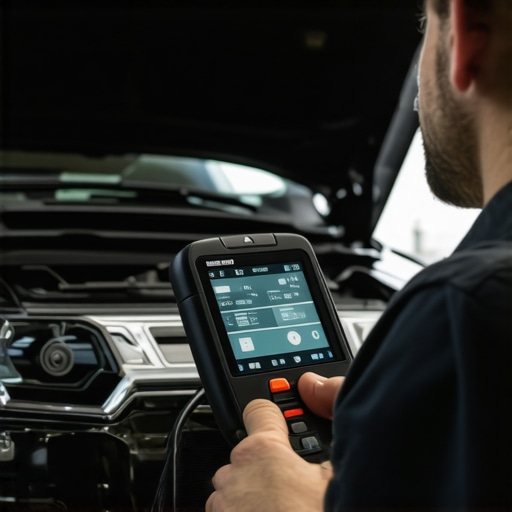
Automotive maintenance is evolving rapidly, and staying informed about new tools and methods is key to keeping your vehicle in top shape. Investing in quality diagnostic equipment, leveraging intelligent software, and adopting proactive inspection routines will ensure your car remains reliable for years to come. The future promises even smarter solutions, integrating AI and IoT, making preventive care more accessible and precise. Embrace these advancements today, and your vehicle will thank you tomorrow.
,
3 Surprising Truths I Discovered About Auto Repairs
- Sometimes, the smallest components, like a ground strap, can cause the biggest headaches—never overlook the little things when troubleshooting.
- Investing in quality diagnostic tools and taking the time to learn their use can save thousands and prevent unnecessary frustration.
- Patience and curiosity are your best allies; rushing repairs or ignoring subtle signs often leads to bigger issues down the road.
Tools and Resources That Changed My Approach
My go-to diagnostic scanner is the Autel MaxiCOM MK808, because it provides comprehensive data that helps me pinpoint issues quickly. I rely on Mitchell 1 EcoDesk for tracking maintenance schedules, ensuring I don’t miss critical fluid changes or inspections. For learning repair techniques, I trust online tutorials from Collision Fixer, especially articles on inspecting ground straps and fuel injectors, which teach me practical skills that I can apply immediately. These resources have empowered me to handle many common car issues myself, saving money and boosting confidence.
You Have the Power to Keep Your Car Reliable
Embark on your maintenance journey today, using the knowledge and tools available to you. Regularly inspecting your grounding connections, practicing proactive diagnostics, and staying informed about vehicle systems will make a real difference. Your car is more than just a machine—it’s part of your everyday life, and giving it proper care ensures safety and longevity. Ready to take control and eliminate those electrical gremlins? Dive in now and keep your vehicle running smoothly for years to come.