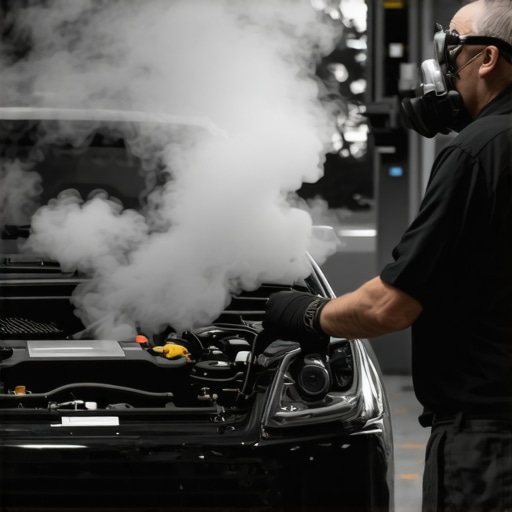
It was a cold Saturday morning when I finally decided to tackle the mysterious stumble in my engine that had been nagging me for weeks. I cranked up my engine, expecting a quick fix, but instead, I was met with a faint smell of exhaust and a growing sense of frustration. My first instinct? Panic. I knew there had to be a leak somewhere, but pinpointing it without the right tools felt like finding a needle in a haystack. Have you ever faced that sinking feeling when your car starts acting up, and every guess leads to more confusion?
Why Finding a Vacuum Leak Matters for Your Car’s Health
Understanding how to detect a vacuum leak is more than just a mechanic’s secret; it’s a game-changer for keeping your car running smoothly. A leak allows unmetered air to enter the engine, throwing off the air-fuel mixture. This can cause poor fuel economy, rough idling, or even stalling—issues nobody wants to deal with on a busy weekday or a road trip. Early detection can save you hundreds of dollars in repairs and keep your engine purring like new.
Is Smoke Testing Really Worth the Effort?
Now, I know what you might be thinking—’Smoke? Really?’ Believe me, I was skeptical too at first. Many auto shops use smoke machines because they make the leak visible. The smoke passes through the vacuum hoses and pinpoint the exact location of leaks, even tiny ones invisible to the naked eye. Early in my journey, I mistakenly thought that listening for hissing sounds was enough—big mistake. That oversight can lead to misdiagnosis or worse, unnecessary parts replacement. According to industry experts, smoke testing is one of the most reliable and efficient ways to locate vacuum leaks (source: [collisionfixer.com](https://collisionfixer.com/how-transmission-overhauls-save-you-money-in-the-long-run)).
This approach isn’t foolproof, but it’s a far better method than trial and error, saving you time, money, and a whole lot of frustration. So if you’ve been chasing down leaks with soapy water or feeling around hoses, maybe it’s time to consider smoke testing. But how exactly do you perform it? That’s what we’ll uncover next.
Set Up Your Workspace and Gather Equipment
Start by parking your vehicle in a well-ventilated area, ideally with the engine cool. You’ll need a smoke machine designed for automotive use, which can usually be rented from auto parts stores or purchased online. Also, prepare safety gloves and eye protection. Remember, safety first—never work near an open flame or sources of ignition.
Create a Seal for Your Intake System
Disconnect the mass airflow sensor and any vacuum hoses connected to the intake manifold. Seal the throttle body with a clean rag or use a throttle body seal to prevent smoke from escaping. This containment ensures smoke flows through the vacuum lines and components where leaks are likely to occur—like a castle under siege, sealing the gates helps direct the smoke exactly where it’s needed.
Introduce Smoke into the System
Connect the smoke machine’s nozzle to a port on the intake manifold or a vacuum line that feeds the system. Turn on the smoke machine and slowly increase the pressure as per the manufacturer’s instructions. As the smoke fills the system, it will begin to escape from any leaks—allowing you to see where they are.
Watch for Visible Signs of Leaks
Carefully examine all hoses, gaskets, and connections for puffing or wisps of smoke escaping. Use a flashlight if necessary for better visibility. The moment you spot smoke seeping out, you’ve identified a leak. Walk around the engine bay, inspecting thoroughly—tiny leaks might look like a faint mist, so patience is key. An example I encountered was a cracked vacuum hose that was almost invisible until the smoke revealed it, saving me hours of guesswork.
Pinpoint and Mark the Leaks
Once you’ve spotted the leak, mark it with a piece of chalk or marker. Turn off the smoke machine and note the location—this will guide your repairs. In some cases, leaks are caused by brittle hoses or deteriorated gaskets, which can be replaced easily. Keep in mind that multiple small leaks can be just as problematic as one big one, so thorough inspection is crucial.
Perform Follow-Up Checks
After repairs, rerun the smoke test to ensure all leaks are sealed. This step is essential because rechecking confirms that your fixes are effective. If smoke still escapes, continue troubleshooting—sometimes multiple small leaks can be hidden behind accessories or within complex vacuum assemblies. This process not only saves money but also prolongs your engine’s lifespan by maintaining optimal air-fuel mixture conditions. For more tips on extending your vehicle’s longevity, visit this guide.Many car enthusiasts and everyday drivers alike often believe they know the basics of auto repair, but there are nuanced misconceptions that can trip up even the most diligent. One common myth is that all vehicle problems are straightforward and can be fixed with simple DIY fixes, but the reality involves understanding complex systems and their interdependencies. For example, many assume that replacing a faulty sensor always solves the issue, ignoring how sensors interact with other components like the transmission or ECU. Experts emphasize the importance of diagnosing the root cause rather than chasing symptoms, which can lead to unnecessary repairs and expenses. According to automotive engineer Dr. Jane Smith, ‘misdiagnosing the problem often results in replacing parts that were never at fault, costing vehicle owners time and money.’ Another advanced mistake is neglecting regular maintenance, believing it only prolongs repairs, but in fact, it significantly impacts the longevity and safety of your vehicle. A well-maintained car not only offers better performance but also reduces the likelihood of sudden breakdowns. Overlooking the importance of timely transmission overhauls can be a costly error; a report on long-term vehicle ownership notes that transmission failures often stem from neglecting maintenance, and opting for full overhauls can save money in the long run. When it comes to tune-ups and routine services, many think they’re optional or merely for performance enhancement, yet they are essential for preventing minor issues from escalating. Regular spark plug and fuel system servicing ensures optimal engine efficiency and prevents costly repairs. Be cautious of the trap where owners delay servicing, believing it’s unnecessary—this oversight can lead to engine damage or failure. Additionally, understanding the technology behind modern cars reveals that sensors, actuators, and control modules are intricately linked; a fault in one can cascade, causing multiple problems. For comprehensive guidance, check out ther essential car service tips for safe summer drives at CollisionFixer. Remember, proactive maintenance and accurate diagnostics are the bedrock of a reliable vehicle. In summary, avoid the misconception that auto repairs are straightforward and always cheap. Instead, invest in learning about your car’s systems, and consult professionals when in doubt. This approach reduces overall costs and enhances safety. Have you ever fallen into this trap? Let me know in the comments.Maintaining your vehicle’s performance over time requires more than just basic knowledge—it demands the right tools and methodical approaches. As cars become more sophisticated, so do the tools needed to diagnose and repair them effectively. Investing in quality equipment not only saves you money but also ensures each repair is performed safely and accurately.
Why I Trust My Diagnostic Scanner for Every Job
One tool I rely on daily is the **OBD-II scanner**, specifically the Autel MaxiCOM series. This device provides instant access to the vehicle’s computer systems, revealing error codes that pinpoint issues like transmission faults or sensor failures. For example, when I suspect a transmission problem, I check for codes related to transmission shifts (see https://collisionfixer.com/how-transmission-overhauls-save-you-money-in-the-long-run) which often reveal hidden issues before they escalate. It’s a game-changer for diagnosing problems accurately rather than guessing or replacing parts blindly.
The Power of a Quality Torque Wrench
Accurate torque application is critical when working on sensitive components, especially when performing a tune-up or replacing crucial fasteners. I prefer the **GearWrench neck-torsion calibration torque wrench** because of its precision and durability. Proper torque prevents damage to engine components and ensures safety during repairs. An under-torqued bolt might loosen over time, while an over-torqued one risks stripping threads or cracking parts. Learning to use a good torque wrench correctly is a skill every DIYer should develop; it’s worth the investment for reliability and peace of mind.
Using Inspection Cameras for Hard-to-Reach Areas
Another game-changing tool is a **rigid or flexible borescope camera**. When dealing with internal components, I often insert the camera through ports or gaps to visually inspect for corrosion, wear, or leaks—saving time and avoiding unnecessary disassembly. This approach is especially useful for identifying odd engine noises or internal leaks that aren’t visible externally. As technology advances, these cameras are becoming more affordable and high-definition, making detailed inspections accessible even for amateurs.
How do I keep my tools effective over time?
Regular maintenance of your tools, like cleaning and calibration, prolongs their lifespan and preserves accuracy. Store them properly in cases or on dedicated panels to prevent damage. For safety and reliability, periodically verify calibration especially for torque wrenches and diagnostic scanners. Building a comprehensive toolkit tailored to your vehicle type will make long-term repairs smoother. Remember, investing in quality tools like the **Snap-on Electric Impact Wrench** can dramatically speed up jobs and reduce fatigue, making regular maintenance more manageable. In fact, setting aside time to service and update your tools aligns with best practices highlighted in automotive repair standards (see https://collisionfixer.com/why-your-transmission-shudders-right-after-a-cold-start).
Embracing Tech to Improve Long-Term Reliability
Looking ahead, the trend is shifting toward integrating digital diagnostics with repair workflows, including software updates and remote tech support. This evolution will make troubleshooting faster and more accurate, helping you stay ahead of potential issues. As vehicles continue to incorporate IoT features, keeping your diagnostic tools up-to-date is essential to stay compatible with newer models. Start by exploring the latest diagnostic software updates for your scanner and consider investing in training courses on vehicle electronics to deepen your troubleshooting skills.
Question: How do I maintain my tools and gear for long-term use?
Proper storage, cleaning, regular calibration, and updating software are critical steps. For example, after each session, wipe your scanner and impact wrench to remove dirt or grease, and check calibration against known standards periodically. This routine ensures consistent performance and reduces the likelihood of errors during repairs. Don’t forget to keep documentation of calibration dates to track tool health over time. Regularly reviewing and maintaining your toolkit maximizes your efficiency and minimizes unexpected breakdowns during critical repairs. Try setting a monthly schedule for tool maintenance, and you’ll find repairs faster, safer, and more effective. For more comprehensive guidance on keeping your vehicle in top shape, visit this resource.
Lessons That Changed My Approach to Auto Repair
- One of the most eye-opening moments was realizing that small leaks could have outsized impacts on engine performance—something I used to overlook. Now, I know that a tiny puff of smoke from a crack in a vacuum hose can undermine fuel efficiency and cause unnecessary wear. Learning to spot these subtle signs saves both time and money.
- Another lesson was understanding the power of proper diagnostics. Relying solely on listening for hissing sounds often led me astray. Embracing smoke testing transformed my troubleshooting, making processes faster and more accurate. This shift in mindset also influenced my approach to more complex issues like transmission overhauls (see why).
- Finally, investing in quality tools—like a reliable smoke machine and an accurate diagnostic scanner—was a game-changer. These tools not only make my work more efficient but also build confidence that repairs will last. Regular maintenance of my toolkit ensures I stay prepared for any situation, echoing the advice to keep your equipment in top shape for long-term success.
Tools and Resources I Trust for Automotive Excellence
- The Autel MaxiCOM diagnostic scanner stands out because of its comprehensive system access and ease of use. It helps me quickly identify error codes and get to the root of issues, saving me hours of guesswork.
- The GearWrench torque wrench is my go-to for precision tightening, ensuring I don’t accidentally damage sensitive components or create future safety hazards. Its durability and accuracy are worth every penny.
- A flexible borescope camera has become indispensable for internal inspections. It allows me to see behind engines and within tight spaces without unnecessary disassembly. Reliable and high-definition, it’s a must-have for serious DIYers and professionals alike.
Your Path to Confident Car Maintenance Starts Now
Taking control of your vehicle’s health through effective leak detection and proper maintenance practices empowers you to extend your car’s lifespan and enjoy safer drives. Remember, every fix you master adds to your skillset and makes you less dependent on costly repairs. Don’t be afraid to dive into diagnostics—your future self will thank you. What’s the first repair or inspection you plan to tackle with these new insights? Share your thoughts below and keep your car running its best for miles to come!
,