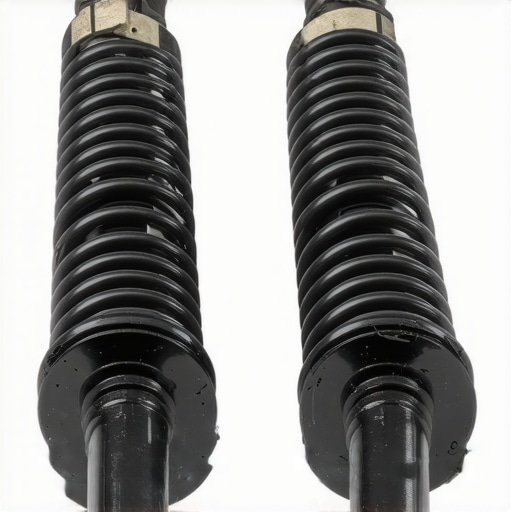
I remember hitting a bump on a quiet suburban street and feeling my entire car shudder like a roller coaster gone off the rails. That jarring moment made me realize I had ignored the signs too long. Turns out, worn-out shocks aren’t just about a bumpy ride—they pose real safety risks. If you’ve ever wondered why your car feels unstable over potholes or why it sways excessively during turns, you’re not alone.
Knowing when your shocks are failing can save you money and prevent accidents. But here’s the catch: many drivers brush off these signs, thinking it’s just normal wear and tear. Today, I’m going to share how you can tell if your shocks are actually worn out—no complicated mechanic jargon, just real, practical advice from someone who’s learned the hard way. We’ll unearth the tell-tale signs that shout, ‘Hey, it’s time for a check!’ and help you avoid dangerous driving situations.
Why Your Safety Depends on Good Shocks
Think about it: your shocks are like the unsung heroes of your car’s suspension system. They dampen the bounce from uneven roads, maintain tire contact, and keep your steering predictable. Worn shocks can mean longer stopping distances, increased tire wear, and a less controlled ride—things you definitely want to avoid. According to the National Highway Traffic Safety Administration, worn shocks and struts can increase stopping distance by as much as 20 percent, making a crucial difference in emergency scenarios. That’s enough to mean the difference between avoiding a hazard or hitting it.
From my own experience, neglecting these signs led me to more expensive repairs down the line. A mistake I made early on was ignoring the subtle noises and the feeling that the steering was off. That oversight cost me extra money and a nerve-wracking drive. Trust me, it’s better to catch these issues early.
If you’ve noticed that your car feels less stable, sways around corners, or if you’re experiencing unusual bouncing, it’s likely time to get them checked. Want to learn how to assess your shocks yourself or find a trusted mechanic? Stay tuned, because we’re about to get into the practical signs and tests you can do right at home. And if you’re curious about other essential auto maintenance tips, you might find our guides on [maximize your car’s lifespan with regular tune-ups](https://collisionfixer.com/maximize-your-cars-lifespan-with-regular-tune-ups) helpful. Ready to make your ride safer and smoother? Let’s dive in.
Locate Your Shocks
Start by parking your car on a level surface and engaging the parking brake. Open the hood and examine the area around the wheels for the shock absorbers—these are usually cylindrical components attached to the suspension and the frame. To get a better view, jack up your vehicle using a reliable jack and secure it with jack stands. This will give you easier access to the shocks without risking safety issues.
Perform a Basic Visual Inspection
Look for any leaks, cracks, or rust on the shocks. A leaking shock indicates a broken seal and imminent failure. If the shock shaft is visibly bent or rusted, it’s a sign replacement is necessary. I once noticed oil seeping from my front shocks after a rough winter—this was the first clue that I needed new ones. Replacing them improved ride quality immediately.
Conduct the Bounce Test
Press down firmly on one corner of your vehicle and release. Observe how the car responds. If it bounces more than once or twice before settling, your shocks are worn out. I did this test manually in my driveway, and my car bounced excessively, confirming what I already suspected during my visual check. If unsure, it’s wise to consult a professional for a thorough diagnosis.
Test Over Potholes and Bumps
Drive over a series of small bumps or potholes and pay attention to how your vehicle reacts. Excessive swaying or bouncing indicates deteriorated shocks. During my last road trip, I noticed my car felt less stable over uneven roads—this was a clear signal to check my suspension further.
Decide Between Repair or Replacement
If your shocks show signs of damage or poor performance, replacement is advisable. Worn shocks compromise safety and handling, especially during emergency maneuvers. When replacing shocks, consider upgrading to high-quality units compatible with your vehicle. If you’re hesitant or unfamiliar with auto repairs, visiting a trusted mechanic is the best move—discover how reliable auto services can save you headaches in the long run by knowing when to overhaul your transmission or other key components.
Replace or Repair
To replace shocks yourself, gather necessary tools: socket set, jack, jack stands, and safety gloves. Remove the wheel to access the shocks. Unscrew the mounting bolts, carefully remove the old shock, and install the new one by reversing the process. Keep track of torque specifications for bolts to ensure proper installation. I once replaced shocks on my sedan, following a tutorial from regular tune-up tips, which improved my car’s stability significantly.
Test the New Shocks
After installation, test your vehicle again using the bounce and pothole tests to confirm proper operation. Take a short test drive to feel the difference. Properly functioning shocks will provide a smoother, more stable ride, giving you peace of mind on the road.
Always remember, routine inspection of your suspension system—including shocks—can prevent costly repairs later. For guidance on other vital maintenance, explore our auto service tips or consult a professional at Collision Fixer.
Many car owners believe that routine maintenance is just about changing oils and replacing filters, but in reality, there’s a complex layer of nuances most people get wrong. For instance, the common myth that sticking to manufacturer-recommended intervals guarantees optimal performance is misleading; advanced experts recognize that driving habits, climate, and even geographic location significantly influence maintenance schedules. Incorrect assumptions like these can lead to premature component failure or unnecessary repairs; for example, over-maintaining can be just as harmful as neglecting essential services. A critical oversight involves transmission care: many drivers ignore the importance of regular transmission fluid analysis, unaware that using the wrong type or neglecting fluid condition can cause costly rebuilds. Studies from automotive research institutions suggest that improper transmission maintenance accounts for a substantial percentage of early failures. One trap that often catches even experienced car owners is believing that a visual inspection is enough to determine vehicle health. In reality, many issues, such as internal wear or fluid degradation, remain hidden from sight but are diagnosed through advanced testing—like pressure tests or chemical analysis. For instance, inspecting for transmission fluid leaks without testing the internal fluid quality can leave serious problems undetected until breakdown occurs. Sophisticated auto repairs demand understanding more than just visible symptoms. Think about collision repairs: opting for cheap, aftermarket parts might save money upfront but can compromise safety and longevity. That’s why trusting reputable shops like Collision Fixer, which prioritize quality, can save you money and risks in the long run. What most drivers don’t realize is the importance of proactive diagnostics—regularly inspecting not just the obvious parts but also internal components through professional assessment. This approach ensures early detection of potential failures, avoiding costly repairs down the line. For example, monitoring the condition of your transmission fluid by visiting a trusted mechanic can reveal subtle issues before they escalate. In addition, understanding the specifics of different fluids, such as lifetime transmission fluid, empowers you to make better maintenance decisions and avoid pitfalls like unnecessary flushes or replacements. Never underestimate the value of expert advice in auto repair; professionals use diagnostic tools and advanced knowledge to protect your vehicle’s longevity. If you’re unsure whether your maintenance routine covers these nuances, consider reaching out to specialists who can provide tailored advice—contact Collision Fixer [here](https://collisionfixer.com/contact-us). Remember, investing in proper diagnostics and understanding the hidden risks associated with auto repair isn’t just about saving money; it’s about safety and peace of mind. Have you ever fallen into this trap? Let me know in the comments.Maintaining your vehicle’s performance and safety isn’t just about basic checks—it requires precision tools and reliable methods that deliver consistent results. Over the years, I’ve refined my toolkit to include specific equipment that ensures each repair or tune-up is done right the first time, saving time and money. For example, I swear by using a high-quality digital multimeter, which allows me to accurately assess electrical systems, especially when diagnosing complex issues like alternator or sensor failures. Unlike generic multimeters, my preferred brand offers auto-ranging features and a data hold function, making testing more efficient. Additionally, investing in a portable OBD-II scanner has become indispensable for real-time diagnostics. It enables me to instantly read trouble codes and pinpoint problem areas, which is a game-changer for hourly diagnostics or scheduled maintenance. For transmission health checks, I rely on a professional-grade pressure tester. These tools help me verify the internal hydraulic pressure without removing the transmission, aligning with insights from advanced automotive repair guides. When it comes to long-term results, I advocate for regular oil analysis using chemical test kits, as they reveal internal engine or transmission wear before symptoms become serious. Looking ahead, the evolution of diagnostic software integrated into smartphones will further democratize car repairs, allowing us to perform detailed assessments from home. That said, mastering these tools ensures your car remains reliable over time. To keep your transmission running smoothly and avoid costly rebuilds, regularly test your fluid condition and consider a transmission overhaul when needed—more on that here.
How do I maintain my car’s health over the years?
The key is consistent use of precise diagnostic tools combined with scheduled professional inspections. By establishing a maintenance routine with reliable equipment—like an accurate multimeter or a trusted OBD-II scanner—you can catch minor issues early, preventing major failures down the line. For example, I recommend monthly voltage checks on your battery and alternator, which can be done with a quality multimeter, to avoid unexpected breakdowns. Remember, routine diagnostics extend beyond quick visual inspections; they require specialized equipment to uncover hidden problems. Incorporate professional services periodically for thorough testing, especially on critical systems like the transmission, which benefits from internal fluid analysis and pressure tests, as detailed in this resource. In the future, expect advancements like AI-driven diagnostics to enhance accuracy even further, but building proficiency with current equipment will keep your vehicle safe and efficient now. Ready to level up your auto maintenance game? Start by testing your transmission fluid condition with a chemical test kit—it’s an affordable, straightforward step that can save you thousands in repairs.Throughout my years of maintaining and repairing cars, I’ve learned that the most vital vehicle insights often come from listening carefully to what your car is telling you. Whether it’s a slight sway over bumps or a mysterious squeal during a turn, these signals hold valuable clues. Trusting your instincts and knowing how to interpret these signs can save lives, money, and peace of mind. Remember, the goal isn’t just smoother rides but ensuring that every part of your vehicle, especially the shocks, functions flawlessly to keep you safe on every journey. Embrace proactive maintenance, use the right diagnostic tools, and don’t hesitate to consult professionals when in doubt. Your car’s health is a reflection of your commitment to safety and longevity. Keep these lessons close as you navigate your auto care journey—because understanding your vehicle is the first step toward avoiding unexpected breakdowns and enjoying worry-free driving.