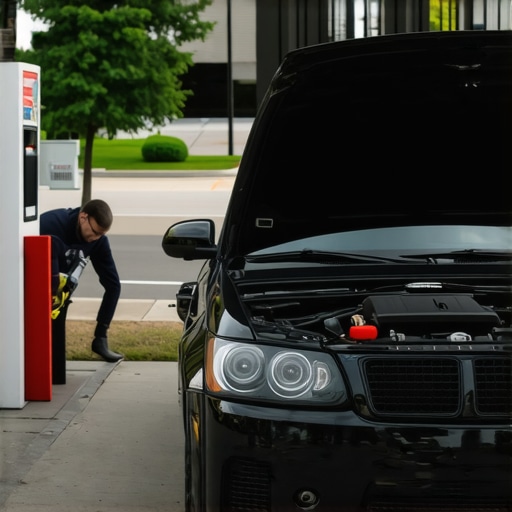
It happened on a Monday morning — I was already running late, fumbling with my keys, when I finally glanced at my car’s dashboard. To my dismay, the miles-per-gallon reading was shockingly low. My first instinct? Blame the weather, the route, or maybe the last tank of fuel. But after some digging, I realized the real culprit was something I’d overlooked entirely. That lightbulb moment changed how I approach car care forever.
Why Your Car’s Fuel Efficiency Might Be Suffering Without You’re Even Realizing
Many drivers notice a sudden drop in gas mileage but dismiss it as normal wear and tear or blame external factors. The truth is, subtle issues lurking beneath the hood can dramatically impact fuel economy. Whether it’s a clogged air filter, misfiring spark plugs, or a slipping transmission, these small problems can cost you a significant amount over time. And here’s a shocking fact: according to the U.S. Department of Energy, driving with poorly maintained essential systems can reduce fuel efficiency by up to 30%. That’s money down the drain every week if you don’t catch the signs early.
Are You Wasting Money on Car Repairs That Don’t Fix the Root Problem?
I’ll admit, I used to chase quick fixes — replacing spark plugs here, topping off oil there — only to see my fuel economy stay stubbornly low. That was until I learned the importance of a comprehensive tune-up and a proper transmission check. Early on, I made the mistake of ignoring the subtle clues my car was giving me—like the way it jerked when shifting or how the engine idled unevenly. Taking a step back, I realized that many of these issues stem from neglected maintenance. If you’re like I was, wondering why your gas mileage isn’t what it used to be, you’re not alone. But the good news? There’s a way to pinpoint the exact cause without wasting money on unnecessary repairs.
Want to learn how to troubleshoot and improve your car’s fuel economy effectively? Stay tuned — we’re about to dive into the practical steps that will help you save money and extend your vehicle’s lifespan. For more insights, don’t forget to check out [essential car service tips for safe summer drives](https://collisionfixer.com/essential-car-service-tips-for-safe-summer-drives) and discover how regular maintenance can make a difference. Now, let’s get into the nitty-gritty of what might be draining your gas tank and how to fix it.
Start with a Comprehensive Inspection
Never assume your car is in top shape without a proper check. Begin by examining essential components like the air filter, spark plugs, and transmission system. Think of your engine as a team of runners: if one is sluggish, the whole race suffers. A dirty air filter, for example, can reduce airflow, making your engine work harder and burn more fuel. I vividly recall replacing mine during a Saturday morning chaos — it took just 10 minutes and immediately noticeable was the smoother acceleration. Regular inspections prevent small problems from stacking up and draining your wallet.
Replace Worn-Out Parts Promptly
Worn spark plugs and clogged fuel injectors are silent fuel killers. When I ignored my spark plugs, my car jerked during acceleration, and fuel efficiency plummeted. Changing these components is akin to sharpening your blades before a big cut — it ensures optimal performance. Use recommended parts and synthetic oils to keep everything running smoothly. For example, switching to synthetic oil improved my engine’s response and reduced emissions. Remember, neglecting these small fixes now will cost you more in the long run, especially at the pump.
Perform Regular Transmission Checks
Considering the transmission as the car’s nervous system helps visualize what’s at stake. If it’s slipping or hesitating, your fuel consumption skyrockets because the engine strains to compensate. About a year ago, I noticed my car was slow to shift, and I learned about the importance of transmission fluid cleanliness. Flushing and replacing transmission fluid is like giving your car a reset; it restores smooth gear changes and boosts efficiency. Dive into resources like how transmission overhauls save you money to understand its significance.
Maintain Proper Tire Pressure and Alignment
Think of flat or misaligned tires as trying to pedal a bicycle with a deflated wheel — it takes more effort and wastes energy. Regularly check tire pressure, especially before long trips, using a reliable gauge. During a road trip, I once neglected this; my fuel economy dropped by about 15%. Ensuring correct pressure reduces rolling resistance, saving gas and extending tire lifespan. Also, keep your wheels aligned; improperly aligned tires drag or create uneven wear, escalating fuel costs. Simple tools or quick visits to a mechanic can set things straight and improve mileage.
Optimize Driving Habits
Sometimes, the key to better fuel efficiency is changing behavior behind the wheel. Accelerate gently, avoid excessive idling, and anticipate stops to minimize sudden braking. I adopted these habits after a frustrating week with poor mileage; I noticed my fuel gauge stay steadier when I drove smoothly. Smart driving is like conserving energy in everyday life — it pays off at the pump. For more tips, check out essential car service tips. Each small action collectively makes a significant impact on your journey and wallet.
Many car owners believe that routine repairs and service are straightforward tasks, but in reality, there’s a layer of nuance that many overlook. A common misconception is that simply replacing worn-out parts, like spark plugs or transmission fluid, is enough to ensure optimal performance. However, **the true expert understands the interconnectedness of vehicle systems** and how neglecting minor details can lead to significant issues down the line. For instance, replacing a transmission fluid without addressing underlying problems like a slipping clutch or worn bearings can only offer a temporary fix, potentially masking deeper issues that could be costly—more on this in transmission overhauls.
Keeping It Working: My Top Tools for Car Care
Maintaining your vehicle’s health over the years requires more than just routine checks; it demands reliable, precise equipment and a systematic approach. I personally swear by a set of specific tools that have saved me time, money, and headaches. One standout is my digital multimeter—it’s invaluable for quickly diagnosing electrical issues, especially battery problems or alternator failures. Using a quality multimeter ensures I get accurate readings, helping me determine whether a component needs replacing or just a recharge.
Another indispensable device in my toolkit is a diagnostic OBD-II scanner. I recommend investing in a Bluetooth-enabled scanner linked to a dedicated app on your smartphone. This combination allows for instant, real-time data from the vehicle’s computer, pinpointing issues like sensor failures or engine misfires. I’ve often caught problems early, like faulty oxygen sensors, which can severely impact fuel efficiency. Regular diagnostics can prevent minor hiccups from turning into costly repairs.
For those doing more hands-on work, a torque wrench is non-negotiable. Proper tightening ensures components like spark plugs and oil drain plugs are secured to manufacturer specs. I use a digital torque wrench because it provides precise control and an easy-to-read display, reducing the risk of over-tightening or stripping threads. Accurate torque application extends the lifespan of parts and maintains safety standards.
Need a portable way to lift your car for tire or brake work? My pick is a high-quality hydraulic jack paired with sturdy jack stands. Safety is paramount—always support the vehicle on stable, rated stands. Over the years, dependable lifts have prevented accidents during maintenance, and I recommend models with a simple release valve for smooth operation. Upgrading your lift system makes DIY repairs safer and more efficient, especially when working on suspension or transmission components.
For monitoring long-term performance, I rely heavily on scheduled tune-ups and keeping detailed maintenance logs. Using digital record-keeping apps helps me track service intervals, upcoming replacements, and manufacturer recommendations, ensuring my car stays in prime condition. This discipline allows early detection of transmission wear signs or engine issues, saving me considerable cost and downtime in the future.
How do I maintain my tools over time?
Keeping your tools in top shape involves regular cleaning, calibration, and proper storage. For electronic diagnostic devices, I ensure the connectors and screens are free of dust and moisture. Torque wrenches should be recalibrated periodically—many brands allow for DIY calibration or professional servicing. Storing tools in a dedicated toolbox prevents damage and keeps you organized, so when an unexpected issue arises, you’re ready to tackle it confidently.
Looking ahead, I believe advancements like wireless diagnostics and AI-powered sensors will revolutionize automotive maintenance, making it even more accessible and precise. For now, mastering your current toolkit—along with consistent maintenance practices—pays dividends in reliability and peace of mind. Want to give one of these tools a try? Start with a diagnostic scanner; it’s the gateway to understanding your vehicle’s health better and preventing future breakdowns.
What I Wish I Knew When I Started Fixing Cars
One of the biggest lessons I learned was that successful auto repair relies heavily on understanding the interconnected nature of vehicle systems — a small overlooked issue like a faulty sensor can cascade into major problems. I used to treat repairs as isolated tasks, but now I see them as part of a bigger picture, which saves me time and money.
Another insight was the importance of patience and deliberate troubleshooting. Rushing to replace parts without diagnosing the root cause can lead to wasted resources. Learning to listen to subtle clues from my car, like unusual vibrations or sounds, has been a game-changer.
Lastly, embracing quality tools and regular maintenance became my mantra. Investing in a good diagnostic scanner and keeping my car’s scheduled tune-ups on track prevented many issues before they worsened, ultimately extending my vehicle’s lifespan and performance.
My Go-To Resources for Smarter Car Care
For comprehensive guidance, I trust regular tune-ups as a foundation for long-term vehicle health. My digital multimeter helps me quickly diagnose electrical issues, saving me trips to the mechanic. An artisan-quality torque wrench ensures I tighten components correctly. And a reliable diagnostic scanner gives me real-time insights into my engine’s health, helping me catch problems early.
Your Journey to Better Car Maintenance Starts Today
Taking control of your vehicle’s health isn’t just about fixing problems; it’s about creating a mindset that prioritizes proactive care. The more you learn and invest in quality tools, the more confident you’ll become in maintaining your car’s performance and safety. Remember, every small effort now pays off with smoother drives, lower repair costs, and peace of mind. Ready to embrace smarter auto care? Your car—and your wallet—will thank you.
Have you ever discovered a hidden issue during routine maintenance that saved you from a costly repair? Share your stories below—I’d love to hear your experiences with unexpected car care lessons!