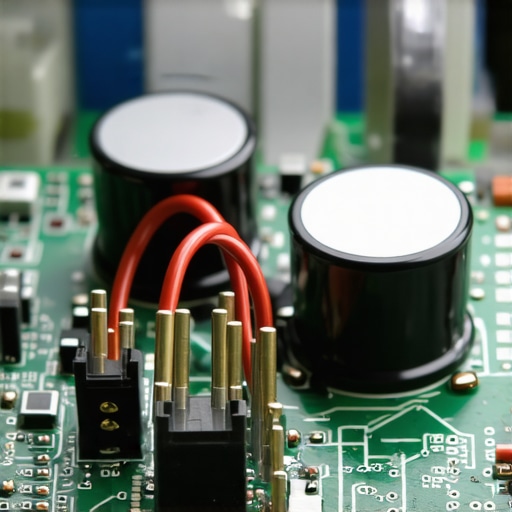
It happened to me at the worst possible moment: I was cruising down the highway when suddenly, my car’s sensors went haywire. The warning lights flickered unpredictably, and my automatic parking system started acting up. It was a frustrating puzzle—until I uncovered what was really behind the chaos. That little culprit was a hidden ground wire messing with my sensors, and I bet you’re facing something similar without even realizing it.
Why Your Car’s Sensors Might Be Acting Up for No Apparent Reason
So, why should you care? Because a misbehaving ground wire isn’t just a minor hiccup—it’s often the hidden culprit behind sensor failures, causing false readings or complete malfunction. This isn’t just about inconvenience; it can compromise your safety, affect your vehicle’s performance, and lead to costly repairs. Early detection can save you a bundle, and believe me, I learned this lesson the hard way.
Is a Hidden Ground Wire Really the Cause of Your Sensor Troubles?
I admit, I was skeptical at first. My early mistake? Assuming that sensor errors were always due to faulty parts or software glitches. I replaced sensors, cleared codes, but the problems kept returning. Only after consulting a trusted mechanic and doing some digging did I discover that a poorly grounded wire was sabotaging my sensors. According to industry experts, ground wiring issues are a common, yet often overlooked source of sensor malfunction in modern vehicles. This realization transformed how I approached troubleshooting.
If you’ve been battling unexplained sensor errors or warning lights that won’t go off, maybe it’s time to look deeper—beyond the sensors themselves. Do you remember ever ignoring a small electrical issue, only to find it turned into a major headache later? That’s the danger of neglecting hidden wiring problems.
In the upcoming sections, I’ll guide you through identifying and fixing that sneaky ground wire, so your sensors work smoothly again and you can drive with confidence. Want to learn more about maintaining your car’s electrical health? Check out [maximize your car’s lifespan with regular tune-ups](https://collisionfixer.com/maximize-your-cars-lifespan-with-regular-tune-ups).
Start with a Visual Inspection of Your Wiring Harness
Begin by locating the sensor wiring in your vehicle, which is often near the bumper, grille, or wheel well. Carefully remove any panels or covers blocking access. Look for obvious signs of damage such as frayed insulation, corrosion, or loose connectors. I once spent an afternoon checking under my car and found a connector that’s been half-crushed by debris, causing intermittent ground issues. Cleaning and reattaching it instantly improved sensor readings.
Use a Multimeter to Check Ground Continuity
Set your multimeter to the resistance (Ω) function. Attach one lead to the chassis ground point and the other to the sensor’s ground wire terminal. A reading close to zero indicates a good ground; a higher reading suggests corrosion or a poor connection. In my case, a quick test revealed an unexpected high resistance, confirming a bad ground. Cleaning the contact point with electrical contact cleaner and tightening the bolt restored proper continuity. Always wear insulated gloves and work on a non-running vehicle for safety.
Identify and Correct Grounding Points
Find the designated grounding screw or bolt in your vehicle’s wiring diagram—often found near the battery, fenders, or engine block. Ensure it is free of rust and corrosion. If necessary, remove the bolt, clean the contact area with a wire brush or sandpaper until shiny, and reattach securely. Consider replacing corroded or damaged ground wires with new gauge wires for better conductivity. I once replaced a deteriorated ground strap on my SUV, which cured persistent sensor errors and improved overall electrical performance. Proper grounding is crucial, much like ensuring the foundation of a house is solid—without it, everything else can fail.
Test the System After Reconnection
Reassemble any panels or covers you removed. Start your vehicle and monitor the sensor warnings. Use an OBD-II scanner to check for error codes related to sensors and grounding. If issues persist, recheck your connections and continuity. I found that after cleaning and tightening a faulty ground, the warning lights disappeared within minutes, saving me from costly repairs down the line.
Prevent Future Grounding Problems
Regular maintenance can prevent grounding issues. Periodically inspect wiring and grounding points, especially after off-road adventures or severe weather. Applying dielectric grease to connectors can protect against moisture and corrosion. Remember, a healthy ground wire not only keeps sensors responsive but also preserves your entire vehicle’s electrical system. For comprehensive care, consider scheduling regular tune-ups, which boost your car’s longevity and performance. Learn more about effective maintenance at Collision Fixer.Many car owners and even some seasoned enthusiasts hold common beliefs about transmission and auto repair that, while popular, overlook critical nuances. For instance, a widespread myth suggests that replacing transmission fluid alone guarantees a long-lasting gearbox, but in reality, neglecting the quality of parts involved in the process can lead to more harm than good. Advanced maintenance isn’t just about following routine; it demands understanding the specific needs of your transmission type and driving habits. One overlooked aspect is the importance of a proper flush rather than just topping off fluids, which can prevent buildup and prolong component life. According to automotive experts, neglected sludge and debris within the transmission can cause uneven wear, leading to expensive repairs or replacements down the line, emphasizing the value of comprehensive service like those outlined at transmission overhauls.
A common oops that trap many drivers is assuming that all auto repairs are interchangeable and DIY-friendly. While minor fixes are often manageable, complex systems require precise diagnostics and professional tools. For instance, attempting to fix a transmission issue without proper equipment can introduce new problems, such as misaligned components or unintentional damage. This is where understanding the ‘hidden’ nuances of car systems becomes critical.
Additionally, there’s a tendency to overlook regular tune-ups as an essential part of overall vehicle health. Many believe they only need to perform maintenance when issues arise, but proactive tune-ups can uncover underlying problems early, saving money and preventing breakdowns. Regularly scheduled tune-ups, supported by thorough diagnostics, not only improve performance but also extend the longevity of vital parts. To learn more about maximizing your vehicle’s lifespan, I recommend checking out how to maximize your car’s lifespan with regular tune-ups.
What most people get wrong is the assumption that repair and maintenance are solely about fixing what’s broken. The truth is, understanding the subtle differences in what your vehicle needs at different mileage points, or recognizing the early signs of wear, can make a significant difference. For example, early detection of transmission slippage or delayed shifts can save hundreds of dollars in repairs if caught promptly.
Furthermore, many underestimate the impact of environmental factors, such as climate and terrain, on the wear and tear of your transmission and auto components. In colder climates, thicker oils and additional warm-up time can influence system efficiency, whereas sandy or dusty environments can accelerate component wear. Tools like comprehensive diagnostics and regular inspections are essential to adapt your maintenance routine effectively.
In conclusion, becoming aware of these nuanced aspects and avoiding common pitfalls is key to maintaining your vehicle’s health over the long run. Remember, real expertise is in the details. Have you ever fallen into this trap? Let me know in the comments. For more insights into routine car care, visit why your car needs expert auto repair now and stay ahead of costly repairs.
Maintaining your vehicle’s optimal performance over time requires more than just routine check-ups; it calls for reliable equipment and a disciplined approach. One of my go-to tools for checking electrical grounds and sensor connections is a high-quality multimeter. I personally prefer the Fluke 117 Electrician Multimeter because of its precision, durability, and ease of use. It allows me to quickly verify ground continuity or detect wiring issues, saving hours of troubleshooting and ensuring my car’s electrical system remains healthy.
In addition to a multimeter, I swear by a diagnostic OBD-II scanner like the BlueDriver Bluetooth Pro. It connects seamlessly with my smartphone, providing real-time data, error code retrieval, and live sensor insights. I mainly use it during tune-ups or if I notice performance hiccups—getting instant feedback on what might be causing issues saves a lot of headaches. These tools have become indispensable in my auto maintenance routine, especially as modern vehicles grow more complex.
When it comes to software, I recommend investing in professional-grade diagnostic programs like OBDLink or Autel Maxisys. They offer comprehensive diagnostics, firmware updates, and advanced troubleshooting capabilities. While they come with a cost, I find that they pay for themselves by reducing trips to the mechanic and catching problems early.
Predicting the future of car maintenance, I believe that the integration of AI-driven diagnostics will become standard, allowing vehicles to self-monitor and alert owners proactively. This shift will empower us to act before minor issues escalate into major repairs, much like how predictive health apps revolutionize personal wellness.
So, how do I keep my auto systems in top shape over the years? Regular inspections with these tools, combined with thorough cleaning and proper grounding, ensure long-term reliability. Don’t forget that a well-maintained electrical system can prevent issues like sensor failures or starting problems. For detailed guidance on maximizing your car’s lifespan, check out this comprehensive tune-up guide.
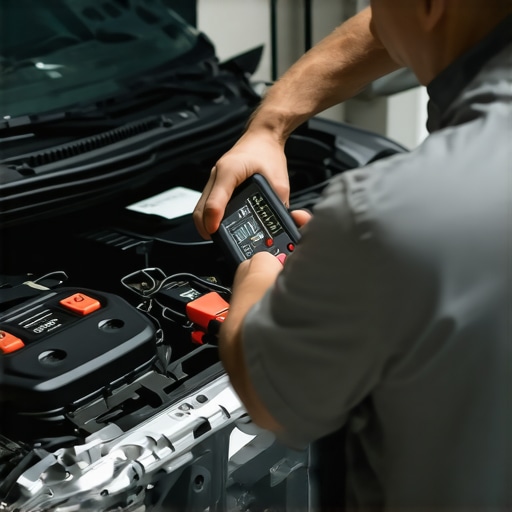
Illustration of a mechanic’s workstation with a multimeter and diagnostic scanner in use, highlighting the importance of proper tools in vehicle maintenance.
Throughout my years working on cars, I’ve learned that some of the most stubborn sensor issues stem from unseen wiring problems. Those small, overlooked ground wires can silently cause headaches, and understanding this has transformed my approach to auto repair from reactive to proactive. If you’re tired of chasing phantom warning lights, recognizing the importance of correct grounding can be your game-changer. Remember, a well-grounded system isn’t just about avoiding error codes—it’s about ensuring your safety and saving money on future repairs.
The Lessons That Changed My Fixing Strategy
- Not all sensor failures are faulty parts: Sometimes, a simple ground connection is the culprit, and replacing parts is unnecessary. I once replaced a sensor twice before realizing a loose ground wire was the real issue.
- Installation quality matters more than brand: Proper grounding during installation prevents recurring problems. A sturdy bolt and clean contact surface make all the difference.
- Maintenance is key: Regular inspections of wiring and connectors can prevent small issues from becoming expensive repairs. I now schedule periodic wiring checks as part of my routine.
- Tools reveal the hidden truth: Using a multimeter to test ground continuity uncovers problems before they cause vehicle downtime. Trust me, investing in a quality multimeter pays off.
- Environmental factors influence wiring health: Moisture, debris, and corrosion can degrade grounds over time. Applying dielectric grease and cleaning contacts regularly keeps things running smoothly.
Tools and Resources I Depend On
- Fluke 117 Multimeter: Its precision helps me quickly identify grounding issues, saving hours of troubleshooting.
- BlueDriver Bluetooth Scanner: This scanner provides real-time data and error codes that often point back to grounding problems indirectly.
- Wiring diagrams: Having detailed diagrams helps me trace and understand grounding points in complex systems.
- Educational sites like Collision Fixer: Their expert guides improve my diagnosis skills and keep me updated on the latest repair techniques.
Take Action to Protect Your Vehicle’s Heartbeat
Good ground wiring is the silent hero of your car’s electrical system. By inspecting, cleaning, and ensuring solid connections, you’re safeguarding your vehicle against sensor failures and unexpected breakdowns. Don’t wait for warning lights to force your hand—be proactive and treat your wiring harness like the vital lifeline it is. Imagine the confidence you’ll feel knowing your sensors are reliable, and your safety isn’t compromised. Ready to take control? Share your small wiring success stories below or ask your questions in the comments. For more expert advice, visit this guide on maximizing your car’s lifespan with regular tune-ups.