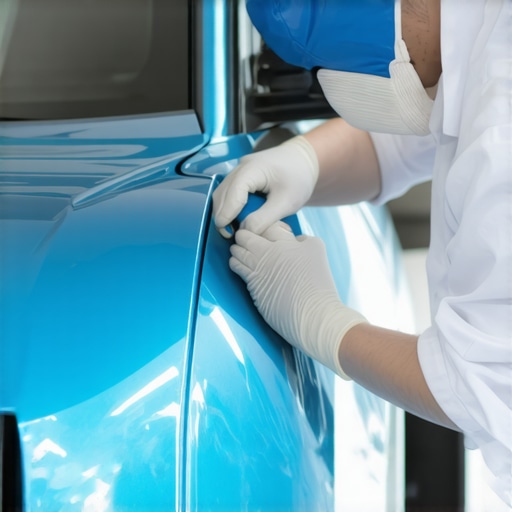
It happened on a sunny Saturday afternoon—I was washing my car, enjoying the fresh air, when I noticed a nasty scratch across the door. My stomach dropped. It wasn’t a deep gouge, but enough to ruin the smooth, glossy finish I’d worked so hard to maintain. I remember feeling frustrated, almost defeated, because I knew this small blemish could ruin the entire look of my car if left untreated. That lightbulb moment made me realize how much I truly value that factory paint depth, and how devastating it is when it gets compromised.
Understanding Why Factory Paint Matters and How Scratches Damage It
Factory paint isn’t just about aesthetics; it’s a protective layer that shields your vehicle from the harsh elements—and it’s engineered to last. When a scratch disrupts this layer, it exposes the underlying metal or plastic, making it vulnerable to rust and further damage. Over time, even minor scratches can lead to dullness and loss of that vibrant shine we all cherish. In my early days of trying to fix scratches, I made the mistake of thinking a quick touch-up would suffice. Spoiler alert: it didn’t. The real issue was not just the scratch—it was the loss of that deep, reflective polish that makes your car stand out.
What I learned through trial, error, and a lot of online research is that properly restoring factory paint depth involves more than just applying paint or polish. It requires understanding the layers, the right products, and techniques to bring back that mirror-like finish. If you’ve been frustrated with superficial fixes or worried about causing even more harm, don’t worry. I’ll walk you through the essentials I discovered—so you, too, can restore that deep factory shine.
Is Restoring Factory Paint Depth Actually Worth the Effort
One common mistake I made early on was rushing into fixes without understanding what truly restores that factory look. I was tempted to just buff out scratches with generic polish—only to find it fading weeks later. According to automotive expert sources, genuine restoration involves restoring the clarity and depth of the paint, not just hiding flaws. The good news? With the right approach, you can dramatically improve your car’s appearance and protect its value. Curious if this method really works? Stay tuned—I’ll guide you through step-by-step, backed by real experiences and proven techniques, to help you get your vehicle looking flawless again.Once you understand the importance of a pure factory finish, tackling scratches requires a strategic approach rather than quick fixes. Here’s how I approached a stubborn scratch on my car and achieved the glossy depth I craved. First, clean the affected area thoroughly with a clay bar or automotive soap to remove dirt and debris that can cause additional marring during polishing. I once skipped this step and ended up with swirl marks, so patience pays off. Next, assess the depth of the scratch—superficial surface scratches can often be addressed with a rubbing compound, but deeper ones may need a more precise repair. I used a micro-abrasive polish, applying it with a soft microfiber cloth in small, circular motions, mimicking the way a jeweler buffs a gemstone. Be cautious not to over-apply; too much compound can strip the clear coat.
For deeper scratches, consider carefully sanding the area with very fine grit sandpaper (2000 grit or higher). This step is delicate—apply water to reduce friction, and move the sandpaper in straight lines, not circular, to avoid creating new scratches. I found that working slowly and checking frequently is key. After leveling the scratch, refill the area with a high-quality touch-up paint that matches your vehicle’s color. Use a fine brush and apply in thin layers, allowing each coat to dry thoroughly.
Once the paint is set, I used a dedicated clear coat applicator to seal and protect the repair. It’s vital to ensure the color blends seamlessly, which might require multiple coats. The final step involves polishing with a reputable car polish to bring back the shine and deepen the paint’s reflective quality. I polished in gentle, overlapping circles, which restored the mirror-like finish I wanted. For an extra layer of protection, applying a wax or ceramic coating enhances gloss and shields against future scratches.
Remember, patience and attention to detail make all the difference. If you want to learn more about how visiting a professional can benefit you, check out [this guide](https://collisionfixer.com/top-signs-your-car-needs-expert-auto-repair-now). Restoring factory paint depth isn’t just about vanity; it’s about safeguarding your investment in your vehicle’s longevity and appearance.Many car owners operate under misconceptions that can lead to costly mistakes. Contrary to popular belief, not all transmission issues stem from worn-out parts needing replace—sometimes, they’re caused by overlooked fluid problems or minor sensor malfunctions. Regular tune-ups are vital, but overdoing them or neglecting specific components can do more harm than good. For example, blindly changing spark plugs without checking other ignition parts might delay fixable issues. One common myth is that car service is only necessary when symptoms appear; in reality, proactive maintenance prevents major failures. Common pitfalls include ignoring dashboard warning lights or delaying fluid replacements, which often result in more expensive repairs down the line. I’ve seen many drivers replace entire transmissions when a simple sensor clean or fluid flush could restore functionality at a fraction of the cost. Understanding the subtle nuances—like how transmission fluid viscosity impacts gear shifts or how the timing of an oil change influences engine health—alerts you to issues before they escalate. The risks of delaying such minor adjustments are real; a small oversight today might mean a complete overhaul tomorrow. For instance, neglecting to regularly inspect and replace the cabin air filter can cause engine cooling inefficiencies, affecting overall performance. Do you know why your car’s warning light might be misleading or why a perfectly smooth drive could still hide hidden problems? Sometimes, the most advanced mistakes come from ignoring the less obvious signs—like irregular noises or slight vibrations during acceleration. According to automotive experts, consistent, detailed maintenance planning—like following the recommended schedule—saves drivers significant money and stress. To get insights on proper maintenance strategies, visit our guide on maximizing your car’s lifespan with regular tune-ups. Remember, trusting your vehicle’s subtle cues and understanding the underlying mechanics—rather than relying solely on intuition—can prevent costly repairs. Have you ever fallen into this trap? Let me know in the comments.
Investing in the Right Equipment for Professional-Level Maintenance
When it comes to maintaining your vehicle, having the right tools is essential. I personally rely on a high-quality set of mechanic-grade socket wrenches, including a ratchet with a comfortable grip and a full set of metric and SAE sockets. These enable me to handle most fasteners during tune-ups or minor repairs without frustration. A cordless impact driver is invaluable for removing stubborn bolts quickly, saving time and effort during brake or suspension work. A digital multimeter helps me troubleshoot electrical issues accurately, ensuring that sensors and wiring remain in top condition. For cleaning and detailing, I swear by a clay bar kit and dual-action polisher with foam pads, which restore paint depth and eliminate surface imperfections effectively.
In addition, I use an engine bay stethoscope to pinpoint elusive noises and a coolant refractometer to monitor fluid purity levels. These specialized tools have paid for themselves by preventing minor problems from escalating into extensive repairs. Investing in quality tools like these not only simplifies routine maintenance but also improves safety and reliability.
Looking Ahead: Future Trends in Car Maintenance
As vehicles become increasingly computerized, the trend toward integrated diagnostic tools and software is set to grow. Wireless OBD-II adapters paired with smartphone apps allow for real-time monitoring of engine health, transmission status, and sensor diagnostics. This technological shift empowers drivers to perform more informed maintenance or identify issues early, potentially saving hundreds in repair costs. The evolution of AI-driven diagnostic platforms further promises a future where cars can alert owners to problems before warning lights even appear. Staying updated with these advancements ensures you can keep your vehicle in prime condition for years to come.
How do I maintain my car’s long-term performance without breaking the bank?
Consistent, proactive maintenance is key. Regularly checking fluid levels, inspecting belts and hoses, and scheduling timely tune-ups—guided by trusted resources like our maintenance guide—can extend your vehicle’s lifespan dramatically. Remember, neglecting small issues now often leads to costly repairs later. Implementing simple routines such as regularly replacing your cabin air filter (see easy replacement techniques) and keeping an eye on warning signs can make all the difference. Consider using a scheduled diagnostic scan, especially if your car shows inconsistent performance or dashboard warning lights. Tools like OBD-II scanners can be easily connected to your smartphone or laptop, giving you vital insights into your car’s health. Don’t wait for a breakdown—stay ahead with scheduled inspections and preventative care.
Try one advanced tip I swear by: periodically use a professional-grade engine flush to clear out sludge and debris, which can impair performance over time. This simple step can restore power and improve fuel efficiency, especially in high-mileage vehicles. For detailed guidance on safe flushing methods tailored to your car, check out this expert resource. Keeping your car properly maintained isn’t just about fixing problems; it’s about ensuring longevity, safety, and peace of mind for years to come. Remember, the right tools and proactive approach make all the difference in keeping your ride running smoothly for the long haul.Over the years, I’ve realized that mastering car maintenance isn’t just about tools and techniques; it’s about embracing a mindset of continuous learning and patience. One of my biggest lightbulb moments came when I understood that every scratch or transmission hiccup told a deeper story about my vehicle’s health and my approach to it. Instead of rushing to fix problems superficially, I started paying attention to the subtle signs and investing time in proper restoration methods, which paid off in long-term savings and pride in my ride. I’ve also learned that trusting reputable resources and ever-evolving technology can elevate your maintenance game beyond DIY quick fixes. So, my advice? Stay curious, keep learning from both successes and mistakes, and treat your car as a living partner whose stories and needs you grow to understand better with each mile.