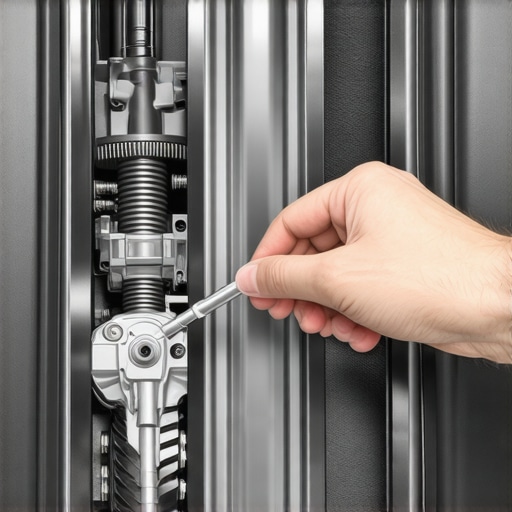
Have you ever been cruising down the road when suddenly your car starts making strange noises or handling feels off? That sinking feeling in your stomach—that’s me, too. I remember ignoring that odd smell and those minor sounds, thinking they’d just go away. But one day, my vehicle started to behave like a wild horse, and I realized I was in over my head.
Recognizing the Urge for a Differential Refresh
It wasn’t until I took a closer look at my car’s behavior that I understood the importance of regular differential maintenance. If you’re like me, you might wonder, how can I tell if my differential fluid is long overdue for a change? Trust me, catching this early can save you hefty repair bills later. Today, I’ll share my personal experience and guide you through the signs that indicate your differential needs some love.
Is It Really Worth the Fuss?
Now, I know what some of you might be thinking: “Do I really need to bother with differential fluid?” Believe me, I was skeptical too when I first learned about it. But after a costly repair that could have been avoided, I realized that neglecting this simple maintenance task is like leaving your car’s most vital parts to wither away. Interestingly, a study from the Car Care Council reports that many drivers overlook differential service, leading to uneven tire wear and handling issues—problems that could have been prevented with a regular check.
Early on, I made the mistake of dismissing those subtle clunks and sluggish turns, thinking they were just part of aging. But ignoring these warning signs only worsened the situation. So if you’ve noticed your car pulling to one side, weird noises during turns, or a burning smell, it might be a sign your differential fluid is past its prime. Next, we’ll explore how you can confidently tell if it’s time for a fluid change—and how to do it right.
Prepare Your Vehicle for the Differential Fluid Change
Before diving in, ensure your vehicle is parked on a level surface and the parking brake is engaged. Gather necessary tools: socket set, drain pan, gloves, jack, and jack stands. It’s helpful to consult your owner’s manual for specific drain plug locations and fluid requirements. I remember the first time I attempted this—my hands getting greasy, but feeling accomplished afterward.
Drain Old Differential Fluid
Lift the Vehicle Safely
Use a jack to lift your car and secure it with jack stands. Never rely solely on the jack; safety first. Position yourself comfortably under the differential access point, which is usually at the rear of the vehicle.
Locate and Remove Drain Plug
Identify the drain plug on the differential housing. Using the socket set, carefully loosen and remove the plug. Expect some fluid to start draining into your catch pan. Remember, differential fluid is thick; patience is key.
Story Time
When I did my first change, I was surprised how much old, dark fluid came out—much darker than I anticipated. It was a reminder of how neglected maintenance can accumulate over time.
Refill with Fresh Fluid
Check Fluid Type and Quantity
Refer to your manual or the fluid container to match the exact type of differential fluid for your vehicle. Pour the new fluid into the fill hole using a funnel. Be cautious not to overfill—too much fluid can cause foaming and damage.
Replace the Drain Plug
Once filled to the recommended level, screw the drain plug back in tightly. Wipe off any spilled fluid to prevent drips on the ground.
Verify and Test Your Work
Lower the vehicle gradually and start the engine. Drive gently to circulate the new fluid, then park again and inspect for leaks. Check the fluid level through the fill plug — it should be just below the opening. For additional tips, see how regular tune-ups can prevent such issues.
Many car owners operate under misconceptions about collisionfixer services, transmission repairs, and routine tune-ups. A common myth is that all mechanics push unnecessary repairs to maximize profit. However, seasoned professionals emphasize honest, targeted diagnostics to avoid costly replacements. Moreover, the idea that transmission overhauls are always preventable is misleading; sometimes, despite proper maintenance, components wear out due to unforeseen factors. Understanding these nuances helps drivers invest wisely in their vehicle’s longevity.
One trap to avoid is neglecting to consider the advanced warning signs of auto issues. For example, subtle shifts in drive quality or unusual noises can be overlooked as minor inconveniences, but they often signal deeper problems that, if addressed early, prevent larger failures. Professionals highlight that regular, comprehensive inspections can uncover hidden issues before they escalate, saving money and time. To learn more about how routine checks can extend your car’s lifespan, visit our guide on [maximizing your car’s lifespan with regular tune-ups](https://collisionfixer.com/maximize-your-cars-lifespan-with-regular-tune-ups).
Are you aware that many car enthusiasts and even mechanics sometimes miss the nuances involved in diagnosing complex issues? Some believe that a simple visual inspection suffices, but deeper diagnostics, including computer-based analysis, reveal hidden faults—especially in modern vehicles packed with electronic systems. For instance, a misdiagnosis of transmission problems can lead to unnecessary part replacements or repairs. Experts recommend embracing diagnostic tools and staying informed about what specific symptoms truly indicate.
### What’s the advanced mistake most car owners make during repairs?
The biggest mistake is assuming routine maintenance will catch everything. While regular oil changes and inspections are vital, they don’t cover all possible wear-and-tear issues, especially in parts like CV joints, sensors, or internal transmission components. Overlooking these can lead to breakdowns that could have been prevented with specialized diagnostics. According to auto repair studies, early detection through advanced testing significantly reduces repair costs and extends vehicle durability. For expert advice on avoiding such pitfalls, check out [how transmission overhauls save you money long-term](https://collisionfixer.com/how-transmission-overhauls-save-you-money-in-the-long-run).
Keeping It Working: Essential Tools for Auto Maintenance
When it comes to maintaining your vehicle’s transmission and ensuring your collisionfixer services are effective, having the right tools can make all the difference. I personally rely on a high-quality digital torque wrench like the Tekton 1/2 Inch Drive Beam Torque Wrench. Its precision ensures that components like differential bolts are tightened to manufacturer specifications, preventing future issues. For fluid extraction, I use a Pela Power Steering Fluid Extractor, which makes removing old transmission or differential fluid quick and mess-free, saving me time and effort. These tools have consistently helped me avoid over-tightening or under-tightening critical components, which can lead to complex repairs down the line.
Software and Diagnostic Equipment That Deliver Insight
Summers are driving season, and catching potential problems early can save a lot of money. I recommend investing in a capable OBD-II scanner such as the BlueDriver Bluetooth Pro OBDII Scanner. It pairs with my smartphone, allowing me to run comprehensive diagnostic tests on transmission and engine systems. This tool helps me identify issues like faulty sensors or impending transmission failure well before they become serious. Moreover, the data logs from BlueDriver assist my mechanic during tune-ups or transmission overhauls, making repairs more precise and effective. I believe as vehicle electronics become more sophisticated, integrating real-time diagnostics will be standard practice for proactive auto care.
Long-Term Maintenance Strategies to Keep Your Car Alive
Consistent routine checks and using technology to monitor wear and tear is vital. I’ve adopted a digital maintenance log, noting when I last changed transmission fluid or performed differential services. This habit helps me follow manufacturer schedules, lowering the risk of breakdowns. Studies from the Car Care Council emphasize that proactive maintenance, including timely fluid changes and inspections, significantly extends vehicle lifespan. Looking ahead, I see vehicle diagnostics and maintenance software becoming more integrated with vehicle systems, providing real-time alerts and personalized care reminders—making auto maintenance less daunting and more effective.
How do I maintain long-term auto care without breaking the bank?
Focus on quality tools and consistent checks. Simple steps like regularly inspecting differential and transmission fluids, guided by your vehicle’s manual, coupled with diagnostic tools, enable you to catch issues early. Remember, preventive maintenance is always cheaper than repairs. For example, addressing minor transmission slipping before it worsens can save hundreds. For comprehensive tips, see our essential car service tips. Don’t hesitate to try out a professional-grade diagnostic scanner; it’s a game-changer in ensuring your vehicle stays in top shape for years to come. If you’re unsure where to start, don’t hesitate to contact us via our contact page for personalized recommendations.
Lessons Hidden in My Car Repair Journey
One of the biggest surprises I had was realizing how overlooked minor signs can escalate into major issues. Ignoring that slight hesitation or strange sound might save a few minutes initially, but it often costs much more later. Now I know that early attention to subtle warning signs, like a faint burning smell or sluggish acceleration, can prevent costly repairs—saving both money and peace of mind.
Another insight was understanding the importance of reliable diagnostic tools. Relying solely on visual inspections isn’t enough, especially with modern vehicles packed with electronic systems. Investing in a good OBD-II scanner transformed how I identify issues early, making repairs precise rather than reactive. It’s a small tool with big implications—trust me, it’s worth every penny.
Finally, I learned that professional advice from seasoned collisionfixer technicians is invaluable. Sometimes, I tried to DIY, but complex problems like transmission slippage or differential wear require expert eyes and experience. Building a relationship with a trusted auto shop ensures that your vehicle gets the attention it deserves before small issues become disasters.
My Go-To Resources for Ongoing Auto Maintenance
- BlueDriver Bluetooth Pro OBDII Scanner: This device offers comprehensive diagnostics directly to my smartphone. It’s accurate, easy to use, and keeps me informed about hidden issues lurking in my vehicle’s electronic systems.
- Professional-Grade Socket Set and Jack Stands: Quality tools make the difference when performing maintenance myself. They provide safety and precision, preventing accidental damage or injury during critical tasks.
- My Vehicle’s Official Manual: Nothing beats the manufacturer’s guide for specifications on differential fluid types, drain plug locations, and service intervals. It’s my primary reference point to ensure I follow the right procedures and use correct fluids.
- Educational Platforms and Forums: Websites like CollisionFixer and dedicated auto repair communities offer insights, tutorials, and shared experiences that complement my maintenance routine and help me stay updated on best practices.
Take Charge of Your Car’s Future
The more I learn about auto care, the more confident I feel steering my vehicle through the miles ahead. Proper maintenance like timely differential fluid changes can extend your car’s lifespan and keep it running smoothly. Remember, a proactive approach today saves you from costly repairs tomorrow. Whether you’re a seasoned DIYer or just starting out, investing in the right tools, resources, and knowledge empowers you to take control of your vehicle’s health. So, why not start with a simple check or consultation? Reach out through our contact page and let’s build a plan tailored for your car’s needs. Your vehicle is more than a machine—it’s a trusted partner on your journeys. Are you ready to give it the care it deserves?