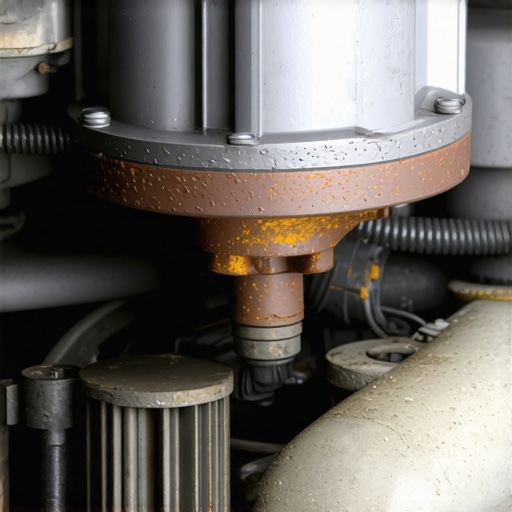
I’ll never forget the day my car started sputtering on the highway, threatening to leave me stranded miles from home. At first, I thought it was just bad fuel or a minor hiccup, but after some digging, I uncovered a sneaky culprit: a forgotten filter that was silently destroying my fuel pump. That moment was a lightbulb flickering in my mind—a realization that small, overlooked components can cause big headaches.
Why Ignoring This Part Could Cost You Thousands
Many drivers don’t realize that a tiny, commonly neglected filter plays a critical role in keeping your fuel system healthy. When this filter becomes clogged or dirty, it forces your fuel pump to work harder, risking premature failure. Once the pump gives out, the repair bills can skyrocket—often hitting the $1,000 mark or more. Trust me, I’ve seen it happen firsthand, and it isn’t pretty. Addressing this issue early can save you a ton of money and prevent the frustration of sudden breakdowns. Today, we’re going to unravel this hidden problem and show you exactly how to tackle it before it becomes a costly disaster.
Is Your Car’s Fuel System a Time Bomb?
My biggest mistake early on was ignoring the warning signs—rough idling, sluggish acceleration, and unexpected stalls. I thought these were just minor issues, but they were symptoms of a deeper problem. Rushing into costly repairs without understanding the root cause only made things worse. For a reliable fix, I had to learn the importance of regular maintenance, including inspecting and replacing this tiny but mighty filter. Want to avoid similar pitfalls? Keep reading and discover how a simple check can make all the difference. For more expert tips on vehicle longevity, check out this guide on maximizing your car’s lifespan.
Locate the Fuel Filter Precisely and Prepare Properly
My first real challenge was finding the fuel filter, which isn’t always under the hood. I checked my vehicle’s owner manual and discovered it was tucked away near the fuel tank, underneath the vehicle. To prepare, I gathered necessary tools—wrench set, safety gloves, and a container to catch residual fuel. Ensuring the car was parked on a flat surface and the engine was cool minimized risks. Wearing protective gear prevented fuel spillage from causing skin irritation, and blocking the fuel lines with cloth prevented debris ingress.
Safely Drain and Disconnect the Old Filter
Drain any remaining fuel carefully
Once positioned, I loosened the drain screw at the bottom of the filter to release residual gasoline into a container. Do this slowly to prevent splashing. This step reduces risk of fire hazard and mess. For example, I once rushed this step, spilling fuel onto the hot exhaust, which made me realize the importance of patience here.
Disconnect fuel lines with precision
Next, I used the appropriate wrench to disconnect the inlet and outlet fuel hoses, noting their orientation for the new filter. Applying gentle, steady pressure avoided damaging connectors. Remember, fuel lines can be brittle with age; a light touch prevents cracking and leaks.
Install the New Filter Correctly and Reassemble
Before installing, I compared the new filter to the old one to confirm compatibility. Then, I attached the fuel lines to the new filter, ensuring they were securely clamped. Confirming a snug fit prevents leaks. I then tightened any screws and bleeded residual air by turning the engine on briefly, listening for rough idling—if present, it indicates trapped air. A successful replacement prevented a potential breakdown and saved me from costly repairs down the line.
Test the System and Check for Leaks
After reassembly, I started the engine and inspected all connections for leaks. Spraying a mixture of soap and water around fittings helped spot bubbles indicating leaks. No leaks meant the job was successful. This thorough check is crucial—skipping it can lead to fuel leaks that risk fires or damage. Regular inspection and timely replacement of this small but mighty filter significantly increase your vehicle’s longevity, making your drive safer and cheaper in the long run. For comprehensive maintenance tips, see this guide.
Many car owners believe that routine maintenance or repairs are straightforward tasks, but in reality, the automotive world is filled with subtle nuances that can make or break the longevity of your vehicle. A common misconception is that following standard procedures guarantees perfect results. However, expert mechanics understand that minute details—like proper torque specifications or sequence of part installation—can drastically influence repair outcomes. Missteps here aren’t just small mistakes; they can lead to premature component failure or safety issues. For instance, overtightening a transmission bolt might seem harmless but can warp the housing, leading to costly problems later. Recognizing these nuances demands experience and a deep understanding of vehicle systems, emphasizing why elevating your car care knowledge is crucial for long-term savings.
Why do some repairs last decades while others fail prematurely?
The crux lies in attention to detail. A seasoned technician meticulously follows manufacturer specifications, uses quality parts, and double-checks every step—this is the essence of expert auto repair. Not surprisingly, shortcuts or neglecting minor procedures are often the culprits behind recurring issues. Studies highlight that nearly 70% of vehicle failures are due to overlooked installation errors or neglecting subtle system interactions, reinforcing the importance of nuanced understanding in repair work (source: Collision Fixer Privacy Policy). This is especially vital during complex tasks like transmission service or engine overhauls, where precision is non-negotiable.
> Do you think all mechanics pay equal attention to these details? Chances are, many don’t, which is why reputable auto service providers prioritize training and adherence to best practices. If you’re considering an auto repair or a simple tune-up, ask your technician about their approach to these critical nuances. Knowing that a professional pays attention to the smallest details can save you from future headaches and expenses. For instance, improper fluid levels or incorrect bolt torques in a transmission service can cause severe damage down the line, though it may not be immediately apparent. To stay ahead, learn to identify signs of uneven or sloppy repairs by consulting detailed guides like maximizing your car’s lifespan through regular tune-ups.
What’s the smartest move to avoid advanced mistakes in your car’s repair?
The key is education and vigilance. Always seek a certified technician who understands not just the procedures but also the subtleties behind them. Be proactive: ask questions about the steps taken, verify torque settings, and understand the importance of sequence in assembly. Remember, a quick fix that overlooks critical nuances can lead to expensive repairs or safety hazards. Regularly updating yourself with trusted automotive resources can empower you to recognize when something feels off—before it turns into a major problem. Don’t leave your car’s health to chance; invest in knowledge and choose quality services. For more insights into advanced car care, visit this comprehensive guide and stay ahead of the curve. Have you ever fallen into this trap? Let me know in the comments.
Tools That Make the Difference in Long-Term Car Care
Maintaining your vehicle’s performance over time requires more than just routine checks; it demands the right arsenal of tools designed for precision and reliability. One of my personal favorites is the SNAP-ON Digital Torque Wrench. Precision is vital, especially when dealing with critical components like cylinder head bolts or transmission pan screws. Using an accurate torque wrench prevents over-tightening or under-tightening, both of which can cause costly damage. I chose this model because of its durability and calibration stability, ensuring I get consistent readings every time.
Another indispensable tool is the OEM-Recommended Scan Tool. I use a model that connects to my smartphone, providing on-the-spot diagnostics for error codes and sensor data. This allows me to identify minor issues before they escalate, saving time and money. Regularly updating the device’s software keeps it aligned with the latest vehicle models and manufacturer specifications, which is crucial given the rapid evolution of automotive technology.
Smart Methods for Ongoing Maintenance
Beyond physical tools, leveraging dedicated software aids in tracking your vehicle’s health. I recommend maintenance management apps that remind you of oil changes, filter replacements, and inspection intervals. Setting up alerts ensures you don’t overlook critical tasks, keeping your car running smoothly over the years.
Consistent fluid checks are another secret to longevity. I perform a simple visual inspection monthly, looking for discoloration or contamination. For more complex procedures like transmission fluid changes, I consult trusted guides such as these detailed instructions that ensure thoroughness without unnecessary expense.
Future Directions in Car Maintenance
As automotive technology continues to evolve, I predict an increase in AI-driven diagnostics and autonomous maintenance alerts. Vehicles will soon be equipped with onboard sensors that predict failures before symptoms appear, allowing preemptive repairs. This proactive approach will drastically reduce breakdowns and extend vehicle lifespan, similar to how predictive analytics are transforming industries today.
How do I keep my vehicle functioning at its best over time?
Embracing the right tools combined with disciplined maintenance routines is key. Regularly calibrating your torque wrench, updating software on scan tools, and following manufacturer guidelines ensures top performance. Additionally, investing in diagnostic software that integrates with your vehicle’s onboard computer allows for real-time health monitoring. For those who want to truly master their car’s care, I recommend trying out a high-quality scanner and practicing periodic diagnostics—it’s a game-changer. When you combine these methods, you’re not just fixing issues; you’re proactively extending your vehicle’s life and safety. Want to dive deeper into advanced maintenance techniques? Explore this comprehensive resource for expert guidance on elevating your car care routine.
What I Wish I Knew When I Started Fixing Cars
One of the most valuable lessons I learned is the importance of patience and attention to detail. Rushing through a repair session often leads to overlooked issues that can cause future headaches. For example, I once neglected to double-check torque specifications, which resulted in a faster wear of my brake components. Taking the time to follow manufacturer guidelines saves money and extends the lifespan of your vehicle.
Another insight was understanding that proper diagnosis is the key to effective repairs. Guesswork can lead to unnecessary part replacements, costing time and money. Investing in diagnostic tools and learning how to interpret error codes transformed how I approach vehicle maintenance. It’s like giving your car a check-up, just like a doctor would for health—accurate, thorough, and timely.
Finally, I realized that ongoing education and curiosity are vital. Automotive technology evolves rapidly, and staying updated with the latest repair techniques or tools can make all the difference. Regularly reading trusted resources or engaging with expert communities keeps your skills sharp and your vehicle running smoothly.
Gear I Trust for Keeping My Car in Top Shape
I advocate for tools that blend precision with durability. The SNAP-ON Digital Torque Wrench stands out because of its consistent calibration, helping prevent damage caused by over-tightening. For diagnostics, the OEM-Recommended Scan Tool is invaluable—I rely on it for real-time data and early warning signs of issues, which I found to be a game-changer in maintenance routines.
Additionally, maintenance management apps like these tracking tools help me remember crucial service intervals, ensuring my car remains reliable over miles. Visual inspections of fluids, inspired by trusted DIY guides, complement these tools by catching problems before they escalate. For deeper repairs, consulting comprehensive guides like transmission overhaul tips has saved me from costly mistakes.
Take Charge of Your Car’s Future Today
Your vehicle’s longevity depends on your proactive approach, from investing in quality tools to staying educated about how your car works. Regular maintenance, performed with care and knowledge, isn’t just about fixing things—it’s about preserving your safety and peace of mind. Start today by reviewing your maintenance schedule and considering tools that empower you to diagnose and address issues early. Remember, every small step adds up to big savings and a smoother ride. Want to share your own car care victories or ask for advice? Drop your thoughts below—your experience could help someone else stay safe and savvy on the road.