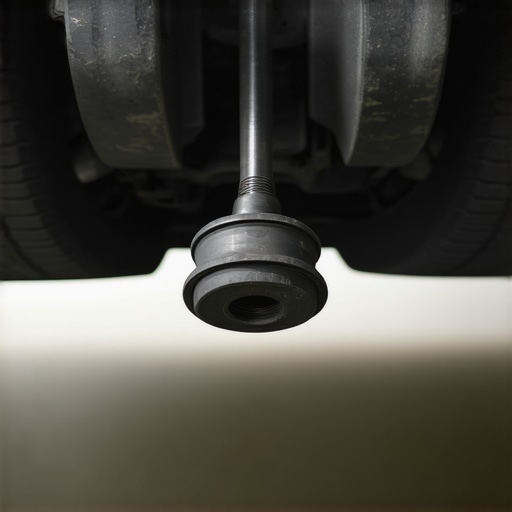
One morning, I hit the road, expecting a smooth drive like always. Instead, my steering felt play-y, almost like I was steering a boat on choppy waters. It was this sudden, unnerving looseness that made me question everything about my car’s health. Turns out, a tiny component I never paid attention to—something called a suspension bushing—was the culprit behind that unsettling feeling. It was a lightbulb moment for me, realizing how often overlooked parts can drastically impact how our cars behave and how safe we feel behind the wheel.
Why Your Car Feels Loose and How a Small Bushing Changes Everything
When your car starts to feel loose or wobbly, it’s not always the big, obvious repairs that are needed. Sometimes, it’s a tiny part—like a worn-out bushing—that’s causing a major shake-up. These bushings are rubber or polyurethane cushions that sit between suspension parts, absorbing shocks and providing stability. Over time, they wear out, crack, or degrade, especially if you often drive on rough roads or neglect regular maintenance. The result? Increased play in your steering, uneven tire wear, and a general feeling that your car isn’t as solid as it used to be. Trust me, I’ve been there, and fixing this tiny part was a game-changer in restoring my confidence on the road. If you’ve been experiencing a similar sensation, it’s worth exploring whether your bushings are the problem.
But here’s the kicker—many drivers ignore these signs, assuming that a loose feeling is just a normal part of aging or due to wheel alignment. However, ignoring worn bushings can lead to more serious issues like uneven tire wear, misaligned steering, and even compromised safety. The good news? Replacing a bushing is usually a straightforward fix, and it can make all the difference in how your car feels and performs. Curious if your vehicle is showing early signs? Keep reading, because I’ll guide you through how to identify and address this hidden culprit that’s quietly undermining your driving experience.
Ever Felt Like Your Car Is Too Loose? Here’s What Might Be Happening
Thinking back to my own experience, I wish I had caught the problem sooner. Early in my troubleshooting, I made the mistake of just focusing on wheel alignment, which didn’t actually solve the loose feeling. It’s a common rookie mistake—assuming the problem is somewhere obvious, like the tires or steering components. But the truth is, tiny bushings play a huge role in connection and stability. This oversight delayed my fix and cost me extra time and money. So, if you’re at that point where your steering feels off, ask yourself: could it be these small, worn components quietly degrading your driving experience? To avoid my mistake, I recommend looking into the condition of your suspension bushings early on, which can be surprisingly affordable and simple to replace when caught in time. For more on how to diagnose and fix these issues, check out this guide on how to spot a bad ground wire—just one piece of the puzzle in ensuring your car runs smoothly.
Inspect Your Suspension Components Thoroughly
Start by lifting the vehicle safely using a jack and stands, then remove the wheels to access suspension parts. Visually examine the bushings for cracks, tears, or excessive deformation. Use a pry bar to gently move suspension arms; any excessive play indicates worn bushings. I once spent hours checking tires and alignment only to discover the bushings were shot, causing my loose steering. Catching these early prevents costly repairs and unsafe driving conditions. For a detailed inspection checklist, see this guide on diagnosing suspension issues.
Remove and Prepare the Worn Bushings
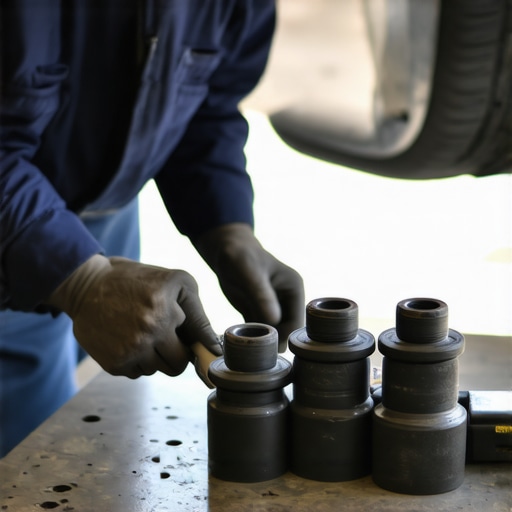
Identify the bushings that need replacement. Use penetrating oil on the bushing’s metal retaining parts to loosen rust. Clamp the suspension arm securely in a vice if possible. Use the appropriate bushing removal tool or a hydraulic press to extract the worn bushing—these tools make the process easier and prevent damage. I once used a makeshift method with a socket and a hammer, which was messy and time-consuming. Investing in proper tools saves effort and ensures a proper fit during reinstallation.
Install New Bushings Effectively
Align the new bushings properly with the mounting holes. Apply some synthetic grease or bushing lubricant to ease installation and prevent squeaks. Use the hydraulic press or a bushing installer tool to seat the new bushings evenly. Avoid forcing them in with a hammer alone, as uneven seating can lead to early wear. After installation, torque all bolts to manufacturer specifications. I found that carefully following these steps restored my car’s steering responsiveness, making the drive feel like new.
Test and Verify the Repair
Lower the vehicle and perform a test drive. Pay attention to steering feel, vibrations, and clunking sounds. Remember, the main goal is to eliminate excess play and improve stability. If the car still feels loose, recheck the bushing installation and all related suspension components. It’s worthwhile to revisit timing of fluid replacements to ensure fluid dynamics aren’t contributing to handling issues. Properly functioning bushings can significantly enhance your driving safety and comfort.
When to Consider Professional Help
If you’re uncomfortable working with suspension components or your inspection uncovers complex issues, it’s wise to consult a trusted mechanic. Sometimes, bushings are embedded deep within the suspension or steering knuckles, making DIY replacement risky or difficult. A professional can also assess related parts that might be compromised alongside bushings. Doing so ensures your vehicle maintains its stability and safety standards without DIY pitfalls.
Many car owners and DIY enthusiasts believe that routine tune-ups or auto repairs are straightforward, often focusing solely on replacing worn parts or checking fluid levels. However, this oversimplification can lead to costly mistakes and overlooked issues that sabotage your vehicle’s longevity and performance. One common myth is that all maintenance tasks are universally applicable, regardless of the vehicle’s make, model, or driving conditions. In reality, advanced diagnostics and nuanced understanding of systems like transmission fluids reveal that what works for one car may harm another.\n\nAnother misconception involves the timing of repairs. Many think that a ‘seems-okay’ attitude saves money, but neglecting subtle signs of impending failure—such as minor transmission slip or fluctuating idle speeds—can escalate into major failures. For example, neglecting to address loose side mirrors or spilled fluids in the engine bay might seem trivial but could mask more serious issues.\n\nHere’s a critical trap to avoid: assuming ‘DIY’ always saves money. While some repairs are manageable, attempting complex tasks like fixing spilled coffee in your shifter assembly or battery issues in rainy weather without proper tools or knowledge can lead to damage or voided warranties. Expert advice suggests that understanding the ‘hidden’ aspects—such as the difference between transmission flush versus drain procedures—can improve repair outcomes significantly.\n\nWhat about the misconception that a quick oil change fixes all engine-related worries? Actually, more nuanced fluids like differential oils sometimes get ignored, yet they are crucial for drivetrain health. Overlooking these ‘hidden’ fluids might not cause immediate issues but could reduce lubrication performance over time. Furthermore, the most ignored fluid often leads to preventable breakdowns. \n\nFor the advanced driver, mastering diagnostics that go beyond the basics can prevent expenses and unsafe situations. For instance, identifying clogged transmission screens or understanding the nuances of dashboard rattles help you catch problems early. Recognizing these nuances is akin to a mechanic’s keen eye—an advantage that keeps your vehicle running smoothly and safely.\n\nSometimes, small components like plastic clips or sensors hide crucial failures. For example, a worn plastic clip might seem insignificant but can cause drivability issues. The common mistake is dismissing these minor parts, yet understanding their importance in systems like throttle control or fuel delivery can save the day.\n\nFinally, a word of caution: never underestimate the complexity of modern car systems. A simple transmission hunting for gears or car drifting during braking might seem unrelated, but both can stem from overlooked issues deep within the electronic or hydraulic systems. Correct diagnostics require not just replacing parts but understanding the interconnected nuances that make modern vehicles tick.\n\nIn the end, the key takeaway is to develop more than a superficial understanding of your vehicle. Dive into the ‘hidden’ nuances that experts know—like inspecting sensitive components and understanding fluid dynamics—so you can make informed decisions that extend your car’s life and upgrade your safety. Have you ever fallen into this trap? Let me know in the comments.
How do I maintain my vehicle over time?
Consistent maintenance is the backbone of reliable vehicle performance. I rely heavily on specific tools and practices to ensure my car stays in top shape. First and foremost, I invest in a high-quality OBD-II scanner. It’s invaluable for diagnosing issues early, reading error codes, and even resetting the check engine light without visiting a mechanic. I personally use the CarScan Pro because of its comprehensive compatibility and user-friendly interface. This device helps me stay ahead of potential problems related to emissions, sensors, or transmission, saving time and money in the long run.
Another must-have is a sturdy digital multimeter. It’s essential for testing battery voltage, checking starter currents, and diagnosing relay faults. I recommend the Fluke 115, as it provides precise readings and durability. With a multimeter, I frequently verify the health of crucial electrical components, ensuring I catch issues like a drained battery or faulty ground wires (this guide helps with identifying ground problems).
For maintaining fluid health, I use a fluid extractor pump to perform oil changes. It’s cleaner, faster, and reduces mess compared to traditional draining. Regularly checking and replacing transmission fluids—guided by understanding the difference between a flush and a drain (this article)—can significantly extend transmission life. As cars become more complex, staying proactive with fluid changes is becoming even more critical, especially considering how dirty fluids can kill modern gearboxes.
Maintaining your tires with a good tire pressure gauge and a portable inflator helps prevent uneven wear and improves fuel efficiency. I personally endorse the AstroAI Digital Tire Pressure Gauge because of its accuracy and durable design. Routine visual inspections of suspension components, especially bushings, also save significant headaches down the line. Using a pry bar or a simple electric inspection mirror allows me to spot cracks or deformation early, preventing safety risks.
In the future, I predict that advanced diagnostic tools integrated with smartphone apps will become standard, offering real-time insights and predictive maintenance notifications. Embracing these trends now, like investing in wireless OBD-II adapters, can make vehicle maintenance more intuitive and accessible.
What’s the best way to keep your vehicle performing at its best?
Address small problems before they escalate. Regular checks, combined with the right tools like a reliable scanner or multimeter, empower you to understand your car better. This proactive approach not only extends the lifespan of vital parts but also enhances safety and driving pleasure. So, pick one area—perhaps your fluid levels or electrical system—and incorporate these tools into your routine. Your vehicle will thank you for it. And remember, staying informed with resources like battery tips can prevent unexpected failures. Give one of these methods a try today — your confidence on the road will increase with each check-up.
Lessons That Changed My Approach to Car Care
- Small Parts Matter More Than I Thought: Overlooking tiny components like bushings can lead to major safety issues. Paying attention to these seemingly insignificant parts prevents costly repairs and keeps my drives smooth.
- DIY Isn’t Always a Shortcut: While tackling repairs myself is rewarding, some tasks demand proper tools and expertise. Knowing when to seek professional help saves time, money, and frustration.
- Regular Inspection Saves the Day: Catching wear early—like cracked bushings or loose fittings—makes all the difference. Preventative maintenance is my best strategy for longevity and safety.
- Understanding My Vehicle’s Nuances: Each car is unique. Learning about specific systems, such as fluid types and their impacts, helps me make informed decisions that improve performance.
- Patience and Care Are Key: Rushing repairs or ignoring subtle signs often leads to bigger problems. Taking my time to diagnose and fix issues results in more reliable and safer driving experiences.
Tools and Resources That Elevate My Car Maintenance Game
- OBD-II Scanner: I rely on the CarScan Pro because it helps me identify issues early, avoiding surprises. It’s like having a mechanic in my glove box, guiding me through diagnosis and resets.
- Multimeter: A durable tool like the Fluke 115 is essential for electrical checks—battery health, ground issues, and sensor diagnostics. It’s an investment that pays off with every use.
- Fluid Extractor Pump: My go-to for clean, efficient oil changes. Regular fluid checks—especially understanding the difference between transmission flush and drain)—are vital for gear longevity.
- Routine Inspection Routines: Visual checks of suspension components, including bushings, prevent unsafe conditions. I recommend incorporating simple tools like pry bars and inspection mirrors into your maintenance routine to spot issues early.
Charge Forward, Car Lover
Empowering yourself with knowledge and the right tools turns car maintenance from a daunting chore into an exciting journey. Every little fix or inspection sharpens your instincts and safety sense—paving the way for smarter, more confident drives. Have you noticed a small issue turning into a major headache? Share your experience below, and let’s learn together how prevention really wins the race.