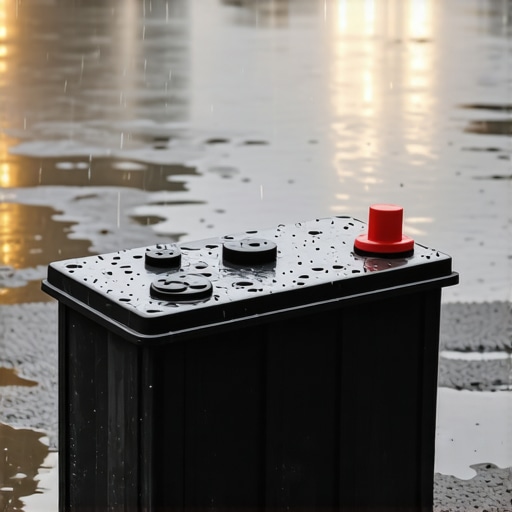
It happened again. I was rushing out on a rainy morning, keys in hand, only to discover my car wouldn’t start. The battery was dead—no surprise, really. But the strange part? It only happens when the sky opens up. That moment of frustration hit me hard, and I realized I wasn’t alone. Many drivers face this mysterious drop in battery performance during rainy weather, feeling perplexed and helpless. If you’ve ever wondered why rain seems to sabotage your car’s power, you’re in good company. Today, I want to share what I’ve learned from personal experience and expert insights to help you diagnose and fix this issue once and for all.
Understanding the Link Between Rain and Battery Drainage
Could Moisture Be Sabotaging My Battery?
Many car owners don’t realize that moisture can infiltrate crucial electrical components, leading to unexpected battery drain. When water seepage occurs in areas like the engine bay or under the vehicle, it creates unintended pathways for current to short-circuit, draining your battery faster than normal. Early on, I made the mistake of ignoring seemingly minor leaks, thinking they weren’t a big deal. That oversight cost me quite a few mornings stuck with a dead battery. Now, I know the importance of inspecting for signs of moisture intrusion and addressing them promptly. For a detailed look at how water can compromise your vehicle’s electrical system, check out this article on [the importance of proper water drainage and sealing](https://collisionfixer.com/why-your-battery-dies-every-three-days-for-no-reason). Recognizing these vulnerabilities early is key. So, have you noticed water pooling around your battery terminals or wetness in your engine compartment during rains? If so, there’s a good chance moisture is part of the problem—and there’s more to uncover. Now, let’s explore what you can do to diagnose and resolve these issues effectively.
Inspect for Water Intrusion and Moisture Damage
Start by opening your hood and visually inspecting the battery terminals, wiring, and surrounding components for signs of water or moisture. During a rainy day, I once noticed water pooling around my battery terminals, which caused immediate corrosion. To prevent this, clear any debris blocking the drainage channels and reseal leaks around engine bay seals. Consider applying dielectric grease to the terminals, which acts as a barrier against moisture. For stubborn corrosion, use a wire brush and clean the terminals thoroughly. Remember, moisture can seep into areas you can’t see, so check for dampness under engine covers or around the battery tray.
Test and Reset Electrical Components
Electrical components like power windows or sensors might malfunction when exposed to moisture. For example, I once experienced slow power windows after a rain, which I fixed by resetting the window’s control module. To do this, disconnect the battery, wait for 10 minutes, then reconnect, effectively resetting the system. Regularly test your car’s electronics, especially after heavy rain. If you find persistent issues, consult your vehicle’s manual for specific reset procedures or learn how to reset your oil life monitor with this simple trick.
Address Water Damage in Key Fobs and Sensors
If moisture has reached sensitive electronics like your key fob, immediate action is essential. I once dropped my water-damaged key fob into rice overnight, which helped absorb moisture and restored its functionality. For more effective results, learn how to save a water-damaged key fob in seconds by following this step-by-step guide. Similarly, inspect sensors and electronic modules for signs of water and dry them thoroughly. Sealing these components can prevent future issues and help maintain your car’s electrical integrity during wet conditions.
Perform Battery and Alternator Tests
Use a multimeter to measure voltage and confirm your battery’s health. During my own testing, I found my battery voltage was dropping under load during rains, indicating a weak battery or failing alternator. To get a precise diagnosis, consider a professional load test or visit a shop that can perform a comprehensive battery and alternator test. If your battery is over three years old or showing signs of decline, replacing it can prevent unexpected failures—especially during rainy seasons. Additionally, learn how to fix a slow power window or calibrate sensors as needed, which can often be impacted by moisture-induced glitches.
Enhance Your Vehicle’s Waterproofing Measures
Finally, invest in sealing cracks or openings where water might seep in. Applying weather-resistant seals or protective coatings can significantly reduce moisture infiltration. I once applied a waterproof spray around engine bay seals, which noticeably diminished water ingress. Regularly inspecting and maintaining these protective barriers keeps your electrical components dry and functional. Remember, moisture is one of the main culprits behind sudden battery drainage during bad weather, so proactive waterproofing is a smart investment.When it comes to auto repair, many car owners operate under misconceptions that can lead to costly mistakes. One common myth is that a quick oil change or routine tune-up solves all engine issues. In reality, modern vehicles are complex systems that require a nuanced approach. Taking a deeper dive, some believe that replacing parts without diagnostic testing is sufficient. But as experts emphasize, diagnosing the root cause—like a strange noise or poor fuel efficiency—is crucial before replacing components. Another misconception is that all repair shops are equal; in fact, quality varies significantly, affecting the longevity and safety of your vehicle. To avoid unnecessary expenses, always ask if a shop performs comprehensive diagnostics or if they rely on guesswork.
**Don’t Fall for the ‘Quick Fix’ Trap** It’s tempting to opt for an inexpensive quick fix, but temporary solutions often lead to bigger problems down the road. For instance, ignoring subtle transmission slipping can escalate, resulting in expensive rebuilds. Recognize the signs early, such as unusual noises or delayed shifting, and seek professional assessment. Additionally, many drivers overlook the importance of periodic calibration of sensors like parking assist or blind-spot monitors. Proper calibration—like learning how to calibrate blind spot sensors after a fender-bender—ensures safety features function correctly and can prevent accidents.
**Are You Overlooking Hidden Damages?** A common mistake is neglecting a thorough inspection after minor collisions or repairs. Hidden damages, if left unaddressed, can compromise vehicle safety and lead to costly repairs later. For example, mirror the advice on inspecting for mismatched paint before leaving the shop, which could indicate underlying structural issues. Regular inspections and understanding the nuances of components like gaskets and vacuum lines can significantly extend your vehicle’s lifespan and performance.
Have you ever fallen into this trap? Let me know in the comments. Ensuring your vehicle receives informed, comprehensive care is vital—don’t settle for superficial fixes that only mask symptoms. By understanding these nuances, you can make smarter decisions, avoid common pitfalls, and keep your car running smoothly for years to come. Remember, a well-informed owner is a safer, more cost-efficient driver.
How Do I Maintain My Vehicle’s Performance Over Time?
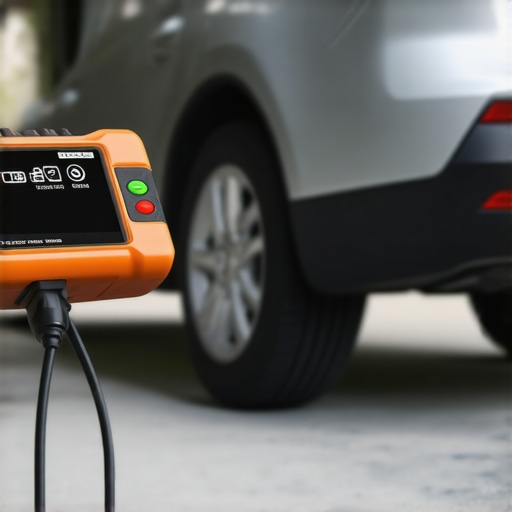
Maintaining your car’s reliability requires more than occasional oil changes. I swear by my dedicated diagnostic tools and a few select software programs that give me insights into my vehicle’s health in real time. For instance, I use an OBD2 scanner like the BlueDriver, which connects wirelessly via Bluetooth to my phone. It’s compact, affordable, and offers detailed live data, making it easy to catch issues like early signs of electrical drainage or impending transmission problems. Regular scanning allows me to detect developing issues before they become costly repairs, especially when it comes to automatic transmission tune-ups or checking for vacuum leakshttps://collisionfixer.com/why-your-car-sounds-like-a-jet-plane-when-driving. Additionally, I rely on engine monitoring apps such as Torque Pro, which display sensor data and error codes, making troubleshooting straightforward. Software like these empower me to act proactively, saving time and money in the long run. Looking ahead, vehicle diagnostics are becoming increasingly integrated with AI-powered predictive maintenance, enabling us to address issues before even a warning light appears. Automation and smart sensors will likely play a bigger role, guiding car owners and technicians alike toward more efficient upkeep. So, if you haven’t invested in a reliable scanner, I recommend starting with one that interfaces seamlessly with your smartphone. It’s a game-changer for keeping your vehicle in top shape—even during unpredictable weather conditions or after a collision repair.
What Equipment Do I Need for Effective Car Maintenance?
Beyond diagnostic tools, I emphasize the importance of a quality set of hand tools—particularly a reliable jack, a torque wrench, and a set of screwdrivers tailored for automotive work. I personally prefer a digital torque wrench because it ensures precise tightening of critical components like wheel lug nuts or transmission mounts, reducing the risk of damage or uneven wear. Having a good multimeter is essential for testing battery health or diagnosing electrical faults; I use one with auto-ranging capabilities so I don’t have to fiddle with settings during quick checks. For fluid inspections, a siphon pump makes replacing engine oil or coolant straightforward, preventing messy spills or contamination. Over time, I’ve learned that investing in these tools pays off quickly, especially when performing a tune-up or addressing long-term transmission concerns. The right equipment simplifies complex repairs and helps you maintain your vehicle’s integrity without always relying on a mechanic. As technology advances, expect smarter diagnostic gadgets to incorporate predictive analytics, alerting you to issues before they affect safety or performance. Therefore, upgrading your toolbox now ensures you’re prepared for both routine maintenance and unexpected repairs.
Embracing Tools to Scale Your Car Care Efforts
As your familiarity grows, automating parts of your routine maintenance can lead to more consistent results. For example, using a waterless engine degreaser like the products recommended by CollisionFixer can help keep your engine bay clean without the hassle of rinsing. Also, performing regular sensor calibrations—like for blind spot detection—becomes easier when you have access to specialized tools and guided tutorialshttps://collisionfixer.com/how-to-calibrate-blind-spot-sensors-after-a-fender-bender. This not only extends component lifespan but also maintains the safety features that protect you and your family. For long-term savings, consider setting up a maintenance schedule that integrates diagnostic scans, fluid checks, and visual inspections, all supported by your toolkit. This strategic approach ensures your vehicle remains reliable under diverse conditions and during heavy usage. Going forward, the trend is toward more integrated, AI-driven diagnostic solutions that can manage multiple systems simultaneously, making it easier than ever to scale your maintenance efforts without becoming overwhelmed. For now, I highly recommend trying out a combined diagnostic and calibration kit to see immediate improvements in vehicle performance and safety.
Lessons I Wish I Knew Before My Car Betrayed Me in the Rain
- Ignoring small water leaks around the engine bay was my biggest mistake—water intrusion quietly eroded my electrical system, leading to dead batteries on soggy mornings. Now, I always inspect and seal critical areas, learning that proactive water management can save you from sudden breakdowns.
- I underestimated how moisture affects electronic modules, causing sensors to malfunction or reset unexpectedly. Recognizing this, I started drying and sealing sensitive components, which made a noticeable difference in avoiding rain-induced glitches.
- The importance of regular diagnostics became crystal clear when I used simple tools to monitor my battery health and electrical connections after storms. Investing in a quality OBD2 scanner transformed my ability to detect issues early, giving me peace of mind even in unpredictable weather.
My Top Picks for Keeping Your Car Dry and Healthy
- BlueDriver OBD2 Scanner: I trust it because it provides detailed diagnostics, helping me catch moisture-related issues before they escalate.
- Dielectric Grease: Applying it to battery terminals creates a moisture barrier, preventing corrosion and ensuring reliable starts during rainstorms.
- Waterproof Engine Seals: Upgrading seals around engine components has significantly reduced water ingress, extending both electrical system life and overall reliability.
- Engine Bay Waterproofing Sprays: A quick protective coating goes a long way to repel water and protect crucial electrical areas from total immersion, especially during heavy downpours.
Your Next Step Toward Rain-Resistant Reliability
“Protecting your vehicle from rain-related electrical woes isn’t just about fixing problems—it’s about smart maintenance, proactive sealing, and understanding your systems deeply. The more you learn and implement these strategies, the less likely rain will sabotage your drive. Remember, every time you prevent moisture from creeping into vulnerable spots, you’re extending your car’s lifespan and saving money down the road. So why wait for a dead battery or electrical glitch to remind you? Embrace these tips now and drive confidently through any storm.”
Have you ever tried sealing leaks or using diagnostics tools to combat weather effects? Share your experience below!