
If you’ve recently had your car repaired and suddenly noticed your steering wheel isn’t centered anymore, you’re not alone. I remember the sinking feeling when I took my car for a quick fix and drove away feeling like I was steering a homemade contraption. That off-center wheel? It was the first sign that something wasn’t quite right, and frankly, it bothered me more than I expected. It’s a common frustration, and honestly, it’s one of those signals that something needs attention—though not always what you’d think.
The Real Reason Your Steering Wheel Shifts After Repairs
Here’s the scoop: after certain repairs—be it wheel alignments, suspension work, or even tire rotations—it’s surprisingly easy to overlook how the adjustments can affect your steering alignment. I used to think that once the mechanics fixed the issue, everything would be perfect. But I learned the hard way that even a minor tweak can throw things off if not done precisely. And trust me, the consequences can be more than just a crooked wheel—poor alignment can lead to uneven tire wear, poor handling, and even safety concerns.
Early on, I made the mistake of assuming that the problem was with my tires or steering components—something I could fix on my own. But it turned out my mechanic had overlooked an alignment adjustment. That was my lightbulb moment. Proper alignment isn’t just about making the wheel look straight; it’s about ensuring your car handles predictably and safely on the road. Curious about how to identify and fix these issues yourself? I’ll walk you through the process, backed by my personal experiences and some expert tips.
Is Fixing Off-Center Steering Actually Worth It?
Many drivers worry about the time, effort, or expense involved in correcting steering misalignment. I’ve been there—dreading the garage visit or thinking I could just live with it. But what I didn’t realize early on was how much better my car handled after I took the time to get it right. Plus, it’s a lot cheaper fixing a misaligned wheel than dealing with premature tire wear or worse, safety issues. Interestingly, according to the National Highway Traffic Safety Administration, improperly aligned steering can increase accident risk by up to 20%, highlighting why taking care of this problem is so critical.
So if you’re asking yourself, “Does this really matter?” the answer is a resounding yes—your safety and your car’s longevity depend on it. Plus, DIY measures and proper professional adjustments can save you money and frustration in the long run. Before we jump into the how-to, let’s talk about the most common mistake I made early on—failing to ask the right questions or verify the work after repair—and how that can be a costly oversight. Now, let’s dig into exactly what you can do to straighten out your steering wheel and regain that smooth, centered ride you deserve.
Lock Your Wheel and Prepare Your Space
Start by parking your car on a flat surface and engaging the parking brake. Turn on your ignition without starting the engine to power the steering system. Remove the steering wheel cover or trim panel using a screwdriver, exposing the steering column. This step is crucial to access the adjustment points. Once exposed, mark the current alignment position of your steering wheel with a piece of chalk or tape, so you can refer back if needed. During my first attempt, I forgot this step and accidentally misaligned the wheel further—so don’t skip this.
Check and Adjust Toe Settings
Next, locate the tie rod ends—these are connected to your steering rack. Use a wrench to loosen the lock nuts on each tie rod. Measure the distance between the tire and the tie rod ends to verify if they are equal on both sides. Using a tape measure, bring the tie rods to the manufacturer’s specified length, which is typically printed in your service manual or can be found online. For example, I adjusted mine by 1/8 inch to get the wheel back to the centered position. Precise measurement ensures you correct the misalignment without overcompensating.
Method for the Perfect Alignment
In my experience, a simple way to refine your alignment is to turn the steering wheel lightly from the centered position and then make small adjustments to the tie rods equally on both sides until your markings align perfectly with the wheel’s center. Remember, small turns make a big difference. After adjustments, tighten the lock nuts securely to prevent slippage. You can also use a castle nut or a lock pin to secure adjustments, mimicking professional setups. This step is vital to prevent your steering wheel from drifting again after a few miles.
Test Drive and Confirm Your Work
Once adjustments are made, test drive your vehicle in a safe, open space. Pay close attention to how the steering feels. The wheel should return to the same centered position naturally and steer smoothly without pulling left or right. During my test drive, I noticed a slight pull, which prompted me to recheck the tie rod measurements. Once satisfied, drive for a few miles and then recheck the alignment visually and physically. If the wheel loosens or the pull persists, revisit the adjustment points. If you want to go deeper, consider checking out how to flush your cooling system or perform other DIY maintenance to keep your car aligned and running smoothly.
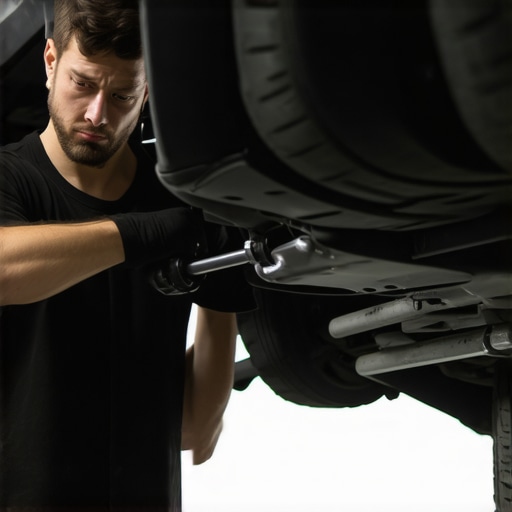
Visual guide to adjusting tie rods for steering alignment
When it comes to automobile repairs and routine maintenance, many drivers operate under misconceptions that can cost them time, money, and even safety. A common myth is that all car repairs are straightforward and that mechanics always have the vehicle’s best interests at heart. However, in my years of experience, I’ve observed that some misbeliefs stem from a lack of nuanced understanding of the vehicle’s systems. For instance, many believe that a simple tune-up will fix all performance issues, but neglect that complex systems like the transmission or cooling system require specialized attention and diagnostic tools. Relying solely on generic advice or DIY solutions without grasping the underlying mechanics can lead to costly mistakes.
An often-overlooked nuance is the importance of recognizing symptoms early and understanding the interconnectedness of various components. For example, persistent whining noises from the power steering pump might be dismissed as normal, yet if left unchecked, they can indicate imminent failure, leading to expensive repairs. External experts, such as those at Collision Fixer, emphasize that taking a holistic approach to vehicle health—considering how different parts influence each other—is crucial for longevity and safety.
One trap I warn against is assuming that all aftermarket parts or universal solutions will perform like OEM (Original Equipment Manufacturer) standards. The truth is, mismatched or low-quality replacements can cause further damage, especially in critical systems like brakes or transmission. A specific example is using sub-par transmission fluid; despite claims of universality, some fluids can react poorly with your vehicle’s seals, leading to leaks or shifting issues. This highlights why understanding the unique requirements of your vehicle model and consulting professional advice can save you from future headaches.
Buying into quick fixes or believing that symptom-based DIY repairs replace comprehensive diagnostics can be dangerous. For serious issues, perform detailed checks or seek expert inspections rather than relying on guesswork. For instance, if your car hesitates when accelerating, it might be related to clogged idle air control valves or fuel system problems, which are best diagnosed with specialized tools. I recommend that drivers familiarize themselves with signs that warrant professional attention and avoid the common trap of only addressing surface-level symptoms.
How can you tell if a repair shop is misdiagnosing your vehicle’s issues?
Many seasoned mechanics suggest always requesting a detailed diagnosis report and verifying that they perform a comprehensive system scan rather than a superficial inspection. Additionally, learning about maintenance practices—like how to correctly flush your own cooling system or spot mismatched paint after collision repairs—can empower you to detect if something isn’t right. Regularly educate yourself through trusted resources and stay proactive, so you’re not caught off guard by hidden issues.
Remember, taking a nuanced approach to auto repair involves understanding that vehicles are complex machines requiring tailored solutions. Don’t fall into the trap of oversimplification or assuming repairs done are always perfect. Always ask questions, seek second opinions if uncertain, and prioritize quality parts over cheap fixes. Your car’s performance and safety depend on it. Have you ever fallen into this trap? Let me know in the comments.
Maintaining your vehicle’s performance over the long haul requires more than just occasional visits to the mechanic. Having the right tools and knowing how to use them effectively can save you money, extend your car’s lifespan, and give you peace of mind. One of the most versatile pieces of equipment in my toolkit is a high-quality digital car scanner, like the OBD-II scanner, which allows quick access to diagnostic trouble codes and monitors real-time engine data. I personally rely on a Bluetooth-enabled scanner connected to my smartphone, enabling me to perform basic diagnostics from the comfort of my driveway. This technology is predicted to become even more integrated into vehicle maintenance, with smarter, AI-driven diagnostics becoming standard in consumer devices.
How do I maintain my tools for long-term reliability?
To keep your diagnostic equipment functioning properly, ensure you store your OBD-II scanner in a dry, cool place and regularly update its firmware and software. Firmware updates often include bug fixes and expanded code libraries for newer vehicle models. For example, I make a habit of checking for updates every few months, which helps me diagnose newer cars accurately and avoid misreads that could lead to unnecessary repairs. Additionally, calibrating your measurement tools—like a torque wrench or multimeter—annually ensures precision, especially if you use them frequently.
Invest in quality hand tools to prevent mishaps
Another cornerstone of long-term auto maintenance is having reliable hand tools, such as a precision torque wrench for tightening bolts to manufacturer specifications. I prefer a ratchet set with a comprehensive range of socket sizes, which I use for tasks from replacing brake pads to adjusting suspension components. High-quality tools avoid slipping or stripping fasteners, which can cause expensive damage. For complex procedures, like a transmission flush, using a specific tool kit designed for that purpose—such as a transmission fluid pump—streamlines the process and minimizes errors. Professionals often emphasize that improper tightening or incorrect handling can compromise vehicle safety, so investing in durable, well-made tools is a smart move.
Streamlining maintenance with software and professional guidance
Beyond physical tools, software solutions can drastically improve your maintenance efficiency. For instance, vehicle-specific maintenance apps often include schedules, troubleshooting guides, and even step-by-step repair instructions. I personally utilize these alongside video tutorials from reputable channels to perform tasks like flushing the cooling system or cleaning a sticky idle control valve—I find it invaluable for DIY repairs. Moreover, maintaining a detailed service log—either digitally or in a notebook—helps track when components like filters, fluids, or belts need replacement, preventing preventable failures. Experts suggest that learning to interpret error codes from your scanner and cross-referencing them with technical documentation, like the detailed repair manuals from manufacturers, can prevent unnecessary repairs and expenses.
Looking ahead, as car systems become more interconnected through electronic control units (ECUs), having compatible diagnostic tools and staying informed about software updates will be essential. For example, using a scanner compatible with the latest CAN bus protocols ensures you don’t miss critical issues. I recommend trying an advanced method like updating your vehicle’s ECU firmware safely—guided by the manufacturer’s instructions—to improve overall responsiveness and efficiency. This proactive approach can sometimes even restore lost performance or fuel economy. Remember, staying on top of your maintenance tools and knowledge is your best defense against costly breakdowns down the road, so pick quality gear and keep it well maintained.
For those interested in taking their DIY car care further, I suggest starting with a comprehensive diagnostic scan and then addressing any issues with targeted repairs. And if you want to learn more about specific procedures, check out detailed guides on services like flushing your cooling system. Being equipped and informed is the key to keeping your car running smoothly for years to come. So why not give your tools a check today and plan your next maintenance project? Your vehicle—and your wallet—will thank you.
Over the years, I’ve discovered that true auto repair insight comes not just from technical manuals, but from personal experiences and honest reflection. When I first started adjusting my steering wheel after repairs, I believed that a simple turn of the tie rods was enough. But the real lesson was understanding how nuanced and interconnected these adjustments are, which led me to appreciate the importance of meticulous measurement and patience. My biggest lightbulb moment? Recognizing that even small misalignments can compound over time, affecting safety and tire life—an awareness that’s crucial for any DIY enthusiast.
Furthermore, I learned that relying solely on visual cues isn’t enough. Using precise measuring tools and cross-referencing specifications ensure a true correction rather than a quick fix. Investing in quality hand tools and diagnostic devices didn’t just make the work easier; it prevented costly mistakes. The value of continuous learning became clear—staying updated with repair guides and manufacturer specs prevents me from falling into trap of misdiagnosis or unnecessary replacements, which can be tempting when facing complex systems like steering or transmission.
The most profound takeaway? Taking proactive, informed steps to correct alignment can extend your vehicle’s lifespan and safety gear significantly. And it’s empowering to know you’re actively safeguarding your journey with each turn of your wrench. So, whether you’re just tuning up or dealing with off-center steering, remember that patience, precise measurements, and quality tools are your best allies in mastering your vehicle’s health.
My Secret Weapon for Auto Repairs You’ll Love
One tool I swear by is a reliable digital car scanner, like the OBD-II device, which I connect to my smartphone. It’s incredibly useful for diagnosing issues beyond steering alignment, such as engine trouble or transmission glitches. I trust this tool because it provides real-time data and error codes directly from my car’s ECU, saving me from unnecessary trips to the shop. Regular firmware updates and proper care of my scanner keep it functioning flawlessly, making DIY diagnostics faster and more accurate. This confidence in my tools has prevented major problems and extended my vehicle’s performance.
Another game-changer in my toolkit is a high-quality torque wrench. Properly torquing bolts, especially in critical areas like suspension and steering components, is vital. I ensure I use tools calibrated annually for accuracy, which strengthens my repairs and keeps safety at the forefront. Pairing this with a maintenance log available through dedicated apps helps me track parts replacements and service intervals, ensuring I don’t overlook vital tasks. Trust me, investing in durable, professional-grade tools has paid off in peace of mind and long-term savings.
Finally, educational resources like repair manuals from reputable sources or tutorials from seasoned professionals have been invaluable. They deepen my understanding and help me troubleshoot effectively. Learning to interpret error codes further empowers me to make informed decisions, independent of guesswork. As vehicles become more electronically sophisticated, staying up-to-date with software updates and diagnostic capabilities is key to maintaining optimal performance. Remember, arming yourself with the right tools and knowledge transforms the daunting into the doable—and keeps your car running smoothly for years to come.
Step Into Your Power to Fix and Maintain
You have the ability to take control of your vehicle’s health, whether it’s fixing a crooked steering wheel or performing routine maintenance. It’s an ongoing journey—learning and improving with each task—so don’t hesitate to start small. The confidence you build today will help you handle bigger repairs tomorrow. Embrace the learning process, lean on trusted resources, and celebrate your progress. Your vehicle’s safety and your pocketbook will thank you for taking those first steps. Ever wondered what’s possible when you combine patience, tools, and a bit of know-how? It’s the beginning of a rewarding journey into automotive mastery. Are you ready to turn wrenches and empower your driving experience? Let me know your thoughts or questions below.