My heart dropped the first time I felt it. I was hauling a small trailer up a modest incline, and suddenly, my engine screamed while my speed plummeted. It felt like the car was trying to run on ice. I’d ignored the occasional lurch before, thinking it was just old car charm, but being stuck halfway up a hill is a reality check nobody wants. Your transmission is essentially the bridge between your engine’s power and the wheels; when that bridge starts to crumble, you’re going nowhere fast. Today, we are going to dive into exactly why this happens and how you can stop the damage before you’re stranded.
Your Car Isn’t Just Tired—It Is Losing Its Grip
When you hit a slope, your vehicle demands significantly more torque. If your fluid is low or degraded, those internal clutches simply cannot hold the pressure. I remember early in my DIY days, I once thought the difference between a transmission flush and a simple fluid change didn’t matter much. I was wrong. I let the fluid get dirty, and the heat destroyed the friction plates. It’s a classic mistake: treating the symptom after the damage is already done. If you’ve noticed the weird noise your gearbox makes when its low on fluid, you are already on borrowed time. Gravity is a harsh judge of mechanical health, and it will find the weakness in your gears every single time.
Does This Mean I Need a Whole New Transmission?
Many folks worry that a slipping gear equals an immediate four-figure repair bill. It is the number one fear I hear from neighbors. While sometimes transmission overhauls are the only permanent fix, often the culprit is something far less scary, like a failing solenoid or even just why your car loses power on hills but idles fine due to a fuel delivery issue. Have you ever felt that sickening rev-without-go sensation while trying to merge or climb? It’s enough to make any driver sweat. According to the Automatic Transmission Rebuilders Association (ATRA), nearly 90% of all transmission failures are caused by overheating, which happens most frequently under heavy loads like hill climbing. Understanding this heat-to-failure pipeline is the first step in keeping your car on the road and your money in your pocket.
Look at the Dipstick First
Your transmission fluid is the lifeblood of the system. It isn’t just a lubricant; it’s the hydraulic medium that physically pushes parts into place. If you notice why your transmission takes forever to engage in the morning, your first move is to pull that dipstick while the engine is running and warm. If the level is low, you have a leak. It’s that simple. Gravity pulls fluid away from the pickup tube when you’re on an incline, which is why the slip happens there first. 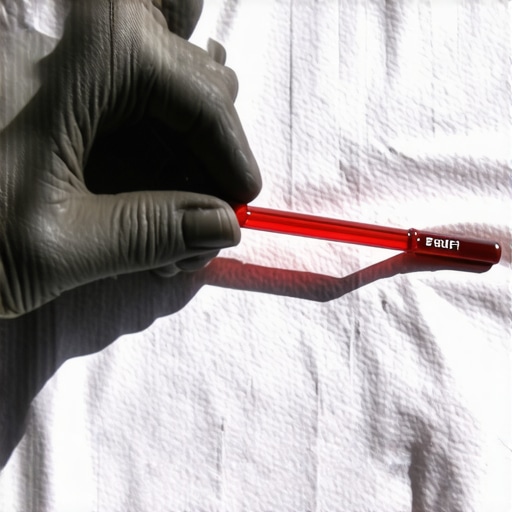
Decode the Fluid’s Condition
Don’t just look at the level; look at the quality. Healthy fluid is translucent and bright red. If it looks like chocolate milk, you’ve got a coolant leak mixing in, and you should check why your engine oil looks like a milkshake as the systems are often cooled by the same radiator. If it’s black and smells like burnt toast, the friction plates are likely toasted. I remember a neighbor once insisted his truck was dying, but after we checked his fluid, we found it was just two quarts low due to a pinhole leak in a cooler line. A five-dollar bottle of fluid saved him from a three-thousand-dollar mistake.
Use Electronics to Solve Mechanical Mysteries
Modern gearboxes are controlled by computers and solenoids. Sometimes the ‘slip’ isn’t mechanical wear at all, but a sensor giving bad data. You can often diagnose a bad ground wire in minutes that might be interfering with the signal to the shift solenoids. If the computer can’t tell the transmission to apply full pressure, the clutches will slide against each other instead of locking tight.
Scan for Hidden Error Codes
Even if your check engine light isn’t on, the Transmission Control Module (TCM) might have ‘pending’ codes. Use an OBD-II scanner to look for P0700 series codes. These usually point to a specific solenoid. I once spent a whole Saturday tearing into a dashboard only to realize the 20 part that fixes a car that wont shift out of park or gear was actually just a faulty brake light switch signal. It’s worth the twenty minutes of scanning before you pick up a wrench.
Address the Heat Problem Head-On
Since heat is the ultimate transmission killer, you need to ensure your cooling system is up to the task. To maximize your cars lifespan with regular tune ups, you must include the transmission cooler in your inspection. If your radiator is clogged with bugs or debris, it can’t shed the heat generated by the torque converter when you’re fighting gravity. This is one of the top signs your car needs expert auto repair now; if you smell something hot after a climb, your cooling capacity is failing. I once ignored a slight ‘hot oil’ smell on a mountain pass in North Carolina. By the time I reached the summit, I had no third gear left. Don’t be like younger me—pull over and let it cool.Most people assume that if the transmission slips while climbing a hill, the internal gears are physically shredding themselves to pieces. This is the first big myth I want to bust. In my experience, a ‘slip’ is often a software or pressure-regulation issue rather than a total mechanical collapse. Modern vehicles use Adaptive Shift Scheduling. If your battery has been weak or if you’ve recently changed your driving habits, the computer might be applying the wrong line pressure for the incline. While how transmission overhauls save you money in the long run by replacing worn hard parts, jumping straight to a rebuild without checking the adaptation values is a rookie mistake.
Why Does My Transmission Shift Better After It Warms Up?
This is an advanced nuance that puzzles many drivers. You might find the car struggles on that first hill out of the driveway but behaves perfectly ten minutes later. This often happens because heat causes the seals inside the transmission to expand. When they are cold and brittle, they leak internally, dropping the hydraulic pressure needed to hold the gear. You might notice why your transmission shifts better when its hot, which is a giant red flag that your internal seals are nearing the end of their life. Additionally, atmospheric conditions play a role; for instance, there is a specific reason your transmission shifts late when its raining involving the mass airflow sensor and how the computer calculates engine load. If the computer thinks the engine is struggling due to humidity or air density, it will delay the shift to keep you in a higher torque band.
Beware the High-Mileage Flush Trap
Here is the ‘oops’ factor that kills more transmissions than almost anything else: the late-life flush. If you have a car with 150,000 miles that has never seen a fluid change, do not—I repeat, do not—opt for a high-pressure power flush. Many shops push this service, but the truth about engine flushes and why your mechanic wants one is often different from what your transmission actually needs. In a high-mileage unit, the suspended friction material in the old, dirty fluid might be the only thing actually helping the worn clutches grab. According to a technical study by Transmission Digest, high-pressure flushes can dislodge sludge that then clogs the tiny orifices in the valve body, turning a slight slip into a total failure. Instead, stick to the difference between a transmission flush and a simple fluid change and opt for a gentle drain-and-fill. 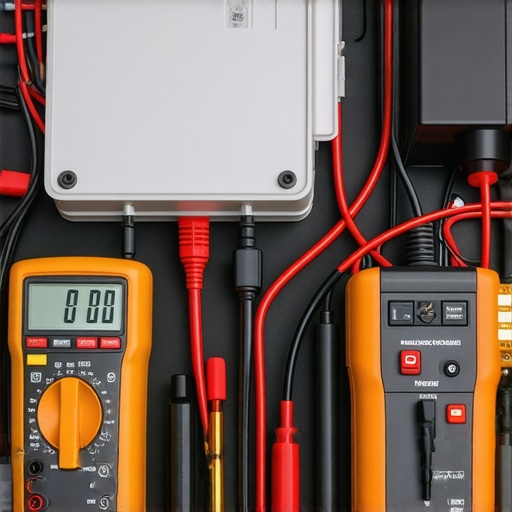
Check the Small Things First
Before you let a shop drop the entire subframe, look at the external sensors. A faulty Output Speed Sensor can make the computer think the car is stationary when it’s actually moving, leading to a sudden ‘neutral’ feeling on an incline. To truly maximize your cars lifespan with regular tune ups, you need to ensure the electrical harness is free of corrosion. If you see any of the top signs your car needs expert auto repair now, like a flashing ‘D’ or ‘Overdrive’ light, it’s often an electronic signal cry for help. Have you ever fallen into the ‘flush it to fix it’ trap and regretted it? Let me know in the comments.
Stop Guessing and Start Measuring with These Essential Tools
If you want to move beyond simple guesswork, you need to invest in a diagnostic interface that offers more than just check engine light resets. I personally use a mid-range tablet-based scanner because it allows me to graph pressure and temperature data in real-time. While you might be looking for the 15 tool to find a short circuit in your dash to fix a lighting issue, a scanner that can how to read live data to find a misfire is the only way to see if your transmission clutches are slipping before you actually feel them go. I also recommend keeping a cheap infrared thermometer in your kit. By aiming it at your transmission cooler lines after a hard drive, you can verify that the heat exchanger is actually doing its job. This is part of the essential car service tips for safe summer drives that differentiate a prepared driver from one waiting for a tow truck. 
How can I keep my transmission running smoothly for decades?
The secret isn’t just changing the oil; it is managing the thermal load. The Society of Automotive Engineers (SAE) J2807 standard—the gold standard for vehicle tow ratings—is essentially a test of how well a vehicle can dissipate heat while climbing a 12% grade under load. To maximize your cars lifespan with regular tune ups, you should inspect your transmission fluid every 30,000 miles, even if the manufacturer claims it is a lifetime fluid. In my professional opinion, lifetime usually means the lifetime of the warranty, not the lifetime of the car. When you perform your own auto repair, check for any debris in the radiator fins. A simple garden hose rinse can drop your transmission operating temperature by ten degrees, which can literally double the life of the internal seals. It is these small, consistent efforts that prevent the need for costly transmission overhauls later.
The Shift Toward AI and Predictive Gear Management
We are entering an era where the mechanical hardware is almost entirely secondary to the software. Future car service routines will likely involve updating the Transmission Control Unit (TCU) algorithms rather than just swapping parts. Modern vehicles are already starting to use GPS data to predict an upcoming hill and downshift proactively to prevent torque converter slip. For example, some higher-end systems adjust shift pressure based on altitude and incline sensors before the driver even perceives the change in grade. This trend is only going to accelerate as machine learning starts to predict component failure based on microscopic variations in shift timing. If you want to get ahead of the curve today, I challenge you to buy a Bluetooth OBD-II dongle and monitor your fluid temperature during your next mountain drive. Seeing those numbers rise will change the way you use your right foot forever.
Lessons Bought with Sweat and Burnt Fluid
After years of turning wrenches and making my own mistakes, I’ve realized that transmission maintenance is more about intuition than just following a manual. One of the biggest shocks for most drivers is learning that the truth about engine flushes for high-mileage cars is that they can actually cause more harm than good if your clutches are already thin. I’ve seen perfectly functional daily drivers become lawn ornaments because a well-meaning owner forced high-pressure solvent through a 200,000-mile gearbox. Another lightbulb moment for me was realizing how often a slip is just the computer reacting to a bad sensor; it’s why I always tell people to check how to read live data to find a misfire or pressure drop before assuming the worst. Lastly, never underestimate the power of fresh fluid. If you understand the difference between a transmission flush and a simple fluid change, you can save your friction plates without risking a total system shock.
My Go-To Gear for Gearbox Troubleshooting
If you want to stop guessing, you need a few specific items in your trunk. I never go on a road trip through the mountains without a Bluetooth OBD-II dongle. It turns your smartphone into a real-time monitor for your transmission’s internal temperature. I also swear by an infrared thermometer gun; it’s the fastest way to see if your radiator is cooling evenly. Following essential car service tips for safe summer drives often starts with these simple diagnostic tools. Finally, keep a clean white rag in your glovebox—wiping the dipstick on a white surface is the only way to truly see the color and health of your fluid.
Take Control of Your Drive
Facing a slipping transmission on a steep incline is nerve-wracking, but it’s also an opportunity to truly understand your vehicle’s limits. Don’t wait until you’re stranded to maximize your cars lifespan with regular tune ups and proactive checks. Whether it’s a simple fluid top-off or realizing how transmission overhauls save you money in the long run by catching damage early, the power is in your hands. Your car is a complex machine, but with a little patience and the right diagnostic approach, you can keep your transmission shifting smoothly for years to come. Have you ever felt that terrifying engine rev while climbing a steep grade, and how did you handle it? Let me know in the comments below!