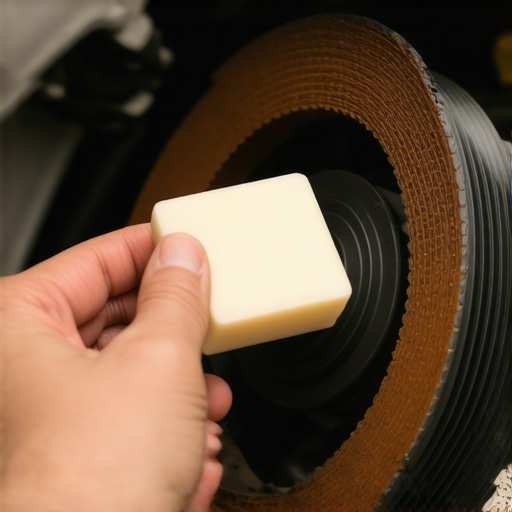
It was 7:00 AM on a freezing Tuesday, and I was already running late for a big meeting. I turned the key in my old sedan, and instead of a smooth roar, the entire neighborhood was treated to a high-pitched, soul-piercing shriek. It was loud. It was embarrassing. My neighbor, who was out walking his dog, actually winced. I knew exactly what it was: that nagging fan belt acting up again. For weeks, I had ignored the high-pitched whistle under my hood, and now it was paying me back with interest. I felt like a failure as a car guy. In my early twenties, I made the amateur mistake of spraying WD-40 on a noisy belt, thinking it just needed a little grease. Let me tell you, that was a disaster; it caused the belt to slip and glaze, leading to a much more expensive expert auto repair than I had bargained for. Today, I am going to share a simple, old-school trick that actually works to buy you some quiet time: using a common bar of soap. We are going to silence that squeal without any fancy tools or messy sprays.
Why Your Car Is Screaming at the Neighbors
Belts usually squeak because of two things: misalignment or drying out. As the rubber ages, it loses its grip and starts to vibrate at a frequency that sounds like a banshee. While nothing replaces regular tune-ups to keep everything aligned, a temporary fix can save your sanity. According to Popular Mechanics, most modern serpentine belts are made of EPDM, which doesn’t crack as obviously as older neoprene belts but still hardens and slips over time. When that slip happens, the friction creates heat and noise. If you have ever wondered why your car idles high when you first start it and makes that racket, it is often the alternator working harder, putting more load on a tired belt.
Is rubbing soap on a belt actually worth the effort?
I get the skepticism. It sounds like something your grandfather would tell you right before the engine exploded. You might be worried about the soap buildup or the belt slipping right off the pulleys. But here is the secret: a dry bar of soap (specifically an ivory or basic bath bar) acts as a temporary lubricant that fills the microscopic cracks in the rubber without the greasy residue of oils. It is a surface-level fix that stops the vibration-induced squeal instantly. Have you ever been stuck in a driveway, too embarrassed to even drive to the store because of a noisy belt?
The Immediate Benefit of the Soap Trick
This is not just about silence; it is about diagnosis. If you apply a little soap and the noise vanishes, you have confirmed the belt is the culprit and not a seized pulley or a dying alternator. It gives you the confidence to drive to the shop for a permanent replacement without everyone staring at you at every red light. Plus, it is a great way to avoid being lowballed if you happen to be looking for a charlotte scrap car valuation soon and want the engine to sound healthy for the inspector.
Kill the Squeak with This Simple Driveway Method
Applying soap isn’t rocket science, but it does require a bit of finesse so you don’t end up with a slippery mess or a jammed pulley. The goal is to create a thin, dry film that bridges the gap between the belt and the metal pulleys. I remember standing in a Food Lion parking lot three years ago, desperately rubbing a bar of Irish Spring on my belt because the noise was so loud I couldn’t hear the radio. It worked instantly, though I did drop the bar twice and had to fish it out of the splash shield with a coat hanger.
Turn Off the Engine and Save Your Fingers
Before you even think about touching the engine bay, make sure the car is completely off and the keys are in your pocket. People often try to apply soap or ‘belt dressing’ while the engine is running to get an even coat, but that is how you lose a finger or a sleeve. If you’re nervous about the engine’s overall health because it’s been sitting, you might also want to check why your engine oil looks like a milkshake to ensure you aren’t just masking a major mechanical failure.
Identify the Ribbed Side of the Belt
Take your dry bar of soap and look for the side of the belt with the longitudinal grooves. This is the part that actually grips the pulleys and where the friction-induced noise originates. You want to rub the soap directly onto these ribs until you see a waxy residue. If you find that the belt is actually cracked or fraying while you do this, you need to know how to tell if your timing belt is about to snap because a bar of soap won’t fix a structural failure. 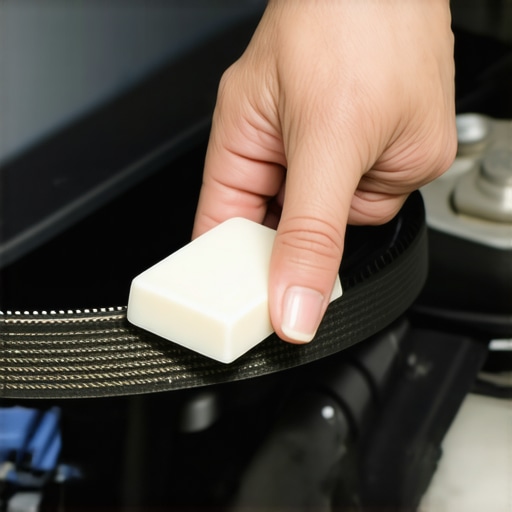
Run the Engine to Distribute the Coating
Once you have coated a visible section of the belt, start the car. The rotation will naturally spread the soap across the entire length of the belt and onto the pulley surfaces. The high-pitched scream should vanish almost immediately. If the noise persists or changes to a different tone, it’s a sign that the belt wasn’t the issue. For instance, if you notice why your engine makes a tapping sound like a typewriter, that is likely a valve or lifter issue, not a belt.
Recognize When the Soap Is Not Enough
This trick is a diagnostic tool and a temporary silence-maker, not a permanent repair. If the squeal comes back after a rainy day, it means the rubber is too far gone and has lost its elasticity. You should also be listening for other red flags while the hood is open. Understanding how to spot a failing alternator before the battery light comes on is crucial, because a seized alternator pulley will shred even a perfectly soaped belt in seconds. While you are under there, it is the perfect time to evaluate if you need to maximize your cars lifespan with regular tune-ups to prevent these annoying hiccups from happening during your morning commute.While the soap trick is a lifesaver for a morning commute, the professional world is full of ‘quick fixes’ that are actually traps. Most DIYers reach for a can of belt dressing at the first sign of noise, thinking it is the professional version of my bar of soap. In reality, belt dressing is often a disaster. It is a tacky, adhesive-based spray that might quiet the noise for an hour, but it acts like a magnet for road grit and dust. This abrasive sludge eventually wears down your pulleys and can lead to you needing expert auto repair much sooner than expected.
Stop Reaching for the Belt Dressing Spray
The contrarian truth is that a clean, dry belt is a happy belt. If you have to keep adding ‘grip’ to it, something is fundamentally wrong with the tensioner or the alignment. Many people also fall for the common upsell of a ‘system flush.’ In my years of working on engines, I have found that the truth about engine flushes is often less about performance and more about profit margins; a high-mileage engine can actually be damaged when dislodged sludge clogs small oil passages.
Why Modern Belts Cheat Your Eyes
We used to look for cracks to tell if a belt was bad. However, modern EPDM (Ethylene Propylene Diene Monomer) belts are designed not to crack. According to technical data from the Gates Corporation, a leading manufacturer of automotive belts, these modern materials lose thickness in the grooves—much like a tire tread—rather than showing visible dry rot. If you are only looking for cracks, you might miss the fact that your belt is slipping because it is ‘thin,’ not because it is old. This is why maximize your cars lifespan with regular tune-ups involves using a specialized plastic wear gauge that most driveway mechanics do not even own. 
Is Your Squeal Actually a Hidden Transmission Cry?
This is where things get tricky and requires a bit of mechanical intuition. I have seen countless car owners replace their serpentine belts three times, only to realize the noise was actually coming from the gearbox. For example, understanding why your transmission makes a whining sound in first gear is vital because it can often mimic the high-pitched frequency of a belt under load. If the pitch of the sound changes when you shift gears rather than when you rev the engine in neutral, you are not looking at a rubber problem; you are looking at a fluid or gear issue. In these cases, catching the issue early is the difference between a simple fluid service and needing to know how transmission overhauls save you money in the long-run. Don’t be the person who puts a waxy band-aid on a major mechanical failure. Have you ever fallen into this trap of misdiagnosing a simple sound? Let me know in the comments below.
If the soap trick worked for you, consider yourself lucky, but don’t let the silence fool you into complacency. I have learned the hard way that a quiet belt isn’t always a healthy one. To move from a driveway hack to a pro-level maintainer, you need to invest in a few specific tools that tell you what your eyes cannot see. I personally keep a Bluetooth OBD2 scanner in my glovebox at all times. This isn’t just for reading codes; it’s about seeing the ‘heartbeat’ of your electrical system. When I am teaching friends how to read live data to find a misfire, I also show them how to monitor the control module voltage. If your voltage is fluctuating wildly while the belt is spinning, the soap might have stopped the noise, but the belt is still failing to turn the alternator consistently.
Invest in a Real Bluetooth Scanner
I swear by the BlueDriver or an Autel dongle because they allow for data logging. If you notice your car struggling during essential car service tips for safe summer drives, you can look back at the logs and see if your RPMs and voltage were dipping simultaneously. This is the difference between guessing and knowing. Another essential is a cooling system pressure kit. Learning how to find a hidden coolant leak with a pressure tester is vital because even a tiny, invisible mist of antifreeze can land on your serpentine belt, causing it to slip and squeal regardless of how much soap you use. If you see a ‘crusty’ residue on the belt, you are likely dealing with a leak, not a bad belt.
How do I maintain my engine’s belt system over time?
Long-term maintenance is about consistency rather than emergency repairs. Every 10,000 miles, I use a dedicated belt wear gauge. According to the Gates Corporation, a global leader in power transmission, using their ‘PIC Gauge’ app or a physical plastic depth tool is the only way to accurately measure EPDM belt wear, as modern belts don’t show cracks until they are on the verge of total failure. By checking the groove depth, you can schedule a replacement before you’re stranded. This proactive approach is part of how you maximize your cars lifespan with regular tune-ups and avoid the stress of a breakdown during rush hour.
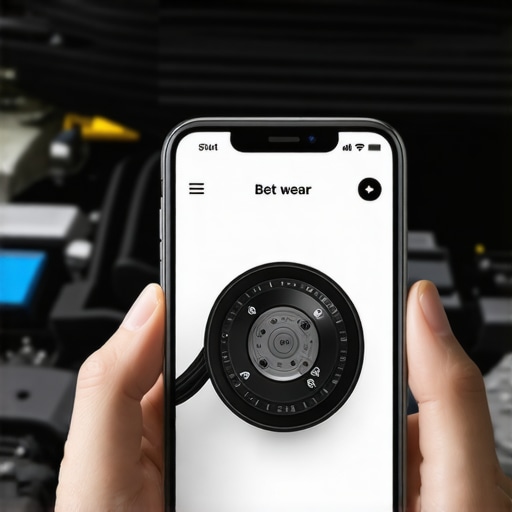
Stop Guessing with the Gates Wear Gauge
The future of this technology is shifting away from rubber entirely in some high-end applications, but for most of us, we are seeing the rise of 48-volt mild-hybrid systems. In these cars, the belt isn’t just a passenger; it acts as the starter and the generator. This means the tension and health of that belt are more critical than ever. If it fails, the car won’t even start. We are moving toward a world where sensors built into the tensioner will alert your dashboard the moment a belt loses 5% of its grip. Until then, you are the sensor. If you start hearing that high-pitched whistle again, don’t just reach for the soap; check for top signs your car needs expert auto repair now to ensure your pulleys aren’t the real problem. My advanced tip for you today: Download a belt wear app on your phone and use your camera to inspect the belt’s ribs this weekend. It takes thirty seconds and could save you a three-hundred-dollar tow bill.
The Most Expensive Mistake I Ever Made with a Squeak
Over the years, I have realized that the biggest trap in car maintenance is the belief that noise is always the problem, rather than just a symptom. If you treat the noise without finding the cause, you are just kicking the can down the road. For instance, I once spent days chasing a belt squeak when the real issue was a hidden electrical drain. If you have ever had weird electronics behavior, knowing how to diagnose a bad ground wire in minutes can save you hours of unnecessary belt rubbing.
I also learned that temperature matters more than you think. If you notice the noise only appears when the needle moves, check out why your engine temperature fluctuates while driving. Heat causes the rubber to expand and contract, and a belt that is silent at sixty degrees might scream at nearly two hundred. Finally, never assume a new part is a good part; always inspect the pulleys for burrs or rust before throwing a fresh belt on there.
Tools That Keep My Engine Silent for the Long Haul
If you want to move beyond the bar of soap, here is what I personally use to keep my daily driver in top shape. First, I highly recommend a basic infrared thermometer to check pulley heat. Second, the Gates PIC Gauge is a must-have for modern EPDM belts. #IMAGE_PLACE_HOLDER_E# It is a tiny, inexpensive plastic tool that tells you exactly when the grooves are too deep, long before you see a single crack.
I also keep a set of essential car service tips for safe summer drives printed in my garage as a checklist. It helps me remember to check the small stuff, like brake moisture. Speaking of brakes, if the soap fixed your belt but you still hear a chirp from the wheels, you should learn how to stop your brakes from squealing every morning using a similar logic of surface lubrication and cleaning.
Take Charge of Your Own Driveway
There is a unique kind of pride that comes from silencing a screaming engine with nothing more than a household item and twenty minutes of your time. It is the first step toward true mechanical independence. Don’t be afraid to get your hands dirty, but always remember that the goal is to maximize your cars lifespan with regular tune-ups, not just to avoid a little embarrassment at a red light. If you suspect the problem is deeper than the surface, always watch for top signs your car needs expert auto repair now to protect your investment. You have the tools and the knowledge; now go out there and listen to what your car is trying to tell you. Have you ever tried an old-school driveway trick like the soap method, or do you prefer the “replace it immediately” philosophy? Let me know in the comments below!