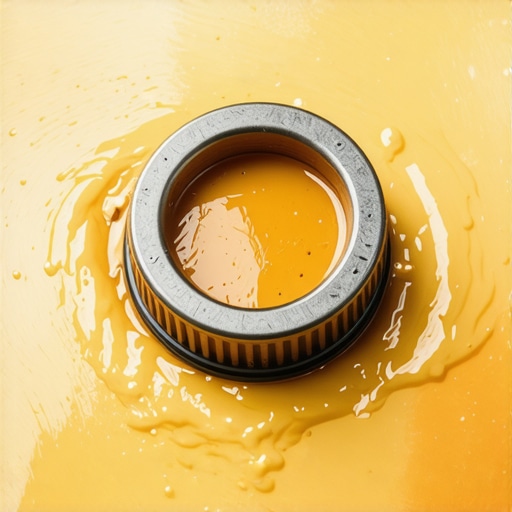
I’ll never forget the morning I pulled the dipstick on my old work truck and saw something that looked less like high-quality lubricant and more like a chocolate Wendy’s Frosty. It was thick, creamy, and a pale, sickly tan color that made my stomach do a slow, heavy roll. I made the classic rookie mistake of telling myself it was probably just a little bit of condensation from the cold weather. I wiped it off, ignored the sinking feeling in my chest, and drove to work anyway. Three days later, I was stranded on the shoulder of the I-95 with a seized engine and a repair bill that effectively ended that truck’s life. If you are looking at that same gooey mess right now, I’m here to tell you: stop what you are doing and do not start that engine again. We are going to figure this out together before you end up like I did.
That Gooey Sludge Means Your Engine is Dying Inside
Seeing milkshake oil is the automotive equivalent of a five-alarm fire. In the world of professional auto repair, we call this an intermix. It happens when your engine oil and your coolant decide to cross paths, usually because a critical internal seal has failed. Oil is designed to lubricate moving parts with a thin, slippery film, while coolant is designed to pull heat away from the block. When they mix, they create a frothy sludge that has the lubricating properties of wet sand. This mixture is far too thick to pass through the tiny passages in your engine, which means your bearings and pistons are essentially grinding themselves into dust. Even if you think you’ve stayed on top of things with a regular tune up, an internal breach can happen in an instant.
Can I just ignore it if the car still feels normal?
I know exactly what you are thinking because I’ve been in that exact spot: “The car is idling fine, maybe I can just limp it through the week?” The short answer is a resounding no. According to data from the Car Care Council, cooling system failures are the primary cause of catastrophic engine breakdowns, and the milkshake effect is the final stage of that failure. If you have recently noticed that your engine temperature fluctuates while driving, the damage may already be starting. Have you ever found a strange color on your dipstick and tried to convince yourself it was just your imagination? It is a terrifying realization, but facing it now is the only way to save your vehicle from the scrap heap. We are going to dive into the three most likely culprits for this mess so you can decide if it’s time for a major transmission or engine overhaul, or if there is a sliver of hope for a simpler fix.
Stop Guessing and Start Testing
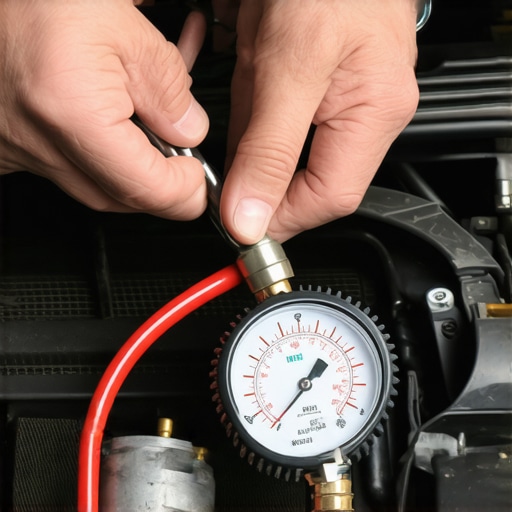
You cannot diagnose an internal engine breach just by looking at the color of your oil; you have to put the system under stress to see where it fails. Think of your engine’s cooling system like a balloon. If there is a hole, the air escapes. In a car, we use a specialized pump to simulate the pressure of a hot engine without actually running it. This is how you find a hidden coolant leak with a pressure tester before the damage becomes permanent. I once spent four hours chasing a “head gasket” issue on a neighbor’s truck, only to realize his intake manifold gasket had failed near the coolant passage. If I had just used the tester first, I would have saved myself a backache and a lot of frustration.
Find the Leak with a Pressure Tester
When you hook up the tester to your radiator neck or reservoir, you are looking for the needle to drop. If it falls and you don’t see green or orange fluid hitting the driveway, that coolant is going inside the engine. This is a critical moment in auto repair because it tells you the breach is internal. If you’re lucky, it might just be the oil cooler. Many modern cars use a heat exchanger where oil and coolant flow in separate channels within the same unit. If the internal wall of that cooler cracks, the higher-pressure oil forces its way into the coolant, or vice versa when the engine is off. This is far cheaper than a full engine rebuild, and it’s a common reason why some tune up visits turn into major diagnostic sessions.
The Three Main Culprits Behind the Sludge
The “milkshake” typically comes from one of three failures. First is the head gasket, which acts as the peacekeeper between the combustion chamber, oil galleries, and coolant jackets. When it blows, the peace is over. Second is the intake manifold gasket, which can leak coolant directly into the lifter valley. Third, and often missed, is a cracked engine block or cylinder head. I remember a specific 2008 sedan that came into the shop with mayo under the oil cap. The owner was convinced he needed a transmission overhaul because the car was shuddering, but the real issue was the coolant-fouled oil causing the engine to misfire and vibrate the whole driveline. We pulled the head and found a hairline crack that only opened up when the metal got hot. It was a tough lesson: heat expands metal, and small problems become big ones under pressure.
Is it the Head Gasket or Just an Oil Cooler?
To tell the difference, look at the consistency. A failed oil cooler often results in more oil in the radiator than coolant in the oil pan. If your radiator looks like it’s full of chocolate pudding but your dipstick looks relatively clean, you might have caught it early. However, if the dipstick is thick and the car has been overheating, the head gasket is the likely loser. This is why knowing why your engine temperature fluctuates while driving is so important—it’s the early warning system that tells you the “balloon” is about to pop. If you ignore these signs, you’ll eventually hear why your engine sounds like a sewing machine when you first start it, which is the sound of metal-on-metal contact from lack of lubrication.
Everyone will tell you that a milkshake under the oil cap is an instant death sentence for your car. I’ve heard “experts” say you should just walk away and find out how to get 1000 for a junk car in charlotte even if the engine is seized rather than trying to fix it. But here is the nuance most people miss: the ‘milkshake’ isn’t always a fatal blow. In fact, jumping straight to a head gasket replacement without checking the oil cooler first is one of the most expensive mistakes you can make in auto repair. I once saw a guy spend three grand on a top-end rebuild only to find out a $40 seal in his oil filter housing was the real culprit. He wasn’t just out of money; he had replaced a perfectly good factory head gasket with an aftermarket one that wasn’t nearly as robust.
Why does the temperature still climb after the leak is fixed?
This is the question that haunts DIYers and pros alike. You fixed the leak, you swapped the gaskets, but the needle still creeps toward the red. The reason is usually “The Sludge Trap.” When oil and coolant emulsify, they create a heavy paste that settles in the lowest, narrowest parts of your cooling system. Your radiator might look clean at the top, but the bottom rows are likely packed with goo. Worse, this stuff loves to hide in your heater core. If you notice that why your heater only works while you are driving has become a daily mystery, it is because that sludge is acting like a dam. A standard radiator flush won’t cut it. According to technical bulletins from the AERA Engine Builders Association, thermal stress from an intermix event can warp a cylinder head by as much as .005 of an inch—enough to prevent a new gasket from ever sealing correctly.
#IMAGE_PLACE_HOLDER_C#
The biggest “oops” I see is people trusting a quick chemical flush to solve the problem. You might hear the truth about engine flushes for high mileage cars and think it applies here, but those chemicals are designed for scale and rust, not for thick petroleum-based mayo. If you don’t manually clean the lines and replace the thermostat, you are just waiting for the next overheat. It’s about more than just a tune up at this point; it’s a forensic cleaning mission. To truly protect your investment, you have to look beyond the obvious. Have you ever fallen into this trap or been told you needed a new engine when it was just a simple seal? Let me know in the comments, I’d love to hear how you handled the bill.
If you have successfully cleared the ‘milkshake’ from your system, you are in a precarious but hopeful position. My personal workflow never skips a combustion leak test kit—the one with the blue fluid that changes color. I rely on this because it is the only way to confirm if exhaust gases are still breaching the combustion chamber, which is a common byproduct of a warped head. You can find a hidden coolant leak with a pressure tester, but only a chemical test tells you if the seal is truly air-tight under the pressure of a firing piston. I’ve seen too many DIYers skip this, only to have their engine temperature fluctuates while driving just weeks later because a microscopic crack remained. I also recommend keeping an affordable OBDII scanner handy so you can read live data to find a misfire. This is the gold standard for catching a coolant-fouled spark plug before it kills your catalytic converter.
How can I keep my car running long-term after a major leak?
Maintenance after an intermix isn’t just about changing the oil once; it’s about a cycle of vigilance. For the first 500 miles, I check the dipstick every single morning. If you see even a hint of cloudiness, it means residue was left in the oil galleries. This is where essential car service tips for safe summer drives become life-saving, as heat will thin out any remaining sludge and move it toward your oil pickup screen. You should also test for a clogged radiator without taking it apart by using an infrared thermometer to check for cold spots across the core. If the bottom of the radiator is significantly cooler than the top, that sludge has settled and is actively restricting flow. To truly maximize your cars lifespan with regular tune ups, you must replace the thermostat and the radiator cap immediately, as both are likely gummed up with petroleum residue that prevents them from opening at the correct pressure.
According to technical documentation from Fel-Pro, specifically their bulletins on Multi-Layer Steel (MLS) gasket installation, a surface finish of 30 to 60 Ra (Roughness Average) is absolutely critical for a permanent seal. If your mechanic or machine shop isn’t talking about Ra values, they might be using outdated methods that will lead to another failure. I predict that within the next five years, we will see smart oil drain plugs equipped with optical sensors that can detect coolant contamination in parts-per-million, alerting your phone before the ‘milkshake’ even forms. This is the future of auto repair, moving from reactive fixes to proactive data-driven protection. If you are worried about the long-term health of your gears, keep an ear out for the weird noise your gearbox makes when its low on fluid, as an overheating engine can often put undue stress on the transmission cooling lines too. My advanced tip for you today: perform a secondary ‘distilled water only’ flush after your chemical cleaning to ensure no corrosive soap remains in the heater core. Check your coolant levels every weekend for a month—if the reservoir drops even an inch, contact us or your local tech, because you still have a breach. Do not wait for the smoke to tell you what the dipstick already knows.
The Hardest Lesson I Learned About Blown Head Gaskets
One thing I’ve learned after years in the shop is that the dipstick is only half the story. Always pop the cap on your expansion tank (when the engine is cool!) because oil often floats to the highest point first. If you see a ring of grime around the neck of the tank, you’ve caught an intermix before it became a full-blown milkshake. Another lightbulb moment for me was realizing that steam from the exhaust doesn’t always look like a cloud; sometimes it’s just a faint sweet smell. If you smell maple syrup in your driveway, stop and check your fluid levels immediately. While you are at it, it is a great time to learn how to tell if your timing belt is about to snap, as these systems often fail together under high heat. When it comes to auto repair, there are no shortcuts for a failed gasket.
The Gear I Use to Save Engines
I don’t go into a diagnostic battle without my ‘holy trinity’ of tools. First is the combustion leak tester; it’s a chemical lie detector for your engine that turns yellow if exhaust gases are present in the coolant. Second, I always keep an infrared thermometer handy. This is the 10 tool that saves your engine from overheating because it allows you to find cold spots in a radiator that a dashboard gauge will never show you. Lastly, I highly recommend keeping a copy of the Fel-Pro gasket catalog bookmarked. Their technical insights on surface finishes changed how I approach every top-end rebuild. These resources turn guesswork into a scientific process, which is the only way to maximize your cars lifespan with regular tune ups and ensure you aren’t stuck figuring out how to tell if your catalytic converter is actually failing due to coolant contamination.
Your Path Back to the Open Road
Seeing that milky sludge on your dipstick is undeniably stressful, but it isn’t the end of your story. By taking a systematic approach—testing the pressure, identifying the source, and ensuring a surgically clean reassembly—you can save a vehicle that others would have sent to the crusher. You now have the knowledge to navigate this auto repair challenge with confidence instead of fear. Don’t let a bad gasket define your car’s future; take it one step at a time, and you’ll be back in the driver’s seat before you know it. Have you ever discovered ‘milkshake oil’ in a car you just bought? Let me know below.