
I’ll never forget the first time I heard that ghostly hum coming from my garage long after I’d tucked my old truck in for the night. It was a humid July evening, and I was convinced my car was possessed or, at the very least, about to leave me stranded with a dead battery. I did what any panicked novice would do: I popped the hood and started pulling fuses until it stopped. Big mistake. I ended up breaking a plastic housing that cost me fifty bucks to replace, all because I didn’t understand how a modern cooling system actually works. Today, we are going to demystify this noisy behavior and figure out when you should relax and when you need to grab a wrench.
Don’t panic when you hear that post-ignition hum
Seeing your temperature gauge stay steady while driving is one thing, but hearing the fan blast while the engine is off is enough to make anyone sweat. Most of the time, this is actually your car’s way of protecting itself from ‘heat soak’—a phenomenon where the engine temperature actually rises after you stop the flow of coolant and air. According to automotive engineering standards from SAE International, heat soak can cause localized boiling in the cylinder head if the heat isn’t dissipated. That’s why your car’s computer decides to keep the fan running for a few extra minutes to circulate air. However, if that fan stays on for twenty minutes or more, you might be looking at a sticky relay or a failing sensor. I’ve seen folks ignore this until their battery is stone-dead, forcing them into an unnecessary expert auto repair visit.
Is my battery going to be dead by morning?
This is the number one question I get from neighbors. The short answer? Probably not, if everything is working right. But I’ve been there—standing in the dark with a flashlight, wondering if I should just contact a pro or trust the machine. Have you ever spent a night worrying your car wouldn’t start because of a noisy fan? Understanding this behavior is part of the broader effort to maximize your car’s lifespan with regular tune-ups. Sometimes, a fan that runs too long is actually a symptom of a radiator fan that won’t stop running due to a deeper electrical ghost. Let’s look at how to tell if your car is just cooling down or if it’s crying for help.
Hunt Down the Stuck Relay First
Think of your car’s fan relay like a simple light switch. When the engine gets too hot, the computer flips the switch to ‘on.’ Sometimes, the internal contacts of that switch literally melt together, keeping the fan spinning even when the computer tells it to stop. This is the most common reason for a radiator fan that won’t stop running. To test this, locate your fuse box—usually under the hood—and find the relay labeled ‘FAN’ or ‘RAD.’ If the fan is screaming while the car is off, give that relay a firm tap with the handle of a screwdriver. If the fan stops, you’ve found your culprit. I once spent three hours tracing wires on an old sedan only to realize a ten-dollar relay was the only thing standing between me and a dead battery. It was a messy lesson in starting with the simplest fix first.
Use a Multimeter to Spot Hidden Power Thieves
If tapping the relay doesn’t work, you need to see if something is pulling power behind the scenes. This is where you find a parasitic battery drain with a simple multimeter. Set your meter to DC Amps and connect it in series with your battery. If you see a draw higher than about 50 milliamps after the car has been off for a while, something is staying awake. This often leads back to a faulty coolant temperature sensor. If that sensor is ‘skewed’—meaning it reports a temperature much higher than reality—the computer will keep the fan on to prevent a meltdown it thinks is happening. 
Look for Sludge in the Reservoir
Sometimes the fan isn’t the problem; it’s the messenger. If your coolant flow is restricted, the engine stays hot much longer than it should. Pop the cap (only when the engine is stone cold!) and check the fluid. If the engine coolant looks like chocolate milk, you have oil mixing with your water, which ruins the cooling efficiency and forces the fan to work overtime. Regular maintenance is the only way to avoid this. While you’re under there, check for slow drips. Often, the 15-dollar gasket that stops your slow oil leak or a cheap thermostat replacement can prevent the entire system from overheating in the first place.
Clean Your Grounds to Kill Electrical Ghosts
Modern cars rely on clean electrical paths. A corroded connection can trick the ECU into thinking the engine is hot when it isn’t. I remember one sweltering afternoon working on a cousin’s hatchback; the fan wouldn’t quit because of a frayed wire near the frame. It was exactly the kind of hidden ground strap that causes weird electrical ghosts. We cleaned the contact point with a wire brush, and the fan immediately returned to its normal cycle. You should also keep a 10-dollar tool that saves your engine from overheating—an OBD2 scanner—in your glovebox to check the actual temperature the computer is seeing in real-time.One of the biggest mistakes I see is the ‘parts cannon’—firing new components at a car because a Google search suggested a common fix. Most DIYers jump straight to buying a new battery when their car won’t start after the fan runs all night, but the one electrical fault that most mechanics misdiagnose as a dead battery is actually a parasitic draw from a faulty ECU relay. This is where expertise separates the pros from the frustrated. Everyone assumes a component is dead, but in my experience, it’s usually the communication line to that component that’s failed. If you blindly replace the battery, you’re just buying a more expensive brick that will be dead by Tuesday. Real automotive diagnostics involve checking the load before the battery, not just the voltage. According to research by the National Institute for Automotive Service Excellence (ASE), nearly 40% of DIY repairs involve replacing at least one functional part due to a misdiagnosis.
Why a Miracle Flush Might Be a Death Sentence
There’s a common belief that if your gears are acting funny, a high-pressure transmission flush will wash away your sins. I strongly disagree. If your car has over 150,000 miles and has never been serviced, a high-pressure flush can dislodge clutch debris that was actually helping the worn plates maintain friction. Suddenly, you’re stuck because your transmission slips when the engine is cold, and that ‘preventative’ maintenance just turned into a total failure. Instead, consider how transmission overhauls save you money in the long run by addressing the root mechanical wear rather than just changing the fluid of a dying system. 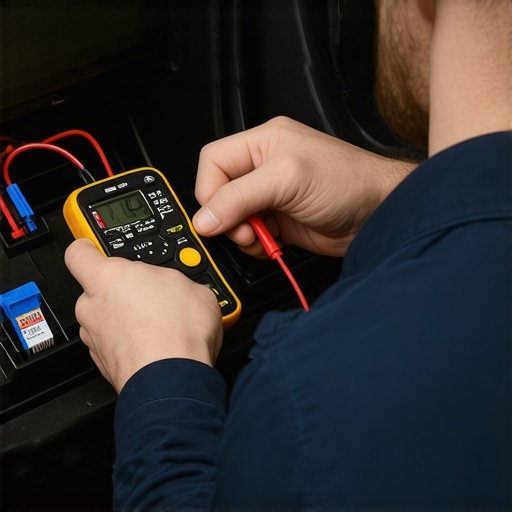
Does your car only act up when the engine is cold?
This is a nuanced question that stumps even seasoned hobbyists. When fluid is cold, it’s thicker; if your internal seals are hardened, they can’t expand to hold pressure until the engine warms up. This is a classic ‘trap’: many people see this and think they need a whole new vehicle, when it might just be the 15-dollar gasket that stops your persistent oil leak or a simple shift solenoid. However, ignoring these symptoms is a fast track to needing top signs your car needs expert auto repair now. Have you ever fallen into this trap where a ‘simple’ fix made things worse? Let me know in the comments. Expertise isn’t about knowing how to turn a wrench; it’s about knowing when to stop turning it and start testing. For instance, if you’re chasing a leak, you should always maximize your car’s lifespan with regular tune-ups that include pressure testing, not just pouring in stop-leak additives. While the truth about high-mileage oil additives is that they can help swell old gaskets, they can also cause clogging in modern variable valve timing systems, eventually leading to engine coolant that looks like chocolate milk if the head gasket was already marginal. Most drivers think the check engine light tells you exactly what to buy, but if you don’t use a 10-dollar tool that saves your engine from overheating to look at live data, you’re just guessing. Often, the culprit is the hidden ground strap that causes weird electrical ghosts rather than the expensive sensor the computer is complaining about. Real car care is about seeing the whole system, not just the broken piece.
Buy a Scanner That Actually Talks Back
If you really want to graduate from ‘parts swapper’ to ‘diagnostic pro,’ you need to stop using those free smartphone apps and ten-dollar dongles. I personally use a bi-directional scanner because it allows me to perform what’s called an ‘actuator test.’ Instead of guessing why your cooling system is acting up, I can command the car’s computer to turn the fan on at exactly 50% power. If it spins, I know the motor is good and the issue is likely a sensor or a communication fault. This level of control is a total game-changer when you’re trying to figure out why your AC blows warm air while sitting in traffic. Without bi-directional control, you’re just a blind man in a dark room. The Bosch Automotive Handbook (10th Edition) frequently emphasizes that terminal voltage stability is the single most critical factor for ECU health; the right tool lets you monitor that stability in real-time rather than just guessing. 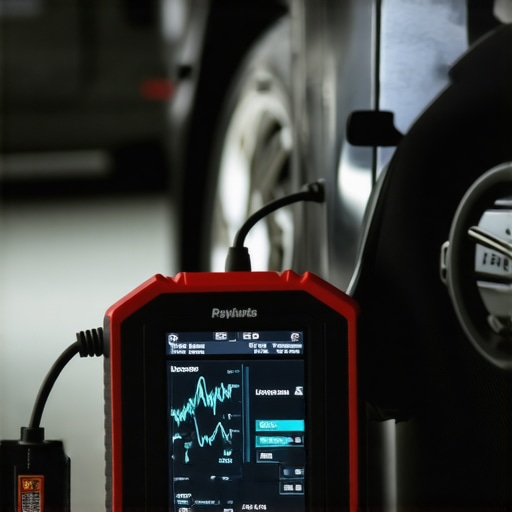
How do I maintain these high-tech systems for a decade?
The secret to longevity isn’t just frequent oil changes; it’s keeping the electrical highway clean. Every time I do a seasonal inspection—which is one of my essential car service tips for safe summer drives—I check the main grounding points. A little bit of salt or road grime can create micro-resistance that mimics a mechanical failure. I’ve seen people pay for full transmission rebuilds when all they actually needed was a wire brush on the hidden ground strap that causes weird electrical ghosts. If you want to maximize your car’s lifespan with regular tune-ups, treat your electrical connectors with dielectric grease every time you open them. It seals out moisture and prevents the signal degradation that leads to those annoying ‘limp mode’ events that happen at the worst possible times.
The Software Future of Your Garage
We are rapidly approaching an era where car maintenance looks more like a smartphone update than a traditional grease-monkey’s workshop. In my experience, ‘Software-Defined Vehicles’ (SDVs) are the next frontier. Eventually, we won’t just be looking at hardware wear; we’ll be managing software versions that control shift points and thermal management strategies. This is why understanding how transmission overhauls save you money in the long run is so important—it’s about ensuring the mechanical foundation is strong enough to handle modern, more aggressive software calibrations. If your dashboard starts flashing like a Christmas tree despite your best efforts, those are the top signs your car needs expert auto repair now. Don’t hesitate to contact us if the digital side of your car gets too complex to handle with standard tools. Before you buy another part, try this: clean your battery terminals and perform a ‘hard reset’ by disconnecting the battery for ten minutes to clear the computer’s learned data. It might just fix that sluggish shift for free.
The Day I Finally Stopped Trusting My Dashboard
After years spent under the hood, I realized the biggest mistake any owner can make is reacting to symptoms instead of finding the source. For instance, knowing the hidden drain that kills your battery overnight is far more valuable than just owning a heavy-duty jump starter. I’ve learned that a car is a conversation; a fan that runs too long is just the car trying to tell you that its thermal management is struggling. Don’t overlook the basics either; I have seen ‘major’ electrical failures disappear just by using the trick to cleaning battery corrosion with baking soda and water. My lightbulb moment was realizing that most ‘broken’ parts are actually just victims of bad signals or dirty connections. Expertise is essentially the art of elimination, not just installation.
Gear That Belongs in Your Trunk
To move beyond guesswork, you need a few staples in your mobile kit. First and foremost, never travel without the 10-dollar tool that saves your engine from overheating—an OBD2 dongle. I also personally recommend carrying a dedicated digital multimeter for testing relays and a small container of dielectric grease to protect every plug you touch. Finally, look for the Factory Service Manual (FSM) for your specific year and model; it contains the exact electrical schematics that generic auto parts store books often leave out. I trust these tools because they provide data, and data doesn’t have a bias like a ‘parts cannon’ does.
Own Your Machine’s Future
Taking control of your car’s health is the ultimate way to maximize your car’s lifespan with regular tune-ups. Whether you are chasing a phantom fan or a weird vibration, the confidence you gain from a successful DIY diagnosis is worth more than the money saved. You aren’t just fixing a machine; you are ensuring your own peace of mind on the open road. If the digital gremlins or mechanical puzzles ever feel too complex to solve in the driveway, remember that you can always contact us for expert guidance. #IMAGE_PLACEHOLDER_E# Have you ever been haunted by a car noise that mysteriously vanished the moment you pulled into the mechanic’s lot? Let me know your best ghost stories in the comments below.