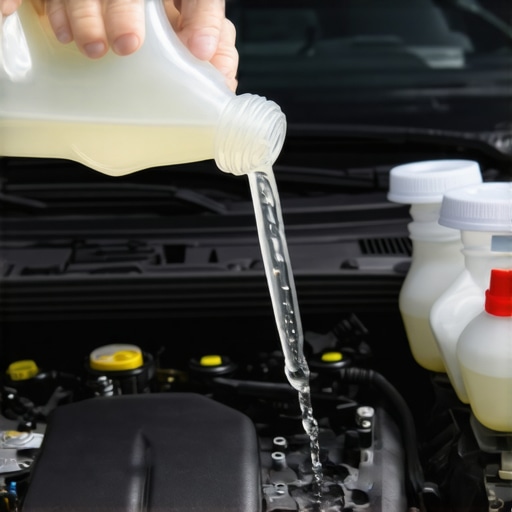
The temperature had dropped to 25 degrees, and when I turned the key on my old truck, it didn’t just start—it screamed. A high-pitched, groaning whine vibrated through the steering wheel and echoed off the garage walls. I felt that immediate pit in my stomach. Every neighbor on the block was watching as I backed out of the driveway, sounding like a dying banshee. I was convinced I needed a whole new pump, which meant at least $300 and a full day of greasy knuckles. But before you panic and look for top signs your car needs expert auto repair now, let me share a secret that saved me hundreds. I am going to show you how a tiny, inexpensive part can restore your peace and quiet today.
Stop the Screaming Without the Shop Bill
Most mechanics will look at a whining pump and tell you the internal bearings are shot. They’ll hand you a quote for a full replacement and a flush. I’ve been there. In fact, I once spent a whole Saturday replacing a perfectly good pump on my old sedan, only to find the noise was still there because I ignored the real culprit: air. When the suction-side O-ring gets brittle, it allows air to get sucked into the fluid, creating a foamy mess that makes the pump groan under pressure. It is a classic case of the 5 dollar hose clamp fix for a leaking power steering line logic—sometimes the smallest components cause the biggest headaches. If your fluid looks like a strawberry milkshake, you don’t have a dead pump; you have an air leak. According to technical data from automotive experts at Car and Driver, aeration in hydraulic systems can cause significant cavitation, which is the actual source of that soul-piercing whine.
Can a Cheap Rubber Ring Really Fix This?
It sounds too good to be true, doesn’t it? We are conditioned to believe that loud car noises require expensive solutions. I used to think the same until I realized that many systems fail at their weakest, cheapest point. Much like the 15 dollar gasket that stops your persistent oil leak, this O-ring is a simple gatekeeper. If it fails, the system loses its vacuum. Have you ever faced this specific problem where the noise only happens on cold mornings? It’s a common symptom because the rubber shrinks in the cold, opening the gap for air to enter. I promise that by focusing on this $20 component first, you can avoid the expensive mistakes I made early in my DIY journey.To get started, you need to identify the low-pressure suction hose. Think of your power steering pump like a giant straw. If there is even a pinhole leak in that straw, you won’t get any soda; you will just get a bunch of air. In your car, that air mixes with the fluid and creates a frothy foam that can’t provide hydraulic pressure. First, locate where the rubber hose from the fluid reservoir meets the metal pump housing. Usually, there is a single 10mm bolt holding a small metal flange in place. I remember the first time I tackled this on an old SUV; I was so convinced the pump was shredded that I already had a $180 replacement unit sitting on my workbench. I felt like a total amateur when I swapped the O-ring, and the ‘dead’ pump suddenly went silent. It is a lesson in patience that applies to everything from basic maintenance to knowing how to diagnose a bad wheel bearing by sound alone.
Find the Suction Line Before You Touch a Wrench
Before you start unbolting things, clean the area around the pump with some brake cleaner. You do not want dirt falling into the system. Once it’s clean, remove that single bolt and gently wiggle the hose fitting out of the pump. You will see a small, likely flattened or brittle black rubber ring. This tiny circle is the only thing keeping the atmosphere out of your steering system. Much like how the 10 tool that saves your engine from overheating works by maintaining a simple seal, this O-ring is the gatekeeper of your hydraulic integrity. If you ignore this and let the pump whine for months, you risk actual internal damage.
Replace the Seal Without the Mess
Grab your new O-ring—ensure it is the exact OEM spec, usually a specific orange or black nitrile material—and coat it in a bit of fresh power steering fluid. This lubrication is vital so it doesn’t pinch or tear when you press the fitting back into the pump. Slide it onto the flange, press the fitting back into the pump housing, and hand-tighten the bolt. Do not over-torque it! These housings are often aluminum and strip easily. If you are used to the heavy-handed approach required for some repairs, like when the steering wheel shakes only when you hit the brakes, remember that this job requires a lighter touch.
Kill the Bubbles and Quiet the Pump
Now comes the part that most people mess up: the bleed procedure. If you just start the car and drive away, the pump will still scream because of the trapped air. With the front wheels off the ground if possible, or at least on a slick surface, turn the steering wheel slowly from lock to lock about 20 times with the engine *off*. This manually pushes the air bubbles back into the reservoir where they can escape. Constant attention to these small details is how you maximize your cars lifespan with regular tune-ups. After the manual turns, start the engine and repeat the process. If the fluid still looks like a strawberry milkshake, let it sit for an hour for the bubbles to settle and try again. When the fluid stays clear and the whine vanishes, you’ve just saved yourself a massive repair bill with a part that costs less than a fast-food lunch.Now, here is where most DIYers—and even some ‘pro’ shops—fall into a dangerous trap. The common wisdom tells you that if your fluid looks dark or burnt, you need to flush the entire system under high pressure immediately. I strongly disagree. In my experience, high-pressure flushes are often the catalyst for a total system failure on older vehicles. When you blast cleaning agents and high-velocity fluid through an aging rack and pinion, you risk dislodging microscopic debris that was safely tucked away in the corners of the housing. This grit then migrates straight into the delicate internal seals. I’ve seen countless owners turn a simple O-ring fix into a four-figure steering rack replacement because they were too aggressive with maintenance. This is the same logic that applies when considering how transmission overhauls save you money in the long run; sometimes, a gentle approach is far better than a total shock to the system.
The Universal Fluid Trap Can Melt Your Seals
Another mistake that makes me truly cringe is the ‘one size fits all’ approach to hydraulic fluids. I once watched an enthusiast dump standard Dexron ATF into a European car that specifically required a low-viscosity mineral oil. Within a month, every seal in his system had swollen like a marshmallow, and the pump was screaming louder than before. Manufacturers do not specify these fluids just to be difficult; the chemical compatibility with the specific rubber compounds in your hoses and seals is a precise science. Understanding the real difference between full synthetic and blends is critical before you pour anything into that reservoir. If you use the wrong chemical base, you’ll be looking for top signs your car needs expert auto repair now much sooner than you think.
Why does the pump still groan after a perfect bleed?
If you have replaced the O-ring and followed the bleed procedure to the letter, but the groan persists, you are likely dealing with a collapsed suction hose. These rubber lines can actually degrade from the inside out. The exterior looks perfectly healthy and firm, but the inner liner has delaminated, creating a ‘one-way valve’ effect that starves the pump of fluid. This creates a vacuum, causing the fluid to undergo cold boiling—a phenomenon known as cavitation. According to a technical study by SAE International (Technical Paper 2003-01-0967), cavitation is the primary driver of internal pump erosion, where imploding air bubbles actually pit the metal vanes of the pump. It’s a nuance that separates the parts-changers from the real diagnostic experts. Much like knowing how to tell if your differential needs new fluid, you have to look beyond the surface of the component.
Avoid the Parts Cannon with Better Diagnostics
Most people also fail to realize that a ‘whine’ isn’t always hydraulic. I’ve seen owners replace an entire steering system only to realize the noise was a failing alternator bearing or an idler pulley positioned right next to the pump. Before you spend a dime, use a mechanic’s stethoscope—or even a long screwdriver pressed against your ear—to isolate the sound. This level of precision is what separates a frustrating weekend from a successful repair. If you find yourself guessing, you might end up misdiagnosing the one electrical fault that most mechanics misdiagnose as a dead battery when all those new parts start drawing weird power loads. Have you ever fallen into this trap where a simple hose or a different pulley was the hidden culprit? Let me know in the comments. Keeping an eye on these subtle failures is how you maximize your cars lifespan with regular tune-ups and avoid the expensive ‘parts cannon’ approach to repair.Beyond just fixing the leak, you have to think about the long-term health of the entire rack. If you’ve spent any time under a hood, you know that heat is the ultimate silent killer of hydraulic components. For power steering, that heat turns your fluid from a high-performance lubricant into a scouring liquid that eats away at internal seals. To keep the system running smoothly, I recommend a simple ‘drain and fill’ of the reservoir every 30,000 miles. This isn’t a full high-pressure flush—which as I mentioned, can be risky for aging components—but a way to keep the additive package fresh and the viscosity stable. This small step is one of those essential car service tips for safe summer drives that prevents the pump from overheating when you’re stuck in high-temperature traffic.
How do I maintain my steering system over time?
Consistency beats intensity every time when it comes to fluid health. Instead of waiting for a whine to develop, use a dedicated fluid extractor to pull out the old fluid from the reservoir and top it off with fresh, OEM-spec fluid. The Bosch Automotive Handbook (10th Edition) notes that the chemical aging of elastomer seals is exponentially accelerated by thermal stress and fluid oxidation. By refreshing the fluid, you are literally preserving the rubber seals from the inside out and preventing them from becoming brittle. This proactive approach is how you maximize your cars lifespan with regular tune-ups without needing an expensive shop visit.
Stop guessing with these diagnostic essentials
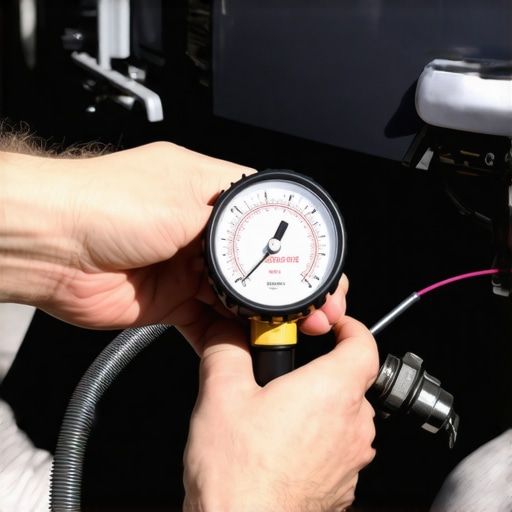
If you are serious about DIY maintenance, you need to move beyond just looking for wet spots on the driveway. I never touch a hydraulic system without a vacuum gauge and a quality multimeter. Much like how to find a parasitic battery drain with a simple multimeter, using the right gear takes the guesswork out of the equation. I personally use a hand-held vacuum pump to pull a vacuum on the power steering reservoir itself. If it can’t hold 20 inches of mercury for five minutes, I know I still have an air leak somewhere—even if it’s not dripping on the floor yet. This level of precision is exactly what defines top signs your car needs expert auto repair now diagnostics before a minor air leak destroys the pump internals. #IMAGE_PLACE_HOLDER_D# Looking toward the future, we are seeing a massive shift toward fully electric power steering (EPS) systems. While this eventually eliminates the messy hydraulic fluid and O-rings we’ve been discussing, it replaces them with high-torque electric motors and complex sensors. This transition means the tools of the trade are shifting from wrenches to advanced scan tools. However, for those of us keeping our classic hydraulic rigs on the road, the fundamentals of seal integrity and vacuum-testing remain king. I challenge you to try the vacuum bleed method using a hand pump next time you service your system; the absolute silence you get in return is worth every penny of the tool’s cost.
Secrets to Avoiding the Parts-Changer Mindset
After years of wrestling with hydraulic groans and mystery leaks, I’ve realized that the loudest problems often have the smallest solutions. Here is the insider perspective you won’t get from a standard shop manual. First, air is your enemy, not the metal. A pump only whines when it is starving or cavitating; before you condemn the hardware, always verify the seal integrity. Second, temperature changes are a diagnostic gift. If the noise changes based on outside temperature, it is almost certainly a rubber seal issue, as rubber expands and contracts significantly more than metal does. Finally, patience saves your steering rack. The air won’t leave the system just because you want it to; taking those 20 extra manual turns of the wheel is the difference between a silent fix and a ruined pump. By focusing on these nuances, you can stop searching for top signs your car needs expert auto repair now and start feeling confident in your own driveway skills. It is all about the maximize your cars lifespan with regular tune-ups philosophy—doing the small things right prevents the big failures.
The Three Tools I Never Repair Without
If you want to move from guessing to knowing, these are the specific resources I rely on. I trust them because they have saved me from wasting hundreds of dollars on parts I didn’t need:
- The Mityvac MV8000: This hand-held vacuum pump is essential for testing if your system can hold a vacuum and for drawing air out of the fluid without running the engine.
- OEM-Specific Service Manuals: Skip the generic one-size-fits-all guides. A factory service manual (FSM) will give you the exact torque specs for that 10mm bolt and the precise fluid type. Knowing the real difference between full synthetic and blends is vital for matching the FSM requirements.
- A Simple Mechanic’s Stethoscope: This lets you hear exactly where a bearing is failing. It’s as effective for steering as it is for realizing how to diagnose a bad wheel bearing by sound alone.
Take Control of Your Car’s Health Today
Fixing that screaming power steering pump is about more than just peace and quiet; it’s about the empowerment that comes with solving a complex mechanical riddle for less than $20. Don’t let the noise intimidate you or drive you to a shop before you’ve checked that suction-side O-ring. Every time you tackle a repair like this, you’re building the skills needed for any auto repair challenge. You’ve got the tools and the knowledge—now it’s time to get your hands a little dirty and enjoy the silence of a job well done. Have you ever replaced an entire part only to find out a tiny seal was the actual culprit? Let me know in the comments below!