
I’ll never forget the first time my car started jerking unpredictably whenever I shifted into reverse. It felt like the vehicle was protesting, refusing to cooperate smoothly. I was stressed out, wondering if this was a sign of a big problem or just a minor glitch I could ignore. That lightbulb moment made me realize how frustrating it is to deal with transmission issues that creep up at the worst time.
Understanding Why Your Transmission Acts Up Only When Reversing
Many car owners, like I was, find themselves puzzled when their vehicle jerks exclusively in reverse. It’s tempting to assume the worst—big repairs, costly replacements, or complex diagnostics. But often, the problem is rooted in something more straightforward, like transmission fluid levels, worn-out clutch components, or minor sensor malfunctions. The good news is, with a bit of knowledge and a keen eye, you can often address the issue before it worsens.
Is Your Car’s Reverse Jerking Actually Worth the Hype?
Early on, I made the mistake of ignoring that rough reverse gear, thinking it was just a quirk of an aging car. Turns out, ignoring such signs can lead to more severe damage down the line. According to experts, neglecting transmission symptoms can cause more extensive and expensive repairs later. So, if you’ve been experiencing this problem, don’t dismiss it—treat it as a warning sign and investigate promptly. Want to learn how to diagnose and fix this issue? Stay tuned, because we’re about to get into the practical steps that can save your vehicle and your wallet. And if you’re ever in doubt, reaching out to professionals through this contact page can give you peace of mind.
Start With a Clear Inspection
Begin by safely parking your vehicle on a flat surface, engaging the parking brake, and turning off the engine. Open the hood to check the transmission fluid level, which is like oil for your blood; without enough, your gear shifts become rough. Use the dipstick to verify if the fluid is dirty or low, and top it off with manufacturer-recommended transmission fluid if necessary. Remember, neglecting fluid levels can lead to costly repairs; learn more about how transmission overhauls save money.
Identify Worn Clutch Components
If your vehicle is manual, worn-out clutch parts could be causing jerking during reverse. Remove the inspection cover and examine the clutch disc and pressure plate—look for excessive wear or cracks. Replacing these parts is akin to changing worn shoes—necessary to prevent slip and jerk. Use a reliable repair manual or consult a professional if unsure. A well-maintained clutch ensures smooth gear engagement and longevity.
Check Transmission Sensor Functionality
Modern cars rely on sensors, similar to the sensors in a smart home, to tell the transmission how to operate. A faulty sensor can send incorrect signals, leading to jerks only in reverse. Use a diagnostic scanner to read error codes, focusing on the transmission position sensor. If faulty, replacing it is straightforward and cost-effective, restoring smooth reverse motion. For a detailed sensor check process, visit this comprehensive guide.
Examine Transmission Fluid Quality
Transmission fluid degrades over time, becoming dirty and less lubricating—like old motor oil gathering debris. Drain the fluid and inspect its color; dark, gritty fluid indicates it’s time for a change. Flushing and replacing it can eliminate jerks and shudders during shifts. Remember, using the correct fluid type is crucial; consult your owner’s manual or an expert. Regular fluid maintenance is vital for extending your transmission’s lifespan.
Perform a Road Test After Repairs
Once all adjustments are made, take your vehicle for a test drive. Shift into reverse gently and observe if the jerking persists. Pay attention to smoothness and responsiveness. If issues remain, revisit your checks or consider professional diagnostics. Sometimes, advanced issues like internal transmission damage require expert intervention. For more detailed diagnostic steps, check out how to perform comprehensive transmission diagnostics.
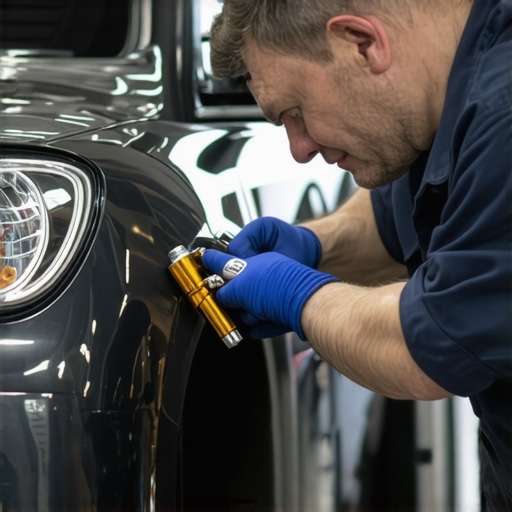
Many car owners make the mistake of assuming they fully understand the scope of professional services like collisionfixer and auto repair, but the truth runs far deeper. Contrary to popular belief, not all repair shops are created equal, and common myths often cloud judgment. One prevailing misconception is that all transmission issues require a full rebuild or replacement. In reality, as highlighted in this article, many transmission problems can be effectively resolved through targeted repairs or overhauls, saving significant costs.
Another widespread misunderstanding involves routine maintenance. Many think that a simple oil change or filter replacement suffices, overlooking critical nuances like the importance of specific tune-up procedures that maximize longevity, as explained here. Overlooking these subtleties may lead to premature component wear or unexpected breakdowns, especially in complex systems such as the transmission, where even minor oversights can cause major problems.
Are All Auto Repairs the Same or Is There More to It?
One advanced misconception I encounter is the idea that quick fixes always address the root cause. While a quick fix might temporarily solve a symptom—like a squealing belt or a sluggish shifter—it often masks underlying issues. For instance, ignoring signs of wear in critical components such as clutch discs or transmission sensors can result in compounded damage and expensive future repairs. As discussed in this detailed guide, comprehensive diagnostics are essential for accurate repair and long-term reliability.
Beware the trap of assuming that a car’s behavior is just an isolated glitch. Modern vehicles are intricate systems where minor irregularities could be harbingers of severe underlying issues. Neglecting this nuance can lead to costly repairs or even safety hazards down the line. In fact, experts emphasize proactive diagnosis and regular checkups—something we champion at collisionfixer—to prevent small problems from becoming major damage. If you’re uncertain, reaching out to a trusted professional through this contact page ensures peace of mind.
Furthermore, understanding the difference between generic repairs and specialized interventions is vital. For example, using the wrong transmission fluid—an overlooked mistake—can cause shuddering and slipping, as well outlined in this resource. Always trusting experts who follow manufacturer specifications will avoid such pitfalls.
In sum, the real mastery in collisionfixer and auto repair lies in recognizing these subtle nuances, avoiding common myths, and investing in advanced diagnostics. This approach not only preserves your vehicle’s performance but also prevents needless expenses. Have you ever fallen into this trap? Let me know in the comments and share your experiences. Remember, staying informed is the best defense against unnecessary repair setbacks.
Prioritizing Precision with Diagnostic Equipment
When it comes to auto repair and maintenance, I rely heavily on a high-quality diagnostic scanner like the OBDLink MX+. This device pairs seamlessly with my smartphone via Bluetooth, providing instant access to real-time engine data and fault codes. Its extensive compatibility ensures I can diagnose both domestic and import vehicles accurately, saving me time and unnecessary trips to the repair shop. Regularly scanning my vehicle with this tool helps me catch minor issues early, such as faulty sensors or transmission anomalies, which can become costly if ignored. As technology evolves, I predict these diagnostic tools will become smarter, integrating AI to provide even more precise repair suggestions—making the maintenance process smarter and more accessible for enthusiasts and pros alike. Learn more about transmission repairs and how early diagnostics can prevent expensive overhauls.
Balancing Manual and Digital Maintenance Logs
I personally keep both a digital log on my tablet and a traditional paper journal. The digital method involves simple spreadsheets where I track fluid changes, filter replacements, and service dates, complemented by maintenance apps like Car Minder Plus. These tools remind me when upcoming services are due, such as oil changes or tune-ups, ensuring I stay proactive rather than reactive. The advantage of digital logs is quick access and analytics to identify patterns—if your vehicle shows signs of transmission shuddering periodically, you’ll notice it in the records and can address it promptly. Meanwhile, a physical journal allows for quick jotting during repairs or inspections. Given where car technology is headed, I foresee apps leveraging AI to analyze maintenance history and predict failures before symptoms even appear—much like predictive health monitoring in medicine. For comprehensive tips on maximizing your car’s lifespan, see this guide.
Effective Cleaning and Calibration Methods for Longevity
To maintain optimal performance, I regularly clean critical sensors using dedicated kits. For example, a quick spray and gentle wipe of the mass airflow sensor can restore fuel efficiency and prevent rough idling. Calibration tools are equally essential; I use a Actron OBD-II Scanner to reset fault codes after repairs, ensuring that dashboard lights stay off and systems operate correctly. Proper calibration and cleaning extend the lifespan of sensors and components, especially in complex systems like transmission control modules. As vehicle electronics become more sophisticated, I believe autoservice will lean heavily on automated calibration devices that can instantly diagnose and recalibrate multiple modules simultaneously. For tips on maintaining your vehicle over time, check out this article. Don’t shy away from trying advanced cleaning methods—they can keep your transmission and other key systems functioning smoothly for miles to come.
The Unexpected Lessons That Changed How I Approach Car Repairs
- Timing Matters More Than I Thought: Catching reverse jerking early often prevents costly damage later, emphasizing the importance of prompt attention to traffic signs, like transmission fluid issues or sensor faults.
- Every Detail Counts: Small inconsistencies in fluid quality or minor sensor hiccups can cause major reverse jerks—attention to minor maintenance can save big bucks.
- Professional Help Isn’t Always a Last Resort: Knowing when to rely on diagnostic tools or expert services was a game-changer in addressing transmission problems efficiently.
- Tools Are Worth the Investment: From high-quality scanners to cleaning kits, my toolkit has become essential for proactive maintenance and understanding my vehicle better.
- Patience and Persistence Pay Off: Thorough inspections, repeated test drives, and cautious adjustments often lead to successful long-term solutions rather than quick fixes.
Tools and Knowledge That Elevate Auto Care
- OBDLink MX+: This reliable diagnostic scanner is my go-to for real-time insights, catching issues before they escalate, aligning with expert recommendations for early problem detection.
- Maintenance Records Apps like Car Minder Plus: Digital logs help me keep track of service history, ensuring timely interventions and avoiding overlooked warning signs.
- Sensor Cleaning Kits and Calibration Tools: Proper sensor care prolongs their life and prevents false signals that can cause transmission jerks, echoing best practices from seasoned mechanics.
- Comprehensive Guides on CollisionFixer: Resources discussing transmission overhauls or fluid management help demystify complex repairs and reinforce the importance of targeted interventions.
Your Next Move in Preserving Your Vehicle’s Lifespan
It’s easy to feel overwhelmed by transmission concerns, but remember: proactive, informed actions make all the difference. Staying curious, leveraging the right tools, and consulting reputable guides can transform auto repair into a manageable part of vehicle ownership. Don’t shy away from seeking professional advice when needed—your car will thank you over thousands of miles. Are you ready to take control and give your transmission the care it deserves? Share your thoughts below, and let’s keep the conversation going!