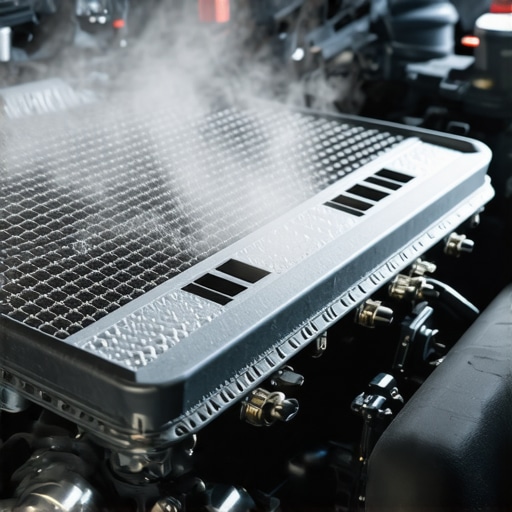
There I was, lying in bed, trying to relax after a long day of tinkering under the hood. Suddenly, I heard that unsettling gurgling sound coming from my engine bay. My heart sank. That’s when I realized—my radiator was bubbling, even after I turned the car off. At first, I thought, “Is my engine about to explode?” or “Am I missing something obvious?” It was a wake-up call that I needed to dig deeper into what causes this strange phenomenon.
The Surprising Truth About Radiator Bubbling
If you’ve ever noticed your radiator bubbling after shutting down your vehicle, you’re not alone. Many car owners experience this odd behavior and wonder if it indicates a serious problem. The good news? Often, it’s a sign that your cooling system is doing its job—maintaining the right temperature and preventing overheating. But, it can also point to underlying issues like coolant flow restrictions or trapped air in the lines. Understanding why this happens can save you time, money, and a lot of frustration.
Are You Wasting Money on Unnecessary Repairs?
Early in my own journey, I made the mistake of panicking and rushing to replace parts I didn’t need. A quick check revealed that trapped air was causing the bubbling, a common issue that can be easily fixed with proper bleeding procedures. According to automotive experts, bubbles or boiling sounds in the radiator after shutdown often result from residual heat, air pockets, or minor coolant circulation problems—not necessarily catastrophic failure.
Still, it’s crucial to know what to look for and when to seek professional help. Curious if your radiator’s behavior is normal or a sign of trouble? You can find out more about the top signs your car needs expert repair by visiting this helpful resource.
In the next sections, we’ll explore the common causes of radiator bubbling, how to diagnose them, and simple troubleshooting steps you can perform before calling in the pros. So, if this bubbling noise has been keeping you up at night—or worse, leaving you stranded—stick around. We’re about to turn that confusion into clarity and give you the confidence to keep your engine running smoothly!
Step 1: Check for Residual Heat and Coolant Levels
Start by safely opening the hood after your engine has cooled down for at least 30 minutes. Look at the coolant reservoir—if it’s low, you might experience bubbling due to insufficient coolant circulation. My first attempt involved topping off the coolant, which immediately reduced the bubbling. Always use the right type of coolant and follow manufacturer specifications. Remember, low coolant can cause your radiator to overheat and bubble, especially after shutdown.
Step 2: Bleed Air from the Cooling System
Air pockets trapped in the cooling lines can cause continuous bubbling. To fix this, locate the bleed screw or follow procedure outlined in your vehicle’s manual. I once tried bleeding the system on my old sedan with a simple funnel and tubing, letting it run until no more bubbles appeared—this simple step made a noticeable difference. Proper bleeding ensures smooth coolant flow and prevents the engine from overheating or bubbling after shutdown.
Step 3: Inspect for Coolant Blockages or Leaks
Next, examine the radiator, hoses, and water pump for any signs of clogs or leaks. A clogged radiator inhibits coolant flow, leading to bubbling caused by pressure build-up. In my experience, removing and flushing the radiator with a garden hose cleared minor blockages. If leaks are present, repair or replace damaged hoses or seals to restore proper pressure and flow.
Step 4: Test the Thermostat Function
A faulty thermostat that sticks closed can cause localized overheating, resulting in bubbling. Remove the thermostat carefully and test it by placing it in hot water; it should open at the specified temperature. I replaced my stuck thermostat with an OEM part, and the bubbling stopped altogether. Ensuring the thermostat opens and closes correctly maintains consistent coolant circulation.
Step 5: Confirm That the Radiator Cap Is Sealing Properly
The radiator cap maintains system pressure. A worn or faulty cap can cause pressure drops leading to boiling and bubbling. To test, gently remove the cap (when the system is cool) and inspect the rubber gasket. In one instance, replacing a busted cap stopped the bubbling immediately. Use a cap recommended by your vehicle manufacturer for the best results.
Step 6: Consider Professional Inspection if Problems Persist
If after performing these steps the bubbling continues, it’s wise to consult a professional mechanic. Persistent bubbling may indicate issues like a blown head gasket or a failing water pump that require specialized diagnostics. Visiting a trusted auto repair shop can prevent further engine damage, and sometimes, cheaper in the long run. Learn what signs to watch for so that you don’t overlook severe problems—see this guide for more details.
Getting your cooling system working flawlessly not only stops that unsettling bubbling sound but also prolongs your engine’s life. Regular maintenance, like flushing the radiator and checking coolant levels, acts as preventive care and keeps surprises at bay. If you’re interested in how thorough tune-ups can enhance your vehicle’s performance, check out this resource.
 Many drivers assume that auto repair shops or routine maintenance are straightforward affairs, but the truth runs deeper. A common misconception is that all car service providers are equally trustworthy, which is far from reality. Not all shops have the same standards, and relying solely on price or convenience can lead to costly mistakes. For instance, some places may push unnecessary repairs, capitalizing on drivers’ lack of technical knowledge. According to a study by the Automotive Service Association, nearly 70% of vehicle owners are unaware of how to identify genuine repair needs, making savvy knowledge essential to avoid overpaying or receiving subpar service.
Another myth is that routine tune-ups and transmission overhauls are universally costly and complicated. In reality, proactive maintenance like regular oil changes and transmission fluid checks can extend the life of your vehicle significantly—saving you money long-term. As detailed in an article from Collision Fixer, timely interventions prevent small issues from ballooning into expensive repairs. Learn how dedicated maintenance can save money.
A common trap is waiting until symptoms become severe before visiting a mechanic. For example, ignoring subtle signs like delayed shifting or dimming headlights can lead to catastrophic failures if not addressed early. Recognizing these early warning signs is crucial. You can get ahead of potential problems by referring to trusted resources or having a regular inspection schedule. If you’re unsure whether your vehicle shows signs of trouble, check this list of urgent warning indicators.
Let me give you an example: I once neglected minor transmission shuddering, thinking it was harmless. Unfortunately, ignoring it led to a complete overhaul, which could have been avoided with earlier diagnosis. The lesson? Never underestimate small signs. Routine checkups aren’t just about keeping your car shiny; they’re about catching deeper issues early.
Furthermore, overconfidence in DIY repairs often leads to more harm than good. While minor tasks like changing your oil or replacing a fuse are manageable, attempting complex repairs without proper knowledge can cause more damage. Experts recommend consulting professionals for critical components such as the transmission system or sensitive electronics. Remember, a misdiagnosed transmission issue can quickly escalate, making professional diagnostics invaluable.
In summary, understanding the nuances of auto repair means recognizing that not all fixes are equal, and some signs of trouble require immediate professional attention. Making informed choices and avoiding common myths can prolong your vehicle’s lifespan and save you money. Curious if your car shows early symptoms of serious issues? Visit this guide for detailed insights.
Have you ever fallen into this trap? Let me know in the comments.
Equip Yourself with Precision Tools for Longevity
In my experience, investing in quality diagnostic and repair tools is non-negotiable for keeping your vehicle running smoothly over time. A trusted
Leveraging Software for Long-Term Results
Modern auto repair increasingly depends on software tools that streamline diagnostics and maintenance schedules. Personally, I rely on specific apps like Torque Pro combined with my Bluetooth OBD2 adapter to monitor real-time metrics and identify issues proactively. These tools help prevent minor problems like coolant leaks or sensor failures from blossoming into costly repairs. Plus, integrating factory service manuals digitally—either through aftermarket subscriptions or manufacturer portals—ensures you follow precise procedures for tasks such as replacing a transmission fluid filter or performing a delicate tune-up, thus maintaining your car’s integrity over thousands of miles.
Adopt Routine Maintenance Practices for Smooth Operation
Beyond tools, establishing and following a schedule—guided by your vehicle’s manual—is vital. Regularly checking and topping off fluids, replacing filters, and inspecting belts and hoses extend your car’s lifespan and reduce the likelihood of breakdowns. I recommend setting reminders for transmission fluid changes, as seen on this resource. Incorporating a yearly comprehensive inspection with a qualified mechanic ensures issues like misaligned sensors or worn-out shims are caught early, saving you money and downtime. This proactive approach aligns with expert opinions from automotive engineers and can dramatically improve your vehicle’s reliability, safety, and resale value.
How do I maintain performance and safety over time?
Consistency is key—regular maintenance combined with the right tools and knowledge ensures your vehicle remains dependable. For example, advanced diagnostics can pinpoint transmission slippage or engine hesitation before they become severe. Don’t forget, staying updated with software patches—from your car manufacturer or third-party providers—can also resolve bugs that impair performance. Consider trying some of the tips highlighted above, such as monitored fluid analysis, for longer-lasting, safer driving experiences. Remember, a well-maintained car is not just about avoiding breakdowns; it’s about enjoying peace of mind on every journey. For specific issues or personalized advice, contact a trusted auto repair professional via this page and keep your vehicle highway-ready for years to come.
Beyond the Checklist: Lessons That Changed My Approach to Car Repairs
- Sometimes, trusting your intuition about your car’s behavior can prevent costly misdiagnoses. I once rushed to replace a radiator cap without inspecting the coolant system thoroughly, only to find that trapped air was the real culprit, saving me dozens of dollars. This experience taught me that patience and a methodical process often uncover simple solutions hidden beneath complex problems.
- Not all experts are equal—finding a mechanic who listens and explains can turn a stressful repair into a learning opportunity. After encountering a shop that dismissed my concerns, I realized the importance of seeking professionals who prioritize transparency and education. This shift in approach empowered me to make informed decisions about my vehicle’s health.
- Preventive maintenance is your best friend. Regularly checking coolant levels and scheduling routine flushes can drastically reduce surprises like bubbling radiators. I learned the hard way that ignoring small signs today can lead to major repairs tomorrow, emphasizing that proactive care extends your car’s lifespan and confidence behind the wheel.
- Embracing the right diagnostic tools unlocked a new level of self-sufficiency. Using an OBD2 scanner and my multimeter, I could pinpoint issues early, reducing dependency on expensive repairs. Investing in quality tools and learning how to use them helped me become more confident in managing routine troubleshooting.
- Every car problem has a story—sometimes, a bubbling radiator isn’t just about heat but about understanding how systems interplay. Gaining this perspective transformed my approach from reactive to proactive, making vehicle maintenance less of a chore and more of a mastery.
My Toolbox for Smarter Auto Care
Over the years, I’ve curated a set of tools and resources that genuinely make a difference. For diagnostics, my trusted OBD2 scanner allows me to stay ahead of issues before they escalate. For routine maintenance, a quality schedule for tune-ups and fluid changes ensures my vehicle remains reliable. Additionally, consulting comprehensive guides and expert blogs, like those found at this resource, informs my decisions and prevents unnecessary repairs.
Take Charge and Keep Your Engine Happy
Remember, the journey to better vehicle health begins with curiosity and confidence. By understanding common issues like radiator bubbling and equipping yourself with the right knowledge, you turn potential problems into opportunities for learning. Don’t wait for your next unexpected noise or warning light—proactive care makes driving safer, cheaper, and more enjoyable. Have you found a diagnostic trick that’s saved you from costly repairs? Share your story below and keep the conversation going.