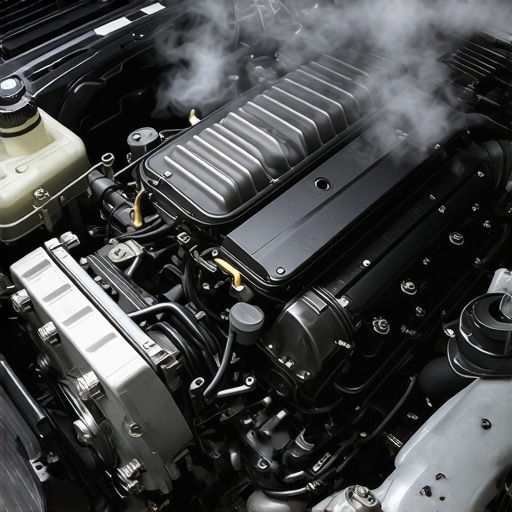
One morning, I was merging onto the highway when my car suddenly jerked and hesitated, almost like it was catching its breath. Panic kicked in. I’ve been a car enthusiast for years, but even I was caught off guard by how quickly that feeling worsened. It was a lightbulb moment—realizing that my transmission wasn’t just ‘getting tired’ but was actually signaling something more serious wrong. Have you ever experienced that unsettling hesitation or slipping while driving? If so, you’re not alone.
Why Recognizing the First Signs of Transmission Trouble Can Save Your Wallet
Understanding the early warning signs of a transmission pump failure can make a huge difference. Not only can it prevent your car from breaking down unexpectedly, but it also saves you from costly repairs. The transmission pump is like the heart of your vehicle’s transmission system—if it starts to fail, the entire transmission can suffer, leading to more extensive damage. Early detection is key, and that’s exactly what we’re here to explore. If you’re curious about confirming these signs, check out this guide on automotive warning signs.
Is Ignoring These Signs Just a Little Car Troubles? Think Again!
Let me admit something: I once ignored a slight delay in shifting, thinking it was just a minor hiccup. That mistake taught me the hard way how fast things can deteriorate. Early signs of a failing transmission pump are subtle—like slipping gears, whining noises, or delayed response—and can be mistaken for other issues. Recognizing these symptoms early can be the difference between a simple repair and shelling out for a full transmission overhaul. In fact, some experts suggest that ignoring such signs can lead to complete transmission failure, which is significantly more expensive and stressful. For a deeper understanding of how these problems develop and what you can do to avoid them, consider reading about how transmission overhauls can save you money. Now, let’s dive into the crucial signs that indicate your transmission pump is on its last legs—and what you should do about it.
Perform a Visual Inspection of Transmission Fluid and Components
Start by parking your car on a level surface, engaging the parking brake, and opening the hood. Locate the transmission fluid dipstick—consult your vehicle’s manual if needed. Pull out the dipstick, wipe it clean with a rag, dip it back in, and check the fluid level and color. A low or dark, burnt-smelling fluid indicates potential pump issues or other transmission problems. Examine the surrounding area for leaks or signs of damage. This initial check can reveal if your transmission pump might be failing and where to focus your attention next.
Listen for Unusual Noises While Driving
Identify Whining or Gurgling Sounds
Drive your vehicle in a safe area and listen carefully for high-pitched whining or gurgling noises coming from the transmission. These sounds often signal that the pump isn’t circulating fluid effectively. Remember, early in the failure, these noises may be subtle—so stay attentive. During my own experience, I noticed a faint whining clutching my attention; afterward, I realized it was a sign of impending pump failure. Recognizing such auditory cues can be crucial in catching issues early.
Test the Transmission Shift Response
With the engine running at normal temperature, shift through all gears—from park to reverse, then to drive—while observing the response. Hesitation, slipping, or delayed engagement often point to poor fluid pressure caused by a failing pump. I once experienced that when my car hesitated between shifts; a quick test revealed sluggish responses, which prompted me to diagnose further or consult a professional. Knowing how your car responds during these shifts is vital; persistent problems indicate that your pump isn’t maintaining adequate pressure.
Utilize Diagnostic Tools for Accurate Assessment
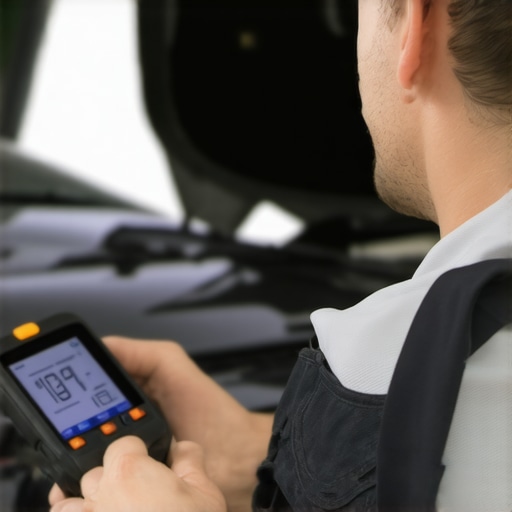
Connect an OBD-II scanner to your vehicle to read transmission-related codes. Certain codes can directly point to pump failure or related sensors. For example, codes like P0700 or P1779 often indicate transmission control issues linked to pump performance. A diagnostic check helps differentiate between pump failure and other transmission problems, ensuring you take targeted action. In my case, a diagnostics session revealed a pressure sensor problem—closely tied to pump operation—prompting targeted repairs rather than guesswork.
Consider a Professional Pressure Test or Fluid Flow Analysis
If signs persist, schedule a professional mechanic to perform a pressure test on the transmission. They will connect a special gauge to your transmission to measure fluid pressure at various points. Consistently low pressure readings confirm pump failure. Additionally, fluid flow analysis can detect blockages or pump inefficiency directly. I once watched a technician use a pressure gauge to diagnose my vehicle’s transmission; the test clarified that the pump was indeed failing, preventing unnecessary parts replacement and guiding accurate repairs.
Decide Between Repair and Replacement
Once you’ve confirmed pump failure, evaluate your options. Repairing the pump involves replacing internal components, which may be feasible in some models. However, in severe cases, replacing the entire transmission—is often more efficient and reliable. Consult a trusted repair shop, like collisionfixer, for an expert assessment. Remember, neglecting a failing pump can lead to total transmission failure, which is much more costly, as detailed in this resource. Making timely decisions can save hundreds of dollars and prevent roadside breakdowns.Many car enthusiasts and everyday drivers alike fall into common misconceptions about auto repair, often leading to costly mistakes. One pervasive myth is that all auto repairs are temporary fixes; in reality, some issues require immediate and precise intervention to prevent long-term damage, especially when it comes to critical components like the transmission. For example, neglecting subtle signs of transmission pump failure can escalate into complete transmission overhaul, which is significantly more expensive, as detailed in this guide.
A common trap is believing that professional auto service is always overpriced or unnecessary. This misconception can lead owners to delay essential tune-ups, which, in turn, cause drivability issues that are costly to fix later. Regular maintenance, including scheduled tune-ups, can extend your vehicle’s lifespan and improve performance.
Let’s dig deeper—what most people overlook is how advanced diagnostics have transformed auto repair. Modern scan tools can identify sophisticated faults that might escape visual inspection, saving time and money. Yet, some still rely solely on symptom-based fixes, risking unnecessary parts replacement. Think about the mistake of flushing fluids without confirming the underlying issue—this can mask symptoms temporarily but doesn’t address the root cause. An expert approach includes analyzing diagnostic codes and performing targeted tests, such as those recommended at this resource.
A critical nuance many miss involves the importance of understanding when to repair versus replace. For instance, with transmission problems, some believe replacing just a component saves money, but in severe cases, full overhaul might be more cost-effective and reliable in the long run. This decision-making process often hinges on precise diagnostics and an understanding of future reliability. Professional guidance is essential here.
Moreover, there’s a tendency to underestimate the impact of collision damage or even simple cosmetic repairs on long-term vehicle health. For example, unnoticed frame damage can compromise safety and lead to uneven tire wear or steering issues later. Learning about how collision damage affects overall integrity is crucial—visit this article for insights.
Finally, one significant mistake is ignoring the importance of routine inspections and understanding that preventive care outweighs reactive fixes. Regularly checking fluids, belts, and filters can catch issues early before they turn into expensive repairs. Remember, auto care isn’t just about fixing problems—it’s about preventing them.
Have you ever fallen into this trap? Let me know in the comments, and share your experiences or questions about tackling auto repair myths.
Investing in the Right Equipment for Consistent Performance
Maintaining a vehicle’s health over time requires more than just intuition; it demands the right tools and methods. As someone who’s been deep in the trenches of auto repair, I’ve found that having quality equipment isn’t an option—it’s a necessity. A reliable OBD-II scanner is my first line of defense for diagnosing complex issues quickly and accurately. It provides instant readouts of trouble codes, enabling me to pinpoint problems such as transmission sensor failures or misfires before they escalate.
In addition, I swear by the specialized oil filter removal tool when performing routine tune-ups. It saves me time, minimizes damage, and ensures a proper seal during reinstallation. For routine maintenance like checking fluid levels, a high-quality digital multimeter has become invaluable. It helps me verify battery health and diagnose electrical issues without running to the shop.
How to Keep Your Car Running Smoothly for the Long Haul
Regular use of diagnostic software and quality hand tools not only simplifies repairs but also extends the lifespan of your vehicle. As technology evolves, so do repair techniques, with diagnostics becoming increasingly sophisticated. I predict that in the future, AI-driven diagnostic tools will make auto repairs even more precise, potentially predicting issues before symptoms appear—saving owners time and money. You can get a head start now by mastering fundamental maintenance routines and investing in dependable equipment.
For example, mastering the use of a specialized oil filter wrench can make routine changes effortless, preventing contaminants from causing long-term damage. Additionally, routinely checking for hidden issues with an electrical tester reduces unexpected breakdowns. True maintenance also involves analyzing diagnostic codes periodically, which a professional tool like an OBD-II scanner facilitates—an investment that pays off by catching problems early, as detailed in this guide.
What Is the Best Way to Maintain Your Vehicle’s Health Long-Term?
The key to sustained performance lies in proactive care. Regularly scheduled tune-ups, routine diagnostics, and having the right set of tools ready to tackle minor issues prevent small problems from boiling over into costly repairs. Embracing this mindset of preventive maintenance ensures your vehicle remains reliable and safe for years to come.
If you’ve appreciated these insights, I encourage you to try calibrating your diagnostic tools with an aftermarket OBD-II scanner. Being able to identify issues early can save hundreds of dollars and untold stress on the road. Want personalized advice? Visit our contact page to get started.
What I Wish I Knew Earlier About Auto Repair Tricks
- One of the most arduous lessons I learned was that early transmission signs are often subtle, yet ignoring them can escalate costs exponentially. Recognizing those quiet whines or sluggish shifts could have saved me from a full overhaul.
- I used to think that diagnostic tools were only for pros, but investing in a quality OBD-II scanner transformed my approach—allowing me to catch issues before they became emergencies, saving time and money.
- The biggest lightbulb moment was understanding that not every problem requires full replacement—the difference between repair and overhaul hinges on timely diagnosis and knowing when to push for a second opinion.
Tools and Resources That Make My Auto Repairs Smarter
- The OBD-II scanner I rely on has unlocked quick insights into vehicle issues, empowering me to act decisively.
- Good quality hand tools like specialty wrenches help me perform repairs that last, preventing minor inconveniences from becoming big headaches.
- Reading through auto repair tips and guides sharpens my DIY skills and enhances my understanding of vehicle health.
Your Next Move Counts Toward Better Car Care
Animals learn through experience, and so can drivers—by observing their vehicle’s behavior and acting early, you protect your journey and your wallet. Regular diagnostics, mindful driving, and choosing quality tools are making a real difference in my auto maintenance routine. Now, I invite you to look your car over with fresh eyes. Have you ever missed a subtle sign that could have prevented a costly repair? Share your stories below and let’s learn from each other’s experiences. After all, understanding your vehicle better is the first step to mastering auto care.