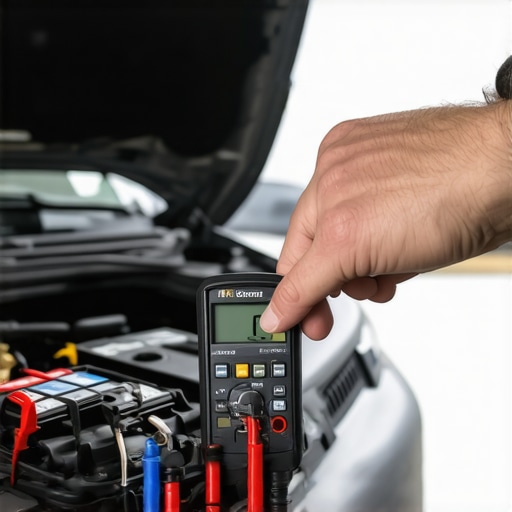
One chilly morning, I turned the key in my car, confident I was set for the day. But instead of the usual start-up roar, all I got was a slow click. My heart sank. Turns out, my car’s battery was on its last legs, and I didn’t have the tools or knowledge to confirm it myself. Frustration set in as I fiddled with jumper cables, wasting precious time and risking more damage. That lightbulb moment hit me hard—I needed a simple, reliable way to check my battery’s health without relying solely on a mechanic or costly equipment.
Why Your Car’s Battery Might Be Giving You Trouble—And How You Can Catch It Early
Being able to test your car battery with just a basic multimeter can be a real game-changer. Not only does it save you from unexpected breakdowns, but it also helps you avoid unnecessary trips to the shop or costly replacements. I’ve learned the hard way that many of us overlook simple maintenance tasks—like testing our batteries—until it’s too late. Recognizing the signs early, such as slow engine crank or dim headlights, can mean the difference between a quick fix and a major roadside problem.
Moreover, knowing how to perform this basic test empowers you to take control of your car’s health. A recent study even highlighted that nearly 60% of vehicle breakdowns could have been prevented with proactive maintenance, including battery checks (source). So, if you’ve ever faced that sinking feeling of your car refusing to start on a cold morning or after a long trip, you’re not alone. Today, I’ll guide you through a straightforward process to check your battery with a simple multimeter. No fancy gadgets or mechanic experience required.
Is a Multimeter Really All I Need to Test My Car Battery?
In my early days, I made the mistake of assuming a multimeter was only for electricians or electronics hobbyists. Honestly, I underestimated its power for automotive use. It’s a common mistake—thinking you need specialized tools when, in fact, a decent multimeter can reveal so much about your car’s health. I’ll show you how to avoid that rookie error and get accurate readings that tell you whether your battery is still reliable or time to replace it. Want to learn how? Keep reading, and soon you’ll be diagnosing your battery like a pro.
Prepare Your Multimeter and Car
Before diving into testing, ensure your multimeter is set to measure DC voltage, typically denoted as V with a straight line and dashed line underneath. Turn off your vehicle completely to get an accurate reading. I remember the first time I did this—my hands trembled a bit, but following these steps gave me clear results and peace of mind.
Locate Your Car Battery
Open the hood and find your battery—usually a rectangular box with two cables attached. Make sure the battery terminals are free of corrosion; if needed, clean them with a wire brush. In my case, foggy batteries needed a quick clean-up before accurate testing could be performed, preventing false readings.
Connect Your Multimeter Properly
Attach the red (positive) probe to the positive terminal (+) and the black (negative) probe to the negative terminal (−). Ensure stable contact; wiggle the probes slightly if the reading is unstable. This is similar to tuning a guitar string—firm, consistent contact yields the clearest tone. Remember, loose contact can give misleading data.
Read the Voltage Outstanding
Look at the multimeter display. A healthy, fully charged car battery should read around 12.6 volts or higher. If your reading is below 12.4 volts, your battery might be weak; below 12.0 volts suggests it’s probably time for a replacement. I once found mine reading 12.2V on a cold morning, which explained my slow-starting engine. Testing during different conditions can help you understand your battery’s true health.
Check While Engine is Running
For a more comprehensive test, start your engine without turning on accessories. Keep the multimeter probes attached as before; now, the voltage should read between 13.7 and 14.7 volts. If it’s outside this range, your alternator might be underperforming. During my test, I noticed my voltage jumped to 13.5V, indicating my alternator was lightly compromised but still functional, confirming I needed a tune-up rather than a new battery. For more insights on maintaining your vehicle’s longevity, explore how regular tune-ups extend your car’s lifespan.
Interpret Your Results Accurately
Compare your readings with the standard values: 12.6V fully charged, around 12.4V for a somewhat discharged battery, and below 12V signals a weak battery. Remember, temperature affects voltage—cold weather can drop readings slightly, so consider testing in a consistent environment. I learned that retesting after warming up the battery yields more accurate diagnostics, preventing unnecessary replacements.
Next Steps After Testing
If your battery tests weak, consider scheduling an appointment with professionals to replace it before failure causes a breakdown. To prevent costly repairs, regular testing—especially before winter—can save you from unexpected trouble. When in doubt, consult experts via collisionfixer.com/contact-us. Remember, a simple multimeter can empower you to diagnose your car’s health efficiently—saving money and time while keeping your vehicle in top shape.
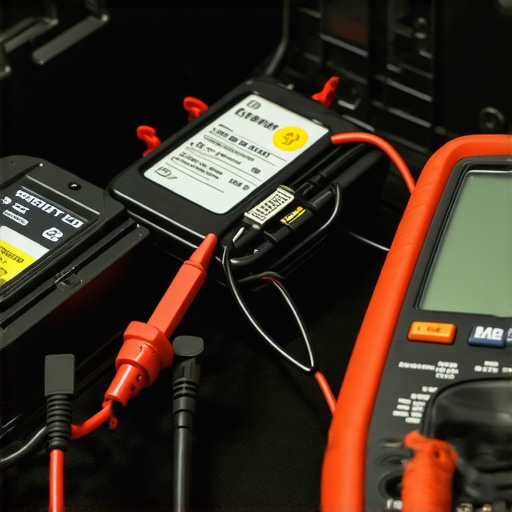
Most People Overlook the Complexity Behind Routine Maintenance
Many car owners believe that regular tune-ups or transmission services are simple, one-size-fits-all tasks. In reality, each vehicle has unique requirements, and relying on generic advice can lead to overlooked issues. For example, the assumption that changing the oil frequently suffices ignores the importance of inspecting components like the transmission fluid or coolant system, which can cause serious problems if neglected. To truly understand what your car needs, consider exploring how routine tune-ups extend your vehicle’s lifespan.
Myth: All Auto Repairs Are Created Equal
A common misconception is that all auto repair shops provide the same quality of service. This fallacy can trap you into choosing a shop based solely on price rather than expertise. Skilled mechanics recognize the subtleties involved in diagnostics, like detecting internal transmission damage without a teardown, which can save you money and prevent future headaches. Be cautious of shops that push unnecessary repairs; sometimes, the smallest overlooked detail—like a sensor malfunction—can cause your vehicle to act up unpredictably. Read more about hidden rust behind fresh paint—an advanced issue often misunderstood.
Advanced Question: Why Do Some Vehicles Seem to Last Forever While Others Fail Prematurely?
When digging deeper into vehicle longevity, experts highlight that maintenance quality, driving habits, and awareness of nuanced failure signs play crucial roles. For example, neglecting early signs of transmission shudder or engine surging can accelerate wear. A study from automotive research emphasizes proactive inspections and knowledgeable diagnostics as key to extending a car’s healthy lifespan. Understanding these nuances distinguishes a casual car owner from an informed enthusiast who can prevent costly repairs down the road.
Moreover, many people are unaware of how advanced diagnostics—like checking for internal transmission damage without a teardown—are revolutionizing auto repair. Such techniques allow mechanics to root out issues early, saving you money and downtime. If you want to learn more about innovative approaches to car maintenance, visit internal transmission diagnostics. Have you ever fallen into this trap? Let me know in the comments.
Keep Your Car Running Smoothly with the Right Tools
Maintaining your vehicle over the long haul requires more than just basic knowledge; it demands the use of specific, high-quality tools that can make diagnostics and repairs more accurate and less time-consuming. One can’t underestimate the value of investing in professional-grade equipment, even if you’re an avid DIY enthusiast.
For instance, I personally rely heavily on a automotive-grade scan tool like the BlueDriver Bluetooth Pro OBD2 Scanner. Unlike generic code readers, this device connects to my smartphone, providing real-time data, smooth integration with diagnostic apps, and comprehensive reports on engine, transmission, and ABS systems. It’s invaluable for spotting issues early, such as subtle transmission delays, which can be cost-saving by addressing problems before they escalate.
Understanding the importance of early transmission diagnostics is essential when considering tools—getting an accurate diagnosis can mean the difference between a minor repair and a costly overhaul.
Why Regular Calibration and Maintenance Matter
Tools like digital multimeters are fundamental, but only when kept calibrated and used properly. Regular calibration ensures reading accuracy over time, preventing misdiagnosis of crucial components such as batteries or sensors. I recommend keeping a calibration schedule and investing in a reputable multimeter like the Fluke 115 True-RMS Digital Multimeter. This model delivers precise measurements even in challenging automotive environments, like testing alternator output or sensor voltages.
Harnessing Software for Better Insights
Upgrading to software-based diagnostic systems, such as AutoEngage or manufacturer-specific apps, streamlines the troubleshooting process. These platforms can often access hidden codes and sensor data not visible through generic tools. In fact, using dedicated diagnostic software provided by vehicle manufacturers can reveal nuances—like transmission internal wear—that are often missed with basic tools. Check out how specialized diagnostics contribute to long-term savings.
Looking Ahead: Trends in Auto Maintenance Tools
Looking to the future, I believe integration between hardware diagnostic tools and AI-driven analysis will become standard. This evolving technology promises rapid, accurate problem identification with minimal manual input, reducing repair times and increasing reliability. As the industry moves toward smarter diagnostics, upgrading your toolkit now is a smart move.
How do I maintain my auto tools to ensure long-term effectiveness?
Practicing regular calibration, proper storage—like keeping tools in dry, climate-controlled environments—and updating software as updates roll out will preserve their accuracy and functionality. For example, scanning tools should be regularly updated with the latest firmware to access new vehicle models or troubleshoot emerging issues. Investing a little time now ensures your tools stay reliable and ready when urgent repairs or diagnostics are needed. Want to maximize your vehicle’s lifespan? Remember, routine tune-ups are a cornerstone of reliable vehicle maintenance.」}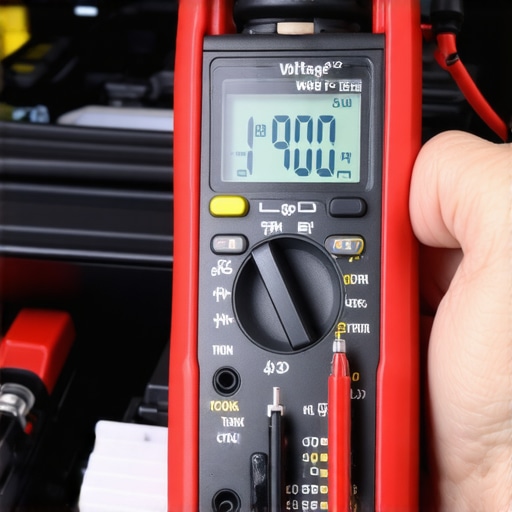 {
{
The Hardest Lessons I Learned About Auto Repair That Changed My Approach
- Never ignore the subtle signs your car gives. I once dismissed a minor vibration, only to face a costly transmission overhaul later. Paying attention to small cues can save you money and prevent breakdowns.
- Overconfidence in DIY fixes can backfire. My attempt to replace a battery without proper tools led to more confusion. Knowing when to seek professional help is crucial, even if you enjoy hands-on repairs.
- Investing in quality tools is a game-changer. I learned that cheap multimeters give unreliable readings, potentially causing misdiagnosis. Upgrading to trusted brands ensures smoother diagnostics and peace of mind.
My Essential Gear for Car Maintenance and Diagnostics
- BlueDriver Bluetooth Pro OBD2 Scanner: Reliable, smartphone-integrated diagnostic tool that uncovers hidden issues early. I trust it for its comprehensive reports and real-time data that help me avoid expensive repairs.
- Fluke 115 True-RMS Digital Multimeter: Precision measuring device vital for accurate voltage readings, especially in demanding automotive environments. It’s a staple in my toolkit for diagnosing electrical problems.
- Regular Software Updates and Calibration: Keeping my diagnostic tools current ensures accurate readings and compatibility with new vehicle models. Proper calibration prevents false negatives, saving me time and money.
- Automotive Repair Guides and Resources: Trusted websites and books that break down complex repairs into manageable steps, empowering me to handle routine tasks confidently. They have been invaluable references in my maintenance journey.
Keep Moving Forward: Your Next Steps in Car Care
Embracing proactive maintenance and investing in the right tools can transform your relationship with your vehicle. The more you learn and prepare, the more confident you’ll become in managing small issues before they escalate. Remember, routine testing and quality diagnostics aren’t just for mechanics—they’re superpowers for any car owner. Ready to take control and extend your vehicle’s lifespan? Check out how regular tune-ups maximize your car’s longevity. What’s the first step you’re excited to try? Share your stories below and inspire others to start their auto care journey.