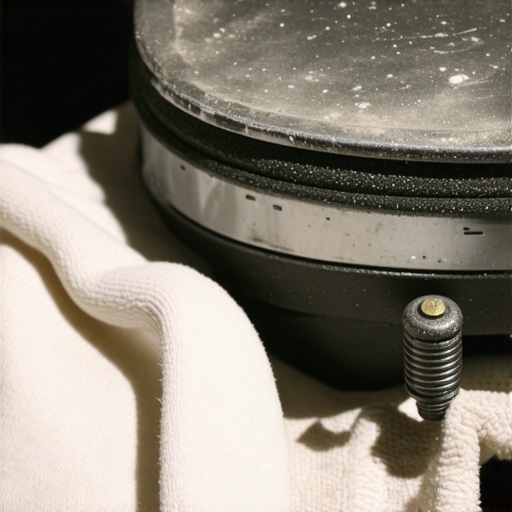
It happened on a gloomy Tuesday morning when my car suddenly started behaving all strange—jerking, idling rough, and a sudden drop in fuel efficiency. I nearly blamed the weather, the gas station, or even the bad luck I’d been having lately. But after a quick scan, I realized the culprit was staring back at me from the engine bay: my filthy mass airflow sensor. I had overlooked its importance, thinking it only needed attention during major repairs.
Why a Dirty MAF Sensor Can Make or Break Your Drive
Our cars rely heavily on sensors to keep everything running smoothly, and the mass airflow (MAF) sensor is a critical player in that system. When it gets coated with dust, oil, or debris, it sends faulty signals to the engine control unit, causing misfires, poor acceleration, and increased fuel consumption. Honestly, I learned this the hard way—by ignoring the warning signs and paying the price in efficiency and performance.
Is Cleaning the MAF Sensor Really Worth the Effort?
Early on, I made the mistake of thinking that replacing the sensor was the only fix or worse, ignoring the issue altogether. But I’ve since discovered that a simple cleaning can restore your engine’s health without costly replacements. Research shows that a contaminated MAF sensor can decrease your fuel economy by up to 20% (source: collisionfixer.com)—that’s money in your pocket or away from it, depending on your maintenance habits. Trust me, tackling this little task is a game-changer for longevity and performance.
Do you often find that your car sputters on cold mornings or seems sluggish despite regular tune-ups? If you’ve faced this frustrating scenario, you’re not alone. Many drivers underestimate the impact a dirty MAF sensor can have. But don’t worry—I’ll walk you through how to clean it safely and effectively, so your car runs as smoothly as it should.
Getting your hands dirty (literally here!) with this simple maintenance can save you money and headaches down the line. Next, let’s look at how to identify if your sensor needs a cleanse and what mistakes to avoid—trust me, I’ve made my fair share, and I’ll share those lessons too.
Gather Your Tools and Prepare Your Workspace
Before starting, ensure you have a clean workspace, wearing gloves and safety glasses to protect against accidental splashes or debris. You’ll need a flat-head screwdriver or socket wrench set, a clean lint-free cloth, and specialized MAF sensor cleaner—which is crucial for dissolving dirt without damaging delicate components. Remember, never use carburetor or brake cleaner as they can harm the sensor. I learned this when I accidentally used the wrong chemical, leading to a costly replacement and a messy cleanup. So, choosing the right cleaner is vital—trust me, research and buy a reputable brand.
Locate and Remove the MAF Sensor Carefully
Find your MAF sensor, typically positioned between the air filter box and the throttle body. It often looks like a small rectangular or cylindrical device with wiring connectors. Gently disconnect the electrical plug, noting how it connects for reassembly—taking a quick photo helps. Use your screwdriver or socket wrench to release any clamps or screws holding the sensor in place. When I did this on my vehicle, I made sure to handle the sensor delicately, as applying too much force could damage the fragile wires inside. If unsure, consult your vehicle’s manual or watch a tutorial specific to your make and model.
Clean the Sensor with Proper Techniques
Hold the sensor in your hand or on a stable surface and spray the MAF cleaner onto the sensing elements—don’t touch the wires, just spray generously. Let the cleaner sit for a few minutes to dissolve built-up dirt and oil—this step is essential; rushing can leave residues that impair function. During my clean, I made the mistake of wiping with paper towels, which left fibers behind. Instead, use a lint-free cloth or let it air dry. Make sure all residues are gone, as any remaining dirt can cause readings to be skewed, leading to rough idling or decreased fuel economy.
Reinstall the Sensor and Test Drive
Once dry, carefully reattach the sensor into its housing, ensuring it snaps securely and reconnect the electrical plug. Rest assured, this process is like cleaning a delicate instrument—patience and gentle handling are key. After reinstalling, start your engine and observe how it responds. If your car initially sputters but then smooths out, you’ve likely restored proper airflow measurement. For ongoing issues, consult a professional to check other related systems or visit Collision Fixer for expert assistance. Remember, a clean MAF sensor can significantly improve engine performance, saving you money and frustration down the road.Many car owners fall for misconceptions that can lead to costly mistakes. One widespread myth is that every service or repair must be done immediately or that only major issues warrant professional attention. In reality, understanding the nuances of auto care can save you money and prolong your vehicle’s lifespan, especially when considering complex systems like transmissions or collision repairs. For example, some believe synthetic oils are always better than conventional ones; however, experts note that the choice depends on your engine’s condition and driving habits (source: collisionfixer.com).Maintaining your vehicle’s optimal performance over years requires more than just routine oil changes. Investing in the right equipment and adopting precise methods can make a significant difference in how your car behaves and how long it lasts. I personally swear by a few key tools that have saved me countless trips to the mechanic and extended my car’s lifespan. Knowing which tools to use isn’t just about convenience—it’s about ensuring safety and reliability for the long haul.
Why a Digital OBD-II Scanner Is My Go-To
I rely heavily on a high-quality digital OBD-II scanner to keep tabs on my engine’s health. Unlike generic code readers, my preferred model integrates seamlessly with smartphone apps, providing real-time diagnostics, historical data, and tailored maintenance alerts. The ability to interpret trouble codes and see live sensor data allows me to catch issues early—before they become costly repairs. This proactive approach aligns perfectly with future trends where vehicle connectivity and smart diagnostics are becoming the norm. For example, the Collision Fixer team recommends regular diagnostics to prevent unexpected breakdowns.
My Favorite Hand Tools for Spot Repairs
For minor repairs and adjustments, I keep a set of quality socket wrenches, screwdrivers, and pliers. But the game-changer for me is a precision torque wrench. It ensures I tighten bolts to manufacturer specifications, a detail often overlooked but critical to avoiding over-tightening that can cause damage, or under-tightening that leads to leaks or component failure. This small investment improves the longevity of parts like transmission bolts or suspension components, ultimately saving you money and time.
Fluid Test Kits Bring Clarity
Changing fluids isn’t just about replacing old oil or coolant—it’s about understanding their condition. I use a dedicated test kit to assess oil viscosity and contamination levels periodically. This helps determine whether a simple fluid change suffices or if a more comprehensive inspection is needed. Keeping tabs on fluid health is crucial because a neglected transmission fluid, for example, can lead to expensive overhaul—something that this resource highlights well.
The Future: Automated Maintenance and Predictive Tools
Looking ahead, the automotive industry is moving toward predictive maintenance powered by machine learning and AI. Imagine a vehicle that notifies you of imminent wear parts or suggests preventive service based on driving patterns. As these technologies become more accessible, having a solid foundation of diagnostic tools and maintenance habits now will ensure you’re ready for the transition. Regularly updating your diagnostic software and calibrating tools will keep your maintenance routine ahead of the curve.
How do I stay on top of long-term maintenance?
The key is consistency and using the right tools to monitor your vehicle’s health continuously. Dimensional calibration of sensors, software updates for diagnostic devices, and even simple checklist routines help prevent small issues from escalating. I encourage you to try integrating a professional-grade OBD-II scanner into your routine—it’s like having a mechanic in your glove box. Regular checkups at trusted shops and staying informed about your vehicle’s condition can drastically reduce long-term repair costs and give you peace of mind. For ongoing support and expert advice, contact Collision Fixer.
Secrets Real Enthusiasts Hope You Never Discover
One of the most eye-opening lessons I learned was that ignoring small signs of engine distress can lead to costly repairs down the line. I once dismissed a slight hesitation during acceleration, thinking it was just weather interference. Turns out, that was my car’s way of whispering about a dirty MAF sensor—something easily fixable if caught early. Ignoring these signals rarely results in savings; instead, it can compromise your vehicle’s longevity and safety.
Another revelation was how many auto repairs are preventable with proactive maintenance. Routine checks, like inspecting your air filters and cleaning sensors, aren’t just chores—they’re investments in your car’s health. I’ve saved hundreds by catching issues early, instead of waiting for breakdowns. It’s a reminder that being attentive doesn’t just improve performance—it keeps your travel stress-free.
Tools That Elevated My Auto Care Routine
A quality digital OBD-II scanner transformed my approach to vehicle maintenance. It empowered me to interpret engine codes and monitor sensor data, turning a cloudy mystery into clear insights. That knowledge prevented unnecessary trips to the mechanic and gave me confidence in troubleshooting simple issues myself.
Moreover, possessing a precise torque wrench and a set of reliable hand tools allowed me to perform minor repairs with peace of mind. These tools put control back into my hands, making DIY fixes straightforward and safe. For anyone serious about vehicle longevity, investing in a curated toolkit is a game-changer, especially when you combine it with resources like Collision Fixer, which offers essential guidance.
Your Drive Toward Confidence and Safety
Every journey becomes more enjoyable when you understand and manage your vehicle’s needs confidently. Regular diagnostics, timely sensor cleaning, and proactive maintenance aren’t just chores—they’re acts of respect to your car and yourself. Embrace these habits, and you’ll find that your vehicle rewards you with reliability and performance that lasts.
Are you ready to take charge of your auto care routine? Have you ever caught a minor issue early only to prevent a major repair? Share your stories below and let’s keep the conversation rolling!