
It was a bright Saturday morning when I rolled out of the garage, feeling confident about my latest DIY tire swap. But as I hit the road, I noticed my car reluctant to stay straight—pulling gently but unmistakably toward the curb. That little wobble in my steering became a nagging reality I couldn’t ignore. Ever experienced that moment of frustration when a simple tire change turns into a puzzling car problem? If so, you’re not alone.
Why Your Car Starts Pulling Toward the Curb After a Tire Swap
This issue might seem tiny, but it hints at underlying alignment or suspension problems that many car owners overlook. After replacing a tire, your car’s handling should feel just as smooth as before—yet, often, misplaced alignment, uneven tire pressure, or even stuck brake components cause your vehicle to veer unexpectedly.
I remember early on, I made the mistake of ignoring slight pulls, thinking they’d resolve on their own. That was a rookie error. Ignoring these cues can lead to uneven tire wear, decreased fuel efficiency, or worse—dangerous driving conditions. Trust me, understanding these root causes is essential for safety and long-term savings. Did you know that misaligned wheels can reduce your tires’ lifespan by up to 15%, and compromise vehicle control? (Source: Collision Fixer)
In the sections ahead, I’ll walk you through common reasons why your car pulls toward the curb after a tire change and, more importantly, how to fix it without heading straight to the shop unless necessary. Ready to get your vehicle driving straight again? Let’s dive into the solutions and make sure you’re not caught off guard next time you service your tires.
Is Relying on DIY Fixes Actually Worth the Hype?
Early in my repair journey, I tried to save money by adjusting the alignment myself. Turns out, I made a mistake that could have cost me more down the line. It’s easy to underestimate how complex wheel alignment and suspension checks truly are. If you’re skeptical—like I was—know that proper diagnostics often require specialized tools and expertise. But don’t worry—I’ll guide you through the basic checks you can perform safely at home, along with signs when it’s time to call in a professional. For more insights on maintaining your car’s performance with routine tune-ups, check out this article.
Check and Adjust Tire Pressure
Start by ensuring all tires have the correct inflation levels, as uneven pressure can cause your vehicle to pull. Use a reliable tire pump or gauge to verify each tire’s PSI against your car’s specifications, usually found in the owner’s manual or on a sticker inside the driver’s door. When I changed my own tires, I discovered one tire was under-inflated, leading to the pull. Filling it to the recommended pressure instantly improved the tracking.
Revisit Your Wheel Alignment
Perform a Basic Alignment Test at Home
Lay a tape measure on the ground, parallel to your vehicle’s centerline. Measure the distance from the front edge of the tire to a fixed point on the frame on both sides. Repeat at the rear. Discrepancies indicate misalignment. While this isn’t a professional fix, it helps identify if you need a professional service or can attempt a minor adjustment yourself. I once used this method, and it pointed me toward a mechanic, saving me from potential uneven tire wear.
Doing a Close Inspection
Inspect your suspension and steering components for signs of damage, wear, or rust—like torn bushings or bent tie rods. Take a flashlight and look for uneven gaps, corrosion, or loose parts. If you notice anything unusual, schedule a professional alignment. A quick visual check prevented further damage on my vehicle after noticing slightly bent control arms.
Balance Your Wheels
Unbalanced wheels can cause pulling and vibration. If you notice vibration at higher speeds, it’s time to have your wheels balanced. Many auto parts stores offer free balancing checks—just request one during your tire service. I had an unnecessary shake, and after balancing, my steering became smooth again. This is a straightforward step that makes a noticeable difference.
Test Your Brake System
Stuck or unevenly worn brake calipers can pull your car. With the engine off, gently apply the brake pedal several times—if it feels uneven or spongy, have a mechanic inspect your brake system. I once ignored this, and it worsened, leading to uneven brake pad wear and more costly repairs.
Consider a Professional Alignment or Suspension Tune-Up
If these simple steps don’t resolve the pull, it’s wise to consult experts. Proper alignment requires precise angles and specialized equipment, similar to how transmission overhaul can save you money over time. Book an appointment with a trusted shop to get a thorough check-up. Minor misalignments can be corrected quickly, preventing uneven tire wear and ensuring safe driving.
In my experience, combining these checks and adjustments improved my car’s driveability significantly without a costly visit. Regularly maintaining tire pressure, balancing wheels, and inspecting suspension parts can keep your vehicle tracking straight, saving you from headaches down the road. Remember, when in doubt, a professional assessment is always a wise choice to ensure your safety and vehicle longevity.
When it comes to vehicle maintenance, many car owners harbor entrenched beliefs that can hinder their understanding and lead to costly mistakes. A prevalent myth is that transmission issues are always apparent, such as sudden slipping or warning lights, but often, problems are subtle and can be easily overlooked until they escalate. This misunderstanding may cause drivers to delay essential repairs, resulting in more extensive and expensive repairs, as highlighted by industry experts.
Why Do So Many Overlook Motor Oil’s Role in Transmission Health?
Surprisingly, many folks assume transmission fluid is sufficient on its own, neglecting the critical role of engine oil and regular tune-ups in maintaining transmission longevity. Neglecting routine oil changes can lead to sludge buildup and poor lubrication, increasing the risk of overheating or component wear. Regularly scheduled tune-ups, aligned with manufacturer recommendations, are vital for detecting early signs of transmission stress. For instance, as detailed in maximizing your car’s lifespan, proactive maintenance can prevent small issues from turning catastrophic.
The Hidden Danger of Waiting for Warning Signs
Many drivers wait until the transmission exhibits glaring symptoms before seeking help, but this reactive approach often means it’s too late. Unusual noises, delayed shifting, or burning smells are signs that need prompt attention. Ignoring these cues can cause internal damage that extends beyond the transmission, affecting the engine and even the vehicle’s electrical systems. An early diagnostic inspection, available through trusted repair shops, can identify these issues before they worsen.
Can DIY Save You Money, or Does It Backfire?
While some enthusiasts believe that DIY repairs save money, this can be a dangerous misconception. Transmission repairs are complex, involving precise adjustments and understanding of fluid dynamics. A common mistake is attempting to flush or replace transmission fluid without proper tools, risking contamination or improper filling. Such errors can lead to further damage, requiring even more costly professional intervention. Modern vehicles often have sealed transmission systems, making DIY efforts risky and often ineffective. For reliable results, consulting seasoned professionals like CollisionFixer ensures comprehensive diagnosis and repair, preserving your vehicle’s longevity.
In the world of auto repair, knowledge is power. By debunking these myths and understanding the nuanced realities of transmission care, you can prevent common pitfalls and make smarter decisions that extend your vehicle’s lifespan. Stay vigilant, prioritize routine maintenance, and never hesitate to seek professional advice—your car will thank you. Have you ever fallen into this trap? Let me know in the comments or book a consultation through our contact page to ensure your vehicle remains in top shape.
Investing in the Right Equipment for Long-Term Performance
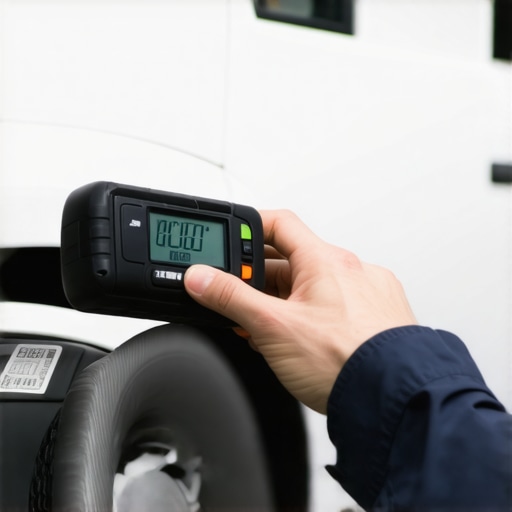
Maintaining your vehicle’s health over the years demands more than just a basic toolkit. Personally, I’ve found that having a high-quality digital wheel alignment caster/camber gauge—like the CRAFTSMAN digital alignment tool—allows me to perform precise adjustments at home, saving time and money. These devices offer digital readouts and adjustable settings, providing accuracy comparable to professional shops. Why limit your vehicle’s longevity to just mechanic visits when you can confirm and troubleshoot your alignment yourself?
Powerful Software for Diagnostic Precision
When it comes to electronic systems, OBD-II scan tools like the BlueDriver Bluetooth Professional OBD2 Scan Tool give real-time insights into engine and transmission issues. I personally rely on this to interpret error codes quickly, especially after a tune-up or part replacement. It connects seamlessly with my smartphone app, offering detailed explanations and repair suggestions—crucial for making informed decisions or when scheduling professional repairs. This proactive approach prevents minor glitches from turning into major headaches down the line, as industry experts suggest.
Regular Maintenance: A DIY Powerhouse
Fluid testing kits for engine oil, transmission fluid, and coolant are game-changers. With a simple test strip, I can assess fluid condition and determine if a change is due, extending the service interval. For example, checking your engine oil’s viscosity and contamination level regularly can prevent engine sludge that compromises performance. Plus, a routine tune-up can be enhanced with these tools, ensuring your car remains reliable over thousands of miles.
Preparation for Future Challenges
Looking ahead, I predict that diagnostic tools will become increasingly integrated with vehicle systems via wireless Bluetooth and IoT tech—making remote diagnostics and software updates common practice. Staying ahead means adopting these trends now, so investing in the latest scan tools and sensors is smart.
How do I maintain transmission or auto repair tools over time?
To ensure longevity and accuracy, clean and calibrate your tools regularly. Keep your scan devices updated with the latest firmware to interpret the newest error codes correctly. Store your diagnostics gear in a dry, organized space, and follow manufacturer instructions for maintenance. This regular upkeep maximizes their lifespan, keeping your troubleshooting precise and dependable—saving you more in the long run. For professional guidance on maintenance, consider reaching out via our contact page.
By investing in advanced tools like digital alignment gauges and state-of-the-art scan software, you’re empowering yourself to diagnose and address issues promptly—just like the pros do. I encourage you to try out a Bluetooth OBD-II scanner and experience how it can transform your DIY car repair routine. Remember, staying proactive with your tools not only preserves your vehicle’s performance but also prevents costly breakdowns down the road.
3 Battles Won and Lessons That Changed My Approach to Transmission Repair
- Realizing the importance of patience and precision over quick fixes transformed my DIY game, preventing costly mistakes and reinforcing that some tasks require professional tools and expertise.
- Understanding that regular maintenance like fluid checks and gentle inspections can uncover issues early, saving time, money, and vehicle health—turning me into a proactive rather than reactive owner.
- Learning to trust my intuition and avoiding shortcuts taught me that investing in proper tools and knowledge yields long-term benefits, emphasizing that mastering foundational skills makes all the difference.
My Go-To Resources for Smarter Auto Care
- CollisionFixer’s Blog regularly offers expert insights on transmission upkeep, DIY tips, and industry trends that keep me informed and confident in my repair decisions.
- Routine tune-up guides help me plan preventative care, ensuring my vehicle runs smoothly and avoids preventable breakdowns.
- OBD-II diagnostic tools like BlueDriver have empowered me with immediate error code readings, turning complex diagnostics into manageable tasks at home or on the go.
- Books like Auto Repair for Dummies provide a solid foundation, demystifying mechanical concepts and boosting my confidence with each project I undertake.
Keep Your Passion Alive and Never Stop Learning
Embracing a proactive attitude toward transmission and auto repair can truly extend your vehicle’s lifespan and reduce dependence on costly professionals. Remember, every challenge you face is an opportunity to learn something new, and each small victory builds towards mastery. The key is to stay curious, equipped, and motivated—because the road to becoming confident in auto repair is paved with continuous learning and practical experience. Don’t let fear hold you back from trying; your future self will thank you for the effort you put in today.
What’s the most valuable lesson you’ve learned from your auto repair journey? Share your story below, or get in touch with us through our contact page to keep growing your skills and confidence in vehicle care.