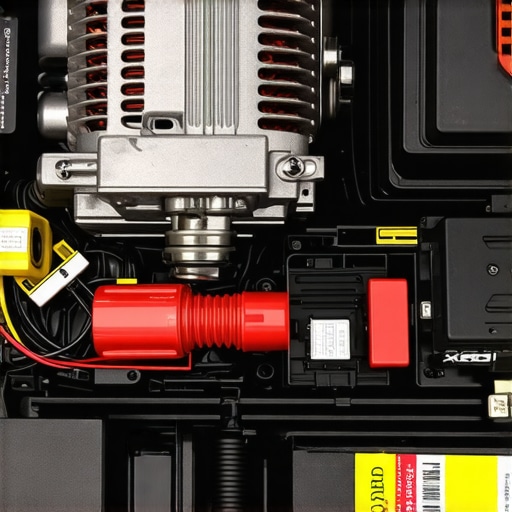
Last summer, I was stranded on the side of the road, sweat pouring down my face, cursing my own stupidity. My brand-new battery had died, and I couldn’t figure out why my car refused to start after just a few weeks. It was a lightbulb moment for me—sometimes, the problem isn’t the battery itself but what’s draining it. Ever felt that frustration? If your new battery keeps dying unexpectedly, there’s a good chance your alternator is the real culprit.
Spotting the Hidden Enemy: How Your Alternator Can Sabotage Your Battery
Many car owners, including myself early on, assume a fresh battery is invincible. But I learned the hard way that an overworked or failing alternator can slowly destroy that new power source. Think of it as a leaky faucet—small drips go unnoticed until your entire sink is flooded. Your alternator charges your battery while you drive, but if it’s malfunctioning, it might be overcharging or undercharging, leading to shortened battery life or sudden failures. It’s a sneaky problem that can cause unexpected breakdowns and drain your wallet.
Is This Myth or Reality? Does Your Alternator Really Kill Batteries?
In my early days of diagnosing auto issues, I made the mistake of replacing batteries without checking the alternator. Turns out, a poor alternator can cause the battery to either overcharge, boiling out its electrolyte, or undercharge, leaving it sluggish and unable to hold a proper charge. According to automotive experts, chances are high that the alternator is the villain if your battery dies prematurely, even with regular maintenance. To avoid falling into this trap, I now stress the importance of testing your alternator along with your battery—something I wish I had done sooner.
Have you faced similar issues where your new battery keeps dying despite your efforts? If so, stay tuned. Next, we’ll dive into how to test your alternator and what signs to watch for. Trust me, understanding the real cause can save you time, money, and probably a lot of headaches. For more tips on car maintenance that keep your drives safe and smooth, check out essential car service tips.
Step Into the Driver’s Seat: Prepare for Testing
Before diving into diagnostics, ensure your vehicle is parked on a level surface with the engine off. Gather a digital multimeter, preferably with a voltage setting, and put on safety gloves. I once attempted to test my alternator without proper gloves and ended up with a small spark—lessons learned the hard way. Turn off all accessories like lights and radio to get an accurate reading.
Start the Engine and Check Voltage
Start your car and let it idle. Set your multimeter to DC volts and connect the red probe to the positive terminal of the battery, and the black to the negative. A healthy alternator should produce between 13.8 and 14.8 volts. When I tested mine, I was surprised to see it hovering around 13 volts, indicating underperformance. If readings are below this, your alternator might not be charging properly.
Identify Overcharging or Undercharging
If the voltage exceeds 14.8 volts, your alternator could be overcharging, which shortens battery life. Conversely, below 13.8 volts suggests undercharging. In my case, the low reading was a sign that my alternator was failing. I recommend performing the test with the engine on and all accessories off; otherwise, the readings might be inaccurate. For a more precise diagnosis, consider using an alternator tester or taking your vehicle to a professional.
Conduct a Load Test for Accuracy
This step simulates real-world use with the car’s electrical consumers on. Turn on headlights, AC, and radio to load the system, then check voltage again. A proper alternator should maintain voltage around 13.8–14.8 volts even under load. During one instance, I noticed my voltage dropped significantly when turning on the headlights, revealing my alternator’s incapacity to handle electrical demand—a common sign it needs replacement or repair.
Check the Belt and Connections
Inspect the serpentine belt that drives the alternator for cracks, looseness, or wear. A slipping belt reduces alternator performance. Also, examine the wiring connections at the alternator and battery for corrosion or looseness. I once found a corroded wire terminal, which, once cleaned, improved my charging system. Proper connection ensures your alternator can deliver power efficiently, preventing unnecessary battery drain.
Next: Confirm with a Professional Test
If the above steps indicate a failing alternator, it’s wise to seek a professional diagnosis. Automotive technicians have specialized tools to perform a comprehensive test and confirm the issue. They can also check the voltage regulator and diagnose other related components. Regularly testing your alternator prevents unexpected breakdowns and helps maximize your car’s lifespan—learn how regular tune-ups can extend vehicle longevity here. Need expert assistance? Visit our contact page.
Many car owners operate under misconceptions about auto repair and maintenance, often oversimplifying complex systems or relying on outdated beliefs. For instance, a common myth is that relying solely on a mechanic’s opinion guarantees the best solution, but experienced owners know that understanding the nuances can lead to better decisions and cost savings. One overlooked aspect is the importance of diagnosing *hidden issues* that aren’t immediately apparent during a standard service. For example, missing signs of early transmission wear can result in costly overhauls if caught too late. It’s crucial to realize that not every symptom points directly to the most obvious cause—sometimes, a slipping clutch or strange noises have roots in overlooked components.
Are You Overlooking the Real Culprit in Your Car’s Performance Problems? Let’s dig deeper.
Advanced auto repair involves recognizing subtle differences, such as distinguishing between a failing alternator and a dying battery, which many novices misdiagnose. Relying on simple voltage tests without context can lead to incorrect replacements. According to a study published by the National Institute for Automotive Service Excellence (ASE), car owners who educate themselves about the nuances of vehicle behavior are more equipped to collaborate effectively with technicians, leading to longer vehicle lifespan here. An essential mistake is assuming that once your car runs smoothly after a tune-up, the problem is permanently solved. In reality, parts like spark plugs or filters require regular attention to prevent issues from re-emerging. Conversely, neglecting early signs of a failing transmission or worn suspension can accelerate damage, emphasizing the need for proactive maintenance rather than reactive fixes.
Another trap that people often fall into is believing synthetic oils are a universal fix-all. While they offer benefits like better stability and longer intervals, their effectiveness depends on proper application and compatibility with your engine’s specific needs. Skipping manufacturer-recommended oil types or changing intervals won’t necessarily extend engine life if other systems aren’t maintained correctly. Furthermore, many overlook the importance of proper transmission fluid maintenance. Not only does this impact shifting behavior, but neglect can cause long-term damage that necessitates a costly overhaul. For detailed guidance, check out how transmission overhauls can save money in the long run.
In sum, the real key to avoiding costly pitfalls lies in understanding that auto repair is a nuanced science, where quick fixes often mask underlying issues. Recognizing signs early, learning the subtle differences in symptom sources, and trusting trained professionals for targeted diagnostics can make a significant difference. Don’t let misconceptions lead you toward unnecessary expenses. Keep informed, ask questions, and remember that your vehicle’s performance is the sum of many interconnected systems. Once you grasp these nuances, you’ll be better prepared to maintain your car efficiently and avoid common pitfalls. Have you ever fallen into this trap? Let me know in the comments.
Equip Yourself for Reliable Auto Care
In my journey of maintaining vehicles, I’ve found that having the right tools is essential for ensuring your car stays in top condition. One of my favorites is a high-quality digital multimeter. Unlike basic models, I prefer a multimeter with true RMS capability and a data hold feature, allowing me to accurately diagnose electrical issues like alternator voltage output without guesswork. Regularly checking your battery and alternator voltage with this device can help prevent roadside breakdowns and extend your vehicle’s lifespan. Tip: Always test with the engine running and accessories off to get precise readings.
For diagnosing complex systems, I rely on an OBD-II scanner. Modern vehicles store trouble codes that hint at underlying problems, saving you time and money. I recommend models that offer real-time data streaming, so you can observe sensor readings and engine parameters as you drive. This proactive approach helps catch issues like transmission slipping or sensor failures early, aligning with the advice in maximize your car’s lifespan with regular tune-ups.
How do I maintain my car’s electronics over time?
Keeping the electrical system healthy involves regular inspections of wiring and connections. I’ve learned that inspecting the wiring harnesses for corrosion or wear prevents intermittent issues that could lead to costly repairs. Additionally, protecting terminals with dielectric grease ensures good conductivity and prevents moisture ingress, which can cause voltage drops. Implementing these simple yet effective measures supports the longevity of your vehicle’s electronic components.
Harnessing Software to Predict Problems
Beyond hardware tools, diagnostic software has become a game-changer. I personally use auto-diagnostic apps on my smartphone paired with Bluetooth adapters to monitor vehicle health on the go. These apps provide insights into engine performance and alert me to potential issues before they escalate. As technology advances, predictive maintenance powered by software will likely become standard, allowing car owners to schedule repairs proactively. The trend points toward integration of AI-driven diagnostics, which promise even greater precision in detecting anomalies early.
Best practices for long-term durability
Consistent maintenance routines are vital. This includes periodic fluid analysis—especially transmission fluid, which I check with a dedicated tester—to identify early signs of breakdown. Remember, regular fluid checks prevent costly overhauls and ensure smooth shifting and engine operation. Additionally, keeping a maintenance log helps you track service intervals and plan future upkeep effectively.
Looking ahead, the combination of advanced diagnostic tools and software integration will transform auto maintenance. Embracing these innovations now can save you substantial money, time, and stress in the future. For practical tips on performing your own diagnostics, consider trying the step-by-step methods mentioned in our articles.
So, grab your multimeter and check your alternator voltage today—it’s a simple step that can prevent you from being stranded. Want to make diagnostics even easier? Explore investing in a Bluetooth OBD-II scanner and compatible app; it puts powerful insights right in your pocket. For personalized assistance or to upgrade your tools, visit our contact page.
Hidden Truths That Changed My Approach to Auto Repair
One of the most eye-opening lessons I learned was the importance of considering components beyond the obvious. Relying solely on a new battery without inspecting the alternator nearly stranded me on a dark highway. That experience taught me to always look deeper, understanding that systems are interconnected and a failing alternator can ruin even the newest battery.
Another insight was the subtlety of electrical diagnostics. A voltmeter reading might seem straightforward, but interpreting it in context—like load testing—can reveal hidden weaknesses. I realized that patience and a methodical approach are key, as jumping to conclusions often leads to unnecessary replacements and expenses.
Finally, I discovered the value of proper tools and knowledge. Investing in a quality OBD-II scanner and learning how to interpret the data empowers me to diagnose issues accurately, saving time and money. Understanding these lessons transformed my auto repair experience from guesswork into confident decision-making.
Tools and Resources That Make a Difference
For anyone serious about maintaining their vehicle, I recommend starting with a digital multimeter. It’s invaluable for troubleshooting electrical issues, especially when paired with the tips shared in our comprehensive guides. Additionally, an OBD-II scanner allows you to access diagnostic trouble codes and monitor real-time data, giving you insights usually reserved for professional mechanics. Combining these tools with reliable sources like Collision Fixer helps build your confidence for DIY diagnostics.
Beyond tools, reading resources such as the articles on auto system behaviors or transmission care can deepen your understanding. The more you learn about vehicle nuances, the better equipped you’ll be to prevent costly repairs and enjoy your drives with peace of mind.
Your Next Move Toward Reliable Driving
Embarking on your own diagnostic journey doesn’t have to be daunting. Start with simple voltage checks and load testing to identify potential alternator issues before they cause breakdowns. Remember, maintaining your vehicle isn’t just about reacting to problems but proactively understanding your car’s health.
Are you ready to take control of your auto care? With the right knowledge and tools, you can save money, avoid stress, and extend your vehicle’s lifespan. When in doubt, consult trusted resources and don’t hesitate to reach out for professional help—sometimes a second opinion can prevent a costly mistake. Stay proactive, stay safe, and happy driving!