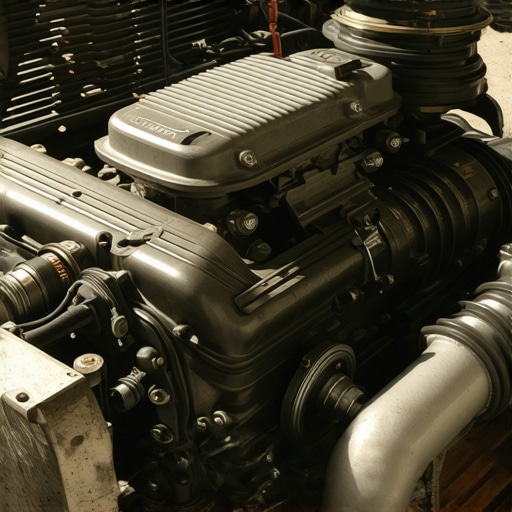
I remember that sinking feeling when my car started making strange sputters just as I was pulling onto the highway. One minute, I was cruising along, and the next, my engine sputtered to a halt. It was an honest wake-up call that my fuel pump was on its last legs. If you’ve ever experienced a sudden loss of power or a mysterious stalling in the middle of nowhere, you know how unsettling it can be. These moments are more than just inconvenient—they can lead to hefty repairs or even dangerous roadside situations.
Why Recognizing the Signs Early Can Save Your Day—and Your Wallet
Detecting the subtle hints of a failing fuel pump isn’t about guessing; it’s about noticing the tiny warning signs before they escalate into costly breakdowns. Your fuel pump is responsible for delivering the right amount of fuel to your engine, and when it starts to fail, the symptoms can sneak up on you. Being proactive means you can plan repairs instead of being stranded. According to mechanics, early detection of fuel pump issues can prevent engine stalls, improve fuel efficiency, and extend your vehicle’s lifespan.
You Might Be Skeptical—Is It Really That Simple?
I’ll admit, when I first learned about these warning signs, I dismissed them as normal wear and tear. My mistake was ignoring the early hiccups—like difficulty starting or odd noises—and thinking they’d just pass. But skipping these signs only made the problem worse. That’s why I recommend paying attention to your car’s behavior and, if you’re unsure, consulting a trusted mechanic. To keep your vehicle running smoothly, consider checking out
top signs your car needs expert auto repair now.
Understanding these early indicators sets the stage for preventive maintenance, which is often far less expensive than emergency repairs. Now, let’s dive into how you can spot these signs yourself and catch trouble before it leaves you stranded. Have you ever had a close call with a sudden fuel pump failure? If so, you’re not alone. Let’s explore how to avoid that nightmare altogether.
Get Hands-On: How to Check Your Fuel Pump
Start your troubleshooting by listening for the pump’s hum when turning the ignition to the “On” position. If there’s no sound, it might be silent or the pump isn’t receiving power. Use a test light or multimeter to verify voltage at the pump connector, ensuring your vehicle’s electrical system is delivering current. I once had my wife turn the key while I checked voltage; discovering no power led me to inspect the relay and fuse, which were blown. Replacing blown fuses and testing relays can quickly rule out simple electrical issues.
Locating the Fuel Pump Without a Sweat
Most fuel pumps are located inside the gas tank, accessible via the rear seat or trunk floor panel. Before diving in, disconnect the negative battery terminal to prevent electrical shorts. Remove the access panel—usually held with screws—and carefully disconnect the fuel lines and electrical wiring. Remember, fuel lines can be under pressure; use rags to catch drips. When I replaced my pump, I documented each step with photos—this saved me when reassembling later and avoided missing any clips.
Replacing the Fuel Pump Methodically
Unbolt the pump assembly from the tank, noting its orientation for precise reinstallation. Set the new pump in place, reconnect all hoses and wiring, and secure the assembly with the original screws. Fill the tank with a little fuel to act as a cushion and prevent static buildup. I once neglected this step and had a minor static shock when reconnecting wires—an easy mistake to avoid. After reassembling, reconnect the battery, turn the ignition on, and listen for the pump priming. If you hear the hum, start the engine to confirm proper operation.
Double-Check for Successful Repair
Observe engine performance—any stalling, hesitation, or power loss might indicate an issue. Use a scan tool to check for any stored error codes related to fuel delivery or pressure. If problems persist, revisit your connections or seek professional help, as sometimes issues can be hidden deeper in the fuel system. Remember, routine maintenance like fuel filter replacement can prolong your pump’s lifespan, so consider scheduling an appointment with a trusted mechanic or visiting a reliable auto repair shop.
Prevent Future Failures With Regular Checks
Implement a schedule for inspecting fuel system components, especially if you notice performance dips or fuel efficiency drops. Using high-quality fuel and maintaining clean filters can also reduce strain on your pump. If you’re unsure about the health of your vehicle’s fuel system, refer to detailed tips at essential car service tips. Staying proactive now can keep you from stranded moments later—an ounce of prevention beats a mile of repair.
Many car owners believe that transmission repairs are simple, one-time fixes, but in reality, there are often overlooked nuances that can make a significant difference in your vehicle’s lifespan. A common myth is that transmissions are foolproof and only need attention when they fail completely. However, expert insights from the Industry reveal that proactive maintenance, like regular fluid checks and understanding subtle shifting behaviors, can prevent costly overhauls and extend the life of your transmission. One trap to avoid is relying solely on quick fixes or silicone sprays, which only mask symptoms rather than address root causes, leading to long-term damage. Advanced drivers know that paying attention to shifting smoothness, delayed gear engagement, or unusual noises can signal impending issues—acting early saves money and stress. For example, using transmission overhaul insights can help you decide whether a partial repair or a full overhaul benefits you. Now, here’s a question for the experienced: How do you differentiate between minor fluid leaks and serious internal damage? Noticing subtle signs, like a slight slipping or erratic shifting, combined with fluid inspection under proper guidance, can reveal more than you might think. Studies indicate that neglected transmissions can cause engine strain and decrease fuel efficiency, emphasizing why regular tune-ups are vital. Transitioning to routine checks and understanding the intricacies of auto repair processes ensures you’re not just fixing problems after they surface but preventing them altogether. For instance, excessive heat or contaminated fluid can silently erode transmission components—so don’t ignore temperature fluctuations or dirty fluid. If you’re eager to learn how to better maintain your vehicle, visit essential car tips to stay ahead of potential issues. Have you ever fallen into this trap? Let me know in the comments.Maintaining your vehicle’s performance over time requires more than just routine oil changes; it demands the right tools, a bit of know-how, and a proactive mindset. One key aspect is investing in quality diagnostic equipment like an OBD-II scanner. I personally rely on the Autel MaxiScan MS300 because it’s portable, user-friendly, and provides detailed codes, helping me identify issues before they escalate. Additionally, a reliable set of hand tools—such as a torque wrench, screwdrivers, and pliers—are indispensable during tune-ups or repairs. I always opt for the GearWrench flex head torque wrench because of its precision and comfort, which makes engine work less taxing. For fluid management, a digital multimeter is essential; I use the Fluke 117 for its durability and accurate readings, ensuring my electrical systems are in optimal condition. Looking ahead, I predict that diagnostic tools will become even more integrated with smartphones and cloud-based data, offering real-time insights and maintenance alerts.
To keep your car running smoothly, consistency is key. Schedule regular inspections of belts, hoses, and filters—using tools like a USB borescope camera can help you spot hidden issues, such as cracks or leaks, without removing components. Remember, addressing minor problems promptly not only extends the lifespan of your vehicle but also saves you money in the long run. How do I maintain my vehicle over time? I set reminders for scheduled services and commit to paying attention to subtle changes in driving behavior, which often signal underlying issues. For example, if you notice a slight hesitation or unusual noise, don’t wait until it becomes a major repair.
Stay ahead by using tools correctly—like a good tire pressure gauge to maintain optimal inflation levels, which improves fuel efficiency and tire longevity. Personally, I recommend the Joeson digital tire gauge because of its ease of use and digital display. For long-term results, keep detailed records of maintenance work, use quality replacement parts, and always refer to manufacturer guidelines. If you’re unsure about the health of your vehicle, consult trusted resources or schedule a check-up at your local auto repair shop. Remember, investing in the right tools and a disciplined maintenance routine ensures your car remains dependable for years to come.
The Hidden Truth About Auto Repair That No One Tells You
Over the years, I’ve realized that the biggest lessons in vehicle maintenance come from unexpected moments—like that sudden engine sputter or a mysterious leak. These experiences taught me to pay closer attention, trust my instincts, and never overlook subtle signs. Sometimes, the most critical insights emerge not from the manuals but from real-world trial, error, and reflection. Embracing these lessons has enabled me to save money, avoid breakdowns, and gain confidence in my ability to troubleshoot issues before they become emergencies.
My Secret Weapon for Staying Ahead of Car Problems
What truly changed my approach was investing in quality diagnostic tools—like a reliable OBD-II scanner and a sturdy torque wrench. These tools empower me to identify what’s wrong at home, saving time and avoiding unnecessary visits to the shop. For instance, I trust the Autel MaxiScan MS300 for quick readings and accurate diagnostics. Consistently maintaining a toolkit like this ensures I’m ready for most repairs, from checking fuel pressure to adjusting a sticking clutch. Learning to use these tools opened my eyes to the importance of proactive vehicle care, beyond just filling up with gas and changing oil.
Your Turn to Take Control of Auto Care
Remember, the road to reliable driving doesn’t have to be daunting. With just a little knowledge, the right tools, and a proactive mindset, you can keep your vehicle running smoothly and avoid costly surprises. Start by paying attention to your car’s subtle signals—strange noises, performance dips, or odd smells—and act early. Your vehicle will thank you with fewer breakdowns and a longer lifespan. So, are you ready to take your auto maintenance into your own hands and become the hero of your own vehicle story? Share your experiences or questions below—I’d love to hear them!