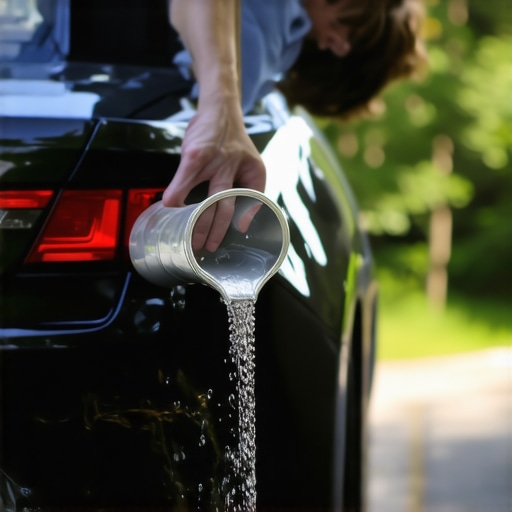
I’ll never forget the sinking feeling I got when I saw that tiny dent on my car door after a unfortunate parking lot mishap. I’d already taken it to a shop, expecting an expensive repair, only to find out later that I could fix it myself with a trick I stumbled upon—hot water! That moment of realization was a lightbulb for me; if a small dent can often be fixed with just household items, why spend hundreds at the body shop?
How Hot Water Can Save Your Day
In this guide, I’ll walk you through a simple, cost-effective method to pop out minor dents on your car using something as basic as hot water. Yep, hot water! Many DIY enthusiasts swear by it, and after my own experience, I can tell you it works wonders. Not only does it save money, but it also empowers you to handle those little dings before they turn into more significant issues or rust spots. Plus, it’s a quick fix—sometimes within minutes, you can see a noticeable difference.
Is This Method Actually Worth the Hype?
Now, I know what some of you are probably thinking: “Does hot water really fix dents?” Well, I made the mistake early on of applying this technique without proper research, rushing to the water source and then wondering why it didn’t work. The truth is, the success depends on the size and type of the dent. But if you’ve got a small, shallow dent, hot water can loosen the plastic enough for you to massage it back into shape. It’s a method trusted by many in the DIY auto repair community, and I’ve personally found it to be surprisingly effective.
According to automotive repair experts, using heat to soften plastic panels makes them more pliable, allowing for easier reshaping. Just remember, this method isn’t suitable for major dents or creases, but it’s a fantastic trick for those minor imperfections that bother you every time you glance at your car.
Have you ever faced a small dent that just wouldn’t seem worth the professional fix? If so, this might be just the trick you’ve been looking for. Let’s dive into how you can do it safely and effectively, avoiding common mistakes that could make things worse.
Ready to bounce back your car’s smooth surface with a simple household hack? Grab some hot water, and let’s get started!
Prepare Your Materials and Find the Right Spot
First, locate the dent you want to fix. Use a flashlight to examine its size and depth. Gather a pot of water, a bucket, a pair of gloves, and a plastic mallet or your hands. Remember, safety first—hot water can cause burns, so wear gloves. Use an old kettle or a large pot to boil water. I once tried fixing a small dent on my trunk with just hot tap water, but it was ineffective because the water wasn’t hot enough. That taught me to always start with boiling water for better pliability.
Heat the Plastic to Make It More Flexible
Pour boiling water into a basin and carefully dip the affected area for about 30 seconds to a minute, ensuring the plastic becomes soft and pliable. Take your gloves and quickly pour the hot water over the dent, or dip a cloth into the boiling water and apply it directly to the panel. I recommend doing this step carefully; I once burned my fingers because I underestimated the heat, but once I got it right, the plastic softened immediately, giving me the chance to reshape it.
Be patient and test the pliability
After pouring the hot water, gently test the flexibility of the panel by pressing around the dent with your fingers or a soft tool. The metal or plastic should yield easily. If it feels firm, re-dip the area in hot water for longer. I remember once I didn’t warm the panel enough and struggled to reshape it—repeating the hot water treatment made a world of difference.
Reshape the Dent Using Gentle Pressure
Once the panel is soft, use your hands, a soft cloth, or a plastic tool to gently push the dent back from the inside. Think of it as pushing out a bubble from a balloon—gently coax it to its original shape. I once had a small dent on my car’s quarter panel; pushing it from the inside with my hands after warming it up got it almost perfect, saving me costly repairs.
Cool it Down to Set the Shape
Once you’ve pushed out the dent, rinse the area with cold water to quickly cool the panel and help it retain the new shape. The rapid cooling contracts the plastic, setting it in place. I usually use a bottle of cold water from the fridge for this step, which helps prevent the plastic from reverting to its dented form. This quick cooling solidifies the correction and ensures the plastic stays in its reshaped position.
Repeat if Necessary and Final Touches
If the dent remains visible, repeat the heating and reshaping process. Sometimes, multiple rounds yield the best result. Be cautious to avoid overheating the paint, which could crack or peel. For small imperfections, this method can produce remarkable results, often leaving the car looking much better than before. Remember, this trick is best suited for minor, shallow dents—deep creases might require professional repair. If in doubt about the technique or your car’s paint, consider consulting an expert through Collision Fixer. Additionally, for tips on maintaining your vehicle’s overall health, explore essential car service tips for safe summer drives.
Many car owners believe they know what it takes to maintain their vehicles, but some widespread myths can actually lead to costly mistakes. One of the most persistent misconceptions is that sticking to a rigid routine—like always changing the oil every 3,000 miles—is enough to keep a car running smoothly. However, modern engines and synthetic oils have significantly extended recommended service intervals, and blindly adhering to outdated schedules can be unnecessary and wasteful. Consulting a qualified mechanic or referring to your vehicle’s manual ensures you’re following the most effective maintenance plan.
Why Skipping Scheduled Maintenance Might Backfire for High-Performance Cars
For those driving high-performance or luxury vehicles, neglecting regular inspections or service can jeopardize complex systems like transmissions and turbochargers. Many owners mistakenly assume that premium cars require less attention, but in reality, these vehicles often demand meticulous care to prevent issues that can escalate rapidly and become expensive. Regularly inspecting transmission fluid levels, an often overlooked aspect, is critical. According to automotive experts, neglecting transmission maintenance can lead to early wear, slippage, and even costly overhauls. For detailed guidance, visit this resource.
Another common mistake is assuming that all auto repairs are equal—particularly in the realm of DIY fixes. Applying generic solutions, like lubricating a squeaky belt or adding a stop-leak product without proper diagnosis, can sometimes do more harm than good. For example, seeking quick fixes for transmission issues without understanding the root cause may mask symptoms but worsen the problem in the long term. Engaging with true professionals ensures that repairs target the source instead of just the symptoms. Consider reaching out to auto repair experts for personalized advice.
Are Your Car’s Electronic Systems Sabotaging Maintenance Efforts?
In today’s vehicles, electronic systems play a central role in diagnostics and maintenance alerts. But many owners dismiss warning lights as minor glitches, ignoring the fact that underlying sensor failures or wiring issues can cause these signals to become unreliable. Overlooking this nuance risks missing early signs of serious problems such as ABS or transmission sensor failures. As indicated by industry research, neglecting electronic diagnostics can result in unanticipated breakdowns or safety hazards. Regularly testing and verifying sensor accuracy is essential—don’t just reset warning lights blindly. Read more about common sensor problems at this detailed article.
Finally, many car owners underestimate the impact of climate and driving habits on maintenance schedules. Harsh conditions or aggressive driving can increase wear on transmission components, requiring more frequent service than standard intervals. Staying proactive with inspections can prevent minor issues from turning into major failures. If you suspect your vehicle is underperforming, it’s wise to consult experts who understand these nuances. You can get tailored advice or schedule a thorough check-up at Collision Fixer.
Remember, effective auto care involves understanding beyond the basics—recognizing these subtleties can save you money, extend your vehicle’s lifespan, and keep you safe on the road. Have you ever fallen into any of these traps? Let me know in the comments!
Maintaining your vehicle’s health over time requires more than just routine visits to the shop. Investing in the right tools and developing good habits can significantly extend your car’s lifespan and improve performance. My personal toolkit includes a high-quality digital code reader, which I use to quickly diagnose electronic issues before they become costly problems. For instance, I rely on the OBD-II scanner that provides immediate insights into engine troubles, saving me time and money.
Another essential tool I recommend is a set of torque wrenches. Proper torque application during repairs prevents damage and ensures components like transmission and suspension parts are correctly assembled. I personally use a digital torque wrench from a trusted brand, as it offers more precise readings, especially useful for delicate parts needing specific torque settings.
In terms of software, I swear by repair manuals that are accessible digitally, such as
online repair guides. Having instant access to detailed diagrams and troubleshooting steps often makes DIY maintenance more manageable and effective.
Looking ahead, the trend toward smart diagnostic tools integrated with your smartphone is set to grow. Imagine real-time alerts about transmission health or fluid levels sent directly to your device, enabling preemptive maintenance rather than reactive repairs. Embracing these innovations can place you steps ahead in maintaining your vehicle efficiently.
How do I maintain my car’s performance over time?
Regularly checking fluid levels, inspecting belts, and monitoring warning lights are fundamental. But to truly optimize, I recommend scheduling periodic tune-ups, which I detail in a comprehensive guide. The benefit of staying proactive with these steps is not just a smoother ride, but also fewer surprises when you need repairs. For complex issues like transmission trouble, don’t hesitate to reach out to professionals—timely consultation can save you from costly overhauls. Learn more about how transmission maintenance can save you money in the long run.
Then there’s the importance of cleaning and protecting your car’s surfaces with quality products. Regular waxing, for example, shields your paint from environmental damage and rust. I use a specialized ceramic coating that enhances durability and makes cleaning easier. Check the latest trends in protective coatings and decide whether it’s a worthwhile investment for you.
Finally, maintaining electronic components is crucial. Check your battery connections and sensor health periodically. A failing sensor can lead to false warning lights or worse, driveability issues. For troubleshooting tips, see this expert guide.
To give your vehicle a long, healthy life, incorporate these tools and practices into your routine. Starting with a quality code reader and a torque wrench will give you immediate benefits, and exploring modern diagnostic apps can keep you ahead of future challenges. Why not try calibrating your oil levels with a smart sensor or checking your transmission’s health with an advanced scanner? Small efforts now pay off later, ensuring your car remains dependable for years to come.
The Hidden Gems Behind DIY Auto Repairs That Changed My Approach
- I realized that patience and gentle pressure often trump rushing to a professional for minor dents, saving me hundreds and boosting my confidence in handling vehicle issues.
- Understanding the materials—plastic vs. metal—shaped my expectations and helped me choose the right tricks, like hot water, rather than unnecessary repairs.
- Listening to industry experts and personal trial-and-error taught me that not every fix is one-size-fits-all; tailoring techniques to the specific problem is key.
- Recognizing my limits reminded me that some issues, especially those involving complex electronics or deep structural damage, warrant professional attention through auto repair specialists.
- Being resourceful with household items like boiling water transformed my approach to minor car inconveniences and made me less dependent on costly services.
My Toolbox for Smarter Car Maintenance and Repairs
- The reliable OBD-II scanner has been a game-changer for diagnosing electronic issues early, preventing costly repairs.
- A high-quality torque wrench ensures that I tighten bolts to manufacturer specifications, vital for safe and effective repairs.
- Online repair manuals and guides, like digital auto repair resources, keep me informed and confident during DIY tasks.
- Smart diagnostic apps are on my radar for real-time vehicle health monitoring, offering proactive insights that help me stay ahead of potential problems.
Take Charge of Your Vehicle’s Future Today
Empower yourself with knowledge and the right tools to keep your car running smoothly for years to come. Remember, even small efforts, like fixing a tiny dent with hot water, can lead to big savings and a greater sense of control over your vehicle’s health. Don’t hesitate to start exploring DIY solutions cautiously and always know when to turn to professionals. Your car and your peace of mind will thank you. Curious—have you ever tried a simple fix that surprised you? Share your experiences below and let’s learn together!