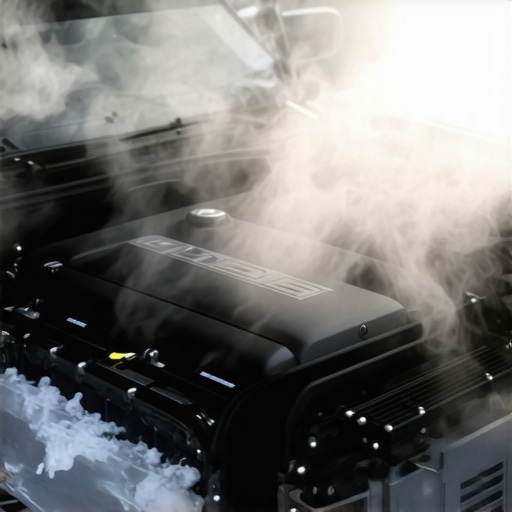
If you’ve ever started your car on a chilly morning and immediately wondered if you had accidentally jumped into a truck, you’re not alone. That rattling, clattering noise that seems to shake the entire engine bay can be downright unsettling. I remember the first time it happened to me—an ominous low growl that made me think my engine was about to keel over. Turns out, this is a common issue, and there’s more to it than just a rough morning start.
Why Does My Car Make a Diesel-Like Noise When Cold?
This peculiar sound often shows up during those brisk mornings when the engine’s cold and the oil hasn’t fully circulated. Essentially, the engine is working harder than it should because of thickened oil and minor combustion inefficiencies. Think of it as your car’s way of waking up slowly—it’s not happy, and it shows it through that gritty noise. I found out the hard way that ignoring this can lead to more significant problems later on, especially if the noise persists after the engine warms up.
But here’s the kicker: this isn’t necessarily a sign of impending disaster. Often, it’s just the engine’s way of saying, “Hey, I need a little help.” With a few simple checks and regular maintenance, you can reduce or even eliminate that diesel-like symphony when starting up in cold weather.
Is it really worth worrying about this noise?
Early in my repair journey, I made the mistake of dismissing the rough start as just an unavoidable cold-weather nuisance. That oversight cost me more time and money because I didn’t address worn spark plugs or aging engine oil promptly. This experience taught me that understanding the cause is crucial. If you’re wondering whether the noise is just a quirk or a sign of something more serious, check out these signs your vehicle needs expert repair. Recognizing early warning signs can save you from a costly breakdown later.
Now, if you’re tired of that unsettling growl every morning, stay tuned. I’ll walk you through the common causes and practical solutions to get your engine running smoothly—and quietly—when the temperature drops.
,
Inspect and Change Old Engine Oil
Start by checking your engine oil level and quality. Thick, dull oil can cause increased friction when cold, resulting in that diesel-like noise. Drain the old oil using a wrench, replace the oil filter, and refill with fresh, manufacturer-recommended oil. I once had a stubborn cold-start noise, and a simple oil change made it disappear within days.
Examine Spark Plugs and Ignition System
Worn or dirty spark plugs can misfire during cold starts, contributing to rough, noisy engine operation. Remove the spark plugs with a spark plug socket, inspect for corrosion or wear, and replace if necessary. Using anti-seize on the threads during reinstallation ensures easier future maintenance. I replaced a set of spark plugs myself and felt an immediate reduction in noise during cold starts.
Assess Cold-Start Fuel System Components
Fuel injectors and cold start valves must supply the right amount of fuel to start the engine smoothly. Use a fuel system cleaner additive, or have a mechanic perform a professional cleaning. While cleaning my fuel injectors, I noticed my engine started quieter and more smoothly on cold mornings.
Check Drive Belts and Tensioners
Loose or worn belts can slip or wobble during cold starts, creating rattling noises. Visually inspect the serpentine belt and timing belts for cracks or fraying. Use a belt tension gauge to verify proper tension—if loose, tighten or replace. Once, I replaced a worn serpentine belt, and that nasty growl vanished.
Ensure Proper Engine Mounts and Hoses
Vibrations and rattling might be linked to deteriorating engine mounts or loose hoses. Visually inspect mounts for cracks and stiffness. Tighten loose clamps on hoses, especially those connected to the intake and coolant systems. Replacing a broken engine mount earlier prevented further vibration issues during cold starts.
Test the Battery and Charging System
A weak battery or alternator can impair engine start-up and cause noise. Use a multimeter to check voltage—aim for around 12.6V when off and 13.7–14.7V when running. Replace aging batteries promptly; I upgraded to a higher-capacity battery and noticed less engine hesitation and noise.
Monitor and Maintain Proper Oil Viscosity
In colder climates, use oil with suitable viscosity, like 0W-20 or 5W-30, for smoother flow during cold starts. Consult your vehicle manual and consider switching during winter. Switching to a thinner oil in winter months made my engine start instantly and quietly, even at sub-freezing temperatures.
Regular Tune-Ups Keep Noise at Bay
Schedule periodic tune-ups to keep engine components in optimal condition. This proactive approach can prevent noisy starts and prolong engine life. I learned that consistent maintenance, including airflow and fluid checks, saves money in the long run. For comprehensive tips, visit this guide.
Seek Professional Help When Necessary
If you’ve attempted these fixes and the noise persists, consult a qualified mechanic. Persistent engine noise might indicate deeper issues like worn piston rings or valve problems, which require expert diagnosis. Recognizing when to call the pros can prevent costly repairs down the road. Check here for symptoms that need professional attention.
In the world of auto repair, many believe that simply knowing the basics guarantees a reliable fix. However, this misconception can lead drivers astray, especially when it comes to collision repair and routine tune-ups. A common myth is that all repair shops are equal, but in my experience, the signs your car needs expert repair often point to underlying issues that amateur repairs overlook.
Why the Basics Aren’t Enough for Long-Term Reliability
Many car owners focus solely on superficial fixes—like replacing a damaged bumper or topping off fluids—assuming these actions will keep their vehicle in perfect shape. But as I’ve learned from years of regular tune-ups and deep diagnostics, overlooking the hidden nuances—such as transmission health or advanced sensor calibration—can drastically shorten your car’s lifespan. For example, neglecting to check the state of your transmission during routine service can lead to expensive overhauls down the line.
It’s tempting to trust a quick fix or a cheap repair, but the erroneous assumption that a quick patch fixes an underlying problem is a trap many fall into. This is akin to treating the symptom and ignoring the root cause—a mistake that can cost hundreds or thousands later. In fact, expert mechanics often emphasize the importance of inspecting transmission behavior at specific speeds to diagnose hidden faults.
Don’t Fall for the Cheap Fix Trap
Another common misconception is that DIY repairs or cheap parts can substitute professional service. I’ve seen countless cases where a poor-quality respray or a subpar component led to premature failure. True, cutting costs might seem attractive initially, but the long-term cost often makes it a false economy. Skilled technicians know that proper car service involves precise calibration, advanced diagnostics, and using OEM parts for durability and safety.
Furthermore, a significant oversight is underestimating the importance of transmission maintenance. Many drivers believe that once a vehicle runs, it doesn’t need attention—yet, regular transmission fluid changes and inspections can prevent costly rebuilds. Skipping these steps is a silent mistake that could leave your vehicle stranded or require a full overhaul unnecessarily.
How Do Experts See These Nuances?
Experts in auto repair—and the research backing them—agree that a comprehensive diagnostic approach is indispensable. Studies show that early detection of transmission issues saves substantial money and enhances vehicle lifespan. Recognizing the subtleties—like slight vibrations or odd noises during specific conditions—can make all the difference. These small cues often reveal hidden problems that a casual observer might dismiss.
In conclusion, understanding these hidden nuances elevates your perspective beyond surface-level fixes. It’s about adopting an approach that respects the complexity of modern vehicles, from suspension concerns to automatic transmission issues. Remember, a well-maintained car isn’t just about avoiding breakdowns; it’s about peace of mind and long-term savings. Have you ever fallen into this trap? Let me know in the comments and share your experience with hidden repair pitfalls.
Gear Up with Precision Diagnostics
When it comes to maintaining your vehicle over time, investing in quality diagnostic tools can save you both time and money. Personally, I rely on a bi-directional scanner like the AUTEL MaxiSYS because it provides real-time data and active test functions, allowing me to pinpoint issues such as transmission faults or sensor malfunctions more accurately. Unlike generic code readers, this device communicates deeply with your vehicle’s ECU, offering insights into hidden problems before they escalate. Using such tools regularly ensures you catch minor issues early—helping maintain optimal performance and preventing costly repairs—especially as cars become more complex with each model year. Prediction suggests that future diagnostic tools will increasingly incorporate AI and cloud connectivity, enabling even more accurate and proactive maintenance strategies.
Master the Art of Routine Checks with Apps
In addition to physical tools, smartphone applications like Car Minder Plus help track maintenance schedules, oil changes, and alert you to upcoming service needs. I personally use this app to remind me of tire rotations and transmission fluid replacements—actions proven to extend vehicle life. These digital aids are becoming invaluable as vehicles incorporate advanced sensors and diagnostics, making regular oversight more accessible. Staying ahead with these tools means your car remains reliably safe and efficient, whether you’re cruising city streets or heading out on long road trips.
Embracing Long-Term Maintenance Strategies
Long-term car upkeep isn’t just about quick fixes; it’s about consistent, informed care. For instance, implementing a transmission maintenance plan—including regular fluid changes and system inspections—can significantly reduce the risk of overhauls. Personally, I schedule semi-annual tune-ups with a trusted mechanic, focusing on critical components like belts, hoses, and fluid levels. This proactive approach keeps my vehicle performing optimally, avoiding the common pitfalls of neglecting transmission and engine health. As automotive technology advances, the integration of predictive maintenance software will allow for even more personalized and precise car care, minimizing breakdowns before they happen.
Where Do I Keep My Maintenance Up to Date?
One question I often get is, “How do I maintain my vehicle over time without feeling overwhelmed?” The answer lies in creating a structured maintenance plan tailored to your driving habits and vehicle specifications. Using diagnostic tools to monitor key systems, coupled with calendar reminders and professional inspections, creates a layered defense against unexpected failures. Remember, the key to long-term reliability is consistency. If your vehicle starts exhibiting signs like unusual noises, vibrations, or slipping, it’s crucial to address these issues immediately—early detection backed by proper tools can save you from costly repairs later. Check out these signs your car needs expert auto repair and incorporate a diagnostic routine into your annual maintenance schedule.
Over the years, I’ve realized that a quiet start isn’t just about comfort—it’s a window into your car’s health. Waking up your vehicle with a soft hum instead of a gritty growl can save you time, money, and stress. The key lies in understanding the subtle lessons your engine whispers during those chilly mornings.
The Unexpected Insights Hidden in Your Engine’s Cold Welcome
- Listening closely, I learned that persistent cold-start noises often indicate overlooked issues, like worn spark plugs or neglected fluids. Addressing these early transformed rough mornings into smooth starts, illustrating that minor tweaks have major rewards.
- Investing in quality diagnostic tools revolutionized my approach. Recognizing patterns—like slight vibrations or odd smells—armed me with knowledge to catch problems before they escalate, turning guesswork into precision care.
- Embracing proactive maintenance, I found, is like giving your engine a daily health checkup. Simple actions like switching to winter-friendly oils and scheduling regular tune-ups foster confidence that my car is prepared for anything.
- Building a reliable maintenance routine with trusted resources not only extended my vehicle’s lifespan but also cultivated peace of mind, reminding me that consistency beats quick fixes every time.
- Understanding when professional help is essential became a turning point. Recognizing subtle cues and knowing the limits of DIY can prevent costly repairs—it’s about knowing when to call in the experts.
My Arsenal for Staying Ahead in Auto Care
- Using advanced diagnostic tools like the AUTEL MaxiSYS has been a game-changer. Their ability to communicate deeply with the ECU uncovers hidden issues less perceptible to the naked eye, offering peace of mind on every drive.
- Remembering to utilize apps such as Car Minder Plus ensures I never miss critical maintenance tasks. These digital aids keep me proactive, saving me from surprises and unnecessary expenses.
- Following expert-curated guides, like those on collisionfixer.com, has enhanced my understanding. These resources demystify complex systems, empowering me to make informed decisions about my vehicle’s future.
- Regular visits to skilled mechanics for comprehensive check-ups ensure I maintain a balanced approach—combining technology with professional insight for optimal results.
Charge Your Drive with Empowering Action
Every car owner can transform their relationship with their vehicle by paying attention to those early signs and investing in quality care. Switching to season-appropriate oils, harnessing diagnostic tools, and scheduling consistent tune-ups are small steps that yield big dividends. Your journey to a quieter, more reliable engine begins now—are you ready to embrace it? Share your experiences or questions below, and let’s keep the conversation rolling towards better car care!
,