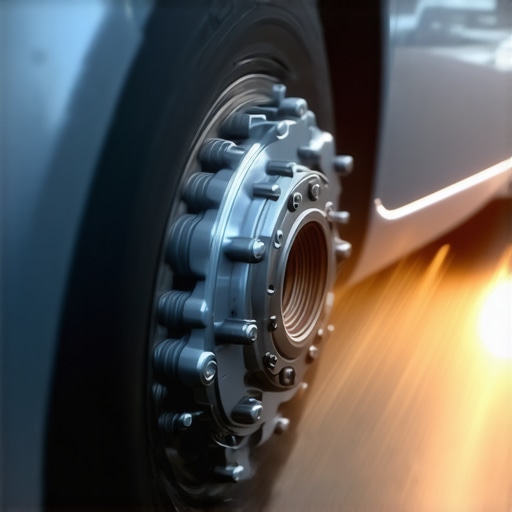
It happened suddenly last week. I was cruising down the highway when, as I approached a red light, my car jerked unexpectedly under heavy braking. My heart sank. That sudden pull? Frightening, confusing, and honestly, a bit unnerving. I’ve been tinkering with cars for years, but that moment was a clear sign something was off—and I knew I wasn’t alone in this experience.
Why Your Car Might Be Pulling When You Slam on the Brakes
Many drivers shrug off this issue, thinking it’s just how their vehicle behaves or a problem for the mechanic to handle during a routine service. But in my case, that pull was a wake-up call. It made me realize that this isn’t just minor inconvenience—it’s a potential safety hazard. When your car pulls unexpectedly, it can lead to dangerous skids or loss of control, especially in emergency braking situations.
I’ve learned over time that this problem often stems from hidden issues under the surface. For example, uneven brake pad wear, a warped rotor, or even a malfunctioning suspension component could be the real culprit. The key is to identify the root cause early, before it turns into something serious or more costly.
If you’ve faced this problem too, you’re probably wondering, “What causes this pull?” And more importantly, how do I fix it? Well, you’re in luck. Today, I want to share some insights based on my experience and dive into practical steps that can help you diagnose and address the issue. Not only will this improve your vehicle’s safety, but it may also save you a significant amount of money in the long run.
Before we get into the solutions, it’s good to know that not all brake issues are obvious at first glance. Sometimes the problem lies in less conspicuous components, such as the brake calipers or even the alignment. Interestingly, aligning your wheels properly and maintaining your brake system can actually prevent pulling during heavy braking, as highlighted by experts at Collision Fixer. They emphasize how regular maintenance can extend your vehicle’s lifespan and ensure safety.
So, if you’ve ever felt that sudden jerk or pull when braking hard, keep reading. We’re going to uncover the common causes and, more importantly, how you can fix them yourself or with a trusted mechanic. Because at the end of the day, safe driving starts with understanding what’s going on under the hood.
Inspect Your Brake Pads and Rotors
Start by visually examining your brake pads for uneven wear; replace them if worn unevenly. Remove the wheels to inspect the rotors for warping or scoring. A warped rotor can cause the vehicle to pull during heavy braking, much like uneven shoe soles disrupt steady walking. I once replaced warped rotors on my Honda Civic, which instantly improved stopping consistency and eliminated pulls. Use a dial indicator or a straight edge to check rotor flatness; if they wobble or are excessively thin, consider replacing them.
Check Brake Calipers and Brake Fluid
Calipers are crucial for even brake application. Sticking calipers can cause uneven braking force, resulting in pulling. To test, pump the brakes multiple times, then observe if one side feels different or takes longer to respond. If calipers are sticking, they might need lubrication or replacement. Additionally, inspect the brake fluid level and quality—contaminated or low fluid can diminish braking efficiency, similar to trying to stop a heavy door with a weak hinge. Flush and replace brake fluid every 2-3 years, as recommended by Collision Fixer’s professional car service tips.
Evaluate Wheel Alignment and Suspension
If your braking system is sound, misalignment or suspension issues could be causing the pull. Road bumps or hitting potholes can knock wheels out of alignment, making your car veer when brakes are applied. Think of it like steering a shopping cart—if the wheels are crooked, even simple pushes can result in jerks. Schedule a wheel alignment to correct this and inspect suspension components for worn or damaged parts. Proper alignment ensures the braking force is distributed evenly across wheels, preventing that unsettling pull.
Assess Brake Line and Hydraulic System Condition
Leaking or damaged brake lines can cause uneven pressure, leading to pulling. Look under your vehicle for signs of fluid leaks—dark stains or wet spots near brake lines or wheel assemblies. A compromised hydraulic system can’t deliver consistent brake force, similar to a water pipe with a hidden leak reducing pressure downstream. If you suspect issues here, a thorough brake system bleed or replacement of faulty lines is essential. This maintenance can be complex; consider consulting a professional if you’re not experienced with brake jobs.
Test and Confirm Repairs
After making adjustments or replacements, test your vehicle in a safe, open space. Apply heavy braking gradually to observe if the pulling persists. A notable improvement indicates the issue was resolved. Remember, if you’re unsure or find the repairs challenging, professional help from Collision Fixer can save you time and ensure safety. Regular maintenance and inspections prevent small problems from escalating into costly repairs, as discussed in maximizing vehicle lifespan through tune-ups.
Most car owners believe they know everything about auto repair, often placing too much trust in generic repair advice or misconceptions. But as an enthusiast with years of hands-on experience, I’ve uncovered nuanced truths that challenge common beliefs and reveal potential pitfalls. Let’s dig deeper into what most people get wrong about tune-ups, collision repair, transmission overhauls, and regular car services.
Are All Mechanics Created Equal? The Myth of the One-Size-Fits-All Repair
Many drivers assume that any mechanic can handle complex repairs like transmission overhauls or engine diagnostics. However, expertise varies widely. For example, a generalist may overlook subtle transmission issues that a specialist addresses regularly, potentially leading to more significant damage or costlier repairs. According to a study by CarMD, improper repairs contribute to over 70% of vehicle breakdowns caused by human error. Don’t fall into the trap of trusting inexperienced technicians with critical components—research and seek specialists when needed.
Why Most ‘Quick Fixes’ Backfire
Everyone loves quick fixes—like sealing a leak with duct tape or opting for a quick flush without diagnosing underlying issues. Resisting these temptations is vital. A common mistake is replacing a part without addressing the root cause, which simply prolongs the problem. For instance, a failing transmission fluid flush might temporarily mask symptoms but ignore underlying wear that worsens over time. Regular tune-ups and inspections help identify such issues early, saving you money in the long run.
Overlooking the Nuance: The Impact of Maintenance Timing
Scheduling car maintenance isn’t just about ticking off intervals; timing matters. Receiving a collision fix or transmission service too early or late can reduce effectiveness. For example, delaying a fluid change might cause transmission slippage or overheating, while unnecessary early replacements waste money. Advanced car care involves understanding vehicle-specific clues, like subtle vibrations or irregular noises, that indicate when maintenance is truly needed. A comprehensive approach, including knowledge from resources like expert guides, helps extend car lifespan and avoid costly repairs.
How to Spot Genuine Expertise in a Sea of Repairs
Finally, the biggest trap is trusting cheap or unverified mechanics. Recognize the signs of skilled auto repair: proper diagnostic procedures, transparent estimates, and certifications. Don’t just accept the first quote; ask about the specific cause and why certain repairs are necessary. Remember, a professional auto shop will prioritize long-term safety over quick profit. This diligence ensures your vehicle remains reliable and safe for years.
So, have you ever fallen into this trap? Let me know in the comments. Remember, understanding the hidden nuances of auto maintenance can save you thousands and keep you safe on the road. Stay alert, stay informed!
Invest in Precision Equipment for Long-Term Reliability
When it comes to auto repair and routine maintenance, having the right tools can make all the difference. I personally swear by a high-quality digital multimeter, such as the Fluke 115, for diagnosing electrical issues. Its accuracy helps me quickly identify faulty sensors or wiring problems, saving time and preventing unnecessary part replacements. Additionally, a set of premium torque wrenches ensures that fasteners like lug nuts and drain plugs are tightened to manufacturer specifications, preventing future issues like leaks or wheel imbalance. Reliable tools not only improve the quality of your work but also extend the lifespan of your vehicle’s components.
Utilize Advanced Diagnostic Software for Accurate Troubleshooting
Modern vehicles are equipped with complex electronic systems, making diagnostic software indispensable. I rely on OEM-specific scan tools—like the Snap-on Solus Ultra—for precise readings of engine, transmission, and ABS modules. This software helps me pinpoint issues quickly, especially in transmissions, where subtle shifts can indicate bigger problems. Regularly updating the software database ensures compatibility with the latest vehicle models and system codes. By leveraging these tools, I can detect problems early—saving money and avoiding breakdowns. For routine tune-ups, apps like AutoEnginuity provide invaluable data and are especially helpful for DIY enthusiasts looking to understand their vehicles better.
Follow a Systematic Maintenance Routine
Consistency is key in keeping vehicles reliable over years. I recommend creating a maintenance schedule that includes regular oil changes, filter replacements, brake inspections, and fluid flushes. For instance, adhering to a schedule laid out in our comprehensive tune-up guide can extend your engine’s life and improve fuel efficiency. Maintaining your transmission’s health is equally critical; check out how proper transmission service can prevent costly overhauls. Don’t forget to inspect suspension and steering components periodically, especially if you notice uneven tire wear or steering vibrations. Sticking to a routine helps catch small issues before they turn into major repairs.
Embrace Modern Lubrication and Fluid Management
Using high-quality lubricants tailored for your vehicle’s specifications is crucial. I recommend synthetic oils, which have better stability and longer service intervals. For transmission fluid, always follow manufacturer recommendations—you’ll find that proper fluid levels and quality directly influence shift smoothness and long-term durability. Regularly check and top off fluids using a clear, calibrated funnel to avoid overfilling, which can cause foaming or leaks. Additionally, replacing brake and power steering fluids periodically helps prevent corrosion and system failure, especially in climates with seasonal temperature swings.
Plan for Future Trends in Car Maintenance
The automotive industry is moving towards increased electrification and computer-controlled diagnostics. Expect to see more integrated diagnostic tools and software platforms that connect via cloud systems, allowing for remote monitoring and adjustments. Mobile apps that track your vehicle’s health will become more sophisticated, providing predictive maintenance alerts. Staying current with these trends will empower DIYers and professionals alike to maintain their vehicles more effectively and efficiently. For example, future updates may allow real-time monitoring of components like the transmission cooler or battery health without visiting a mechanic. Keeping an eye on evolving tech will help you maintain your vehicle proactively rather than reactively.
How Do I Sustain My Car’s Performance Over Time?
Implementing a disciplined routine with high-quality tools and diagnostic methods is vital. Regularly inspecting and maintaining critical systems like the transmission—similar to how transmission overhaul tips suggest—will help avoid costly repairs down the line. A proactive approach, including using advanced diagnostic software and scheduling systematic tune-ups, ensures your vehicle remains dependable. For example, periodically replacing transmission fluid before symptoms appear can extend its lifespan significantly. Start adopting these habits today, and you’ll enjoy smoother rides and fewer surprises on the road.
Hard-Won Wisdom That Changed My Repair Approach
One of the biggest lessons I learned is that rushing through repairs or ignoring warning signs often leads to bigger problems later. I once skipped inspecting my brake calipers thoroughly, only to face sticking calipers that caused uneven wear. Now, I understand the importance of patience and detailed diagnoses, especially with complex systems like transmissions or suspension. Investing time in proper inspection upfront saves money and ensures safety.
Another insight was realizing the value of reliable tools and knowledge. Using quality diagnostic software and owning the right torque wrenches transformed my DIY maintenance from guesswork to precision. These upgrades empowered me to catch issues early—particularly crucial with modern vehicles packed with electronic systems—and dramatically reduced unexpected breakdowns.
Lastly, I learned that regular preventive maintenance is not just a recommendation but a necessity. Scheduling routine tune-ups and fluid changes well before signs appear keeps everything running smoothly. This proactive stance has extended my vehicle’s lifespan and boosted confidence behind the wheel, reinforcing that good habits truly pay off.
Tools and Resources I Personally Vouch For
My essential toolkit includes a high-quality digital multimeter like the Fluke 115, which helps me accurately diagnose electrical issues without guesswork. A set of premium torque wrenches ensures I always tighten fasteners to exact specifications, preventing issues down the line. For troubleshooting complex problems, I rely on OEM-specific scan tools such as the Snap-on Solus Ultra for its precise readings—these tools have been game-changers in my auto repair journey.
For comprehensive guidance, I turn to books like ‘Auto Repair for Dummies’ that break down complex concepts into understandable tips. Additionally, online resources like Collision Fixer’s detailed articles on [transmission overhauls](https://collisionfixer.com/how-transmission-overhauls-save-you-money-in-the-long-run) and [regular tune-ups](https://collisionfixer.com/maximize-your-cars-lifespan-with-regular-tune-ups) have provided invaluable insights that complement hands-on experience. Combining these tools and knowledge sources has taken my maintenance routines to a new level of effectiveness.
Stepping Into Your Own Auto Maintenance Power
Taking charge of your vehicle’s health isn’t just about fixing problems—it’s about building confidence and empowerment. By adopting diligent inspection routines, investing in quality tools, and continuously educating yourself, you’re placing yourself ahead of costly repairs and potential safety risks. Remember, every successful repair or maintenance step you take adds years of reliable service and peace of mind. Embrace this journey with patience and curiosity, and you’ll find that quality auto care can be both rewarding and satisfying.
What’s the biggest auto repair lesson you’ve learned the hard way? Share your story below and let’s learn from each other’s experiences!