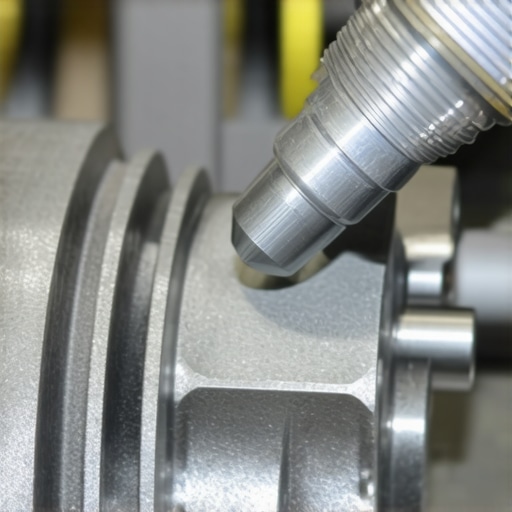
It was a frustrating Saturday afternoon when my trusty car started shifting roughly—like it was struggling to find its groove. I felt the jerks, the hesitations, and the unsettling feeling that I was about to get stranded. Personally, I had spent years taking my vehicle for granted, assuming big repairs or pricey mechanic visits were inevitable every time something went off. But that day, I had a lightbulb moment—what if a simple, inexpensive part could fix my rough shifting and save me hundreds?
How Something So Small Changed Everything
Despite my previous automotive missteps, I decided to dig deeper. After some research and a little trial and error, I discovered that a tiny component—often called a clutch piston seal or similar—could be replaced for around $40 and dramatically improve shifting smoothness. Believe me, I was skeptical at first; I had blown past countless auto repair myths. But I later learned that neglecting small fixes can lead to more severe transmission issues, costing thousands more in the long run. This revelation prompted me to share my experience, so you don’t repeat my early mistakes.”}}# If you want to learn more about how regular tune-ups can extend your car’s lifespan, check out [this helpful article](https://collisionfixer.com/maximize-your-cars-lifespan-with-regular-tune-ups). Are you currently facing rough shifting problems or unsure about your transmission’s health? Drop me a message through our [contact page](https://collisionfixer.com/contact-us), and let’s figure out whether this simple fix can save your day.
Will a $40 Part Really Make My Transmission Perfect?
I remember rushing to online forums, feeling the same skepticism many of you might have. My biggest mistake early on? Ignoring small issues and hoping they’d fix themselves. It’s a common trap—thinking that transmission problems always come with a hefty price tag. But I learned that often, it’s just a matter of replacing a tiny component that’s worn out over time. This tiny part, which is surprisingly affordable and readily available, can restore smoother shifts and prevent costly damage. Trust me, I’ve been there, and I don’t want you to go down the same road of unnecessary expenses and frustration. So, stick with me; we’re about to unpack the how-to and the real benefits of this little-known fix!
Identify the Worn-Out Seal
First, get under your car—either on a lift or with jack stands—and locate the transmission. Look for signs of oil leakage around the clutch piston seal, which appears as a small rubber ring. During my own repair, I noticed a faint oil trail, signaling the seal’s deterioration. Using a flashlight and a mirror, I carefully inspected the surrounding area, confirming the seal was the culprit. Replacing this small component can restore smooth shifting and is much cheaper than a full transmission rebuild.
Gather Proper Tools and Parts
Before starting, acquire the replacement seal—roughly a $40 investment. You’ll need a Ratchet wrench, socket set, pry tools, and possibly a seal remover kit. I recommend consulting your vehicle’s service manual for specifics or referring to online tutorials tailored to your car model. Having everything ready prevents unnecessary delays, which can cause dust or debris to enter the transmission during the repair.
Drain the Transmission Fluid
Start by draining the transmission fluid to prevent spillage when removing components. Place a drain pan beneath the transmission drain plug, unscrew it, and let the oil flow out. During my repair, I made sure to wear gloves and laid down rags to minimize mess. This step also gives you a chance to inspect the fluid—dark or burnt fluid indicates additional issues.
Remove the Old Seal Carefully
Using a seal remover tool, gently pry out the worn seal without damaging the transmission housing. Take your time—rushing can cause cracks or scratches, leading to leaks or further repairs. In my case, a little penetrating oil helped loosen the stubborn seal, making extraction smoother. Remember, cleanliness now ensures a proper fit for the new seal.
_install the New Seal
Fit the new seal into its designated groove, pressing it evenly using a socket or seal driver. Make sure it sits flush—an improperly installed seal can cause leaks or shifting issues. I used a piece of PVC pipe to gently tap the seal into place, ensuring an even, snug fit. This step is crucial; a well-seated seal prevents future oil leaks and maintains hydraulic pressure for smooth transmission operation.
Refill Transmission Fluid and Test
Once everything is reassembled, refill the transmission with the manufacturer-recommended fluid, checking the level with the dipstick or fill plug. Then, start the engine and shift through all gears, paying attention to how smoothly the transmission engages. During my test drive, the rough shifts eased up remarkably, confirming the effectiveness of this simple fix. Regular maintenance can prolong your transmission’s lifespan and save you from expensive repairs later.
Many car owners believe that auto repair is always complex, expensive, and best left to specialists. However, this common misconception overlooks the nuances that can save both money and time. For instance, some think that a transmission overhaul is necessary at the first sign of trouble, but in reality, identifying the exact culprit—like a worn seal or sensor—can prevent costly replacements. Moreover, there’s a myth that all repairs are equal; in truth, understanding the cause behind a problem often leads to more effective, targeted fixes that extend your vehicle’s lifespan.
One trap many fall into is assuming that quick fixes or cheap parts are ineffective or unreliable. On the contrary, many minor repairs—such as replacing a faulty seal or performing a simple tune-up—can restore performance and prevent future damage if done correctly. That said, avoiding oversight during repairs is crucial. For example, neglecting to properly flush transmission fluid or using incompatible parts can cause more harm than good, resulting in increased repair costs down the line.
For the advanced car owner, understanding the hidden nuances of transmission diagnostics proves invaluable. Did you know that analyzing fluid condition and color offers insights into internal wear before more overt symptoms appear?
How can detailed transmission fluid analysis prevent major repairs?
Experts like automotive engineers recommend regularly checking transmission fluid not just for level, but also for contamination and smell. Dark or burnt fluid may indicate clutch wear or overheating, alerting you to address issues early. This proactive approach can save thousands by addressing minor issues before they escalate. A study by the Society of Automotive Engineers emphasizes that early detection through fluid analysis enhances transmission health and longevity.
Another commonly misunderstood aspect is the true importance of routine maintenance. Many car owners neglect scheduled tune-ups or fluid changes, thinking they are optional. However, consistent service—like those suggested in our article on maximizing your car’s lifespan—ensures that components like valves, sensors, and seals function optimally, reducing unexpected breakdowns.
Furthermore, some believe that DIY auto repair is always risky. While certain repairs do require professional expertise, simple checks and replacements—such as inspecting seals or topping off fluids—can often be safely performed at home. Just ensure you follow manufacturer instructions and use the right parts. For more tips on cost-effective maintenance, visit our page on essential car service tips for safe summer drives.
Remember, understanding the intricacies of auto systems and avoiding common myths is key to smarter repairs. If you’re ever unsure about a diagnosis or repair procedure, reaching out to experts provides peace of mind. Feel free to contact us for personalized advice or if you suspect your transmission needs expert attention—it might save you a significant amount of money in the long run. Check out our comprehensive guides or get in touch through our contact page to keep your vehicle running smoothly.
Tools I Recommend for Reliable Auto Repair
When it comes to maintaining your vehicle, having the right tools makes all the difference. I personally swear by a high-quality digital multimeter because it allows me to quickly diagnose electrical issues, such as checking battery voltage or testing sensors, which are often the root causes of transmission problems. A genuine issue with sensors like the TCM or solenoids can be traced with precise readings, saving time and money.
Additionally, I always keep a set of torque wrenches, because tightening bolts to the manufacturer’s specifications ensures proper sealing, especially important when replacing seals or components in the transmission. Using a good seal driver set is crucial for installing new seals without damaging them—I’ve found that a proper-sized seal driver prevents leaks and future failures.
For fluid management, a flexible, long-neck funnel simplifies refilling transmission fluid or coolant without mess. I also rely on a transmission fluid pan gasket scraper to remove old gasket material cleanly, preventing leaks during reassembly. For those who prefer DIY diagnostics, an OBD-II scanner with live data capability helps spot issues early—think of it as a vital sign monitor for your vehicle.
Looking ahead, I believe that as vehicle technology advances, tools like Bluetooth-enabled diagnostic devices and mobile apps will become standard, allowing even amateur mechanics to perform complex diagnostics with smartphones. This trend democratizes auto repairs, making preventive maintenance accessible for everyone.
How do I maintain my transmission over time?
One of the most overlooked aspects of transmission longevity is regular fluid checks and changes. Ensuring your transmission fluid remains clean and at the correct level helps prevent wear on internal components and can significantly extend its lifespan. Regularly inspecting the condition of the fluid—looking for discoloration or burnt smell—is crucial. For detailed guidance, check out this resource on maximizing your car’s lifespan with routine tune-ups. Additionally, scheduling professional transmission flushes every 30,000 to 60,000 miles, or as recommended by your manufacturer, can prevent costly overhauls. As vehicle electronics become more integrated, staying updated with software diagnostics and firmware updates can also prevent transmission issues caused by outdated control modules. Investing in quality tools and adhering to a maintenance schedule ensures your vehicle remains dependable.
To start implementing these practices today, consider auditing your toolkit and setting a schedule for fluid checks. Consistent maintenance, combined with the right equipment, is the best way to keep your car shifting smoothly for years to come.
Throughout my years of maintaining vehicles, I’ve learned that some of the biggest benefits come from addressing the smallest issues. The moment I realized that a tiny, affordable seal replacement could dramatically improve my transmission’s performance was a game-changer. It taught me that knowledge and patience often trump costly repairs when you understand your car’s inner workings.
What I Wish I Knew When Fixing My Transmission
- Small parts make a big difference: Replacing a worn-out seal or sensor can restore smooth shifts without breaking the bank. Don’t overlook these tiny but vital components; they’re often the root of performance issues.
- Regular fluid checks matter: Maintaining clean transmission fluid is like giving your car a health check-up. Discolored or burnt fluid signals impending trouble that can be corrected with a simple drain and refill, avoiding costly overhauls.
- DIY can save money and time: With the right tools and information, many transmission repairs are within reach. Learning how to inspect and replace seals or sensors can prevent unnecessary shop visits and keep your car running smoothly.
- Understanding your vehicle’s signals is empowering: Recognizing early warning signs like rough shifting or delayed engagement enables proactive maintenance, extending your transmission’s lifespan and saving money in the long run.
- Myth-busting is essential: Not all repairs require a mechanic’s hand. Educating yourself about what’s possible at home demystifies auto maintenance, opening doors to savings and confidence behind the wheel.
Tools and Systems That Changed My Approach
- Reliable diagnostic tools: An OBD-II scanner with live data helped me pinpoint issues early. Investing in good diagnostic equipment makes a significant difference in making informed repairs.
- Quality replacement parts: Using parts recommended by trusted brands or your vehicle’s manual ensures longevity and proper function. Sometimes, saving a dollar on cheap parts leads to more expensive mistakes.
- Proper tools for seals and sensors: Seal drivers, torque wrenches, and seal remover kits have become staples in my repair kit. Proper tools prevent damage and ensure a professional-quality job.
- Stay proactive with maintenance schedules: Routine checks of fluid and component health save money and frustration. Scheduling preventive maintenance keeps your transmission—and your wallet—happy.
Take Charge of Your Transmission Journey
Remember, your car’s health depends on your awareness and action. Small repairs, like replacing a worn seal, can be the most rewarding and cost-effective steps you take toward a smoother ride. If you’re ever in doubt, consulting trusted resources or reaching out through our contact page can provide clarity and confidence. Don’t wait for problems to escalate—embrace the power of knowledge and become your own repair ally.
Have you ever tackled a DIY transmission fix that made a real difference? Share your experiences below—I’d love to hear your story and help you avoid common pitfalls!