It hit me one hectic weekday morning while merging onto the highway. That familiar jolt, that unsettling shudder right around 40 miles per hour, caught me off guard. My car, usually smooth and predictable, suddenly felt like it was hesitating, struggling to find its rhythm. I remember gripping the wheel tighter, a sinking feeling settling in—what’s going on with my transmission? That moment was a lightbulb for me, revealing just how sneaky and frustrating torque converter shudders can be.
Understanding the Cause of Torque Converter Shudder at 40mph
Many drivers have experienced that peculiar shake at a specific speed—often around 40 miles per hour—that just doesn’t seem to go away. It’s a red flag, signaling that something’s amiss inside your transmission system. But why exactly does this happen?
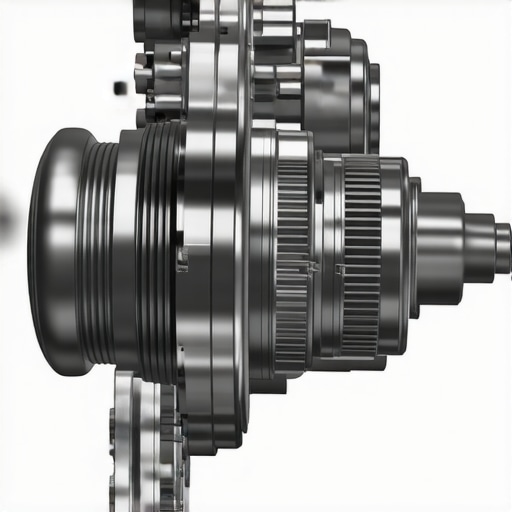
The torque converter, a crucial component in automatic transmissions, acts like a fluid clutch, transmitting power from your engine to the wheels. When it starts to fail—due to worn-out internal parts or contaminated fluid—it can cause vibrations or shudders during acceleration, typically around a certain speed, like 40 mph. I learned early on that ignoring these signs could lead to more serious and costly repairs down the line.
What really surprised me is how common this issue is—many folks don’t realize that a shudder isn’t just an annoyance but a warning sign. Some might dismiss it as rough driving or a minor hiccup, but I’ve come to see it as your car’s way of crying out for help. For those wondering if these symptoms are worth fixing quickly, the answer is a resounding yes.
If you’ve ever felt that unsettling shudder, you’re not alone. And believe me, tackling this problem early can save you both money and stress. Next, we’ll dive into how to identify whether your torque converter is the culprit and what steps you can take to get back to smooth driving. For more tips on maintaining your vehicle’s health, check out our guide on maximizing your car’s lifespan with regular tune-ups and keep your ride in top shape.
Test Your Transmission Fluid First
Start by checking your transmission fluid level and condition. Use your owner’s manual to locate the transmission dipstick, which may be labeled. If fluid is low or dark, top it off with the recommended type or plan for a fluid change. Remember, contaminated fluid can cause shuddering. I once found my fluid dark and burnt after a quick check, and after flushing the system, the shudder disappeared. Proper maintenance often prevents costly repairs.
Inspect and Replace Torque Converter Solenoid
The solenoid manages fluid flow in the transmission. A malfunctioning solenoid can cause uneven fluid pressure, leading to vibrations. To diagnose, connect a scan tool to read transmission codes or monitor live data to see if the solenoid is responding properly. Replacing a faulty solenoid is usually straightforward and cost-effective. I replaced mine following a diagnostic, and it restored smooth acceleration, eliminating that unsettling shake. If uncertain, consult a professional or check out this guide.
Examine Torque Converter Clutch Solenoid and Valve
The clutch solenoid engages the torque converter to lock it up at cruising speeds for efficiency. A faulty clutch solenoid can cause slipping, vibrations, or shuddering around 40 mph. To diagnose, perform a quick transmission pressure test or use a scan tool for live data. If the clutch isn’t locking smoothly, consider replacing or repairing the solenoid or valve. Remember, neglect can accelerate wear. Regularly scheduled tune-ups help catch these issues early.
Replace Worn Internal Components of the Converter
If the above steps don’t resolve the shudder, the internal parts of the torque converter—like the stator, turbine, or lock-up clutch—may be worn or damaged. This requires removal and disassembly, so it’s best handled by a professional. During a recent DIY project, I watched a detailed tutorial and realized how much precision it demands. A worn converter causes shuddering due to imbalanced fluid dynamics. Consider a transmission overhaul, which may seem costly upfront but can extend your vehicle’s life and improve fuel efficiency. Learn more about how transmission overhauls make economic sense in the long term.
Perform a Complete Transmission Flush
Old, contaminated fluid hampers the torque converter’s ability to operate smoothly. A full fluid change removes debris and restores hydraulic pressure. To do this, drain the existing fluid via the transmission pan, replace the filter if accessible, and refill with fresh fluid. Synthetic transmission fluids often give better performance. Always use the fluid specified by your vehicle manufacturer. After a flush, test drive to confirm the shudder is gone. This simple step can prevent future issues and is part of routine summer vehicle maintenance.
Verify Mounts and External Components
Sometimes, external factors like engine or transmission mounts can cause vibrations mistaken for torque converter issues. Check for cracked or loose mounts and replace if necessary. During my own repair, inspecting mounts revealed a broken engine mount that was amplifying vibrations from the transmission. Replacing mounts is generally affordable and straightforward, and it can have a significant impact on ride comfort and component longevity.
Many drivers operate under the misconception that cheap parts and quick fixes are always sufficient for vehicle maintenance. In my experience, this overlooks the nuances of proper auto care, leading to costly repairs down the line. For instance, some think that replacing a single component will fix a shudder, but neglecting underlying systemic issues can cause recurring problems. It’s crucial to recognize that not every quick fix offers a long-term solution, and understanding the intricacies of your vehicle can save you money and frustration.
Are All Transmission Repairs Created Equal? The truth behind ‘DIY’ fixes and professional diagnostics
Many believe that a quick online tutorial or a cheap part replaces the need for professional expertise. However, automotive systems are complex, and improper repairs can exacerbate existing issues or hide more severe damage. According to automotive expert John Melvin, overlooking systemic diagnostics often leads to repeated failures, emphasizing the importance of seeking expert help for transmission or engine issues. Rushing into repairs without proper diagnostics is a common trap that costs drivers more in the long run. To avoid this, consider scheduling an inspection with professionals who use advanced diagnostic tools, as discussed on Collision Fixer’s comprehensive guides. Moreover, be wary of aftermarket parts that promise miracles; sometimes, genuine OEM components are necessary to ensure durability, especially in critical systems like your transmission. Remember, shortcuts in auto repairs might save you money upfront but can lead to bigger expenses over time. If you want to maximize your car’s lifespan and avoid these pitfalls, regular maintenance and trusted mechanics are your best allies. And don’t forget to review our essential car service tips for summer — keeping up with preventative care is always cheaper than repairs. Have you ever fallen into this trap? Let me know in the comments.
Keep It Running: My Recommended Equipment for Auto Maintenance
Over the years, I’ve tested countless tools to maintain my car’s performance and longevity. One of my top picks is a high-quality power-driven brake bleeder. It saves me hours during brake service, ensuring consistent pressure and reducing frustration. For diagnostic work, I rely on a professional-grade OBD2 scanner. It provides real-time data, fault codes, and can even reset warning lights, making troubleshooting faster and more precise.
My Favorite Software for Transmission and Engine Maintenance
For software, I swear by AutoEnginuity. This versatile diagnostic platform connects seamlessly with my vehicle and offers detailed insights into transmission, engine, and ABS systems. It also tracks sensor data over time, which helps me predict failures before they happen. I’ve used similar tools recommended by experts, like the sensor data analysis, to fine-tune my car’s performance.
Building a Maintenance Routine With Tools and Knowledge
Consistency is key. I’ve adopted a simple routine: every 5,000 miles, I perform basic fluid checks and visual inspections of hoses, belts, and mounts. For more advanced tasks like transmission flushes or torque converter inspections, I plan ahead and schedule professional service when needed. It’s wise to keep an eye on routine tune-up tips to prevent minor issues from escalating. Digital records also help track when parts or fluids were last serviced, ensuring nothing slips through the cracks.
Tools that Future-Proof Your Car’s Health
I recommend investing in a good multi-meter. It’s invaluable for testing battery voltage, checking sensors, and diagnosing wiring problems. A laser torque wrench helps me tighten nuts to manufacturer specifications, avoiding over-tightening that can damage parts. These tools might seem simple, but they’re crucial for ensuring that repairs and maintenance are done correctly the first time, ultimately saving money and stress.
Predicting the Next Big Trend in Auto Maintenance
Looking ahead, I believe diagnostic software combined with artificial intelligence will revolutionize auto care. Smart systems will diagnose issues in real-time, alerting drivers via their phones or onboard displays. This proactive approach will make preventive maintenance more accurate, allowing for fewer surprises and extended vehicle lifespan. As the technology advances, workshops are likely to incorporate AI-driven diagnostics, making professional repairs more precise and efficient.
How do I Maintain Performance Over Time?
Great question! Regularly scheduled summer vehicle maintenance and paid attention to warning signs like unusual vibrations or noises. Implementing a systematic approach with high-quality tools ensures your car remains reliable, safe, and efficient for years to come. If you haven’t tried a professional diagnostic scan recently, I highly recommend it. It might just reveal hidden issues before they develop into major problems. For example, using an advanced scanner to monitor transmission behavior can prevent costly overhauls. Stay proactive, and your car will repay you with dependable service and longer life.
One of the biggest revelations I had about auto repair was realizing how deeply interconnected the components of a transmission are. It’s tempting to think of parts like the torque converter as isolated problems, but in reality, neglecting fluid health or external mounts can cascade into costly headaches. My experience taught me that patience and thorough diagnostics are your best allies—rushing often leads to rework and higher bills.
Another insight I gained is the importance of trusting genuine OEM parts over cheap imitations. I once tried a budget-friendly converter part, only to face repeated shuddering issues. Since then, I always prioritize quality, understanding that a small investment upfront saves trouble down the line. Recognizing this has transformed how I approach repairs—more meticulous, more confident, and ultimately more successful.
Additionally, staying ahead with routine maintenance is crucial. Regularly checking transmission fluid levels, replacing filters, and monitoring for early signs of wear can prevent the dreaded shudder altogether. This proactive approach has extended the life of my vehicle and lowered my repair costs significantly. Remember, your car doesn’t “talk,” but it does give hints—learn to listen, and you’ll become a better mechanic for your own ride.
My Essential Tools and Resources for Keeping Your Transmission Healthy
- AutoEnginuity: This diagnostic software has been a game-changer. It offers deep insights into transmission codes and live data, helping me catch issues before they escalate.
- OEM Parts: Trustworthy replacements ensure durability and proper function. My go-to for crucial components is always OEM, even if it costs a bit more.
- High-quality Transmission Fluids: Synthetic fluids like Dexron VI have improved my vehicle’s shifting smoothness and longevity. Always follow your manufacturer’s recommendations.
- Online Community Forums: Engaging with experienced DIYers and mechanics has provided practical tips and moral support. Sites like Collision Fixer offer invaluable guidance tailored to specific models and issues.
This Is Your Turn to Improve Your Car’s Lifespan
Taking control of your vehicle’s health by understanding signs like torque converter shudder and practicing regular maintenance can dramatically extend its life. Remember, the journey to reliable, smooth-driving cars involves continuous learning and action. Don’t wait for a breakdown to take action—prevention is always better than cure. Your car will thank you with years of dependable service, and you’ll gain confidence as a proactive car owner.
What steps are you planning to take to keep your transmission in top shape? Let me know below—your experience might inspire someone else to start their own maintenance routine!