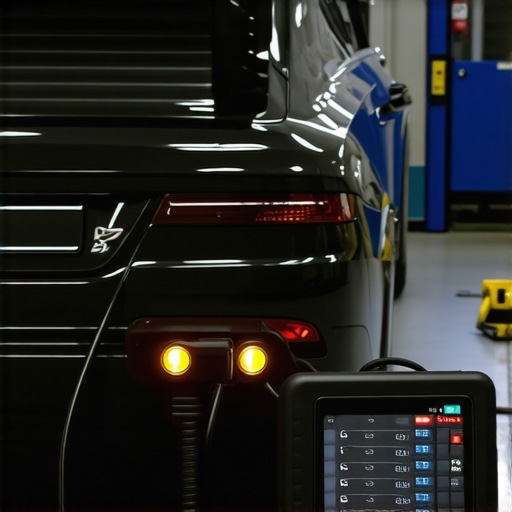
I remember the day vividly—my car suddenly idled rough, and the check engine light flickered mockingly on my dashboard. My stomach sank. That familiar pang of worry crept in: was this something serious? Or was I about to be hit with a hefty repair bill? Like many, I had no idea where to start, and the prospect of expensive diagnostics felt overwhelming.
One light, so small yet so ominous—a tiny warning that can turn anyone into a nervous wreck. The truth is, checking what’s wrong shouldn’t be a guessing game, especially when a simple, affordable tool could help you diagnose most check engine problems yourself.
Discover the Game-Changer: An Easy, Budget-Friendly Solution
Imagine having a personal mechanic right in your glove compartment—one that costs less than a dinner out. That’s exactly what the $12 diagnostic scan tool did for me. It’s a small device that connects to your car’s OBD-II port, giving instant insights into why that pesky light is on. No more guesswork, no more costly trips to the shop for basic checks.
In my experience, this tiny gadget became my go-to for troubleshooting, saving me hundreds of dollars over time. Early on, I made the mistake of ignoring the warning or waiting until the problem worsened—a misstep that turned minor glitches into costly repairs. Learning to read the codes myself transformed how I maintain my vehicle.
If you’ve ever been frustrated by unresolved check engine lights or wary of getting taken advantage of at the repair shop, then I promise—this tool will change your approach.
Is It Really Worth the Hype, or Just Another Gadget?
Initially, I was skeptical. How could such an inexpensive device outdo the diagnostic services professionals offer? I was worried about accuracy and ease of use. Trust me, I’ve been there. I was guilty of rushing into expensive repairs without understanding what was really happening—something that can lead to unnecessary expenses.
But here’s the truth: investing in a good OBD-II scanner is a wise move. It helps you identify issues early, prevents overcharging, and fosters a better understanding of your vehicle’s health. Plus, it’s incredibly user-friendly; even those of us not tech-savvy can operate it with a little patience.
Want to avoid the pitfalls I faced? Keep reading. I’m going to walk you through exactly how this tiny tool can become your best car buddy, saving you money and stress along the way.
Identify the Problem Clearly
Start by observing your vehicle’s behavior, noting when the issue occurs—whether during acceleration, idling, or braking. This information narrows down potential causes. For instance, if your engine stalls when hot, you might suspect overheating components. Remember, specific symptoms point toward particular problems, saving you time and guesswork.
Use Your Diagnostic Scanner Effectively
Connect your OBD-II scanner to the port, typically located under the dashboard. Turn on your car’s ignition, but don’t start the engine. Enter the scanner’s menu to retrieve trouble codes. For example, codes like P0300 indicate misfires, guiding your next steps. Refer to your scanner’s manual or online resources to interpret these codes accurately. Once identified, you can address common issues such as faulty spark plugs or sensors.
Interpret Trouble Codes Without Overthinking
Codes are shorthand for specific faults. For example, a code like P0171 suggests the engine is running too lean. Cross-reference these codes with reliable online guides or manufacturer resources. Don’t jump to conclusions—many codes point to routine maintenance rather than serious failure. This approach prevents unnecessary repairs and expenses.
Prioritize Immediate Fixes for Critical Codes
If the scanner reveals urgent issues—like P0700 for transmission control system faults—address these promptly. For instance, a stuck transmission solenoid can cause shifting problems. Check your vehicle’s service manual or trusted repair guides to perform simple fixes such as replacing a worn-out sensor or sensor wiring. This proactive approach can prevent further damage.
Perform Basic Visual Inspections
Before diving into repairs, inspect engine bay components related to the codes. Look for loose connectors, damaged wires, or fluid leaks. For example, a broken vacuum hose might trigger multiple codes related to air intake issues. Sometimes, a simple tightening or replacement can resolve multiple problems simultaneously.
Understand the Core Components for Reliable Repairs
Familiarize yourself with critical parts like the spark plugs, ignition coils, sensors, and filters. For example, dirty mass airflow sensors can cause erratic idling, which you can clean with an electronic contact cleaner—saving you from costly replacements. Knowing these basics helps you diagnose and fix common issues efficiently.
Address Issues Methodically
Begin with the simplest solutions—like replacing a worn spark plug—before moving to more complex repairs. Keep track of the steps you take to avoid repeating actions. For instance, replacing an oxygen sensor after confirming its failure can improve fuel efficiency and engine performance.
Use Online Resources for Guided Repairs
Leverage trusted websites such as Collision Fixer for detailed tutorials. For example, if your car needs a quick cooling system flush, instructional guides can walk you through the process safely and effectively. Remember to double-check the compatibility of parts and tools required.
Evaluate the Need for Professional Help
While DIY troubleshooting saves money, some issues—like collision damage or complex transmission problems—are best handled by professionals. If codes indicate multiple system failures or if repairs exceed your comfort zone, consult a trusted mechanic or visit trusted repair service providers.
Applying these steps systematically turns you from a frustrated car owner into a confident DIYer. Remember, patience and precision are key—each successful fix enhances your understanding and keeps your vehicle running smoothly.
Many car owners operate under assumptions about tune-ups, auto repairs, transmissions, and collision repairs that can lead to costly mistakes. One widespread myth is that all repairs require expensive professional interventions; in reality, understanding basic principles and recognizing subtle issues empowers you to handle many problems yourself, saving time and money. For example, a common trap is believing that neglecting routine maintenance won’t affect vehicle longevity—contrary to expert advice, regular tune-ups are vital for optimal engine performance and can prevent catastrophic failures, as highlighted by automotive specialists.
What do advanced diagnostics reveal that basic checks often miss?
Utilizing sophisticated diagnostics like scan tools uncovers hidden issues such as micro-leaks or sensor failures that might go unnoticed, yet significantly impact vehicle health. Relying solely on visual inspections or symptom-based guesses can cause you to overlook these subtle problems, leading to larger repairs down the line. Additionally, misconceptions around transmission maintenance such as the necessity of complete overhauls can be misleading; incremental services like fluid changes and cooler flushes (detailed in our guide on [how transmission overhauls save money](https://collisionfixer.com/how-transmission-overhauls-save-you-money-in-the-long-run)) are often sufficient and more cost-effective than full replacements. An often-ignored nuance is that many auto issues initially seem minor—like slight shudders or odd noises—but if diagnosed early, they can be remedied with simple repairs instead of extensive overhauls. Be cautious of the ‘more is better’ mindset when it comes to additives or aftermarket upgrades; sometimes, these can do more harm than good if not recommended by a professional. For instance, using incompatible high-mileage oil filters without proper knowledge can accelerate engine wear, illustrating that expertise matters. Remember, neglecting these subtle differences and advanced diagnostic insights can compound problems, resulting in higher expenses and vehicle downtime. Staying informed and questioning common beliefs ensures you don’t fall into costly traps. Want to protect your investment? Regularly visit trusted resources like Collision Fixer for expert tips on [maximizing your car’s lifespan through proper maintenance](https://collisionfixer.com/maximize-your-cars-lifespan-with-regular-tune-ups) and [knowing when professional help is truly needed](https://collisionfixer.com/top-signs-your-car-needs-expert-auto-repair-now). Have you ever fallen into this trap? Let me know in the comments.
Essential Tools for Long-Term Car Care
Maintaining your vehicle’s health over time requires the right equipment. I personally rely on a quality OBD-II scanner like the BlueDriver because it provides detailed diagnostic reports that help me pinpoint issues quickly. Unlike generic codes, this device offers manufacturer-specific insights, which saves me from unnecessary repairs. Additionally, a good set of socket wrenches, like the GearWrench metric set, makes simple repairs such as replacing spark plugs or tightening loose components much easier and safer. Investing in a portable multimeter, such as the Fluke 115, allows me to test batteries, sensors, and electrical connections efficiently, ensuring my vehicle’s electrical system stays in top shape.
Consistent use of these tools helps me catch minor issues before they escalate, ultimately extending my car’s lifespan. As technology advances, I see a future where integrated diagnostic systems within vehicles will offer real-time alerts and remote troubleshooting, reducing the need for frequent trips to the shop. Staying updated with these innovations can make long-term maintenance less daunting.
How do I keep my vehicle in top shape over time?
Beyond tools, routine maintenance such as regular oil changes, inspecting belts and hoses, and timely transmission fluid refreshes are vital. For example, I follow a schedule recommended in our guide on how transmission overhauls save money to prevent costly repairs. Remember, proactive checks and using quality replacement parts—like OEM filters—can minimize breakdowns and ensure your car remains reliable. Don’t forget to stay informed through trusted sources like Collision Fixer for tips on maximizing your car’s lifespan and identifying signs that demand professional attention. For instance, if you notice strange noises or hesitation, acting promptly can prevent expensive damage down the line.
Tools I Recommend for Effective Car Maintenance
When it comes to routine tune-ups, I highly recommend carrying a reliable spark plug socket set and a scan tool with live data capabilities. Using a visual inspection mirror helps check hard-to-see areas like the back of the engine bay without dismantling too much. For fluid changes, a quality pump and drain pan streamline the process, making maintenance cleaner and quicker. Remember, investing in good tools pays off as they last for years and improve the quality of your repairs.
To maintain your vehicle effectively, regular diagnostics combined with scheduled maintenance can prevent bigger issues. For example, checking your электронный cooling fan with a multimeter prevents overheating. Stay ahead by consulting resources like this guide on cooling system leaks. Implementing a routine, supported by the right tools, will keep your car dependable and efficient for miles to come.
The Hidden Leaps You Make When Ignoring Basic Repairs
One of the most overlooked lessons I learned is that small, routine maintenance tasks often carry the biggest long-term benefits. Skipping minor repairs or delaying oil changes can seem harmless, but over time, these overlooked details accumulate, leading to costly repairs that could have been avoided with early action. Embracing simple diagnostics with an affordable tool can help you catch issues before they escalate, transforming your approach from reactive to proactive—saving money and stress. My lightbulb moment was realizing that being attentive to near-missed problems empowers me to stay ahead in vehicle health, making each repair more manageable and affordable.
My Personal Arsenal for Car Care Success
I rely heavily on a few key tools that have become my automotive safety net. The BlueDriver scan tool, known for its reliable and detailed reports, makes diagnostics straightforward, even for non-experts. Pairing it with a socket set like the GearWrench metric collection allows quick repairs, turning complex tasks into manageable projects. A multimeter, such as the Fluke 115, provides peace of mind by letting me verify electrical components—crucial for preventing electrical issues. Choosing quality tools has paid dividends; they don’t just save time but also boost confidence in tackling maintenance tasks myself, reducing dependence on costly professional services. For ongoing education, I respect resources like Collision Fixer for their practical advice and trustworthy guidance, especially on topics like transmission cooling system leaks and maximizing your vehicle’s lifespan through regular tune-ups.
Moving Forward with Confidence and Care
The journey to smarter car ownership is ongoing, and it begins with information. Don’t let fear or misinformation hold you back—start small, invest in decent tools, and keep learning. Every mile you drive becomes an opportunity to practice better maintenance, saving you money and extending your vehicle’s life. Remember, the future of auto care is becoming increasingly integrated with technology, making DIY diagnostics more accessible than ever. Whether you’re regularly checking your engine or understanding warning codes, your proactive approach paves the way for safer, more reliable driving. So, why not take the first step today and equip yourself with knowledge and tools that empower your car care adventures? Have you ever struggled with diagnosing your car’s check engine light? Share your experiences below, and let’s learn together.