
There was a time I found myself stuck at a red light, inching forward, when suddenly my car started to shift oddly. Instead of smooth transitions, I felt an unsettling jolt, like a hiccup in an otherwise reliable machine. That moment was a real eye-opener. Turns out, the noise and rough shifts weren’t just annoying—they were warning signs that something needed immediate attention.
Why Your Transmission’s Second Gear Is Giving You Grief (And How a Simple Fluid Swap Can Fix It)
If you’ve ever experienced that distressing grind or slip when shifting into second gear, you’re not alone. This common problem can turn a pleasant drive into a nerve-wracking experience, and often, the fix is surprisingly straightforward. I’ve been there, and I learned that a quick, inexpensive fluid swap could be the game-changer I needed. Today, I’ll share how this simple maintenance step can help you regain smooth, reliable shifts and maybe even extend your transmission’s lifespan.
Is Your Gearbox Actually Worth the Hype? Here’s the Real Deal
Initially, I was skeptical. I’d spent a lot on repair bills before, so I wondered—can a fluid change really solve this? Early on, I made the mistake of waiting too long, trusting that the problem would disappear on its own. That was a mistake. According to experts, neglected transmission fluid can cause corrosion and buildup that lead to harsh shifting or grinding, especially in the critical second gear. Trust me, delaying maintenance only worsened the problem, and I paid the price in discomfort and later, more costly repairs. To avoid that, regular transmission fluid checks and swaps are essential. If you’re curious about how this simple fix can lower repair costs, check out this article for more insights.
Now, if this sounds familiar and you’re tired of feeling that jarring shift, keep reading. We’ll walk through exactly how to perform a fluid swap that can bring your transmission back to life and keep your second gear smooth as butter. It’s easier than you think, and trust me, your car—and wallet—will thank you for taking action now.
.
Gather Your Tools and Prepare the Vehicle
Start by parking your car on a level surface, engaging the parking brake. You’ll need a new transmission fluid specified by your vehicle’s manufacturer, a socket wrench, a drain pan, a funnel, and possibly a transmission fluid pump. During my first attempt, I mistakenly used the wrong fluid type, which caused shifting issues afterward, so double-check your owner’s manual. Wear gloves and safety glasses to protect yourself from hot fluids and debris.
Locate and Drain Old Transmission Fluid
Identify the transmission pan underneath your car—it’s usually rectangular or square with bolts around its perimeter. Loosen the drain plug with a socket wrench and let the old fluid flow into the drain pan. Be prepared for a spill; placing newspapers or rags underneath helps. When I did this, I was surprised at how much dark, contaminated fluid had accumulated—clear evidence that old fluid impairs shifting. Reinstall the drain plug securely.
Tip: Use a Catch Basin to Avoid Mess
Using a proper drain pan prevents spills and makes disposal easier. Remember, transmission fluid is toxic and must be disposed of responsibly—take it to a recycling center or authorized disposal site. Never pour it down the drain or onto the ground, as I learned during a messy first attempt that could have been avoided with proper planning.
Refill with Fresh Transmission Fluid
Attach your funnel to the transmission fill port—often located on top or side of the transmission housing. Slowly add new fluid as per your manual’s specifications. It’s crucial to add the correct amount; overfilling can cause foaming and shift problems; underfilling leads to inadequate lubrication. During my second try, I watched the dipstick carefully, ensuring I reached the specified level for a smooth shift. After refilling, tighten the fill port securely.
Check the Fluid Level and Test Drive
Start your vehicle and let it idle for a few minutes, then shift through all gears to circulate the new fluid. Turn off the engine and recheck the fluid level, topping up if necessary. This final check prevents issues like slipping or harsh shifts later—trust me, it saved me a costly transmission rebuild. Pay attention to how your car responds; smoother engagement indicates success.
Final Tips to Maintain Your Transmission
Regularly inspecting your transmission fluid and performing swaps as recommended can extend the lifespan of your transmission. Delaying this simple maintenance often leads to bigger repairs, as described in this detailed guide. Keep an eye on signs like delayed shifting or slipping, which may mean it’s time for another fluid change or professional inspection. Proper care keeps your car driving smoothly and saves money down the road.
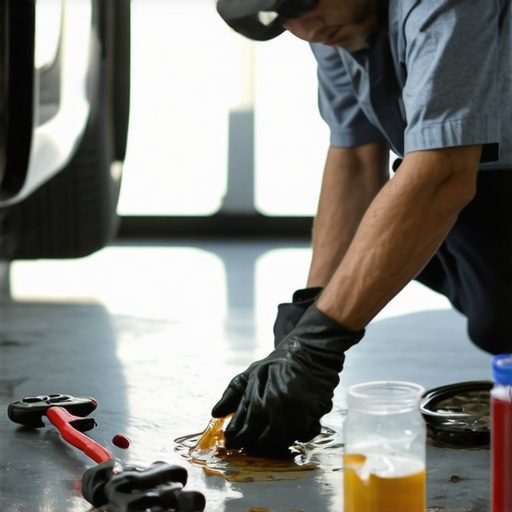 When it comes to car maintenance, many believe they grasp the basics well enough, but the truth is, the automotive world is riddled with subtle complexities that can make or break your vehicle’s longevity. A common misconception is that a simple tune-up or transmission repair is a one-size-fits-all fix—nothing could be further from the truth. For example, many assume that regular oil changes alone will prevent major issues, but neglecting nuanced factors like spark plug gap or fuel injector cleanliness can lead to misfires and rough running, even with routine service. Additionally, a prevalent myth is that high-mileage oils are always necessary; however, recent studies suggest that using the correct oil type and change interval tailored to driving habits matters more than just the mileage.
Keep It Running: Essential Tools for Vehicle Care
Maintaining your vehicle over the years requires more than just basic knowledge; it demands the right tools. I personally swear by a quality digital multimeter like the Fluke 115, which allows me to diagnose electrical issues accurately without guessing. For fluid checks, a professional-grade brake fluid tester such as the Motive Brake Fluid Tester helps ensure your brake system remains responsive, preventing costly emergency repairs. When it comes to transmission care, I recommend a dedicated transmission fluid pump, like the Lisle 39700, which simplifies refilling without mess. Investing in these specific tools saves time and provides peace of mind, ensuring you’re not just guessing but actually understanding what your car needs.
Predicting Future Trends in Auto Maintenance
Looking ahead, advancements like diagnostic software with AI capabilities will become standard, enabling even amateur enthusiasts to pinpoint issues with precision. Smart sensor technology integrated into vehicles will monitor component wear real-time, alerting owners automatically before problems escalate. For instance, some automakers are already experimenting with transmission health sensors that signal need for fluid changes proactively. This trend will make traditional maintenance routines more predictive and less reactive, ultimately extending vehicle longevity and reducing unexpected breakdowns.
How do I maintain automotive tools and systems over time?
Proper maintenance of your diagnostic and repair tools is crucial for long-term reliability. Regularly calibrate electronic testers according to manufacturer instructions—miscalibrated tools can lead to false readings, which may cause unnecessary part replacements. Keep your mechanical tools like wrenches and pumps clean and store them in a dry environment to prevent rust. Additionally, periodically review and update your knowledge base; auto repair is an evolving field. For example, following updates from trusted sources like Collision Fixer keeps you informed about emerging trends and best practices. A good rule of thumb is to schedule a biannual tool inspection to verify accuracy, ensuring your maintenance efforts stay on point.
If you want to get started, try regularly testing your vehicle’s fluid levels with a high-quality transmission fluid tester like the Motive model mentioned earlier. Small, consistent checks keep your car at peak performance and help catch minor issues before they turn costly. Remember, staying proactive with tools and routine maintenance isn’t just about fixing problems; it’s about making every mile smoother and safer.

Owning a car has taught me invaluable lessons beyond just fueling it and steering. One of the most impactful realizations came when I discovered that many transmission issues, especially with second gear, could be solved with simple, proactive maintenance like a fluid swap. This experience underscored the importance of understanding your vehicle’s needs and staying ahead of potential problems, something I wish I had embraced earlier.
Lessons the Transmission Taught Me About Preventive Care
- Consistency Trumps Reactivity: Waiting until the problem escalates only made repairs costlier. Regular fluid checks can prevent surprises.
- Small Steps Matter: A straightforward fluid swap saved me from a full transmission overhaul—small maintenance can yield big results.
- Knowledge Empowers: Understanding your car’s manual and maintenance needs gave me confidence and saved money. Dive into trusted resources like this guide on maximizing your car’s lifespan for practical tips.
- Early Warning Signs Are Clues: Weird shifts or noise are hints, not annoyances. Addressing them early preserves your transmission’s health.
- Prevention Protects Your Wallet: Investing in routine maintenance now shields you from costly repairs later.
Tools and Resources That Changed My Approach
- Transmission Fluid Tester: The Motive model I used made it easy to verify fluid quality, preventing guesswork.
- Quality Diagnostic Software: Upgrading my diagnostic tools gave me deeper insights into my car’s health and future needs.
- Trusted Manuals and Forums: Resources like this comprehensive guide provided invaluable info on maintenance routines.
- Professional Mechanics: Knowing when to consult experts has saved me from costly misdiagnoses, reinforcing that DIY doesn’t replace professional care when needed.
Your Next Step Towards Reliable Driving
Taking charge of your vehicle’s health starts with small, consistent actions—like monitoring your transmission fluid or staying informed about your car’s behavior. With the right tools and knowledge, you can prevent a minor hiccup from turning into a major headache. Remember, proactive maintenance isn’t just about saving money; it’s about enjoying peace of mind on every journey. What’s one maintenance habit you’re planning to adopt today? Share below, and let’s keep our cars running smoothly together!