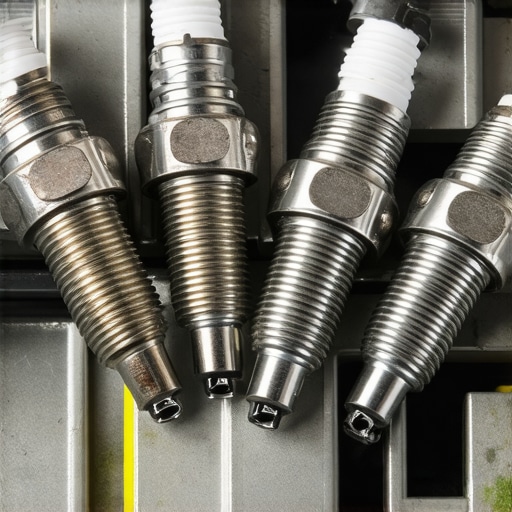
It was a cold, drizzly morning when I turned the key in my car’s ignition, only to be met with a sluggish start and a persistent rough idle that refused to go away. My heart sank—these were clear signs my spark plugs might be fouled, but I didn’t want to believe it. I’ve been there: feeling that sinking feeling when your vehicle misbehaves, especially when you rely on it daily. That moment made me realize how critical it is to recognize the early signs of oil fouling on spark plugs before they cause costly damage or leave you stranded unexpectedly.
What’s Really Going On When Spark Plugs Get Oil Fouled?
Many drivers overlook the subtle hints that their spark plugs aren’t working properly. Oil fouling occurs when oil leaks past the piston rings or valve seals and coats the spark plug’s electrodes, creating a barrier that hampers spark efficiency. Over time, this buildup can lead to misfires, poor fuel economy, and increased emissions. Recognizing these symptoms early can save you from more severe engine troubles down the line. Early detection is crucial, especially since oil fouling can escalate quickly if ignored. Have you noticed that your engine runs rough shortly after startup or that your fuel economy has dipped without explanation? These might be signs your spark plugs are battling oil contamination.
Is Ignoring Oil Fouling Actually Worth the Hype?
If you’re skeptical about the importance of diagnosing oil fouling early, I get it. It sounds almost trivial—unless you’ve experienced the frustration of a sudden breakdown or the expense of replacing damaged components. I made the mistake early in my mechanic journey of dismissing minor misfires as just a ‘bad tank of gas,’ only to realize later that neglecting oil fouling led to clogged catalytic converters and pricey repairs. The truth? Catching these signs before they worsen not only keeps your engine healthier longer but also saves you money in the long run. Want to learn how to spot these warning signs yourself? I’ll guide you through simple checks and share tips I wish I knew when I first faced this issue.
Now that we understand why early detection matters, let’s dive into the telling signs that your spark plugs are fouled by oil and how you can address the issue before it leaves you stranded on the side of the road. Ready to become your own car detective?
Remove the Spark Plugs Carefully
Start by locating your spark plugs, usually accessible via the engine cover or ignition system. Use a proper spark plug socket and ratchet to gently unscrew each one, avoiding excessive force that could damage the ceramic insulator. I once forgot to disconnect the battery before removing spark plugs; a small electric shock reminded me to be cautious and ensure safety first. Inspect each plug for oil residue or black, oily deposits which indicate fouling. Make sure to keep track of the sequence to reassemble correctly.
Clean or Replace the Fouled Spark Plugs
If the fouling is light, you can try cleaning the spark plugs with a wire brush, ensuring you remove the oil buildup without damaging the electrode. Use a solvent like brake cleaner for stubborn deposits. However, if the plugs are heavily fouled or the electrode is damaged, it’s best to replace them entirely. During my last tune-up, I replaced all four plugs instead of cleaning, saving time and ensuring optimal performance. Always install new spark plugs with the correct torque specification—over-tightening can crack the ceramic, leading to future failure.
Check for Oil Leaks Behind the Scenes
Oil fouling often stems from engine issues such as worn piston rings or valve seals. To identify these, inspect the valve cover gasket and piston area carefully. If you notice oil leaks, replace the faulty seals promptly to prevent recurrent fouling. I once waited too long to address a leaking valve cover gasket, which caused continuous fouling on new plugs and ultimately led to more engine wear. Addressing oil leaks early can be as simple as applying a new gasket or sealant, but neglect might mean costly repairs later.
Adjust or Replace Valve Seals and Piston Rings
If fouling persists despite cleaning or replacing spark plugs, consider inspecting the valve seals and piston rings. Worn seals allow oil to seep into the combustion chamber. To diagnose, perform a compression test or use a borescope to look inside the cylinders. Replacing these components can be complex but is necessary for a long-term fix. When I replaced my piston rings, I followed a detailed tutorial and rented specialized tools; the process was messy but rewarding, restoring my engine’s compression and preventing further fouling.
Ensure Proper Engine Oil and Maintenance
Using the right grade and quality of engine oil reduces the chance of oil leaks and fouling. Check your owner’s manual for manufacturer recommendations. Regular oil changes and inspections can prevent oil from passing piston rings or valve seals. During my last oil change, I upgraded to synthetic oil, which has better resistance to breakdown and helps keep engine components cleaner. Remember, neglected oil routines are a common cause of fouling and engine troubles.
Monitor Engine Performance After Repairs
Once you’ve addressed the root causes, start the engine and check for smooth idling and power delivery. Listen for irregular sounds or misfires. To be thorough, perform a test drive, noting fuel economy and engine response. In my recent experience, after replacing faulty piston rings and seals, my engine ran smoother and more efficiently—proof that proper diagnostics and repairs pay off in the long run.
For a comprehensive understanding of diagnosing related issues, check out this quick oil hack to stop engine tapping.
Many car owners think that routine maintenance like transmission service or tune-ups is just about following the manufacturer’s schedule. However, there’s a common misconception that these procedures are only necessary when problems become obvious. In reality, neglecting subtle nuances can lead to more severe issues down the line. For example, some believe that a transmission flush is always the best choice, but according to industry experts, a simple drain and refill might suffice unless the fluid is severely contaminated. Overusing flushes can disturb built-up debris that actually protects certain components, potentially causing more harm than good. Have you ever fallen into this trap? Let me know in the comments.
Another myth revolves around the idea that all auto repairs are straightforward. Many assume that a quick fix, like replacing a fuse or topping off fluids, resolves underlying issues. But complex problems, such as a failing transmission control module or worn bushings that affect car responsiveness, require detailed diagnostics, often involving advanced tools and experience. For instance, a worn suspension bushing might feel like a steering problem, but without thorough inspection, you could misdiagnose and waste money on unnecessary parts. Check out this article on hidden bushings to understand how small parts can influence large systems.
Understanding the importance of proper auto repair can prevent costly setbacks. A common mistake is delaying repairs, thinking that minor symptoms will go away on their own. However, ignoring subtle signs like strange noises, vibrations, or dashboard warning lights can lead to catastrophic failures. An advanced issue like a misdiagnosed transmission problem may seem minor initially but could result in a complete rebuild if neglected. Regular diagnostics and trusting experienced technicians play a crucial role here.
Many believe that using generic parts is a way to save money, but this often backfires. OEM parts, while sometimes more expensive upfront, offer better compatibility and longevity. Sometimes, cheaper alternatives can cause compatibility issues or wear out faster, leading to recurrent repairs. In fact, a study by industry analysts indicates that up to 60% of repeat repairs are due to inferior parts replacing original components. Investing in quality parts and professional services is more economical in the long run.
Focusing on these nuances and avoiding common pitfalls can extend your vehicle’s lifespan and ensure safety. If you want to delve deeper into diagnosing hidden issues, explore this guide to rough cold starts. Remember, good maintenance isn’t just about following schedules — it’s about understanding your vehicle’s unique needs. Have you encountered one of these myths personally? Share your experience and let’s make auto care smarter together!
Keeping It Running: Essential Tools and Methods
Ensuring your vehicle stays in optimal condition over the years requires more than just routine checks; it demands the right tools, precise techniques, and a proactive attitude. Personally, I rely on a combination of high-quality diagnostic equipment and meticulous maintenance routines. For instance, investing in an automotive code reader, like the Autel MaxiScan MS300, allows me to quickly identify trouble codes without visiting the shop, saving time and money. Additionally, a reliable torque wrench, such as the TEKTON 1/2 Inch Drive, ensures that components like spark plugs and lug nuts are tightened to manufacturer specifications, preventing damage and premature wear.
When it comes to **software**, I prefer using OEM-specific diagnostic programs like Bosch’s ESI[tronic] or Snap-on’s ShopKey. These tools provide comprehensive insights into vehicle systems, enabling me to perform advanced diagnostics and even software updates when necessary. As vehicles become more complex with hybrid and electric components, staying updated with the latest software tools will become indispensable for car enthusiasts and professionals alike.
Maintaining your car long-term isn’t solely about hardware. Regularly replenishing your knowledge through technical manuals and online resources can be invaluable. For example, consulting the detailed brake bleeding guide has helped me perform DIY brake services confidently, avoiding costly shop visits.
How do I sustain my vehicle’s health over the years?
One critical aspect involves proactive replacement of wear items like belts, hoses, and filters based on manufacturer recommendations or observable signs of aging. For example, replacing your timing belt before failure can prevent catastrophic engine damage. Using high-quality lubricants suited for your driving conditions, such as synthetic oils, also prolongs engine life and maintains optimal performance. I’ve personally noticed smoother operation and better fuel economy when switching to synthetic oil, and I recommend doing so at every oil change.
Embracing advanced diagnostic tools and precise maintenance practices will shape the future of reliable vehicle care. As electric and hybrid vehicles become more prevalent, tools that interface with battery management systems and electric drive units will grow in importance. Staying ahead with these innovations is crucial for both hobbyists and professional mechanics.
To start improving your maintenance routine today, I recommend mastering the art of bleeding brakes solo using a simple plastic bottle setup—here’s how you can do it effectively. This technique ensures your braking system remains responsive and safe without needing a second pair of hands. Adapt and expand your toolkit, and watch your vehicle’s performance and longevity improve dramatically.
As I reflect on my journey with auto maintenance, one thing stands out: the invaluable lesson of early detection. Over the years, I’ve learned that catching oil fouling signs early can save you from costly repairs and frustrating breakdowns. This process deepened my understanding of engine health and taught me the importance of vigilance. For instance, I previously ignored slight engine misfires, only to find out later it was a symptom of underlying issues like worn piston rings. Recognizing these subtle hints empowered me to address problems proactively, ensuring my vehicle ran smoothly and efficiently.
Insider Wisdom: Lessons That Changed My Approach to Car Care
- Never underestimate small symptoms: A rough idle or decreased fuel economy can be early signs of oil fouling. Addressing them promptly prevents bigger headaches downstream.
- Consistency Matters: Regular inspections of spark plugs and engine components can reveal oil leaks before they cause significant damage, saving both money and time.
- Tools are your allies: Investing in a good spark plug socket, brushes, and diagnostic tools made my DIY repairs more successful and less stressful.
- Engine seals and rings: Prioritizing seals and piston rings health is vital. Recognizing deterioration early allows for targeted repairs, prolonging engine lifespan.
- Use quality fluids and parts: High-quality oils and OEM-standard spark plugs reduce the likelihood of fouling and other issues, ensuring smoother engine operation.
Curated Resources to Elevate Your Car Maintenance Game
- How to bleed your brakes solo: A handy skill that saves you from costly repair visits and keeps your vehicle safe on the road.
- The 12-valve trick to fix rough cold starts: This guide taught me ways to diagnose engine stumbling issues early, preventing long-term damage.
- Easy oil hack to stop engine tapping: An affordable solution for quieting those mysterious engine noises caused by oil-related issues.
- Hidden bushing that affects your driving experience: Understanding suspension components improved my handling and safety.
Your Next Steps in Automotive Confidence
Diving into proper diagnostics and routine inspections might feel overwhelming at first, but every small effort builds confidence and long-term vehicle health. Remember, you’re not alone—resources and communities are available to guide you. Whether it’s mastering a simple task like bleeding brakes or understanding complex engine signs, taking proactive steps today will pave the way for safer, more reliable driving tomorrow. So, what’s the first thing you’ll check or do differently after reading this? Share your plans below—I’d love to hear how you’re planning to enhance your auto maintenance skills!