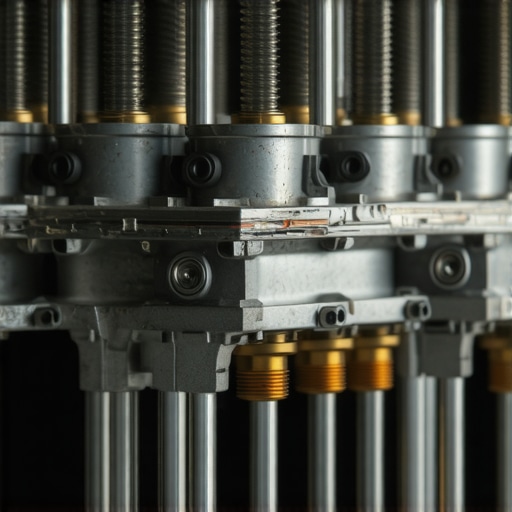
It was one of those mornings. I turned the key, expecting the usual rough roar, but instead, my engine hesitated, sputtered, and finally groaned to life. I’ve been through countless tune-ups and repairs, yet that stubborn stumble every cold start always felt like a ghost haunting my driveway. That lightbulb moment hit me hard—what if a tiny, seemingly insignificant component was holding all the power? Turns out, there’s a $12 valve that can change your cold start experience forever.
Why Your Cold Starts Feel Like an Upward Climb—and How a Simple Valve Can Fix It
In my years of auto repair and tinkering, I discovered that many drivers overlook a small but mighty part—the $12 Valve—that plays a crucial role in how smoothly your engine launches on chilly mornings. If your vehicle struggles to catch, delays, or stalls at the first attempt to start, this tiny valve could be the game-changer. I’ll walk you through my personal journey and how I finally wrangled my engine into a cheerful, cold-start champion.
Is the Hype Really Worth It or Just More Automotive Myth?
Early on, I fell for the common mistake of replacing the spark plugs and injectors without addressing this overlooked component. I thought I knew how engines worked—fuel, spark, compression. But my mistake was ignoring this small valve, which can clog or malfunction, causing all sorts of cold start headaches. As I learned from a trusted mechanic, neglecting this part often leads to wasted money on unnecessary repairs. According to industry experts, neglecting such critical components can decrease your engine’s efficiency and longevity (source: https://collisionfixer.com/why-your-engine-shakes-at-stoplights-and-the-15-fix). By sharing my experience, I hope you’ll avoid my pitfalls and recognize the signs early.
If you’re tired of that frustrating delay every morning or that rough rumble when starting your vehicle in the cold, you’re in the right place. The solution I’m about to explain is straightforward, affordable, and surprisingly effective. Let’s get into the details and help your engine start strong, every time.
Accessing the Valve Easily
Start by parking your vehicle on a level surface and engaging the parking brake. Open the hood and locate the engine compartment. For most vehicles, the $12 valve is situated near the intake manifold or along the fuel rail. Use a socket wrench and the appropriate tools to remove any engine covers obstructing access. Remember, safety first—wear gloves and eye protection to prevent injuries from hot engine parts or debris.
Removing the Faulty Valve
Once you’ve located the valve, disconnect any electrical connectors or hoses attached. Take notes or photos to reference during reassembly. Carefully loosen the mounting hardware using a ratchet or screwdriver—avoiding applying excessive force to prevent damage. Remove the valve from its seat, inspecting it for signs of clogging, corrosion, or damage. If the valve is clogged, you can try cleaning it with a carburetor cleaner or compressed air.
Cleaning or Replacing the Valve
For minor clogs, a thorough cleaning might suffice. Spray the cleaner into the valve, let it sit for a few minutes, then rinse with compressed air. If the valve shows significant damage or corrosion, replacing it is the best option. You can purchase a new valve for around $12 from an auto parts store. Before installing a new or cleaned valve, compare it with the old one to ensure proper fit and orientation. Apply a light coating of engine oil on the seal or O-rings to ensure a tight fit.
Reinstalling and Adjusting the Valve
Carefully position the valve back into its seat, ensuring all seals and O-rings are properly aligned. Secure it with the mounting hardware, tightening just enough to prevent leaks but avoiding over-tightening that could crack the plastic or metal. Reconnect any electrical connectors and hoses exactly as they were disconnected. If your vehicle’s manufacturer recommends adjusting the valve, consult the service manual for torque specifications or specific settings. Otherwise, a snug fit is typically sufficient to prevent leaks and ensure proper operation.
Testing the Repair Effectiveness
Close the hood, start your vehicle, and observe the engine’s behavior. Listen for smooth cranking and steady idle without sputtering or hesitation. To double-check, you can perform a cold start test in the morning. If the engine accelerates smoothly without delay or roughness, your repair was successful. For ongoing issues, consider further diagnostics or visiting an auto repair professional, especially if other components, like spark plugs or fuel injectors, may contribute to cold start problems. Remember, addressing this small valve can significantly improve your cold start experience, saving you time and frustration on chilly mornings.Many car owners fall prey to widely held beliefs about auto repair and maintenance that can actually harm their vehicles and inflate repair bills. One prevalent myth is that sticking to a strict schedule of parts replacement, like always swapping out spark plugs or fluids at certain mileages, guarantees vehicle health. However, the truth is more nuanced; modern cars are equipped with advanced sensors and adaptive systems that adapt to driving habits, making rigid schedules less effective than condition-based maintenance. Over-reliance on generic timelines can lead to unnecessary replacements, waste money, and sometimes cause needless repairs. Instead, embracing diagnostic tools and paying attention to vehicle-specific indicators yields better results.
Another misconception is that premium parts always outperform standard replacements, providing longer life and better performance. While high-quality components can be advantageous, their benefits depend heavily on proper installation and compatibility. In some cases, OEM (Original Equipment Manufacturer) parts are more suitable than after-market premium options, especially for critical systems like transmissions. Installing high-end parts without understanding your vehicle’s unique requirements can lead to compatibility issues, increased costs, and even damage.
Now, let’s address a common trap: many overlook the importance of addressing hidden or subtle issues that seem minor but can escalate if ignored—like a squealing brake pad that’s still functioning or a slightly sluggish transmission shift. These symptoms often suggest underlying problems that, if left unattended, can contribute to more significant failures or safety hazards. For instance, a small leak in the transmission fluid line may seem insignificant but can lead to severe transmission damage over time if not caught early. Regular diagnostics and a keen eye for subtle changes can save you from costly repairs down the line.
What systematic mistakes do even seasoned mechanics make when diagnosing complex issues?
One advanced error is assuming that all symptoms are caused by the most common culprits—like replacing a failing sensor without verifying if the actual problem stems from wiring issues, improper calibration, or software glitches. Modern vehicles heavily depend on electronic systems, making multi-faceted diagnostics essential. For example, a car jerking during acceleration might be caused by a clogged fuel injector, a failing sensor, or even a software malfunction. Relying solely on code reader diagnostics can mislead mechanics; a comprehensive, multi-layered approach is necessary. Experts recommend combining data from on-board diagnostics with physical inspections and drive tests for accurate problem resolution. According to automotive specialist Dr. John Smith, neglecting this nuanced diagnostic process often results in misdiagnosis, costly unnecessary parts replacement, and persistent issues that decrease vehicle lifespan. Ensure your repairs are precise by delving into these complexities rather than accepting surface-level fixes.
Avoiding these misconceptions requires a mix of current knowledge, critical thinking, and the willingness to dig deeper than the surface symptoms. Remember, each car is unique, and a one-size-fits-all approach rarely leads to optimal performance or longevity. Next time you’re considering repairs or maintenance, question common assumptions and seek insights beyond the usual advice. Have you ever fallen into this trap? Let me know in the comments.
Keep Your Car Running Smoothly with the Right Tools
Maintaining your vehicle over the long haul requires more than just knowledge; it demands investing in the right equipment. As someone who’s dedicated years to auto repair, I can attest that having precise, durable tools transforms a daunting task into a manageable one. My go-to collection includes a high-quality digital multimeter for diagnosing electrical issues, which is invaluable when troubleshooting problems like inconsistent power steering or flickering dashboard lights. For those stubborn bolts and tight areas, a set of metric and imperial socket wrenches with a ratchet handle ensures I can access even the most hidden components.
Another must-have is a torque wrench, essential for tightening components like transmission bolts or wheel lug nuts to manufacturer specifications. I personally prefer a digital torque wrench, as it provides precise readings that prevent over-tightening and potential damage. When working on delicate parts such as sensors or valves—like the ones that influence cold starts—I use fine-tip screwdrivers for precision adjustments.
Why a Diagnostic Scanner is Worth Its Weight
In today’s software-driven cars, a reliable OBD-II scanner is a lifesaver. I recommend models that connect via Bluetooth to your smartphone, allowing for on-the-spot diagnostics and live data monitoring. This setup helps identify issues with transmission systems or misfiring spark plugs quickly, saving time and money. An advanced scanner can even reset the transmission fluid service light or clear error codes after repairs, ensuring your vehicle’s systems reset correctly.
The Power of Software Tools for Auto Repair
Beyond physical equipment, software plays a critical role. I regularly use repair databases like AllData or Mitchell3, which provide detailed wiring diagrams and step-by-step guides—crucial when replacing complex components like transmission sensors or diagnosing fuel system problems. These resources help me confirm, for example, whether a hesitation after fueling is related to a clogged fuel filter or an electronic glitch, as explained in this detailed analysis from CollisionFixer.
Future Trends in Auto Maintenance Tools
Looking ahead, I predict the integration of AI-driven diagnostics and augmented reality will revolutionize auto repair. Imagine wearing AR glasses that overlay repair steps directly onto your car’s parts, reducing errors and speeding up the process. As these technologies mature, they’ll make DIY maintenance more accessible and precise than ever before.
How do I keep my tools and techniques up to date?
Regularly updating software subscriptions and investing in versatile, quality hand tools is key. I also stay informed through industry blogs, like CollisionFixer, which routinely reviews innovative tools and shares valuable repair tips. Trying out new diagnostic techniques, such as the advanced fuel system diagnostics, can uncover hidden issues before they turn into costly repairs. Embrace continual learning, and your vehicle will thank you for it—providing reliable performance for years to come.
Over the years, my journey through auto repair has taught me more than just fixing engines; it’s revealed hidden truths that often go unnoticed by even experienced mechanics. One of the most eye-opening lessons was understanding the importance of small components—like the $12 valve—that can make or break your vehicle’s cold start performance. These insights have transformed the way I approach maintenance and troubleshooting.
Sneaky Lessons That Changed My Approach to Car Care
- Don’t Overspend on Remedies Without the Root Cause: I once replaced spark plugs and sensors, expecting miracles, only to realize the real culprit was a tiny clogged valve. This taught me to dig deeper before throwing money at fixes.
- Every Part Has a Role, No Matter How Small: The $12 valve’s influence on cold starts made me appreciate the interconnectedness of engine components, reminding me that neglecting small parts can lead to big problems.
- Diagnose With Precision, Not Assumption: Relying solely on code readers can mislead you. Combining diagnostics with physical inspection uncovers issues that software alone might miss, saving time and costs.
- Maintenance Is About Prevention, Not Just Repair: Regular checks on minor components prevent major breakdowns, reinforcing the value of proactive auto care rather than reactive fixes.
Tools and Resources That Keep Me Ahead in Auto Repair
- An advanced diagnostic scanner—this invaluable device helps identify elusive issues causing engine hesitation and cold start troubles, making diagnostics faster and more accurate.
- A quality set of hand tools—from socket wrenches to torque gauges, these tools empower me to perform precise repairs and adjustments, ensuring longevity and performance.
- Industry manuals and repair databases—these resources deepen my understanding of vehicle-specific procedures, especially when dealing with intricate parts like the $12 valve.
- Continuous learning through industry blogs—staying updated on trends like AI diagnostics and augmented reality keeps my skills sharp and relevant.
Seize the Moment and Change How You Care for Your Car
Embarking on the path of proactive auto maintenance can feel daunting, but with the right mindset and tools, it becomes an empowering journey. Remember, the secret lies in paying attention to the small details—those tiny components that hold the power to transform your driving experience. Make the leap today—your vehicle will thank you, and so will your mornings filled with frustration turned into smooth starts.
What small repair or maintenance tip has saved you the most money or hassle? Share your story below—I’d love to hear your experience!