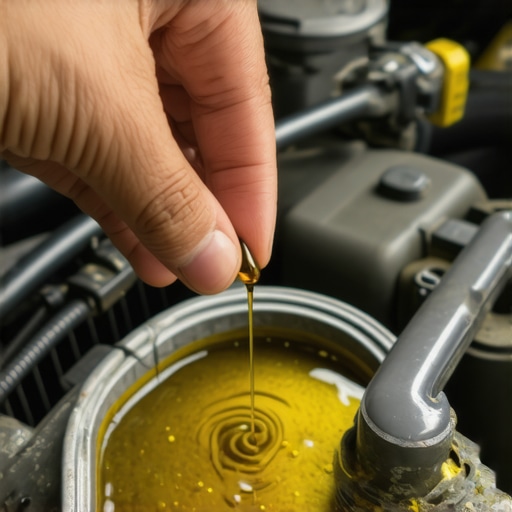
Have you ever been jolted awake by that unsettling tapping noise when your engine is idling? It’s a sound that sneaks into your quiet mornings, turning a peaceful start into a moment of dread. I remember the first time I heard it; my heart sank, thinking I’d have to spend a fortune on repairs. Turns out, that dreaded tap was something I could fix myself—and honestly, I wish I’d discovered this simple trick sooner.
Why Engine Tapping Drives Us Crazy—and What You Can Do About It
Engine tapping is more than just annoying; it signals underlying issues with your engine’s oil flow or valve lash adjustments. Left unaddressed, it can lead to more significant problems down the line, like reduced engine lifespan or costly repairs. What’s even more frustrating is how often we ignore these sounds, hoping they’ll disappear on their own. But the truth is, a little proactive maintenance—with the right approach—can go a long way.
Is Your Engine Tapping Actually Worth the Hype?
Before I stumbled onto the oil hack that changed everything, I was skeptical about simple fixes. I made the mistake early on of just adding more oil or ignoring the noise altogether, thinking it was just normal wear and tear. It’s a common mistake I see among car owners who fear that complex repairs are the only solution. But let me tell you, the real secret isn’t in replacing parts—it’s in the quality of your oil and how you maintain it. According to experts, engine noises like tapping often stem from inadequate lubrication, which is surprisingly easy to fix with just a bit of your own effort—no mechanic needed.
Now, are you tired of those intrusive engine sounds? Keep reading, because I’m about to share with you the simple oil hack that turned my engine from noisy to smooth—and it might do the same for you.
,
Start with a Clean Oil Change
My first attempt involved draining and replacing the engine oil myself. I used a quality synthetic oil, ensuring proper viscosity recommended for my car model. Remember, old or low-quality oil can cause tappet noise because it fails to lubricate correctly. To do this, safely raise your car with a jack, drain the old oil via the drain plug, and refill with fresh oil according to your owner’s manual. This basic step often solves minor tapping issues by restoring proper lubrication.
Inspect Valve Lash and Adjust if Necessary
Next, I checked the valve clearances, which directly influence tappet noise. Using a feeler gauge, I measured the gap between the rocker arm and valve stem, referencing the specifications in my repair guide. If the gap is too wide, it causes clatter. Adjusting involves loosening the rocker arm nut, setting the correct clearance, then tightening securely. Be cautious; improper adjustments can cause further damage, so following your specific vehicle’s manual or watching a detailed tutorial helps. Think of it like tuning a tuned-up guitar string; precise adjustments make all the difference.
Discover Hidden Deposits with a Carbon Cleaner
On my third attempt, I used a carbon deposit cleaner via the intake system. After removing the air filter, I introduced the cleaner into the throttle body according to instructions. This loosened carbon buildup that could cause uneven valve operation, contributing to tapping sounds. It’s akin to clearing dirt from a clogged pipe—routine cleaning keeps your engine running smoothly. For detailed steps, check this guide on cleaning sticky idle valves.
Check and Replace Spark Plugs
Sometimes, worn spark plugs misfire or cause irregular combustion, leading to tapping. I removed each plug using a spark plug socket, inspected for wear, deposits, or damage, and replaced them with properly gapped new ones. Properly functioning plugs ensure efficient combustion and reduce engine noise. Think of this as replacing worn-out batteries in a flashlight—simple but impactful.
Examine Timing and Belt Tension
If tapping persists, I inspected the timing belt tension. A loose belt can cause valves to open and close improperly, resulting in tapping. Using a tension gauge, I verified the belt’s tension against manufacturer specs. If it’s loose, I tightened it carefully. This is similar to tightening a loose guitar string—too loose or tight can cause undesired vibrations or noise. If you’re unsure, consult your vehicle’s service manual or a professional.
Listen for Specific Clicks to Identify Valve Issues
While running the engine, I carefully listened for rhythmic clicking sounds indicative of valve lash problems. If a specific cylinder is the culprit, isolating it helps target the fix. For this, I used a mechanic’s stethoscope—think of it as a doctor’s tool to find where the pain originates. If adjustments don’t work, it might be a sign of more serious issues like worn hydraulic lifters, which could require professional intervention.
Use Engine Additives as a Last Resort
As a final step, I added a solvent-based additive designed to loosen sludge and restore proper valve operation. I poured it into the oil and ran the engine for a few minutes. This is like taking a detox to clear out built-up grime. Remember, additives should be used sparingly and according to instructions, since overuse can cause more harm than good.
Monitor and Repeat if Necessary
After completing these steps, I turned on the engine and listened carefully. The tapping had diminished significantly. I scheduled regular oil changes and valve inspections to prevent future issues, recognizing that consistent maintenance is key—much like tuning a musical instrument regularly to keep it sounding perfect.
When it comes to car maintenance, many believe that a simple tune-up or routine service is a straightforward fix, but in my experience, there’s a lot more under the hood than meets the eye. A common misconception is that all mechanics or service centers follow the same procedures, and that paying for a basic tune-up guarantees optimal performance. However, the reality is that many professionals overlook nuanced issues that can seriously affect your vehicle’s longevity and safety. For instance, some shops focus solely on replacing parts rather than diagnosing underlying causes—like a misfiring sensor or a subtle vacuum leak—that might seem insignificant but have significant consequences over time.
Advancing beyond the basics requires understanding that modern vehicles are complex systems with tightly integrated components. A misdiagnosed transmission issue, such as a slipping clutch or a faulty sensor, can mimic more benign problems, leading to costly repairs if not properly identified early. Furthermore, some car owners fall for myths like adding fuel additives regularly to extend engine life, which experts warn can sometimes do more harm than good if misused. For example, a study from the Society of Automotive Engineers indicates that improper use of additives may cause clogging or damage to fuel injectors, emphasizing that maintenance should be tailored carefully—focusing on genuine needs rather than generic solutions.
One hidden trap to avoid is neglecting the importance of precise diagnostics. Relying solely on visual inspections or basic checks might overlook critical issues like mismatched paint before leaving the shop, which can affect corrosion resistance, or subtle signs of a failing alternator that could leave you stranded. This is why investing in advanced diagnostic tools and professional expertise can save you significant money and hassle down the road.
Ever wondered why your vehicle still lurches at stoplights despite regular maintenance? Sometimes, the root cause lies in overlooked components or misunderstood symptoms. Take, for instance, a high-beam flickering problem, which might seem minor but could indicate a deeper wiring fault—addressing which requires nuanced knowledge. For drivers wanting to dig deeper into such issues, I recommend exploring topics like how to prevent transmission fluid leaks without costly rebuilds, or how to spot mismatched paint to avoid future rust problems.
So, next time you think a routine tune-up or repair is all that’s needed, remember that the devil is in the details. The key to truly extending your vehicle’s lifespan lies in understanding these subtle nuances and avoiding the trap of surface-level fixes. Having a proactive mindset and seeking out specialists who understand the intricacies of your specific car model will pay dividends over time.
Do you want to ensure your car is truly in top shape? Regularly visiting a trusted mechanic and prioritizing detailed diagnostics can prevent many issues before they escalate. And always stay informed—your vehicle’s performance depends on it.
If you found this insightful, share your experiences or questions in the comments. Have you ever fallen into this trap? Let me know in the comments.
Equip Yourself with Precision Tools
Maintaining your vehicle over the long term calls for the right equipment. I personally swear by a high-quality automotive multimeter—think of it as the doctor’s stethoscope for your car. It allows me to measure voltage, current, and resistance in various components, helping me troubleshoot electrical issues like faulty sensors or failing alternators with confidence. Investing in a reliable scan tool, such as the Launch CRP123X, provides diagnostic trouble codes directly from your vehicle’s computer. This tool helps me identify issues early, saving time and money before problems escalate.
For fluid checks, a precise oil pressure tester ensures I’m maintaining optimal oil flow, which is critical for longevity. I’ve also found a flexible fiber-optic inspection camera invaluable for peering into tight engine bays or behind dashboards without disassembly. These tools collectively give me a comprehensive view of my vehicle’s health, enabling proactive maintenance rather than reactive repairs.
Leverage Software and Diagnostic Tech
Beyond physical tools, software plays a pivotal role. I rely on professional-grade diagnostic software like OEM-specific scanners when necessary, which connect to your car’s OBD-II port—usually under the dashboard. These provide real-time data on everything from transmission fluid temperature to sensor readings, allowing me to spot trends before alarms go off. As car electronics become more complex, embracing advanced diagnostics is vital. Companies like auto repair experts recommend these tools to ensure repairs are both accurate and thorough.
Implement Routine Checks and Maintenance
Tools alone won’t keep your car running smoothly—you need a consistent routine. I suggest creating a maintenance schedule that includes checking fluid levels, inspecting belts and hoses, and monitoring tire pressure. For example, keeping an eye on your cooling system with an infrared thermometer can prevent overheating—something I do regularly, especially during summer months. Additionally, using a battery tester such as the Carbon Pile Load Tester helps me evaluate the health of my battery and alternator, preventing unexpected failures. Remember, diligent use of these tools leads to fewer breakdowns and extends your vehicle’s lifespan.
How do I maintain long-term vehicle health?
Consistency is key. Regular inspections with your diagnostic tools, combined with scheduled service like oil changes and fluid replacements, make all the difference. For instance, staying on top of transmission fluid condition, as discussed here, can prevent costly rebuilds later. Additionally, keeping an eye on potential issues using software alerts can save you from surprises during long trips or daily commutes. Embracing these methods ensures your vehicle remains reliable and safe for years to come.
Modern automotive maintenance is evolving rapidly, and staying ahead with the latest tools sets you apart from amateur fixes. I encourage you to try integrating an automotive multimeter into your routine—it’s surprisingly affordable and incredibly valuable for diagnosing numerous issues. With the right equipment, you’ll not only save money but gain confidence in your car’s health.
The Hardest Lesson I Learned About Tune-Ups and CollisionFixer
- Initially, I believed routines like oil changes were enough, but I discovered that paying attention to the specifics of each issue, like engine tapping or flickering lights, can save you hundreds in repairs. Ignoring subtle signs often leads to bigger problems—trust me, catching these early truly pays off.
- Choosing the right diagnostic tools transformed my understanding. Relying solely on visual inspections or basic checks is like reading only the headlines; detailed data from professional tools revealed hidden issues, especially in complex systems like transmissions. Investing in quality diagnostics is a game-changer.
- I learned to trust reputable sources and expert advice. Books and resource sites like CollisionFixer helped me navigate tricky repairs and avoid costly mistakes. Continuous learning keeps me confident that my vehicle’s health stays on track, and it can do the same for you.
My Essential Arsenal for Auto Repair and Maintenance
- An automotive multimeter – This is my go-to for electrical diagnostics, helping me identify faulty sensors or weak connections quickly and accurately.
- OEM-specific scan tools – They provide real-time data and trouble codes that are crucial for pinpointing problems, especially in modern, electronically controlled vehicles.
- Quality lubricants and cleaning agents – I swear by synthetic oils and engine cleaners, which keep parts running smoothly and prevent buildup that can cause tapping or misfires.
- Inspection cameras – For checking areas that are hard to reach, these tools increase my confidence and reduce guesswork, enabling more precise repairs.
The Future of Auto Maintenance Is Hands-On
If you’re serious about prolonging your vehicle’s lifespan and avoiding surprise breakdowns, embracing these insights and tools is your best bet. With dedication and the right knowledge, you can become your own mechanic, save money, and gain peace of mind. Remember, some of the most effective maintenance starts with simple steps like a proper oil change or a valve lash check — but the real magic lies in understanding your car’s unique needs. So, why not start today? Your engine will thank you for it!
What’s the biggest challenge you’ve faced when trying to fix engine tapping or similar issues? Share your story below—I’d love to hear how you’re taking control of your vehicle’s health!
,